
 EN
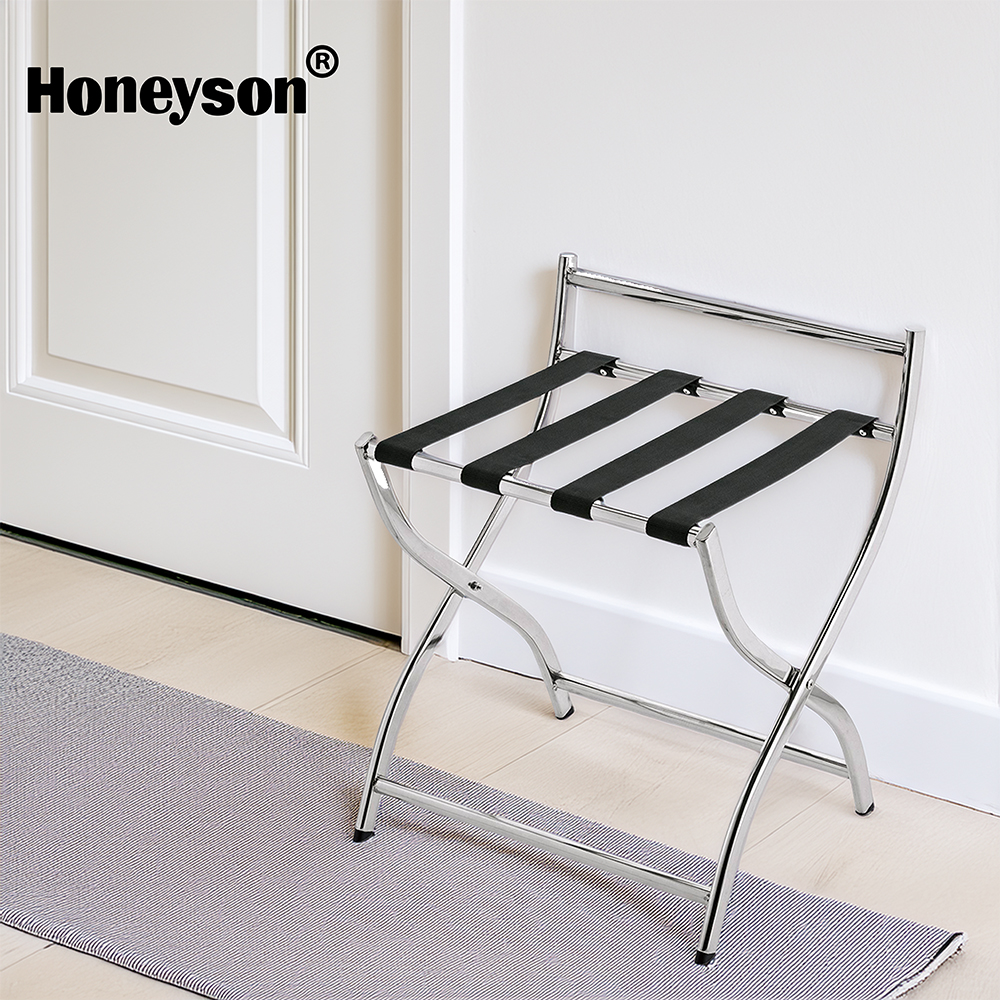
Furniture damage represents a significant operational cost in hotels, hospitality venues, and commercial spaces. Guests move items, wheels roll across surfaces, and edges strike walls and doorframes—each interaction creates potential for costly repairs and liability claims. A strategic solution that many property managers overlook involves the thoughtful design of protective components on everyday items like the luggage rack. By incorporating rubber feet and edge protection into the design of hotel luggage racks and other furniture, facilities can dramatically reduce damage incidents and the claims that follow.
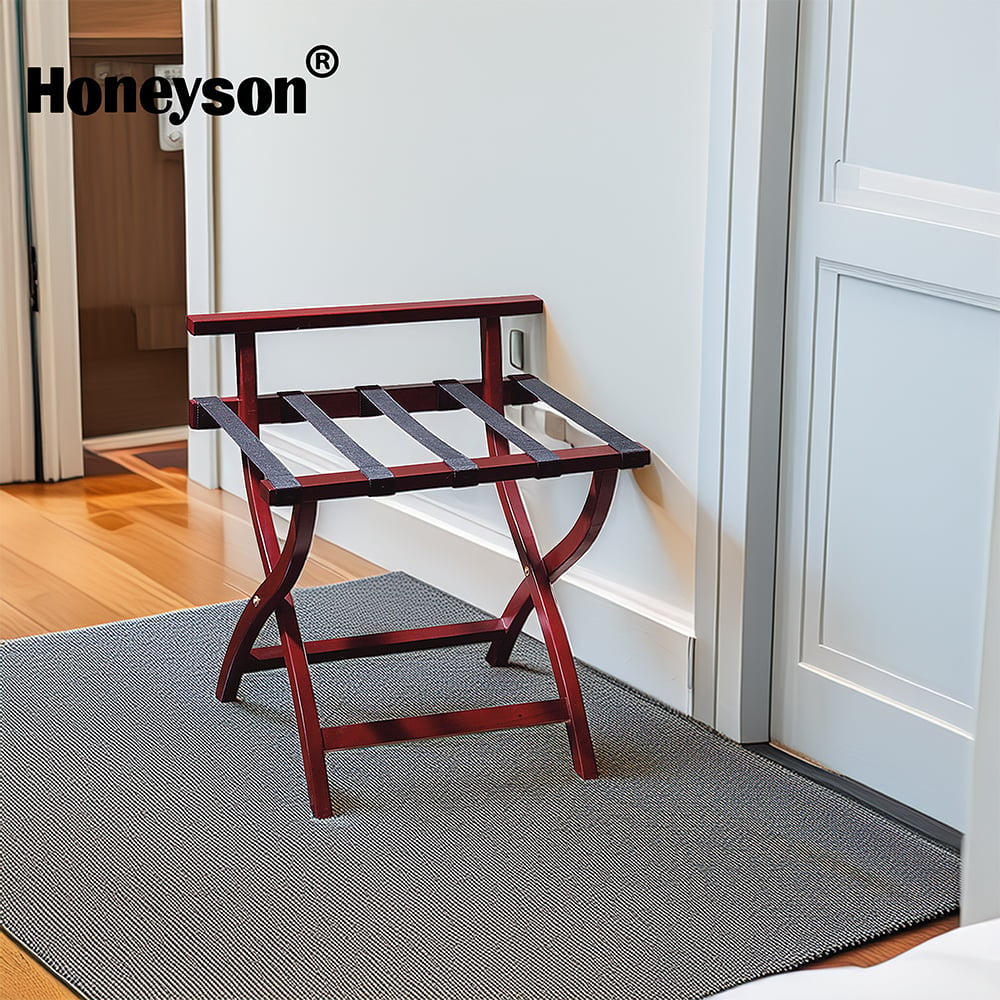
The economics of damage prevention are straightforward. Each claim requires investigation, repair quotes, contractor coordination, and often guest compensation. A folding luggage rack with inadequate base protection may seem cost-effective initially, but recurring damage claims quickly erode that savings. OEM luggage rack specifications that prioritize protective design from the outset prevent these cascading costs before they occur. Understanding how rubber feet, cushioned edges, and reinforced corner protection work together reveals why this design approach matters for both bottom-line financial performance and operational peace of mind.
How Rubber Feet Prevent Surface Damage
The Mechanism Behind Base Protection
Rubber feet serve as the primary barrier between a luggage rack frame and floor surfaces. When guests move a hotel luggage rack across marble, tile, wood, or carpet, rubber feet absorb impact energy and distribute pressure evenly rather than concentrating force on a single hard contact point. Hard metal feet create microscopic abrasions, visible scratches, and in severe cases, gouges or dents in premium flooring. Rubber materials deform slightly under load, reducing stress transfer to the underlying surface. This simple mechanical principle means fewer visible damage marks and reduced need for floor refinishing in guest rooms and corridors.
Material Selection and Durability Factors
Not all rubber feet perform equally. OEM luggage rack designs specify rubber compounds chosen for specific environments. High-quality rubber resists hardening over time, maintains grip even as wear occurs, and won't leave residue or staining on light-colored floors. Thicker rubber feet absorb more shock and last longer through repeated use than thin molded options. A folding luggage rack with premium rubber feet may cost slightly more to manufacture, but the reduction in damage claims and guest complaints justifies the investment many times over. Hotels that track claim data consistently report lower damage incident rates when using racks with properly specified protective bases.
Edge Protection and Corner Reinforcement Strategy
Shielding Vulnerable Contact Points
Beyond the base, edges and corners of a luggage rack encounter walls, doorframes, and furniture as guests maneuver items through tight spaces. Metal edges without protection scratch paint, create dents in drywall, and damage furniture adjacent to corridors. Cushioned edge trim or foam-backed plastic guards absorb impact and distribute force over a wider area. A well-designed hotel luggage rack incorporates these protections at all external edges, particularly at the upper corners where guests naturally grab the frame and where items might strike overhead trim or low doorways. This multi-point protection approach reduces the variety of damage claims significantly.
Design Integration vs. Aftermarket Solutions
Edge protection integrated during original manufacturing ensures consistent coverage and durability superior to adhesive-backed aftermarket solutions. OEM luggage rack engineering includes protective elements molded or welded as permanent components rather than added later. Folding luggage rack models benefit especially from integrated design, since repeated folding and unfolding can dislodge poorly bonded trim. When edge protection is part of the original specification, it survives years of use without peeling, cracking, or requiring replacement. This durability extends claim prevention benefits across the entire operational lifetime of the equipment.
Liability Reduction and Operational Benefits
Risk Mitigation and Insurance Impact
Property managers face direct and indirect costs from damage claims. Direct costs include repair or refinishing expenses. Indirect costs involve staff time processing claims, guest compensation, and potential insurance premium increases due to claim frequency. A hotel luggage rack with comprehensive rubber feet and edge protection systems reduces both direct and indirect exposure. Insurance providers recognize that well-designed equipment with integrated protective features represents lower risk. Some commercial policies offer premium discounts or coverage improvements for properties that use damage-resistant furniture specifications. The OEM luggage rack category reflects this reality—models engineered for protection command slightly higher purchase prices but deliver measurable claim reduction and sometimes lower insurance costs.
Guest Experience and Operational Efficiency
Beyond financial metrics, protective design on a folding luggage rack or standard hotel luggage rack improves guest experience. Racks that don't damage walls or floors eliminate friction from damage disputes. Staff spend less time dealing with complaints and more time on service. Guests appreciate equipment that moves smoothly without catching, wobbling, or scratching their belongings or the room. A professional, damage-resistant luggage rack conveys attention to quality and maintenance, reinforcing positive impressions of the property. Operational teams working with properly equipped, protection-focused equipment report improved efficiency and morale compared to environments plagued by recurring damage incidents and associated complaints.
FAQ
Do rubber feet on a hotel luggage rack require special maintenance?
Quality rubber feet require minimal maintenance beyond occasional cleaning. Removing dust and debris ensures they maintain proper grip and contact with floors. Unlike adhesive-backed trim, integrated rubber components won't peel or require periodic reattachment. Property managers should inspect feet periodically for excessive wear, though well-specified components typically remain effective for years. If replacement becomes necessary, OEM luggage rack suppliers typically offer feet as serviceable components rather than requiring complete unit replacement.
How much can damage prevention through protective design reduce claim frequency?
Facilities that upgrade to well-designed folding luggage rack and hotel luggage rack models with comprehensive protection typically report 40–60 percent reductions in furniture-related damage claims within the first year. The specific reduction depends on existing claim patterns, staff training, and guest demographics. Some properties see dramatic improvements immediately, while others experience gradual reduction as older, unprotected equipment is retired. OEM luggage rack specifications consistently outperform budget alternatives in claim reduction metrics across hospitality industry studies and property manager surveys.
Can protective design affect the stability or functionality of a luggage rack?
When integrated thoughtfully during design, rubber feet and edge protection enhance rather than compromise functionality. Rubber bases improve grip on smooth floors and reduce tipping compared to bare metal feet. Properly positioned edge guards distribute impact without interfering with operation or folding mechanisms on folding luggage rack models. OEM luggage rack engineering balances protection and performance such that guests notice improved stability and smooth operation rather than any functional limitation. Poor aftermarket protection solutions might interfere with function, but integrated protection specified from the original design phase works seamlessly.
