
 EN
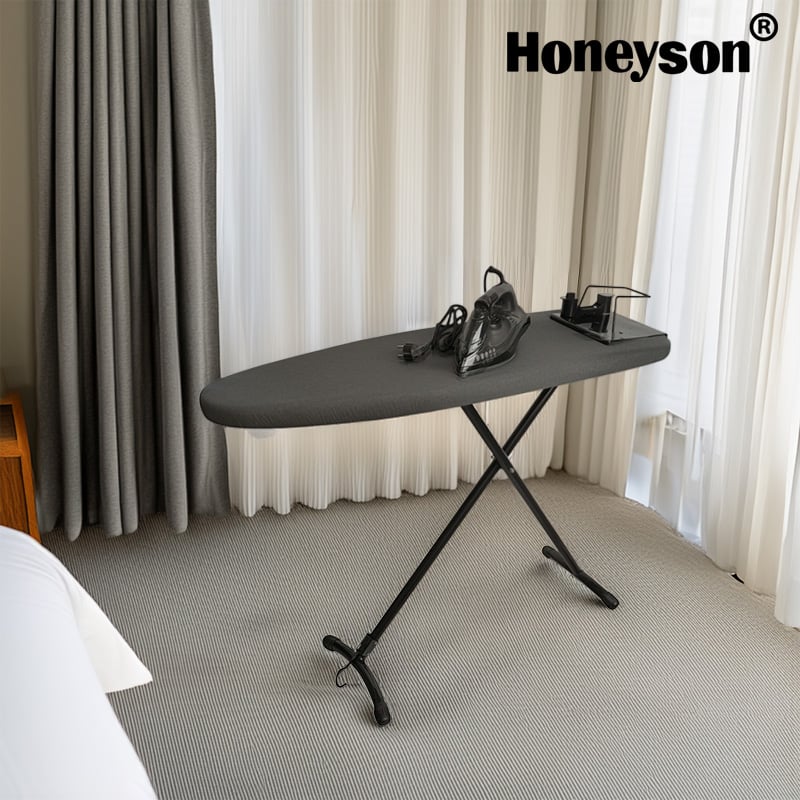
Selecting the best wall mounted ironing board requires more than visual inspection or price comparison. Industrial buyers, hospitality procurement teams, and facility managers must understand the critical mechanism tests that distinguish reliable equipment from substandard options. A wall mounted ironing board that fails under real-world conditions becomes a liability, disrupting operations and creating safety risks. This guide outlines the essential tests and inspections buyers should request from manufacturers and suppliers before committing to any purchase.
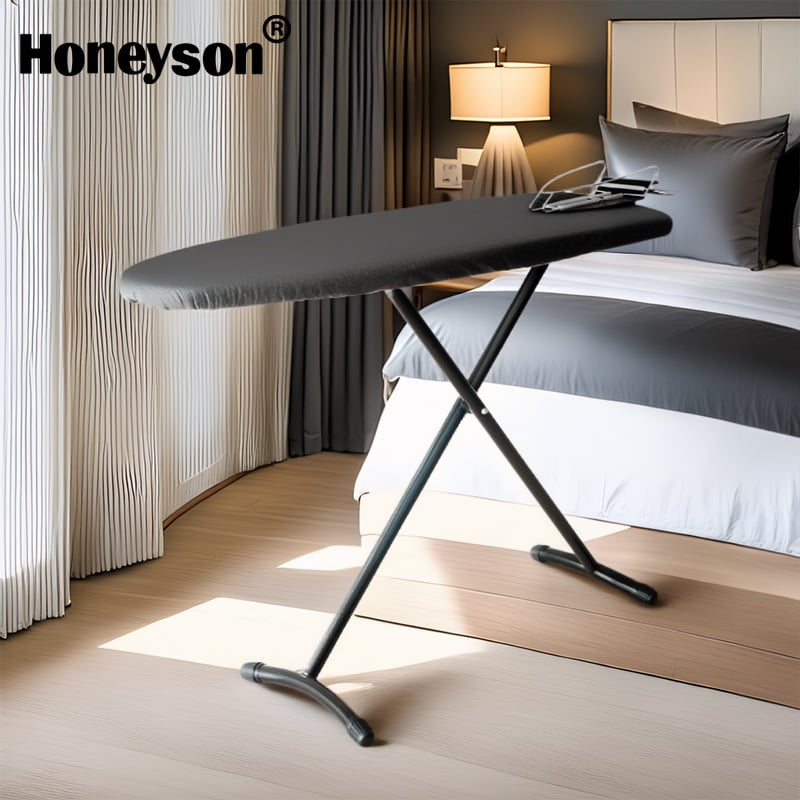
Whether you operate a hotel, laundry facility, or facility requiring integrated ironing solutions, the fold down ironing board mechanism must perform consistently under continuous use. OEM ironing board suppliers should provide documented evidence of durability testing, load capacity verification, and safety compliance. Understanding which tests matter helps buyers avoid costly mistakes and ensures the equipment meets operational demands over its entire service life.
Load Capacity and Stress Testing
Verifying Structural Integrity Under Use
The primary mechanism test any buyer should request involves load capacity verification. A hotel ironing board must support the weight of an iron, garment, and operator hand pressure simultaneously without warping, flexing excessively, or showing permanent deformation. Manufacturers should provide documented load testing results showing the board withstands at least 250 pounds of distributed weight without structural failure. This test typically involves applying measured weight gradually and assessing surface flatness, frame deflection, and fastener integrity before and after the load cycle.
Cycle Fatigue Testing
Beyond single-load verification, a fold down ironing board undergoes repeated expansion and collapse cycles throughout its operational life. Buyers should request fatigue testing data showing the board and its mounting system completing at least 10,000 full cycles without mechanical degradation, rust, or loosening fasteners. This test simulates months or years of typical hotel or laundry facility use. The testing report should document any visible wear, resistance changes during deployment, or performance decline. OEM ironing board makers who skip this test risk delivering equipment that fails prematurely, creating liability and warranty disputes.
Locking Mechanism and Safety Verification
Hold-Fast and Engagement Testing
A wall mounted ironing board safety mechanism must lock positively in both deployed and stored positions. Buyers should verify that the locking hardware engages with zero play and cannot be disengaged accidentally by normal use, vibration, or moderate pulling force. Manufacturers should provide test results showing the deployed board sustains vertical force application without releasing, and the stored board remains secured against wall-mounted position shifts. This includes testing the latch lever, magnetic catches, or mechanical stops under various conditions including temperature extremes and moisture exposure typical in hotel environments.
Release Mechanism Consistency
Conversely, the fold down ironing board must release smoothly and safely when the operator intends to collapse it. Buyers should request testing proving the release button, lever, or handle functions reliably after 5,000 cycles with consistent activation force between 8 and 15 pounds of pressure. The mechanism should not require excessive force, which creates user frustration and injury risk, nor should it release with unintended contact. Hotel maintenance staff and housekeeping personnel must be able to operate the board intuitively without special training or strength requirements. OEM ironing board specifications should document these force requirements clearly.
Material Durability and Environmental Resistance
Corrosion and Moisture Testing
Ironing boards in hospitality environments face constant moisture, steam exposure, and occasional chemical cleaning agents. Buyers should request salt-spray testing results or equivalent corrosion resistance verification for all metal components, fasteners, and hinges. A wall mounted ironing board frame should undergo 500 hours of salt-spray testing without significant rust formation or finish degradation. The fold down ironing board cover material must resist repeated exposure to high-temperature steam and moisture without staining, shrinking, or losing its non-stick properties. OEM ironing board manufacturers should provide detailed material composition reports and testing certificates from accredited laboratories.
Surface and Cover Performance
The ironing surface itself demands rigorous testing to ensure consistent heat conductivity and iron glide performance. Buyers should request data proving the hotel ironing board cover maintains uniform smoothness, resists scorch marks, and remains dimensionally stable after 1,000 hours of high-temperature iron contact. Surface hardness tests should show the board resists denting from iron feet or small impacts typical in busy facilities. The cover fastening system must remain secure throughout the product's service life without fabric stretching, bubbling, or delamination from the underlying board structure.
Mounting System and Installation Verification
Wall Anchor and Structural Load Tests
A wall mounted ironing board is only as safe as its mounting system. Buyers should request test reports showing the mounting bracket assembly safely supports the board, iron, garment, and operator hand pressure without pulling away from the wall or showing stress cracks in the mounting hardware. Testing should include load application at various angles and directions, simulating real-world usage patterns. The fold down ironing board bracket must be rated for the specific wall type it will be installed into, whether drywall, concrete, or tile. Manufacturers should provide clear installation guides with torque specifications for fasteners and verification that fasteners remain tight after vibration and thermal cycling.
Deployment Smoothness and Height Consistency
When deployed, the wall mounted ironing board should reach the same height and angle repeatably, ensuring consistent work ergonomics and iron performance. Buyers should verify that spring tension, gas assist mechanisms, or mechanical stops maintain consistent board elevation across thousands of cycles. A hotel ironing board that drifts lower or higher over time creates user frustration and potential injury risk. Testing should document that board height remains within one-quarter inch of specification throughout the product's service life. OEM ironing board suppliers should provide calibration and adjustment procedures for field maintenance.
FAQ
What is the most critical test for a wall mounted ironing board?
Load capacity and fatigue testing combined reveal whether the mechanism will survive real-world use. A fold down ironing board that passes cycle testing but fails load testing, or vice versa, is unreliable. Buyers should demand both test results and comparative data showing how the product performs against industry standards. This combination of tests predicts long-term reliability better than any single metric.
Why do hotel ironing board buyers need corrosion test results?
Hospitality environments expose equipment to steam, moisture, and chemical cleaning agents that accelerate rust and material degradation. A wall mounted ironing board lacking documented corrosion resistance will show visible rust, fastener loosening, and mechanism stiffening within months. Salt-spray testing and similar protocols verify that the board resists these environmental challenges. Without this data, buyers risk purchasing equipment that deteriorates rapidly and requires expensive replacement or repair.
How often should OEM ironing board mechanisms be inspected in the field?
A fold down ironing board should be inspected monthly for fastener tightness, locking mechanism engagement, and surface condition. Hotels and facilities should document these inspections and perform more detailed maintenance quarterly, including lubrication of hinges and verification of mounting bracket integrity. Regular inspection extends equipment life and identifies developing issues before they cause safety problems or operational disruption.
