
 EN
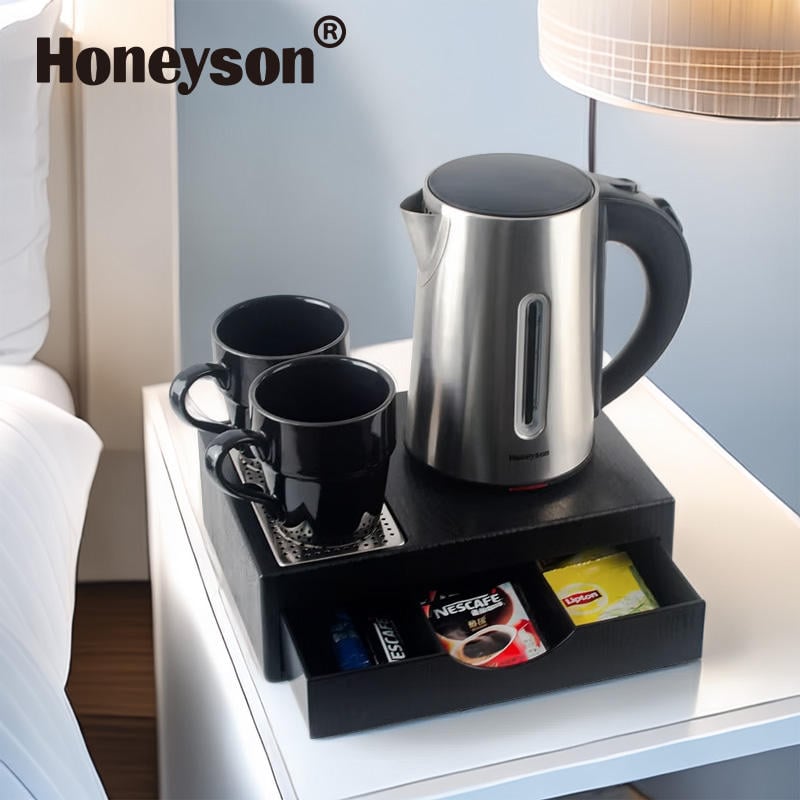
The durability of an electric kettle depends far more on engineering details than most consumers realize. While heating elements and safety features capture attention, the lid hinge and handle design represent the true battlefield where durability is won or lost. These components endure repeated thermal stress, mechanical wear, and user handling thousands of times over the product's lifetime. The quality of their design directly determines whether your kettle remains reliable or becomes a frustration within months.
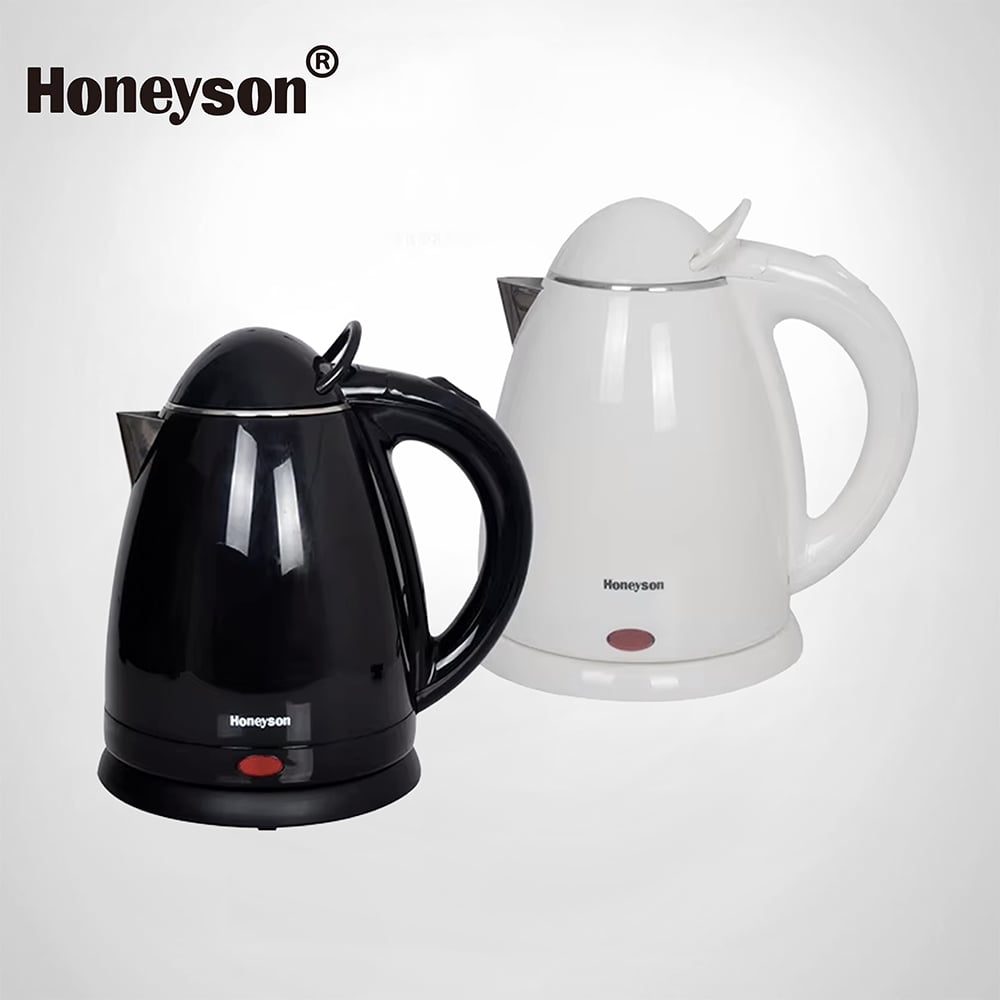
For hospitality operations and OEM electric kettle manufacturers, understanding these design fundamentals is not optional. A hotel electric kettle that fails frequently creates maintenance headaches and guest dissatisfaction. An OEM electric kettle with weak hinges generates warranty claims and damages brand reputation. This guide explores the engineering principles, material selection, and construction methods that transform a typical electric kettle into a durable workhorse capable of withstanding commercial-grade use.
Lid Hinge Design and Mechanical Longevity
Understanding Hinge Stress Points
The lid hinge experiences concentrated stress that most designers underestimate. Every time a user opens the electric kettle lid, the hinge must support the weight of the lid while rotating smoothly. This weight, combined with thermal cycling, creates fatigue that accumulates across thousands of cycles. In a hotel environment where an electric kettle may be opened and closed fifty times daily, hinge failure becomes statistically inevitable unless the design accounts for extreme use patterns.
A properly engineered hinge uses multiple stress-relief features. The pivot point must be reinforced with material that resists both bending and torsional forces. The hinge attachment to the kettle body requires a generous mounting surface rather than a narrow clip, distributing force across a wider area. Many budget electric kettle designs fail because they use thin plastic hinges mounted on insufficient material thickness. This shortcut saves cents in manufacturing but guarantees premature failure.
Material Selection for Hinge Components
Material choice makes or breaks hinge durability. Stainless steel hinges outperform plastic in every measurable way, though they increase cost. For a hotel electric kettle or OEM electric kettle intended for frequent use, stainless steel represents necessary rather than optional engineering. The metal resists thermal warping, maintains consistent strength across temperature ranges, and withstands repeated mechanical stress without the material degradation that affects plastic components.
Plastic hinges, when they must be used, require specific resin formulations designed for thermal and mechanical stress. Reinforced polycarbonate or engineering-grade nylon compounds offer better longevity than basic polypropylene. The hinge design must also include a tension mechanism that maintains smooth operation without looseness. A hinge that becomes loose and rattles signals imminent failure and degrades the user experience long before actual breakage occurs.
Handle Engineering for Safety and Durability
Ergonomic Design Meets Structural Integrity
The handle serves dual roles that sometimes create design conflicts. It must feel comfortable during normal pouring while supporting the full weight of water and the kettle body itself. This dual requirement means the handle cannot be overly rigid or it becomes uncomfortable; nor can it be excessively flexible or it feels unsafe. An auto shut-off kettle compounds this challenge because the handle may be gripped forcefully when the user expects steam and sudden shutoff occurs.
Superior electric kettle handle design uses a reinforced hollow structure rather than solid material. This approach provides strength where needed, around the pivot points and stress zones, while keeping overall weight reasonable. The handle attachment must penetrate deeply into the kettle body, ideally with fastening points that distribute force rather than concentrate it. In a hotel electric kettle that sees dozens of daily uses, this structural integration means the difference between handles that crack or loosen versus those that remain solid for years.
Thermal Resistance and Cool-Touch Performance
An electric kettle handle must remain cool during boiling, a requirement that drives specific material and design choices. The handle cannot conduct heat efficiently from the kettle body to the user's hand. This thermal barrier typically consists of insulating material layers or air gaps within the handle structure. An auto shut-off kettle with proper cool-touch handle design maintains this insulation even during extended heating cycles, preventing discomfort or accidental burns.
Material selection for cool-touch handles emphasizes thermal insulation alongside mechanical strength. Silicone rubber coatings combined with plastic or stainless steel substrates create handles that remain safe while providing grip security. For an OEM electric kettle manufacturer supplying commercial kitchens or hospitality venues, the cool-touch requirement is non-negotiable. Regulatory standards and liability concerns demand that handles never reach temperatures that could cause hand injuries during normal operation.
Manufacturing Precision and Quality Control
Injection Molding Standards for Plastic Components
Most electric kettle lids and handles involve injection-molded plastic components, a process where precision directly determines durability. The mold cavity must be engineered to create wall thicknesses that remain consistent throughout the component. Thin spots become stress concentration points that crack under thermal cycling. An OEM electric kettle made with attention to molding consistency delivers reliability, while one produced with cost-cutting shortcuts develops microcracks that propagate into failure.
Gate placement, cooling time, and material temperature all influence final component quality. The injection molding process for a hotel electric kettle intended for heavy use requires slower cooling cycles and precise temperature control. Rushing this process saves time but introduces internal stresses that compromise durability. Quality manufacturers invest in process documentation and testing protocols that verify wall thickness and material density across each component batch.
Assembly and Fastening Methods
How lid hinges and handles attach to the kettle body matters as much as their individual design. Ultrasonic welding, mechanical fasteners, and adhesive bonding each offer different advantages and failure modes. For a durability-focused electric kettle, ultrasonic welding creates permanent joints that resist loosening better than mechanical fasteners. However, this method requires skilled execution and proper equipment tuning. An auto shut-off kettle assembly process must guarantee that thermal expansion and contraction cycles do not gradually loosen any critical joints.
Mechanical fasteners such as rivets provide an alternative approach, particularly when handle or hinge replacement may be needed for maintenance. The fastening point size and spacing must distribute load appropriately rather than creating isolated stress points. Testing protocols should include thermal cycling, mechanical stress testing, and accelerated wear simulation to verify that assemblies remain intact under conditions that exceed typical use scenarios.
FAQ
Why do some electric kettle hinges fail within months while others last years?
Hinge durability depends on material quality, design stress distribution, and attachment method rather than the heating system itself. A stainless steel hinge mounted across a generous material area with proper reinforcement will outlast a thin plastic hinge by many years. The number of open-close cycles also matters significantly. A hotel electric kettle experiencing fifty cycles daily will reveal hinge weaknesses much faster than a home electric kettle used five times daily. Additionally, thermal cycling stress accumulates over time, and hinges that lack proper stress relief gradually develop fatigue cracks until failure occurs.
How can I identify a durable electric kettle by examining its handle design?
Examine the handle attachment point where it meets the kettle body. A durable design features wide, reinforced attachment zones rather than narrow connection points. The handle should feel solid with minimal flex when gripped firmly. Test the cool-touch characteristic by checking if the handle uses multilayer insulation or visible air gaps. An auto shut-off kettle with a well-designed handle will show professional finish without loose components or visible manufacturing defects. Stainless steel accents on the handle attachment indicate investment in durability, while thin plastic covers or visible fasteners suggest cost-cutting approaches.
What should OEM electric kettle manufacturers prioritize when designing lids and handles?
Manufacturers must prioritize stress analysis during design, identifying potential failure points and engineering reinforcement before production. Material selection should favor components tested for the specific use environment, whether that is hotel, commercial kitchen, or home use. Quality control testing must include thermal cycling, mechanical stress simulation, and accelerated wear testing to validate that designs meet durability targets. For an OEM electric kettle, investing in superior hinge and handle engineering reduces warranty costs, improves customer satisfaction, and builds brand reputation far beyond what basic cost-cutting approaches can achieve.
