
 EN
EN
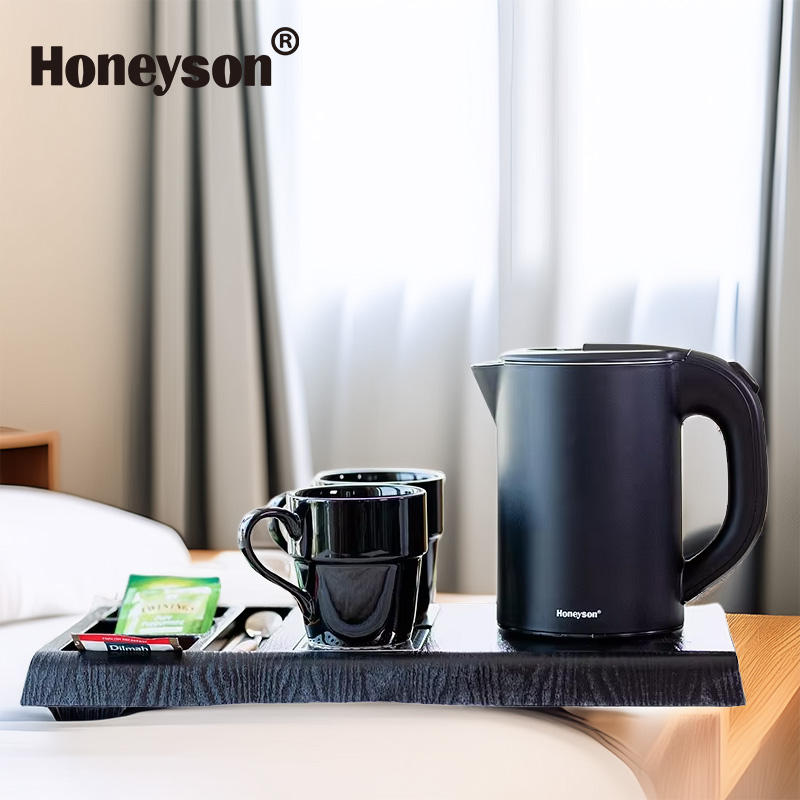
In the evolving world of hospitality design, every object placed inside a guest room carries aesthetic weight. From the texture of linen throws to the grain of wooden side tables, today's boutique hotels and nature-inspired retreats are curating spaces where even the smallest appliance must feel intentional. The electric kettle — once a purely functional item — has emerged as a meaningful design element when selected with wabi-sabi principles in mind. Stainless steel finishes, understated silhouettes, and honest material expressions are making modern hotel kettles surprisingly compatible with organic, natural room aesthetics.
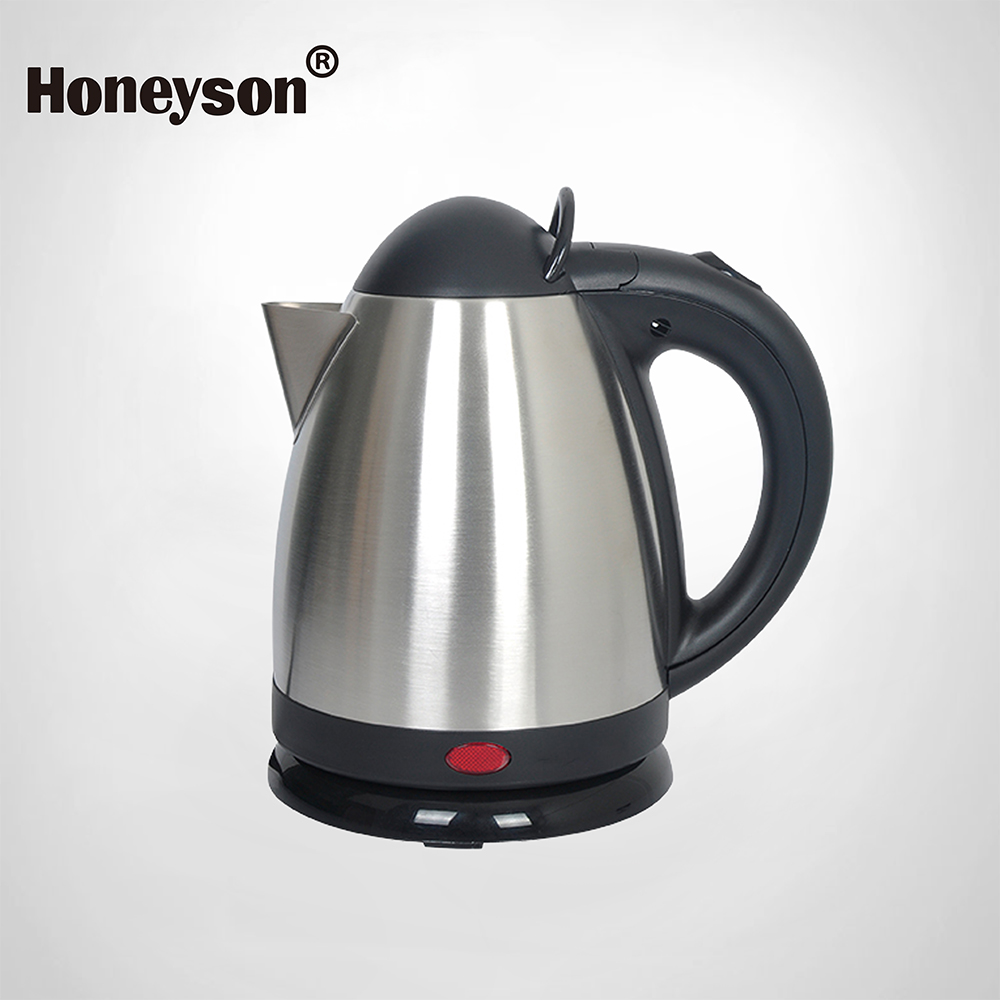
Wabi-sabi, rooted in Japanese philosophy, embraces imperfection, naturalness, and quiet elegance. It values the beauty found in simplicity — surfaces that show material honesty, forms that do not compete for attention, and objects that feel as though they belong to the space rather than sitting on top of it. When a stainless steel electric kettle is designed with these values in mind, it stops being a visual interruption in a carefully composed room and instead becomes part of the room's story. This article explores how hotel operators and interior designers can choose and use stainless steel electric kettles that genuinely harmonize with wabi-sabi and nature-inspired guest room environments.
Understanding Wabi-Sabi as a Design Framework for Guest Room Appliances
The Core Philosophy Behind Wabi-Sabi Interiors
Wabi-sabi is not a decorating style in the conventional sense — it is a philosophy that shapes how we perceive and value objects. In a wabi-sabi interior, nothing is chosen purely for visual impact. Every piece is chosen because it belongs, because it carries meaning through its material, texture, or form, and because it possesses an honest simplicity that feels grounded rather than performative. Guest rooms designed with this philosophy tend to feature earthy palettes, natural materials like stone, wood, and linen, and a deliberate absence of anything artificial or excessive.
Appliances have historically been the weak link in this kind of design. A shiny plastic electric kettle with bold branding and angular corporate styling will visually clash with a room of woven baskets, matte clay vessels, and warm timber flooring. However, when the electric kettle itself is crafted from brushed stainless steel, with clean geometry and no unnecessary ornamentation, it begins to read as a natural object rather than an industrial intrusion. The challenge for hotel designers is to identify which electric kettle products possess the qualities that align with this design language.
Material Honesty and the Role of Stainless Steel
One of the central values in wabi-sabi design is material honesty — the idea that an object should not disguise what it is made from. Stainless steel, when left in its brushed or matte form, carries a quiet confidence. It does not pretend to be something else. The surface texture of brushed 304-grade stainless steel has a tactile quality that resonates with wabi-sabi interiors, where guests are meant to feel the physicality of the objects around them. An electric kettle in this finish sits alongside stone coasters, ceramic mugs, and raw-edge wooden trays without creating visual dissonance.
The durability and hygiene properties of stainless steel also align with the wabi-sabi appreciation for things that are built to last and age with integrity. A stainless steel electric kettle does not look cheap after months of use. It develops a quiet patina of handling that, rather than diminishing its beauty, actually reinforces the wabi-sabi principle that use and time add meaning to an object. For hotel procurement managers, this means a stainless steel electric kettle represents both an aesthetic investment and a practical long-term asset.
Design Characteristics That Make a Kettle Wabi-Sabi Compatible
Silhouette Simplicity and Proportional Restraint
The silhouette of an electric kettle says everything about its design intentions. In wabi-sabi compatible design, the form should feel neither aggressive nor decorative. It should have a natural, almost inevitable shape — a body that tapers gently, a spout that flows rather than protrudes sharply, and a handle that fits the human hand without theatrical styling. When an electric kettle achieves this kind of proportional restraint, it becomes a background object in the best possible sense — present, functional, beautiful, but never demanding attention.
Many high-quality hotel electric kettles with a compact 0.8L capacity strike exactly this balance. The reduced volume means a smaller footprint on the guest room tray or counter, which suits the wabi-sabi principle of not overcrowding a surface. A compact electric kettle allows other natural elements — a branch of dried botanicals, a ceramic tray, a small stone dish — to breathe around it, contributing to the composed yet effortless atmosphere that wabi-sabi rooms are known for.
Finish, Color, and Surface Texture Alignment
Wabi-sabi palettes are drawn from nature — warm greys, creamy whites, earthy browns, the silver-green of aged wood, and the cool blue-grey of river stone. A brushed stainless steel electric kettle sits naturally within this palette because its tone is neutral without being cold, and its texture is tactile without being rough. Unlike polished chrome, which can feel sterile and corporate, brushed stainless steel absorbs and reflects light in a more organic, diffused manner, giving the electric kettle a softer presence in the room.
Hotel designers working with wabi-sabi rooms often select stainless steel electric kettles specifically because they avoid the visual 'loudness' of colored plastics or polished metals. The muted, honest quality of the surface texture allows the electric kettle to recede into the room's composition rather than stand out from it. This is particularly important in rooms where the design intention is for guests to feel surrounded by nature, not by technology or consumer products.
Functional Excellence as an Inseparable Wabi-Sabi Value
Why Functionality and Aesthetics Are Not Separate in Wabi-Sabi Thinking
A common misunderstanding of wabi-sabi in commercial contexts is treating it purely as a visual style. In reality, wabi-sabi deeply values purposefulness — the idea that an object should do its job excellently and without pretense. An electric kettle that looks beautiful on a wooden tray but boils slowly, leaks, or fails to maintain safe temperatures contradicts wabi-sabi principles just as much as a garish plastic model would. For hotels, this means selecting an electric kettle that delivers genuine performance reliability alongside its aesthetic qualities.
Stainless steel hotel electric kettles designed for the hospitality sector typically include rapid boiling elements, auto shut-off features, and concealed heating elements for ease of cleaning. These functional qualities serve guests practically, and they also maintain the visual cleanliness of the electric kettle interior — an important consideration for a design philosophy that values cleanliness and quietude. When a guest lifts the electric kettle and it feels solid, heats efficiently, and pours cleanly, the interaction reinforces the room's sense of quality and calm.
Guest Experience as the Measure of Wabi-Sabi Success
In hospitality design, the electric kettle is one of the most frequently touched objects in a guest room. Guests reach for it within minutes of arriving, and they interact with it multiple times during their stay. The tactile experience of picking up a stainless steel electric kettle — its weight, the smooth curve of the handle, the quiet click of the lid — contributes to the cumulative sensory impression of the room. A well-chosen electric kettle creates a small but genuine moment of pleasure, which is precisely what wabi-sabi design intends for every object in a space.
For hotel operators pursuing nature-inspired or wellness positioning, the electric kettle should feel like a natural extension of the room's promise. When guests arrive in a room with stone walls, linen curtains, and timber flooring, and they reach for a beautifully proportioned stainless steel electric kettle sitting on a handcrafted wooden tray, the room's identity remains coherent and the experience feels complete. That coherence is not accidental — it is the result of thoughtful procurement decisions that treat every object, including the electric kettle, as part of a designed experience.
Practical Guidance for Selecting a Wabi-Sabi Compatible Hotel Kettle
Key Criteria for Hotel Procurement Teams
When sourcing an electric kettle for a wabi-sabi or nature-inspired room concept, procurement teams should evaluate products against a clear set of criteria that bridges aesthetics and performance. The most important visual factors are: brushed or matte stainless steel finish without decorative branding on visible surfaces, a silhouette that is proportionate and geometrically simple, and a handle design that feels ergonomically resolved rather than stylistically conceived. The most important performance factors are: food-safe interior materials such as 304-grade stainless steel, an efficient concealed heating element, rapid boiling time, and reliable auto shut-off safety features.
The capacity of the electric kettle also matters from a wabi-sabi design perspective. Smaller capacities — around 0.8 litres — suit boutique hotel rooms and suite settings where the room is not designed to accommodate large appliances. A compact electric kettle takes up less visual real estate on the guest amenity tray, which keeps the surface composition clean and uncluttered. In wabi-sabi design, restraint in object quantity and scale is as important as the quality of individual pieces.
Compatibility with Natural Room Material Palettes
Stainless steel electric kettles pair particularly well with natural materials commonly used in wabi-sabi and biophilic hotel room designs. Against untreated or lightly oiled timber surfaces, the brushed steel finish provides a quiet contrast that feels composed rather than jarring. On stone countertops or ceramic tile surfaces, the neutral tone of the stainless steel electric kettle creates continuity without becoming invisible. Paired with handmade ceramics, woven textiles, and dried botanical arrangements, the electric kettle completes a material story that centers on natural processes and honest craftsmanship.
Hotel interior designers often advise placing the electric kettle on a dedicated natural material tray or platform — a piece of reclaimed timber, a slate tile, or a woven bamboo mat — which provides a framing element that reinforces its belonging in the space. This simple staging technique elevates the electric kettle from a utility item to a considered component of the room's composition, without requiring any modification to the kettle itself. The key is selecting an electric kettle whose design is neutral and resolved enough to accept this kind of contextual styling without resistance.
FAQ
What makes a stainless steel electric kettle suitable for wabi-sabi hotel room design?
A stainless steel electric kettle is well-suited to wabi-sabi hotel room design when it features a brushed or matte finish rather than a high-gloss surface, a proportionate and geometrically simple silhouette, and no prominent decorative branding on its body. These characteristics allow the electric kettle to integrate naturally with earthy palettes, natural textures, and organic material combinations typical of wabi-sabi interiors. Functional qualities such as a food-safe 304 stainless steel interior and efficient boiling performance are equally important, as wabi-sabi values purposeful objects that perform their role excellently.
Why is the capacity of a hotel electric kettle relevant to room design aesthetics?
Capacity affects the physical scale of the electric kettle on the guest room amenity surface. Smaller-capacity electric kettles, such as those around 0.8 litres, have a reduced footprint that allows other natural design elements — ceramics, botanical arrangements, textured trays — to coexist without crowding. In wabi-sabi and minimalist room designs, surface composition and negative space are important design elements, and a compact electric kettle supports a cleaner, more restrained arrangement. Choosing a smaller, well-proportioned electric kettle is therefore both a functional and aesthetic decision for hotel design teams.
How does brushed stainless steel differ visually from polished steel or chrome in a natural room context?
Brushed stainless steel diffuses light across its surface in a softer, more directional way compared to polished steel or chrome, which reflect light sharply and create high-contrast glare. In a wabi-sabi or nature-inspired room, harsh reflective surfaces feel visually disruptive because they introduce an industrial sharpness that conflicts with the organic softness of natural materials. Brushed stainless steel, by contrast, has a quieter visual presence that harmonizes with stone, timber, linen, and ceramic surfaces. This makes it a more appropriate finish choice for an electric kettle intended for use in nature-inspired hospitality environments.
Can an electric kettle genuinely contribute to a hotel room's design identity, or is it purely functional?
An electric kettle genuinely contributes to a hotel room's design identity when it is selected with the same care as other design elements. Because the electric kettle is one of the most physically handled objects in a guest room, it shapes the tactile and visual experience of the space in ways that less-touched objects do not. A well-chosen stainless steel electric kettle that aligns with the room's material palette and proportion logic reinforces the coherence of the design concept and communicates to guests that the room's curation was intentional and complete. In wabi-sabi design specifically, the electric kettle's material honesty, functional quality, and proportional restraint all contribute meaningfully to the room's overall sense of calm and integrity.
Table of Contents
- Understanding Wabi-Sabi as a Design Framework for Guest Room Appliances
- Design Characteristics That Make a Kettle Wabi-Sabi Compatible
- Functional Excellence as an Inseparable Wabi-Sabi Value
- Practical Guidance for Selecting a Wabi-Sabi Compatible Hotel Kettle
-
FAQ
- What makes a stainless steel electric kettle suitable for wabi-sabi hotel room design?
- Why is the capacity of a hotel electric kettle relevant to room design aesthetics?
- How does brushed stainless steel differ visually from polished steel or chrome in a natural room context?
- Can an electric kettle genuinely contribute to a hotel room's design identity, or is it purely functional?