
 EN
EN
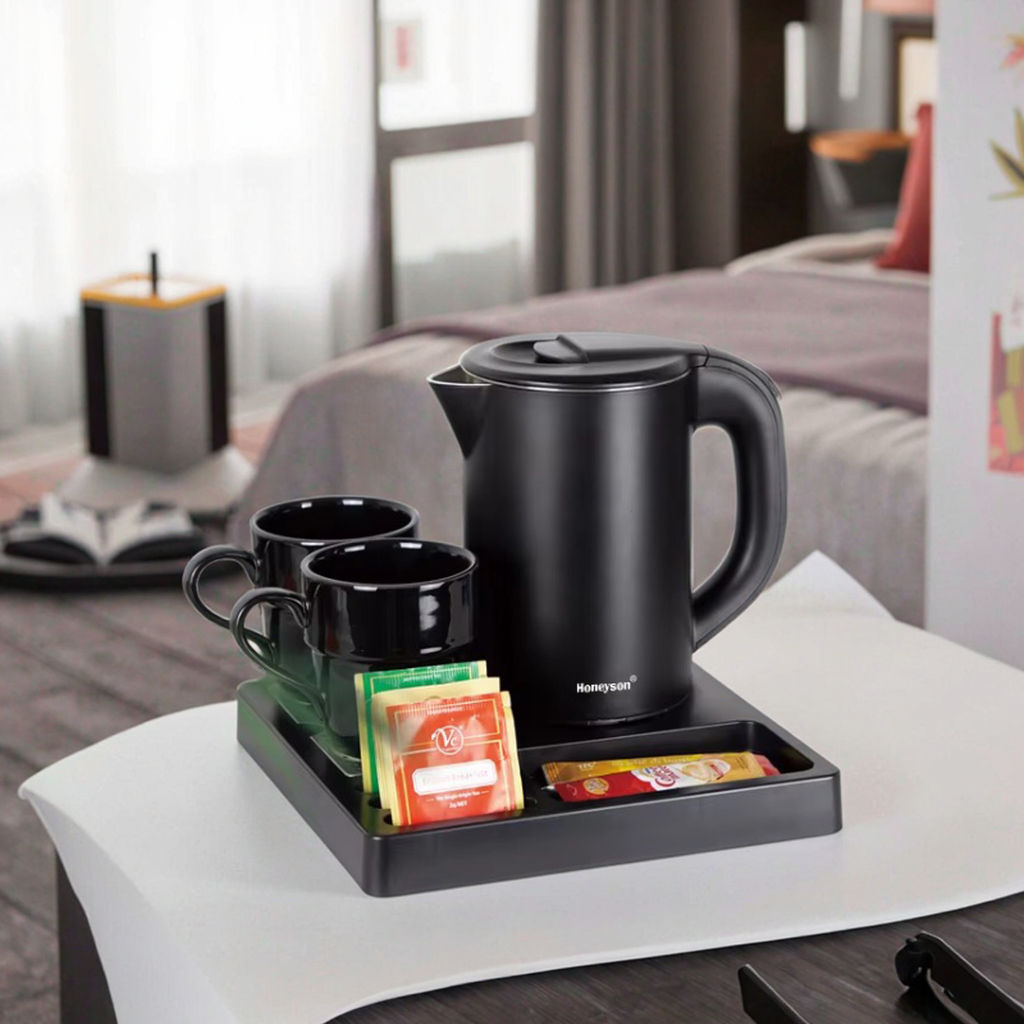
In a high-traffic hotel environment, every piece of in-room equipment is put through its paces day after day, guest after guest. The electric kettle is one of the most frequently used appliances in any hotel guestroom, and selecting the right one is far from a trivial decision. When dozens or even hundreds of rooms need a reliable, safe, and long-lasting solution, the engineering behind each unit matters enormously.
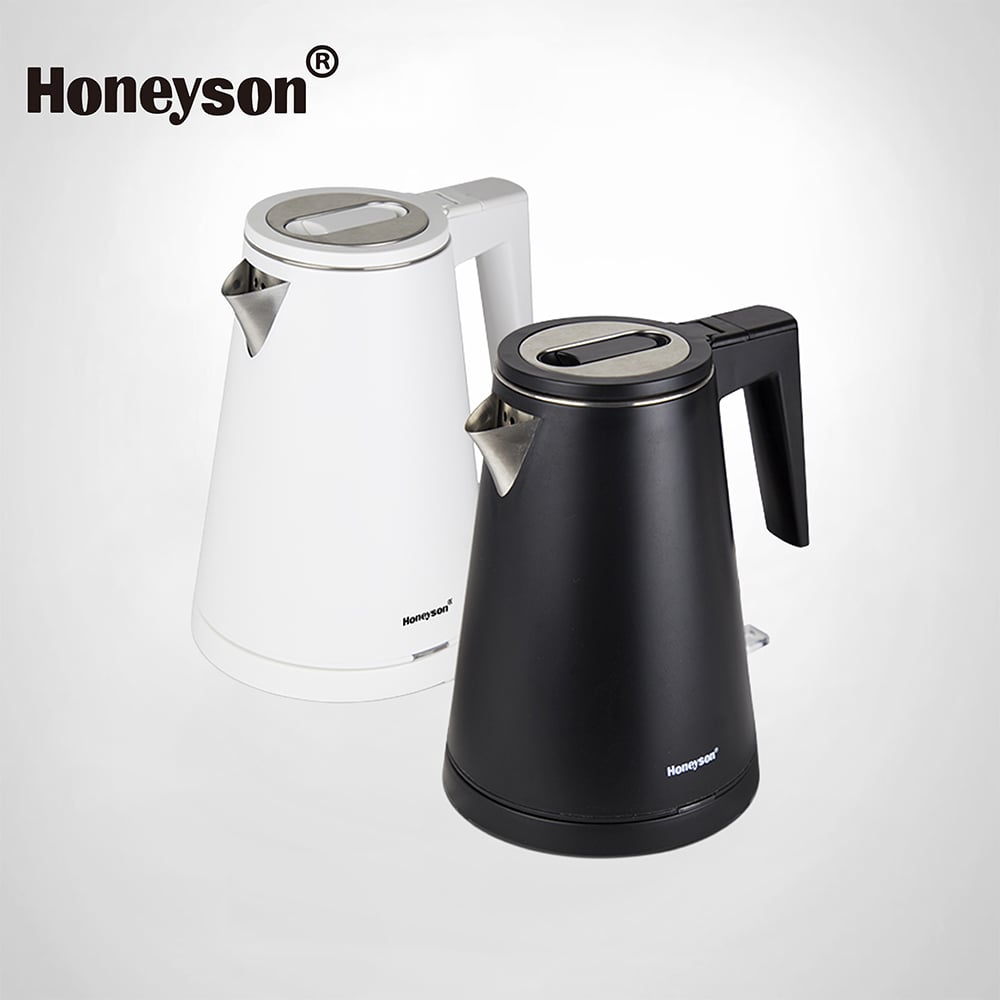
The double-wall electric kettle has emerged as the gold standard for hotel procurement teams seeking to balance guest safety with operational durability. Unlike single-wall designs, these units keep the outer surface cool to the touch even while the water inside reaches boiling point — a feature that dramatically reduces the risk of accidental burns and liability concerns for hospitality properties. This article explores why the double-wall electric kettle is the preferred choice for high-traffic hotel rooms, examining its safety architecture, durability profile, and long-term value for hoteliers.
The Safety Case for Double-Wall Design in Hotel Rooms
Cool-Touch Exterior and Burn Prevention
One of the most significant safety advantages of a double-wall electric kettle is its cool-touch exterior. The dual-layer construction creates an insulating air gap between the inner water chamber and the outer shell, preventing heat from transferring to the surface that guests will handle. This is especially critical in hotel environments where guests of all ages, including elderly travelers and families with children, interact with in-room appliances without prior safety training or instruction.
Traditional single-wall electric kettle designs can reach surface temperatures that cause burns in under three seconds of contact. In a busy hotel room where a guest might reach for the kettle without looking, this represents a real and serious hazard. The cool-touch design virtually eliminates this risk, contributing to a safer overall room environment and reducing the potential for guest injury claims.
For hotel operators managing risk exposure across hundreds of rooms, deploying a cool-touch electric kettle is a straightforward, cost-effective step toward a safer property. The liability implications alone make this engineering feature worth the marginal cost premium over standard designs.
Automatic Shut-Off and Boil-Dry Protection
Beyond the double-wall exterior, a well-specified hotel electric kettle should include automatic shut-off functionality and boil-dry protection. These features work in tandem to prevent two of the most common causes of kettle-related incidents in hotel rooms: the kettle being left on after boiling and the kettle being switched on without water inside.
Automatic shut-off ensures that the electric kettle powers down immediately once the water reaches boiling temperature, preventing the unit from overheating and reducing energy waste. Boil-dry protection adds a secondary layer of safety by detecting the absence of water and cutting the power supply before the heating element can be damaged or present a fire hazard.
These safety mechanisms are not just engineering conveniences — they are essential specifications for any electric kettle intended for unsupervised use in hotel guestrooms. Housekeeping staff cannot monitor every room at every moment, so the appliance itself must be designed to manage these risks autonomously.
Durability Engineering for High-Volume Use
Material Selection and Build Quality
A hotel electric kettle faces a very different use profile compared to a residential unit. In a high-traffic property, a single kettle may be used multiple times per day across hundreds of guest cycles per year. This level of use demands materials and construction standards that far exceed what typical consumer-grade kettles are designed to handle.
High-quality hotel-grade electric kettle units are typically constructed with food-safe, BPA-free inner chambers, often made from stainless steel or food-grade polypropylene. The heating element should be a concealed stainless steel plate rather than an exposed coil, as concealed elements are easier to clean, less prone to limescale buildup, and more resistant to the mechanical stress of daily use.
The outer shell of a double-wall electric kettle in a hotel context is usually manufactured from impact-resistant plastic or stainless steel, both chosen for their ability to withstand the inevitable bumps, drops, and rough handling that occur in a busy hospitality environment. The quality of hinges, lids, and spout design also contributes meaningfully to long-term reliability.
Limescale Resistance and Maintenance Considerations
In hotels located in regions with hard water, limescale buildup is one of the most common causes of premature electric kettle failure. Scale deposits on the heating element reduce thermal efficiency, increase power consumption, and ultimately shorten the operational lifespan of the unit. For procurement managers responsible for fleet-wide appliance maintenance, this translates directly into higher replacement costs and more frequent housekeeping interventions.
A well-designed hotel electric kettle mitigates this challenge through concealed flat-plate heating elements, which accumulate scale more slowly and are easier to descale compared to traditional coil-style elements. Some units also incorporate mesh filters at the spout to prevent loose scale particles from entering the guest's beverage — an important quality-of-experience detail that reflects positively on the property.
Establishing a regular descaling schedule as part of room maintenance protocols ensures that each electric kettle in the property continues to operate efficiently and safely. Hotels that proactively manage limescale maintenance typically see significantly longer appliance lifespans and fewer mid-stay equipment failures reported by guests.
Guest Experience and Perception of Quality
Aesthetic Alignment with Room Design
The electric kettle is one of the few appliances in a hotel room that sits prominently on a surface and contributes directly to the visual impression of the space. Guests notice in-room amenities, and a sleek, well-proportioned kettle communicates attention to detail and a commitment to quality. Double-wall models are often designed with a clean, modern aesthetic — smooth exterior surfaces, minimalist controls, and elegant proportions — that complements contemporary hotel room interiors.
Color and finish options matter in this context. Many hotel procurement teams specify kettles in neutral tones or classic finishes such as black or white to ensure the unit integrates seamlessly with bedside consoles, tea trays, and other in-room accessories. The electric kettle should feel like a deliberate design choice rather than an afterthought.
When guests observe that even small-format appliances like the electric kettle have been selected with care, it reinforces the overall brand perception of the property. This is especially true in mid-scale and upscale hotel segments where differentiation is increasingly driven by the sum of small experiential details.
Quiet Operation and Noise Considerations
Noise is an underappreciated factor in hotel room appliance selection. A loud or rattling electric kettle can disturb a traveling companion still asleep in the room or create an impression of low build quality. Double-wall construction contributes to quieter operation by dampening the resonance of boiling water against the outer shell — an acoustic benefit that is rarely marketed but frequently noticed by guests.
The lid mechanism, handle attachment, and base connectivity should all be evaluated for noise during routine use. A high-quality hotel electric kettle should operate smoothly and quietly from the moment it is switched on to the moment it shuts off, without rattling, vibrating excessively, or producing a harsh click when placed on its base.
These sensory details may seem minor, but in a hotel room where guests are often tired and sensitive to disruption, quiet and smooth operation is a genuine competitive advantage. It is another area where investing in a higher-specification electric kettle pays dividends beyond simple functionality.
Procurement Logic for Hotel Operations Teams
Total Cost of Ownership vs. Unit Price
Hotel procurement teams are often under pressure to minimize per-unit costs when equipping guestrooms at scale. However, evaluating an electric kettle purely on purchase price misses the full picture. The total cost of ownership — which includes maintenance, replacement frequency, energy consumption, and liability exposure — consistently favors higher-quality double-wall units over entry-level alternatives.
A cheaper electric kettle that requires replacement every 18 months across a 200-room property generates substantial ongoing procurement, logistics, and labor costs that quickly exceed the price difference. A durable, well-engineered unit rated for significantly higher use cycles and backed by manufacturer support represents a far more economical long-term investment, even if its initial price point is higher.
When calculating total cost of ownership, procurement teams should also factor in the reputational cost of appliance failures. A guest who discovers a broken or malfunctioning electric kettle in their room is more likely to mention it in an online review, and accumulated negative feedback about in-room amenities can affect booking decisions at scale. Investing in quality upfront is a form of brand protection.
Standardization and Fleet Management
For hotel groups managing multiple properties or large single-site inventories, standardizing on a single electric kettle model offers significant operational advantages. A uniform model means that replacement units are always compatible with existing power bases, that housekeeping staff are familiar with the product, and that bulk purchasing delivers better pricing from suppliers.
Double-wall electric kettle models designed for the hospitality market are often available in property-scale volumes with dedicated commercial terms. This makes standardization not only operationally practical but commercially attractive. Procurement teams should evaluate whether a chosen electric kettle is available through reliable commercial channels at volumes consistent with their property portfolio.
Standardization also simplifies the maintenance and tracking process. When every room uses the same electric kettle model, housekeeping supervisors can establish clear replacement criteria, maintain accurate inventory counts, and schedule descaling cycles uniformly across the floor plan. This operational clarity reduces waste and improves the overall reliability of the in-room amenity program.
FAQ
Why is a double-wall electric kettle better for hotel rooms than a single-wall design?
A double-wall electric kettle keeps the outer surface cool to the touch while boiling water inside, reducing the risk of guest burns significantly. In hotel environments where guests interact with appliances without supervision, this safety feature is essential. Single-wall designs transfer heat to the exterior surface, creating a burn hazard that double-wall construction effectively eliminates.
How often should a hotel electric kettle be descaled?
The recommended descaling frequency depends on local water hardness, but a general guideline for hotel use is every four to eight weeks. Properties in hard water regions may need to descale more frequently to prevent scale buildup on the heating element, which reduces efficiency and shortens the appliance's lifespan. Incorporating descaling into the standard room servicing schedule is the most reliable approach.
What capacity is appropriate for a hotel room electric kettle?
For standard hotel guestrooms, an electric kettle with a capacity of 0.8 to 1.0 liters is typically sufficient. This volume accommodates two cups of hot water per boil cycle, which aligns with the typical in-room tea or coffee preparation needs of one or two guests. Larger capacities are unnecessary for most hotel rooms and add weight and footprint without meaningful benefit.
What safety certifications should a hotel electric kettle have?
A hotel-grade electric kettle should carry relevant electrical safety certifications for the markets in which it will be used, such as CE certification for European markets or ETL and UL listings for North American deployments. These certifications confirm that the unit has been tested to established safety standards for electrical appliances, giving procurement teams and hotel operators confidence in the product's reliability and compliance profile.