
 EN
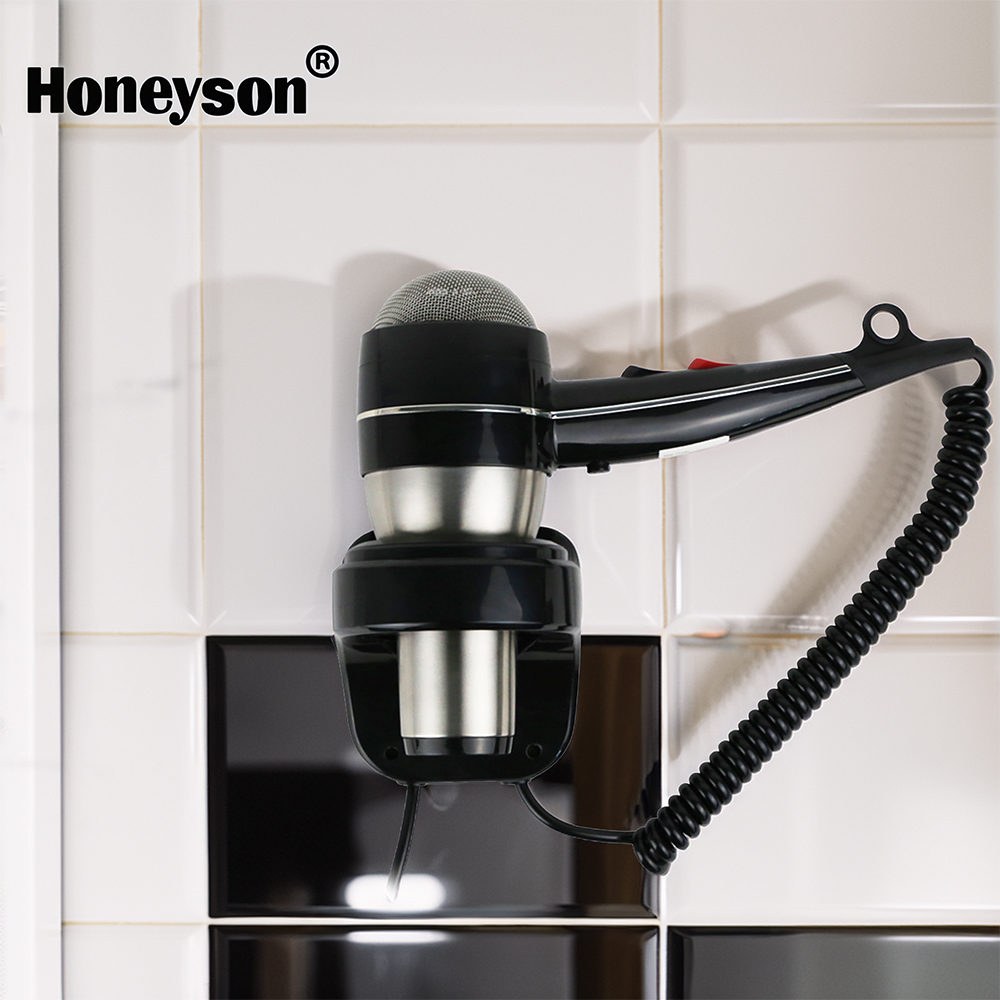
Managing international operations as one of the leading hotel supply distributors requires deep understanding of electrical standards that vary dramatically across regions. Voltage compatibility, plug specifications, and labeling requirements form the foundation of successful cross-border hotel trade. Without proper attention to these technical regulations, hotel supply distributors face costly mistakes, safety violations, and supply chain disruptions that can damage guest experiences and brand reputation.

Hotels operating across multiple countries depend heavily on reliable hotel supply vendors who understand these electrical nuances. When guest room supplies include OEM hotel appliances like hair dryers, kettles, or in-room entertainment systems, voltage mismatches can render products inoperable or create fire hazards. Hotel appliance distributors must navigate complex certification requirements, voltage standards, and plug compatibility issues to maintain inventory that works seamlessly across diverse markets.
Understanding Global Voltage Standards
Primary Voltage Systems Across Regions
The world operates primarily on two standard voltage systems: 110-120V and 220-240V. North America, parts of Central America, and Japan use 110-120V at 60 Hz frequency. Europe, Asia, Africa, Australia, and most other regions operate on 220-240V at 50 Hz frequency. Hotel appliance distributors must recognize that even minor voltage differences can damage sensitive electronics, and frequency mismatches may cause motors to malfunction or operate inefficiently.
Some countries maintain legacy systems or dual standards. For example, Brazil uses 127V and 220V depending on the region, while certain African nations employ mixed systems. Hotel supply distributors serving multinational chains must maintain separate inventory streams for different regions or invest in dual-voltage compatible equipment. OEM hotel appliances specifically engineered for dual-voltage operation represent a critical solution for reducing inventory complexity while maintaining guest room quality across international properties.
Frequency Considerations for Electric Appliances
Frequency differences between 50 Hz and 60 Hz significantly impact motor-driven guest room supplies and OEM hotel appliances. Standard electric motors designed for 60 Hz will run approximately 20% slower on 50 Hz systems, affecting appliance performance and guest satisfaction. Heating elements and induction-based devices also respond differently to frequency variations, potentially overheating or underperforming in incompatible environments.
Hotel supply distributors must verify that any motorized equipment—including hair dryers, ventilation fans, or minibar compressors—includes frequency-rated specifications. Equipment marked 'universal' or 'dual frequency' provides flexibility for international deployment. Hotels purchasing from hotel appliance distributors should request detailed frequency ratings and test results before deploying guest room supplies across borders.
Plug Types, Sockets, and Compatibility Solutions
Global Plug Standards and Physical Compatibility
Over 15 different plug types exist globally, each with unique physical designs and safety features. Type A and B plugs dominate North America; Type C and E plugs are standard in Europe; Type G plugs serve the United Kingdom; and Type I plugs are used in Australia and parts of Asia. Hotel supply distributors must stock compatible adapters, use multi-socket guest room supplies, or source OEM hotel appliances with interchangeable plug options to accommodate international travelers and ensure seamless operations across properties.
Physical compatibility alone does not guarantee safe operation. Plug types incorporate different grounding mechanisms, earth pin designs, and safety shutters that vary by region. Hotel appliance distributors working with guest room supplies must understand that inserting incompatible plugs into foreign sockets risks equipment damage, electrical fires, or personal injury. Certified adapter solutions from reputable manufacturers ensure safe current flow while protecting equipment and guests.
Grounding and Earthing Standards
Grounding standards differ across regions, affecting how hotel supply distributors design electrical safety systems. Some countries mandate three-pin grounding for all appliances; others allow two-pin configurations for lower-power guest room supplies. European standards typically require robust earth connections, while certain Asian markets maintain less stringent requirements. OEM hotel appliances must comply with local grounding codes, and hotel appliance distributors must verify certification status before deployment.
Improper grounding creates serious safety risks in hotel environments where guests, staff, and maintenance personnel interact with guest room supplies daily. Hotels working with hotel supply distributors should request grounding verification documents and ensure all OEM hotel appliances undergo local safety certification testing. This protects liability exposure and ensures regulatory compliance across international markets.
Labeling, Certification, and Regulatory Compliance
Mandatory Labeling Requirements Across Markets
Hotel supply distributors must ensure all guest room supplies carry accurate voltage, frequency, and wattage labels visible and legible in local languages. European regulations require CE marking on electrical equipment, signaling compliance with safety directives. North American products must display UL or CSA certification marks. China requires CCC certification for many appliance categories. Australia mandates AS/NZS compliance marks. OEM hotel appliances lacking proper certification marks face import restrictions, customs delays, and liability exposure for hotels using non-compliant equipment.
Hotel appliance distributors must maintain rigorous labeling documentation showing compliance with each target market's requirements. Labels must display operating voltage ranges, frequency specifications, power consumption, manufacturer information, and safety warnings. Multilingual labeling reduces guest confusion and supports staff training efforts. Hotels purchasing from hotel supply distributors should verify that all guest room supplies include clear, accurate, locally-compliant labeling before installation.
Safety Certifications and Testing Documentation
Legitimate hotel supply distributors provide comprehensive safety testing documentation for all OEM hotel appliances and guest room supplies. Each product should include test reports confirming voltage tolerance, insulation integrity, grounding effectiveness, and performance under operational conditions. Certification bodies like UL, CE, CSA, and regional equivalents conduct these tests and issue formal certificates that validate compliance with electrical safety standards.
Hotel appliance distributors operating internationally must obtain dual or multi-market certifications for products used across regions. A hair dryer certified only for North American markets cannot legally be sold in Europe without additional CE certification testing. Hotels integrating OEM hotel appliances across properties should request complete certification documentation from hotel supply distributors before purchase, ensuring regulatory compliance and protecting guest safety.
FAQ
What voltage standards apply to hotel appliances in Europe versus North America?
Europe operates on 220-240V at 50 Hz, while North America uses 110-120V at 60 Hz. Hotel supply distributors must source OEM hotel appliances specifically rated for each region, as voltage mismatches create fire hazards and equipment failure. Many hotel appliance distributors now offer dual-voltage guest room supplies compatible with both standards, simplifying international operations.
How do hotel supply distributors ensure plug compatibility across borders?
Hotel supply distributors address plug compatibility through three strategies: stocking certified universal adapters for guest rooms, sourcing OEM hotel appliances with multi-socket designs, or purchasing region-specific equipment and maintaining separate inventories. Guest room supplies equipped with interchangeable plug heads or universal voltage-and-plug-compatible systems reduce complexity while ensuring guest convenience and operational consistency.
Which certifications must OEM hotel appliances have for international markets?
Hotel appliance distributors must verify appropriate regional certifications for all guest room supplies: CE marking for Europe, UL or CSA for North America, CCC for China, and AS/NZS for Australia. OEM hotel appliances should include formal test reports confirming compliance with electrical safety standards in each target market. Hotels should request complete certification documentation from hotel supply distributors before deployment to ensure regulatory compliance and guest safety.
