
 EN
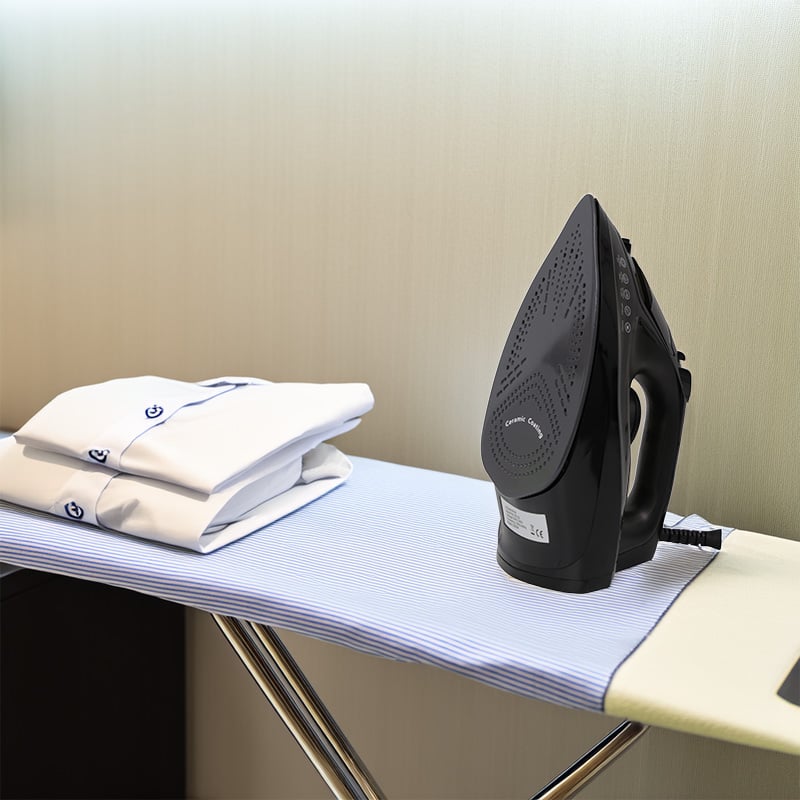
When hotel supply distributors evaluate new products for their catalogs, rigorous testing is not optional—it's fundamental to protecting brand reputation and customer satisfaction. Every appliance sample must undergo comprehensive assessment before gaining catalog approval. This process ensures that guest room supplies meet hospitality standards and deliver consistent performance across properties of varying sizes and guest demographics. Hotels depend on distributors to vet quality, durability, and safety, making the testing phase a critical business responsibility.
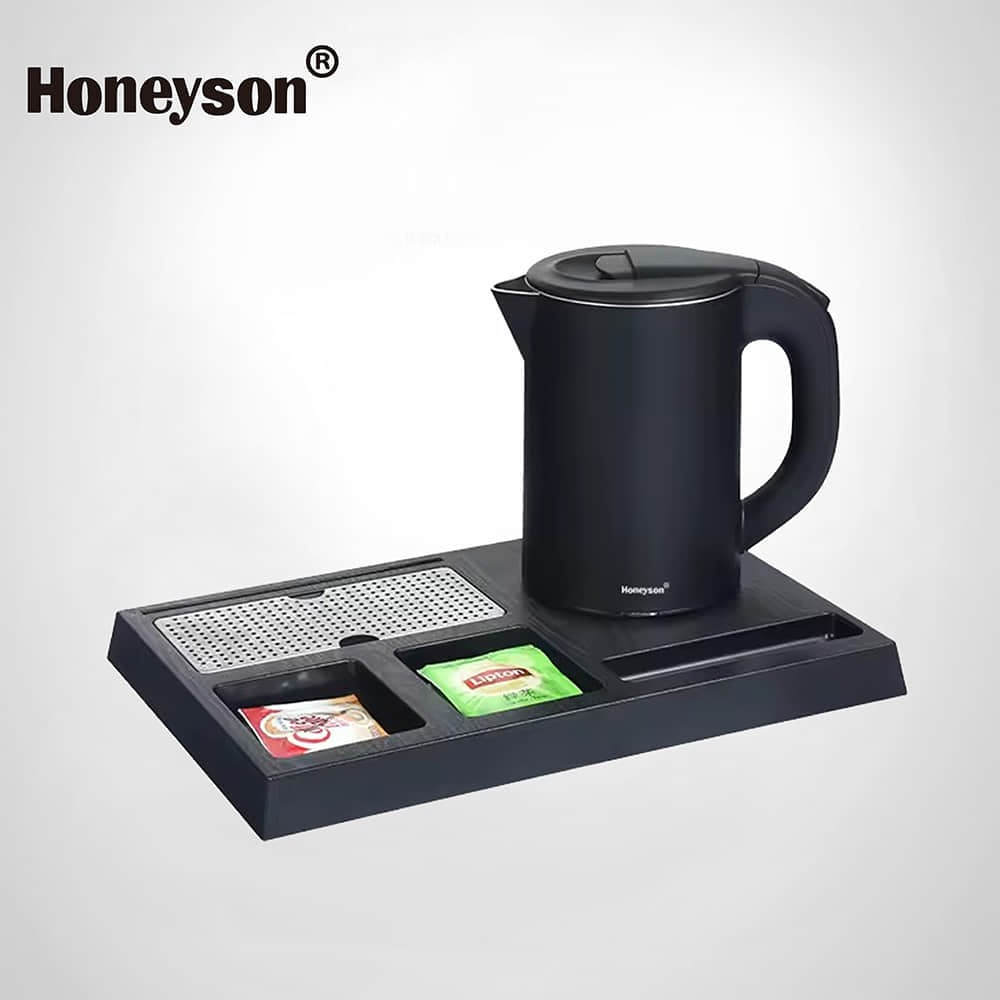
Hotel appliance distributor teams typically establish structured evaluation frameworks that combine functional testing, safety compliance review, and real-world performance simulation. The goal is to identify potential failures before products reach hotel properties, where failures create guest complaints, operational disruptions, and costly replacements. By testing OEM hotel appliances thoroughly before catalog inclusion, hotel supply can maintain high standards and build lasting partnerships with hospitality clients.
Establishing a Robust Testing Protocol
Creating Evaluation Criteria
The foundation of any effective testing program is a clear set of evaluation criteria tailored to your hotel supply catalog. These criteria must reflect the demands of hospitality environments, where appliances operate continuously and encounter heavy daily use. Consider factors such as durability under frequent cycling, heat distribution consistency, electrical safety compliance, and aesthetic appearance after extended use. Develop a scoring matrix that weights safety and performance attributes equally, ensuring no single failing component can pass the overall assessment.
Guest room supplies require different testing approaches based on appliance type. Kettles, coffee makers, and small heating devices need rigorous thermal safety testing, while larger units like refrigerators or microwaves demand energy efficiency and noise level evaluation. Your hotel appliance distributor team should customize criteria for each product category, documenting exact specifications and acceptable tolerance ranges before sample testing begins.
Designing Realistic Use Scenarios
OEM hotel appliances must withstand operational patterns that commercial hotels demand. A kettle rated for residential use may fail after five months in a hotel where guests use it twenty to forty times daily. Design testing scenarios that simulate actual hotel usage, accounting for frequency multipliers and environmental factors. Test samples across consecutive cycles without extended cooling periods, mirroring real guest behavior where multiple users operate devices in short succession.
Include edge-case scenarios such as overfilling, improper placement, accidental drops from typical heights, and exposure to humidity common in bathrooms. Hotel supply distributors who test under these conditions identify design weaknesses before products damage hotel brand reputation or create guest safety risks.
Conducting Safety and Performance Testing
Verifying Electrical and Thermal Safety
Safety testing is non-negotiable when evaluating guest room supplies for your catalog. Verify that all heating appliances meet applicable electrical standards and include proper thermal cutoff mechanisms. Test ground fault circuit interrupter compliance and insulation integrity under both dry and humid conditions. Examine cord durability, plug security, and heating element stability after extended operation cycles.
Record precise temperature readings during operation to ensure thermal output matches manufacturer claims. Hotel appliance distributor professionals should document whether surfaces reach unsafe temperatures that could burn guests or housekeeping staff. Confirm that protective guards, insulation materials, and warning labels meet hospitality industry expectations and local regulatory requirements.
Assessing Functional Reliability
Functional testing determines whether OEM hotel appliances deliver consistent performance across the extended lifespan expected in commercial settings. Operate each sample through hundreds of cycles, documenting performance decay and identifying failure points. Measure heating speed, cooling consistency, control responsiveness, and recovery time after heavy-use periods. Hotel supply must track any performance degradation that might shorten product life expectancy or require premature guest room supply replacements.
Perform durability assessments on mechanical components such as buttons, switches, seals, and hinges. These elements often fail first in commercial environments and determine product longevity. Test water-based appliances for leakage, mineral buildup resistance, and cleaning accessibility. Document whether products develop unpleasant odors, discoloration, or hygiene concerns that housekeeping staff might report after several weeks of use.
Building Quality Assurance Into Catalog Decisions
Establishing Documentation Requirements
Hotel appliance distributor teams must maintain detailed testing records for every sample evaluated and every product added to the catalog. Comprehensive documentation creates accountability and provides evidence of due diligence if product failures occur later. Record all test conditions, measurement data, observed failures, and repair or replacement outcomes. Include photographic evidence of any damage, discoloration, or functional degradation during the testing period.
Develop a testing report template that hotel supply staff completes for each appliance batch. The template should capture sample manufacturer, model number, batch date, tester name, testing duration, performance metrics, safety assessment results, and a pass-or-fail determination with justification. This standardization ensures consistency across your guest room supplies evaluation process and helps newer team members understand quality expectations.
Making Final Catalog Inclusion Decisions
After testing concludes, hotel supply distributors must make a binary decision: approve for catalog inclusion or require redesign or reject the product. Establish clear decision rules that specify which test failures are disqualifying versus which might be addressable through supplier communication or product modification. Never add appliances to your catalog if they show safety concerns, regardless of other favorable attributes. An unsafe guest room supply creates liability risks that far outweigh sales opportunity.
Communicate testing findings transparently to OEM hotel appliance suppliers. If products fail certain criteria, explain specific performance gaps and give manufacturers the opportunity to supply improved samples or address design issues. This collaborative approach can result in better products while strengthening supplier relationships. Hotel appliance distributor teams that consistently provide actionable feedback build stronger partnerships and access to improved offerings.
FAQ
How long should hotel appliance samples be tested before catalog approval?
Testing duration depends on appliance type and expected usage patterns. Small hotel supply items like kettles should typically run through at least 200-300 operational cycles, which might take two to four weeks with intensive testing protocols. Larger OEM hotel appliances may require four to eight weeks of continuous evaluation. The key is testing long enough to identify wear patterns and performance degradation typical of a full commercial season.
What specific standards should hotel supply distributors reference during testing?
Hotel appliance distributor teams should consult applicable electrical safety standards such as UL, ETL, or IEC certifications relevant to your markets. Review hospitality industry guidelines from organizations like the American Hotel and Lodging Association. Consider local building codes and health department regulations that affect guest room supplies. Reference the appliance manufacturer's own specifications as a baseline, then test beyond those claims to account for commercial-grade demands.
Should failed samples receive a second testing round or immediate rejection?
Minor cosmetic issues or edge-case failures might warrant a second sample evaluation to determine if the first batch was anomalous. However, safety failures, significant functional defects, or performance below specifications should result in immediate rejection or require the supplier to provide a completely redesigned version. Hotel supply distributors cannot afford to give marginal products multiple chances if guest room supplies failure would damage hotel relationships or create liability exposure.
