
 EN
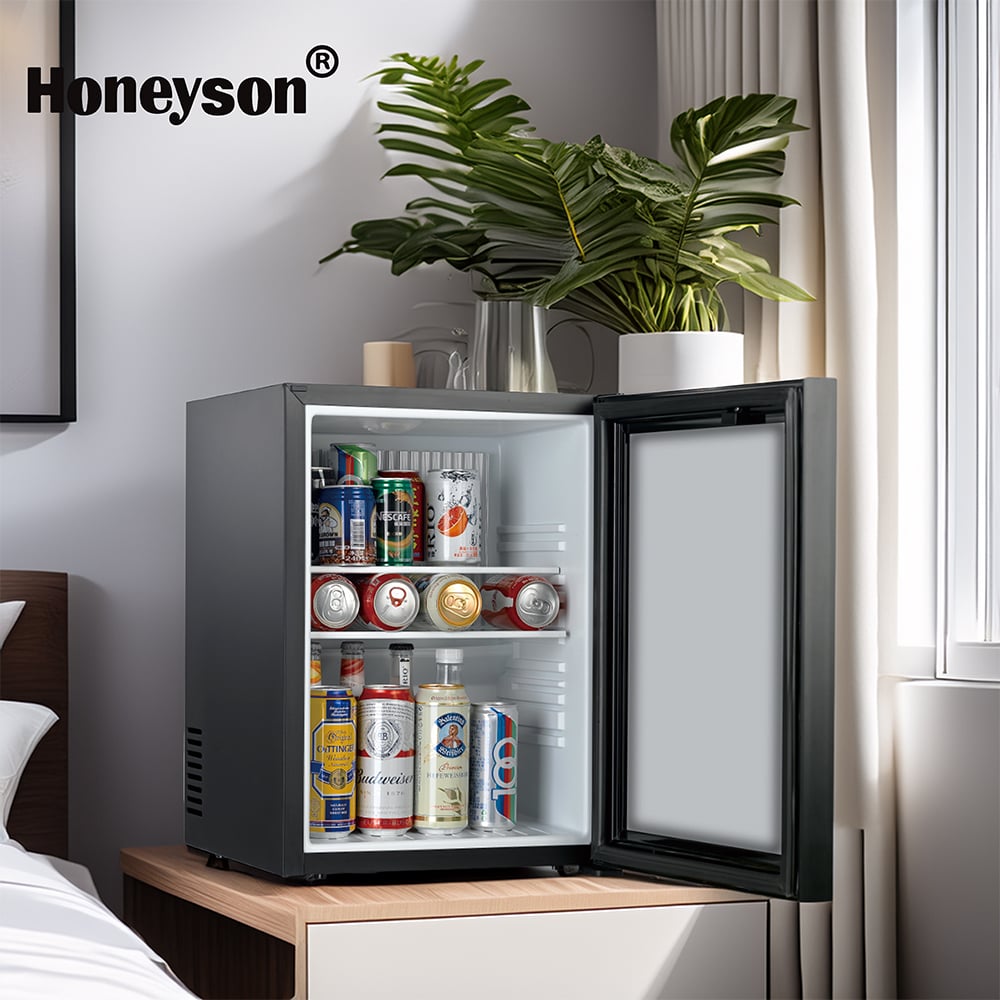
Hotel electrical amenities represent a critical component of guest safety and satisfaction. Every hairdryer, charging station, and electrical accessory installed in a guest room must meet rigorous safety standards designed to protect occupants from electrical hazards. A professional hotel amenities supplier understands these requirements and ensures every product meets or exceeds industry compliance benchmarks. Understanding the safety standards behind hotel electrical amenities is essential for hotel operators, facility managers, and procurement teams seeking to maintain guest trust and operational integrity.
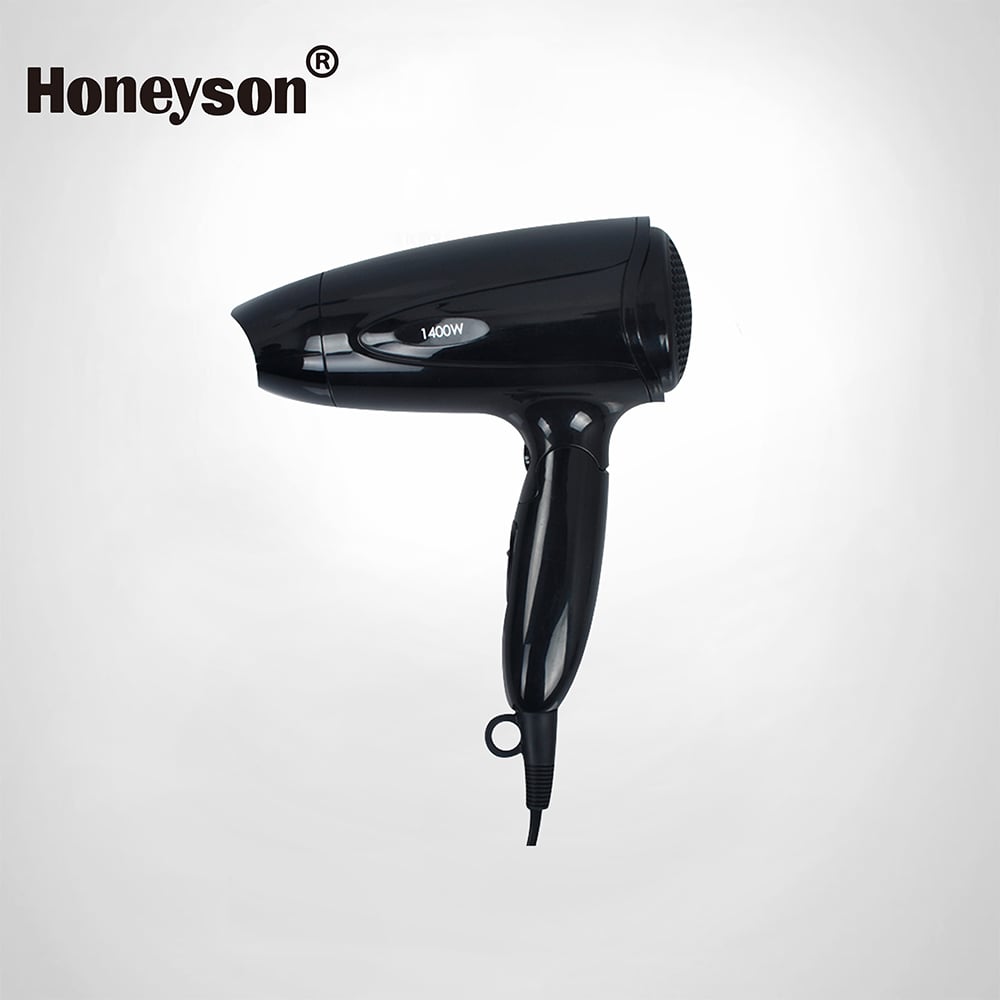
The electrical systems powering hotel room accessories must operate safely under diverse conditions, from high humidity in bathrooms to temperature fluctuations in guest spaces. Hotel electrical amenities are subject to multiple regulatory frameworks, including international standards, national electrical codes, and brand-specific requirements. Whether you source OEM guest room amenities or work with a hotel amenities supplier, compliance verification forms the foundation of responsible purchasing. This article explores the safety standards governing hotel room accessories, the testing requirements that validate compliance, and how to identify trustworthy suppliers who prioritize electrical safety.
The Regulatory Framework for Hotel Electrical Amenities
International and National Safety Standards
Hotel electrical amenities must comply with international standards such as IEC 60950-1 for information technology equipment and IEC 60335-1 for household appliances. In North America, hotel room accessories typically fall under UL (Underwriters Laboratories) certification, while European properties reference the CE marking system and EN standards. National electrical codes, such as the National Electrical Code (NEC) in the United States, establish specific requirements for guest room installations. A reputable hotel amenities supplier will source products that have undergone independent laboratory testing and carry recognized safety certifications. These standards address electrical insulation, grounding mechanisms, thermal protection, and failure modes to prevent electrical shock, fire, or equipment damage.
Specific Requirements for Guest Room Devices
OEM guest room amenities face heightened scrutiny due to their proximity to water sources, frequent guest handling, and continuous operational demands. Hairdryers, for example, must include automatic shut-off mechanisms when immersed, moisture-resistant insulation, and stable operational temperatures that prevent overheating. Hotel electrical amenities used in bathroom environments require enhanced protection against moisture ingress, corrosion, and electrical leakage. Ground fault circuit interrupter (GFCI) outlets are mandatory in bathroom and wet areas, providing rapid shutoff if electrical leakage is detected. A qualified hotel amenities supplier ensures that every hotel room accessory incorporates these protective features and remains compliant with evolving safety regulations across global markets.
Testing, Certification, and Quality Verification
Laboratory Testing Protocols
Before hotel electrical amenities reach guest rooms, they undergo rigorous laboratory testing to validate electrical safety performance. Standard testing includes insulation resistance measurement, dielectric strength evaluation, earth continuity verification, and leakage current assessment. Temperature rise testing ensures that hotel room accessories operate within safe thermal limits during extended use. Mechanical durability testing simulates years of guest handling, plug insertion cycles, and impact resistance to confirm that safety features remain intact. Many advanced OEM guest room amenities are tested for electromagnetic compatibility (EMC) to prevent interference with medical devices or other sensitive equipment. A responsible hotel amenities supplier will provide detailed test reports and certificates from accredited laboratories, offering transparency and assurance to hotel procurement teams.
Ongoing Compliance and Supply Chain Oversight
Certification is not a one-time milestone but an ongoing commitment to safety and compliance. Leading hotel amenities suppliers maintain continuous quality control through periodic re-testing, supply chain audits, and material traceability systems. Hotels should verify that their hotel room accessories vendor conducts regular batch testing and maintains documentation of all compliance certifications. Some suppliers implement additional internal safety protocols beyond minimum regulatory requirements, reflecting their commitment to guest protection. When selecting OEM guest room amenities, hotels should prioritize suppliers who demonstrate transparent communication about testing results, recall procedures, and compliance updates relevant to new regulations or standards.
Risk Mitigation and Best Practices for Hotel Operators
Procurement and Vendor Selection
Hotel operators reduce electrical safety risks by partnering with a certified hotel amenities supplier who specializes in compliance-grade products. During vendor evaluation, request documentation of all relevant certifications, test reports, and compliance declarations for hotel electrical amenities under consideration. Ask suppliers to provide evidence of traceability, demonstrating how products are tracked from manufacturing through installation. A reputable hotel amenities supplier will offer warranty support, recall management, and responsive communication if safety concerns emerge post-installation. Building long-term relationships with dependable suppliers of OEM guest room amenities strengthens the hotel's safety culture and reduces procurement complexity.
Installation, Maintenance, and Guest Communication
Proper installation of hotel room accessories is essential for maintaining the safety features engineered into each product. Electrical work must comply with local building codes and be performed by qualified personnel who understand proper grounding, outlet configuration, and GFCI placement. Routine maintenance inspections identify wear, corrosion, or damage that could compromise the safety of hotel electrical amenities. Hotels should establish clear policies for guest communication regarding proper use of guest room accessories, including warnings about immersion hazards and proper handling of electrical equipment. Training staff on safety protocols ensures that hotel amenities are replaced promptly if damage is detected, preventing risk escalation.
FAQ
What are the main safety risks associated with hotel electrical amenities?
The primary risks include electrical shock from inadequate insulation or grounding, thermal hazards from overheating devices, fire risk from electrical faults, and water-related hazards in bathroom environments. Hotel room accessories used near water sources such as bathtubs or sinks pose elevated risk if moisture barriers are compromised. Selecting compliant OEM guest room amenities and maintaining proper installation practices mitigates these risks significantly.
How can hotels verify that a hotel amenities supplier meets safety standards?
Hotels should request current certifications from accredited laboratories such as UL, CE, or equivalent bodies recognized in their region. Ask the hotel amenities supplier to provide detailed test reports confirming compliance with applicable international standards and national electrical codes. References from other hospitality properties and verification of the supplier's quality management systems provide additional confidence in their commitment to safety and compliance.
Are OEM guest room amenities more compliant than generic alternatives?
OEM guest room amenities designed specifically for hospitality use typically incorporate enhanced safety features tailored to the demands of commercial environments. They are engineered to withstand frequent guest handling, continuous operation, and moisture exposure that generic consumer products may not address. Working with a specialized hotel amenities supplier ensures that every guest room accessory meets hospitality-grade safety and performance expectations.
