
 EN

Hotel supply distributors face significant pressure to differentiate their offerings while managing costs and maintaining quality standards. When evaluating private label programs for hotel appliances, understanding what to specify becomes critical to building a sustainable competitive advantage. The decision to partner with OEM hotel appliances manufacturers requires careful consideration of product capabilities, customization options, compliance standards, and long-term partnership viability. This guide explores the essential specifications and decision criteria that hotel appliance distributors should evaluate when selecting private label programs.
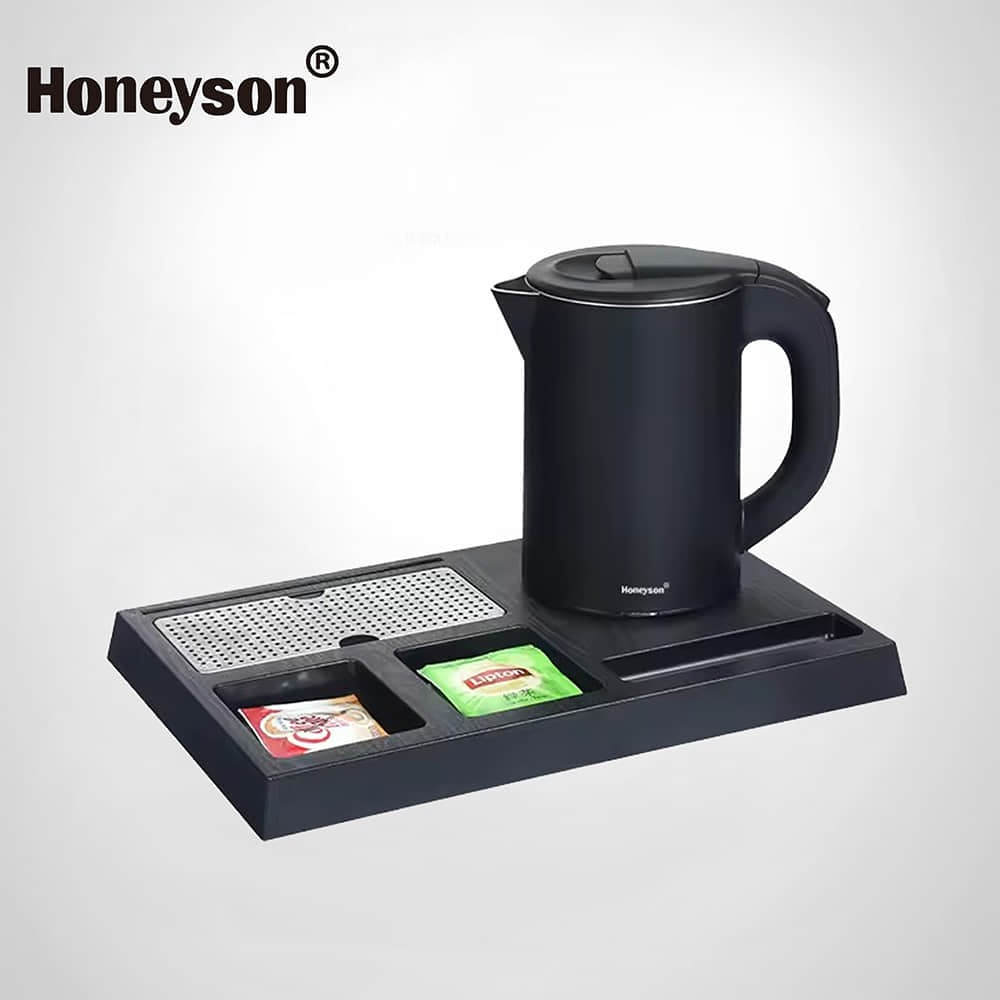
Private label hotel appliance programs enable hotel supply distributors to build brand identity while leveraging established manufacturing expertise. The guest room supplies market demands products that balance durability, safety, and aesthetic appeal. Successful hotel appliance distributor operations depend on selecting OEM partners that understand hospitality industry requirements and can deliver consistent quality across production runs. This article outlines the specifications and considerations that should guide your private label selection process.
Core Product Specifications and Performance Standards
Electrical Safety and Compliance Requirements
Every hotel appliance distributor must prioritize electrical safety certifications when evaluating OEM hotel appliances. Guest room supplies that fail to meet regulatory standards expose properties to liability and damage your distributor reputation. Verify that your OEM partner maintains certifications including UL, ETL, or equivalent standards depending on your target markets. The specifications should explicitly define voltage compatibility, grounding standards, and thermal protection mechanisms. Ask whether the OEM hotel appliances meet international safety protocols if you serve properties with global operations. Hotel supply distributors should document compliance in writing before committing to production volumes.
Durability and Material Specifications
Hotel environments demand appliances engineered for intensive daily use. Guest room supplies operate under conditions far more demanding than residential products, with guests using kettles, coffee makers, and other appliances unpredictably. Specify material grades for heating elements, electrical connectors, and exterior housings during negotiations with OEM hotel appliances manufacturers. Stainless steel components resist corrosion from humidity and cleaning chemicals common in hospitality settings. The hotel supply you specify should include reinforced strain relief on power cords and impact-resistant construction to survive housekeeping mishaps. Hotel appliance distributors who prioritize durability reduce guest complaints and warranty costs over time.
Customization and Branding Capabilities
Logo Integration and Aesthetic Flexibility
Private label programs succeed when your hotel supply truly reflects your brand identity. Discuss customization options with OEM hotel appliances partners regarding logo placement, color options, and packaging design. Hotel appliance distributor programs should include flexibility to adapt designs as market preferences evolve without incurring prohibitive retooling costs. Verify whether the OEM offers multiple logo application methods including screen printing, embossing, or heat transfer, each with different durability implications. Guest room supplies bearing your brand create touchpoints that reinforce property recognition throughout the hotel experience. Ensure contracts specify approval timelines for design changes and sample production before full-scale manufacturing.
Functional Customization Options
Many hotel supply distributors operate across diverse property segments requiring different feature sets. OEM hotel appliances manufacturers should accommodate specifications for voltage options, heating capacity variations, or safety feature additions tailored to market segments. Hotel appliance distributor programs gain value when you can offer product variants addressing boutique properties, budget chains, or luxury resorts from a single manufacturing partnership. Discuss minimum order quantities for custom configurations and lead times for non-standard requests. The OEM hotel appliances partner should provide clear documentation about which customizations fall within standard offerings versus custom engineering requests requiring additional fees.
Manufacturing Partnership and Quality Assurance
Production Consistency and Quality Control Protocols
Hotel supply distributors depend on consistent product quality to maintain customer relationships and brand credibility. Request detailed information about the OEM hotel appliances quality assurance process, including incoming material inspection, in-process testing, and final product validation. Guest room supplies should undergo specific tests relevant to hospitality use cases including heating performance verification, cord durability testing, and thermal cutoff functionality. Ask whether your OEM partner conducts field testing in actual hotel environments and incorporates feedback into production improvements. Hotel appliance distributor relationships thrive when manufacturers demonstrate commitment to continuous improvement and transparency about defect rates.
Supply Chain Reliability and Lead Time Management
Operational success for hotel supply distributors requires dependable supply chains and predictable lead times. Clarify production schedules with OEM hotel appliances partners and establish minimum order commitments aligned with your inventory management capabilities. Hotel appliance distributor operations face pressure to respond to property demand fluctuations, so discuss flexibility regarding order adjustments and expedited production options. Verify backup manufacturing capacity and supply chain redundancy to protect against disruption. Guest room supplies orders often cluster seasonally or around property renovations, so negotiate terms that accommodate demand variations without excessive inventory carrying costs.
Pricing, Terms, and Commercial Considerations
Cost Structure and Volume Economics
Hotel supply distributors must understand the complete cost structure underlying private label programs. Request detailed pricing breakdowns covering manufacturing, packaging, shipping, and customization fees separately. OEM hotel appliances pricing typically improves with volume commitments, so evaluate tiered pricing structures that reward growth without requiring unrealistic upfront guarantees. Hotel appliance distributor margins depend on balancing competitive pricing with sufficient spread to support sales infrastructure and customer service. Discuss whether the OEM offers price protection periods and how adjustments occur if input costs fluctuate. Guest room supplies profitability requires transparency about all cost components and realistic volume forecasting.
Payment Terms and Minimum Order Requirements
Negotiate payment terms that align with your cash flow management as a hotel supply distributor. OEM hotel appliances manufacturers may require deposits, progress payments, or prepayment depending on customization scope. Clarify minimum order quantities and whether they vary by SKU or apply to total production volume. Hotel appliance distributor working capital requirements increase with larger minimum orders, so model scenarios carefully before committing. Discuss whether the OEM hotel appliances partner requires exclusivity or territorial restrictions limiting your ability to serve certain customers. Guest room supplies partnerships should include written terms addressing lead time commitments, price stability periods, and adjustment mechanisms for raw material cost changes.
FAQ
What certifications matter most for hotel appliance private label programs?
UL and ETL certifications represent the minimum standards hotel supply distributors should require for electrical appliances intended for guest rooms. International standards like CE marking become essential if your customer base includes properties outside North America. Hotel appliance distributor customers increasingly scrutinize OEM hotel appliances compliance documentation, particularly regarding thermal protection and grounding specifications. Verify that certifications cover all voltage configurations you intend to offer within your guest room supplies product line.
How can hotel supply distributors minimize quality issues with private label programs?
Establish clear quality specifications in writing before production begins, then implement incoming inspection protocols for each shipment. Hotel appliance distributor quality programs should include functional testing of sample units and documentation of defect rates from the OEM hotel appliances partner. Request quarterly quality metrics and maintain communication channels to address concerns promptly. Guest room supplies quality improves when distributors provide feedback about field performance and work collaboratively with manufacturers on continuous improvement initiatives.
What customization options should hotel supply distributors prioritize?
Hotel supply distributors should prioritize logo placement and packaging customization as first priorities, then evaluate functional variations like voltage options or heating capacity adjustments based on your customer segments. OEM hotel appliances manufacturers typically offer these customizations more cost-effectively than others. Focus on customizations that directly strengthen brand identity and product performance for your specific guest room supplies markets. Avoid pursuing extensive custom engineering unless you have committed customers justifying the investment and lead time implications.
