
 EN
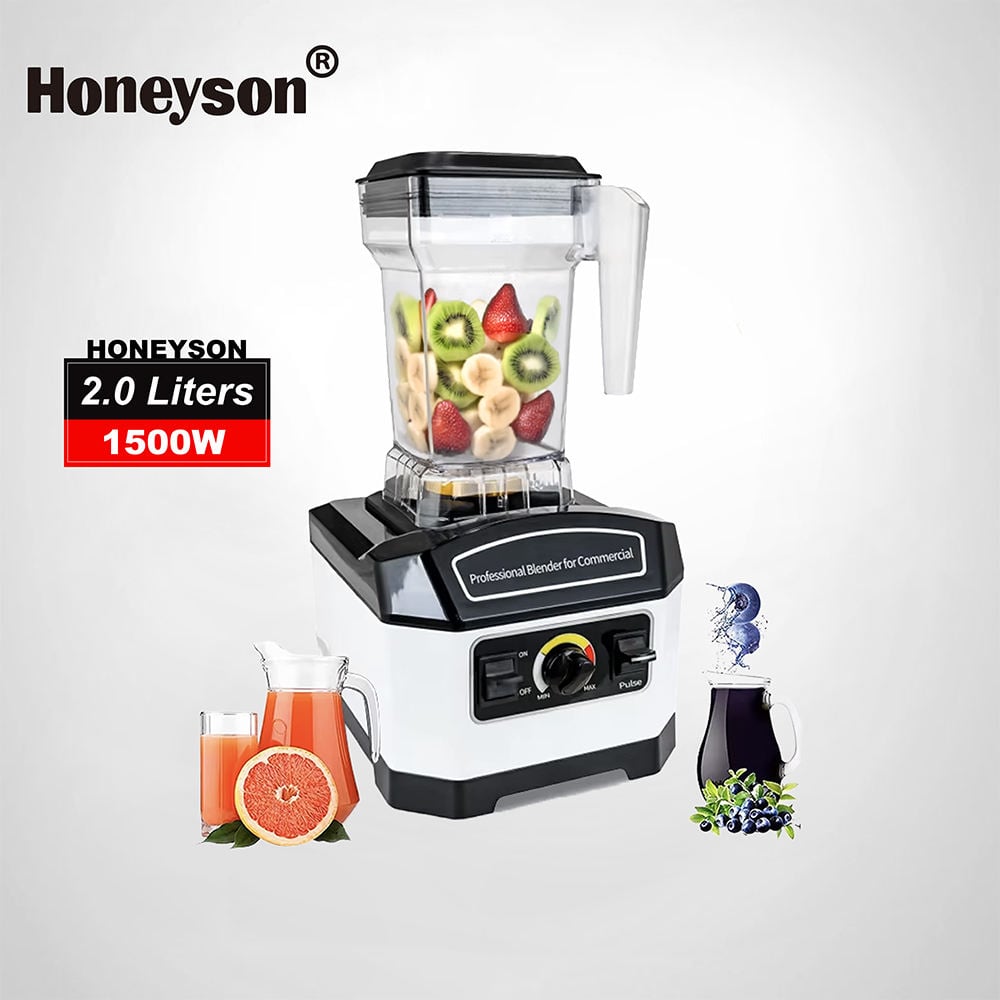
Quality assurance for hotel room equipment is not optional—it is foundational to guest safety, operational reliability, and brand reputation. When selecting hotelic products and OEM hotel equipment, understanding the rigorous testing and verification processes behind these items becomes critical. Hotels invest in electrical products daily, from kettles to heating devices, and each piece must meet strict international standards and performance benchmarks before reaching guest rooms.
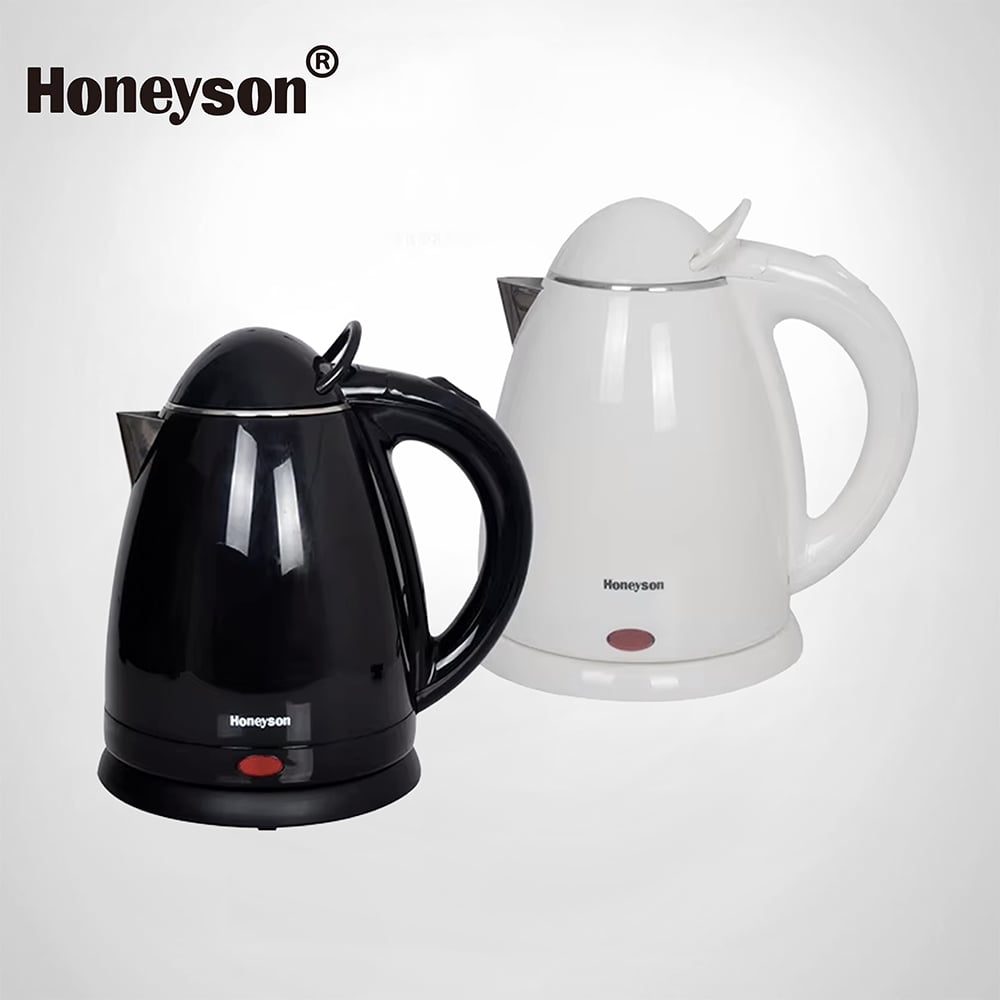
Hotel electrical products serve millions of guests annually, making their quality and safety paramount. Whether you manage a boutique property or a large chain, understanding the quality assurance steps embedded in hotel room equipment manufacturing ensures you source reliable, compliant, and durable solutions. This guide walks through the essential QA processes that distinguish premium hotelic solutions from standard alternatives.
Core Quality Assurance Standards for Hotel Room Equipment
Safety Certifications and Compliance Testing
Every hotel electrical product must pass rigorous safety certification processes before entering the market. International standards such as IEC 60950 for electrical safety and CE marking requirements form the foundation of OEM hotel equipment validation. These certifications verify that products will not cause electrical hazards, thermal burns, or fire risks under normal operating conditions.
Testing laboratories subject hotel room equipment to voltage stress tests, insulation resistance checks, and thermal performance evaluations. A kettle, for instance, undergoes dozens of fill-and-heat cycles to confirm heating elements withstand repeated use without degradation. These compliance measures protect guests, reduce liability for property managers, and ensure products perform consistently across varying international electrical systems.
Material Quality and Component Selection
The durability of hotelic products begins with material science. OEM hotel equipment manufacturers source components—heating elements, thermostats, power cords, and housing materials—from qualified suppliers with proven track records. Stainless steel bodies resist corrosion from humid bathroom environments, while food-grade plastics and ceramics ensure guest health and hygiene compliance.
Quality assurance teams inspect incoming materials against strict specifications before assembly. This upstream control prevents defective components from entering production lines and ensures hotel electrical products maintain consistent performance throughout their operational lifespan, typically spanning three to five years of intensive daily use.
Manufacturing Process Control and In-Production Testing
Assembly Line Verification and Functional Testing
Throughout assembly, hotel room equipment undergoes continuous inspection at critical control points. Workers inspect solder joints under magnification, verify wire gauges and connections, and test heating elements before installation. Every assembled unit receives a full functional test—filling, heating, auto-shutoff verification—before moving to the next stage.
Statistical process control methods monitor production batches to detect drift or anomalies early. If a hotelic product batch shows heating performance outside acceptable ranges or exhibits electrical draw irregularities, the entire lot is quarantined for investigation. This proactive approach prevents defective OEM hotel equipment from reaching distribution centers or hotel shelves.
Environmental Stress Testing and Durability Validation
Quality assurance for hotel electrical products includes environmental stress testing that simulates real-world conditions. Samples are exposed to high humidity, temperature cycling, and vibration to accelerate aging and identify potential failure modes. A kettle destined for tropical locations undergoes humidity chamber exposure; one for continental climates faces thermal cycling tests that mimic temperature swings from heated rooms to outdoor storage.
Drop tests, impact tests, and repeated fill-empty cycles measure mechanical robustness and component longevity. These durability protocols ensure hotel room equipment delivers reliable performance even under guest misuse, such as overfilling or leaving heating elements dry momentarily. The data collected feeds continuous improvement cycles within OEM hotel equipment manufacturers.
Post-Production Verification and Batch Release Criteria
Final Inspection and Documentation Standards
Before shipment, each hotelic product undergoes final visual and functional inspection. Cosmetic defects, electrical test results, and safety feature verification are documented in batch records. Every unit of hotel electrical products receives a unique serial number traceable back to manufacturing date, component batch, and final test results—enabling rapid response if field issues emerge.
Quality assurance teams retain sample units from each production batch for long-term monitoring. These reference samples are tested periodically to detect delayed failure modes or material degradation patterns. OEM hotel equipment suppliers maintain detailed batch records for five to seven years, allowing property managers and hospitality groups to investigate any anomalies and verify that equipment meets contractual performance guarantees.
Field Performance Tracking and Continuous Improvement
Quality assurance extends beyond the factory. Reputable hotelic manufacturers collect field performance data through warranty claims, guest feedback, and maintenance reports from hotels. This real-world intelligence reveals patterns—such as heating element wear in high-mineral water environments or plastic discoloration under intense sunlight—that feed product redesigns and process refinements.
Hotel room equipment suppliers maintain technical support channels and replacement part availability to address issues quickly. By tracking failure modes and root causes, OEM hotel equipment makers close quality gaps and enhance next-generation products. This commitment to continuous improvement distinguishes premium suppliers from those focused solely on initial volume or cost reduction.
FAQ
What specific certifications should I verify when purchasing hotel electrical products?
Look for CE marking, IEC 60950 certification, and local electrical safety approvals relevant to your target markets. For hotelic products, verify that the manufacturer provides test reports from accredited laboratories, proof of voltage compatibility with your regions, and documentation of any agency approvals. Reputable OEM hotel equipment suppliers include these certifications on packaging and technical datasheets.
How does quality assurance for hotel room equipment differ from consumer product standards?
Hotel electrical products face stricter durability and safety requirements because they endure intensive daily use across diverse international environments. OEM hotel equipment undergoes extended cycle testing, thermal stress validation, and environmental chamber testing far more rigorous than typical consumer appliances. Hotels also require traceability, batch documentation, and replacement part guarantees that consumer manufacturers rarely provide.
What should I do if hotel room equipment fails after purchase?
Contact the supplier immediately with serial number and batch information. Quality hotelic manufacturers investigate failures promptly, provide replacement units or repairs under warranty, and document root causes. Request a failure analysis report and corrective action plan. This transparency demonstrates commitment to quality and ensures that discovered issues do not recur in future OEM hotel equipment batches.
