
 EN
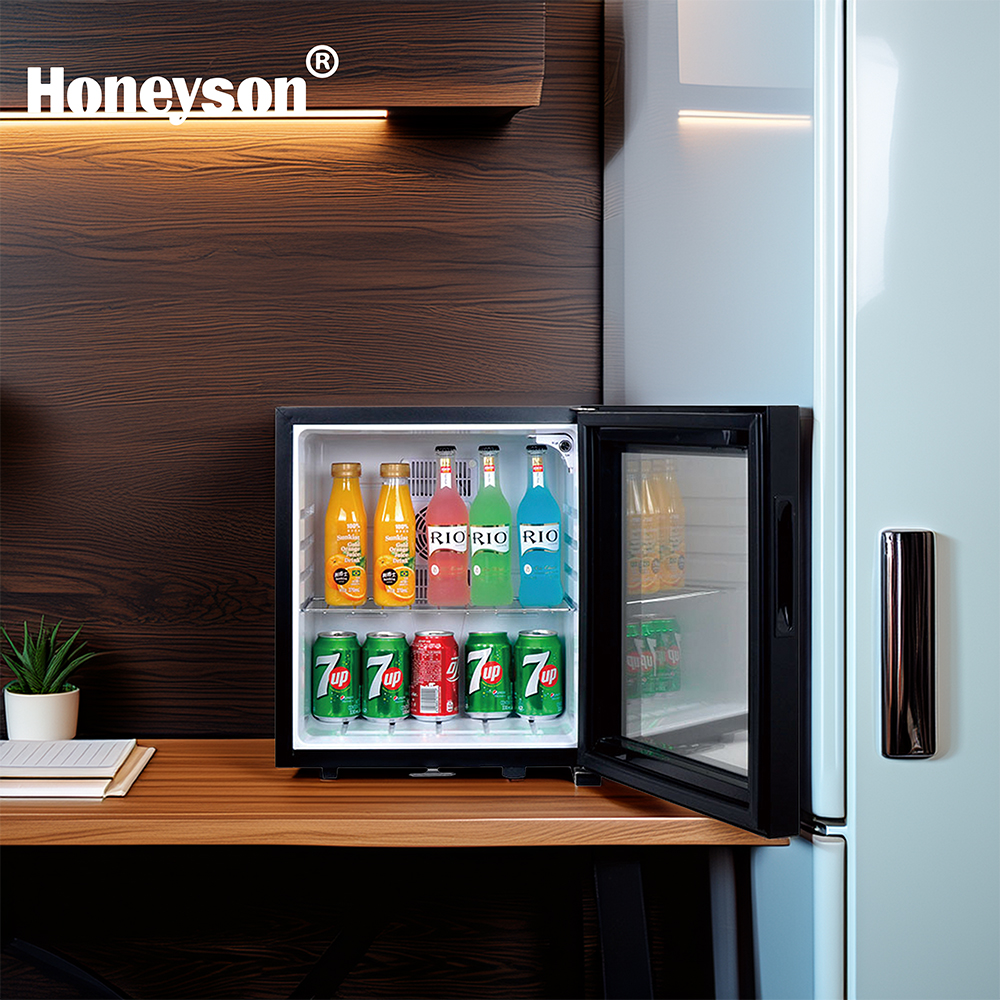
Planning hotel orders requires a clear understanding of annual capacity figures, a metric that directly impacts procurement efficiency, inventory management, and guest satisfaction. Whether you operate a single property or a multi-unit hotel chain, calculating accurate capacity needs ensures you order the right quantity of hotel supplies suppliers can deliver without overstocking or creating shortages. Annual capacity figures represent the total volume of supplies needed across all operational areas over a 12-month period, accounting for occupancy rates, seasonal fluctuations, and replacement cycles.
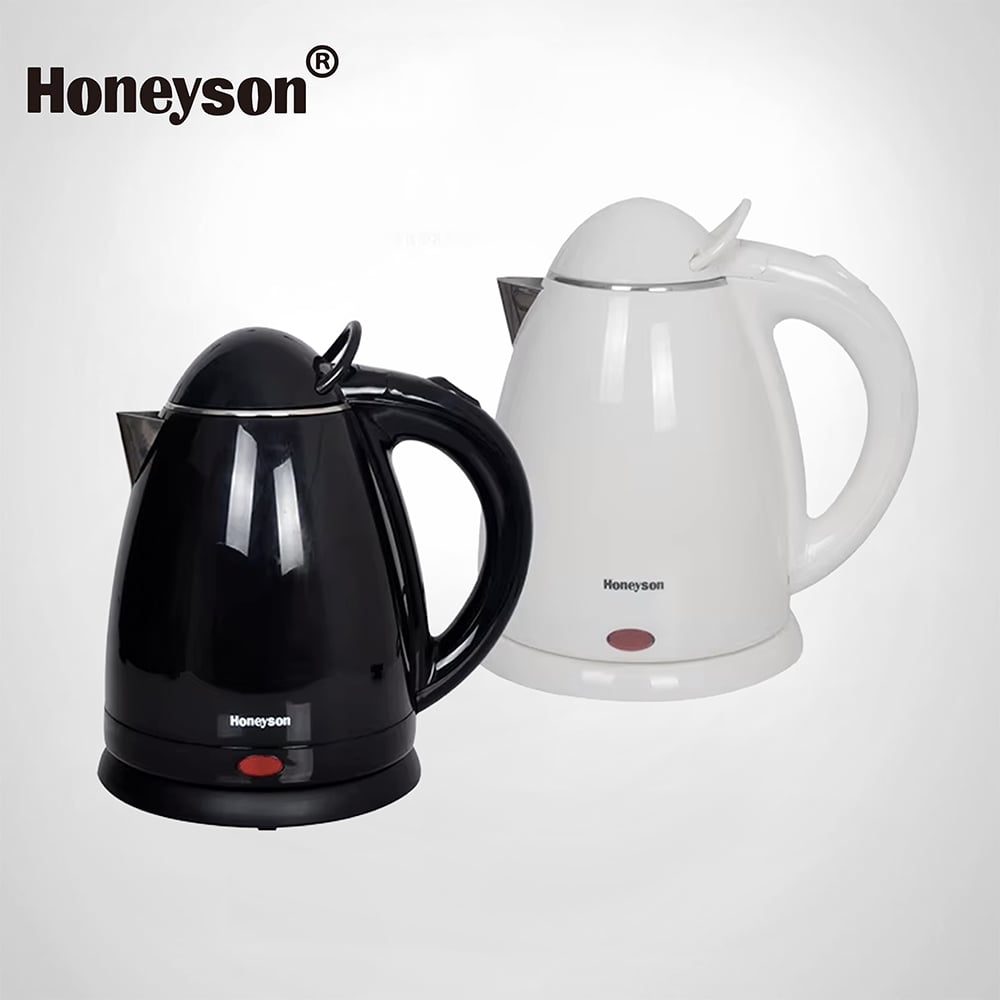
Understanding how to forecast and document these figures transforms procurement from guesswork into a data-driven process. Hotel room appliances, guest room equipment, and amenities represent significant operational expenses, making accurate capacity planning essential for budget control and supply chain reliability. This guide walks through the core methodology for calculating annual capacity needs, the factors that influence your figures, and how to communicate these requirements effectively to OEM hotel supplies vendors.
Defining and Calculating Annual Capacity Figures
Core Components of Capacity Planning
Annual capacity figures encompass all supplies consumed or replaced within a 12-month operational cycle. For hotel room appliances like kettles, coffee makers, and hair dryers, capacity depends on room count, occupancy rates, and replacement frequency. Guest room equipment such as towels, linens, and toiletries requires calculation based on laundry cycles and consumption per occupied room night. OEM hotel supplies ordered in bulk must align with these projected needs to optimize storage space and cash flow while maintaining service quality.
The calculation formula follows a logical structure: multiply the number of guest rooms by the average occupancy percentage, then multiply by the annual consumption rate per occupied room. For example, a 200-room hotel with 70 percent average occupancy consumes supplies for 51,100 room nights annually (200 rooms × 365 days × 0.70). This figure becomes your baseline for ordering hotel room appliances, replacement parts, and consumable items throughout the year.
Accounting for Seasonal and Operational Variations
Real hotel operations are rarely uniform across all 12 months. Seasonal peaks, holiday periods, and local events create occupancy spikes that increase consumption of guest room equipment and hotel supplies. Conversely, slower periods reduce demand. Sophisticated capacity planning adjusts monthly targets to reflect these patterns rather than assuming equal consumption each month. Peak season might see 85 percent occupancy while off-season drops to 50 percent, directly affecting how much hotel room appliances inventory you need at different times.
Maintenance and equipment replacement cycles also influence annual capacity figures. Guest room equipment deteriorates at different rates depending on usage intensity and quality. Budget a certain percentage for breakage, obsolescence, and mandatory replacements. Including these replacement reserves prevents unexpected stockouts and ensures consistent guest experience. Hotels typically reserve 10 to 20 percent of consumable budgets for unplanned replacement needs when ordering from hotel supplies suppliers.
Data Collection and Documentation Best Practices
Gathering Historical Consumption Data
Accurate annual capacity figures begin with reliable operational data. Track actual consumption of hotel room appliances, guest room equipment, and OEM hotel supplies across at least one full year, preferably three years to identify trends and anomalies. Document occupancy rates, room turnover frequency, and consumption per room night for each supply category. This historical baseline allows you to project future needs with confidence and identify seasonal demand patterns that shape your procurement calendar.
Implement simple tracking systems for each major supply category. For hotel room appliances, record replacement dates and reasons. For guest room equipment like linens and towels, count distribution and laundry cycles. For consumables like toiletries and room amenities, monitor per-night usage rates. This granular data transforms abstract capacity planning into concrete numbers that hotel supplies suppliers can use to develop reliable delivery schedules and pricing models.
Involving Multiple Departments
Effective capacity planning requires input from housekeeping, maintenance, front office, and finance teams. Housekeeping knows actual towel and linen consumption rates. Maintenance tracks equipment failure and replacement frequency. Front office reports occupancy trends and special events. Finance confirms budget constraints and cost targets. Collaborative data gathering ensures annual capacity figures reflect operational reality rather than assumptions, reducing the risk of ordering errors when working with hotel supplies suppliers.
Hold quarterly planning meetings to review consumption trends and adjust capacity forecasts as conditions change. New properties have different ramp-up cycles than established hotels. Renovated areas may temporarily increase replacement needs for guest room equipment. Special promotions or partnerships might alter occupancy patterns. Staying flexible with capacity figures while maintaining structured data collection allows your procurement process to adapt while remaining disciplined.
Strategic Ordering and Vendor Communication
Structuring Orders Around Capacity Figures
Once you have calculated annual capacity figures, translate them into quarterly or semi-annual purchase orders with hotel supplies suppliers. Breaking one large order into smaller intervals reduces storage pressure, minimizes holding costs, and maintains freshness for perishable or trendy items. For hotel room appliances and guest room equipment, align order timing with anticipated demand peaks and vendor lead times. OEM hotel supplies often require extended lead times, so plan orders three to six months in advance based on your capacity projections.
Communicate your annual capacity figures and monthly demand patterns to preferred hotel supplies suppliers during contract negotiations. Vendors who understand your full-year volume and seasonal fluctuations can better accommodate requests, offer volume discounts, and maintain consistent availability. Transparency about expected consumption builds partnership relationships and makes both parties' planning more reliable.
Monitoring and Adjusting Throughout the Year
Annual capacity figures are planning tools, not fixed mandates. Monitor actual consumption against projections monthly and adjust remaining orders as needed. If occupancy exceeds expectations, increase orders for hotel room appliances and consumables. If occupancy falls short, reduce subsequent orders to avoid excess inventory. Regular reconciliation between projected and actual figures improves your forecasting accuracy year over year, making capacity planning progressively more precise and cost-effective.
Track supplier performance against your capacity requirements. Do hotel supplies suppliers consistently deliver on schedule? Do OEM hotel supplies meet quality expectations? Do guest room equipment and hotel room appliances have acceptable failure rates? Use this performance data to evaluate vendor relationships and make strategic sourcing decisions that support your long-term operational goals.
FAQ
How do I calculate annual capacity figures for a multi-property hotel chain?
Multiply the total room count across all properties by average occupancy percentage to determine total room nights annually. Apply consumption rates per room night for each supply category, then aggregate across properties. Account for differences in property age, guest profiles, and operational standards that might affect consumption of hotel supplies, hotel room appliances, and guest room equipment. Central procurement teams can then allocate orders to individual properties based on their share of total capacity needs when working with hotel supplies suppliers.
What role do OEM hotel supplies specifications play in capacity planning?
OEM hotel supplies come in specific configurations, sizes, and quantities per unit that affect how you calculate and place orders. For example, linens are sold by the dozen, guest room equipment like kettles come in cases, and toiletries ship in bulk quantities. Understanding these standard packaging sizes ensures your annual capacity figures translate into practical order quantities that minimize waste and align with supplier minimum orders. This connection between capacity figures and OEM product specifications prevents ordering mismatches.
How often should I revise my annual capacity figures?
Review and update annual capacity figures quarterly based on actual consumption data and any operational changes. Major shifts such as property renovations, expanded guest offerings, or changed occupancy patterns warrant immediate revisions to your forecasts. At minimum, recalibrate annual capacity figures each year before establishing the next year's procurement budget. Regular refinement keeps your hotel supplies supplier agreements current and ensures your ordering aligns with true operational needs for hotel room appliances, guest room equipment, and other essentials.
