
 EN
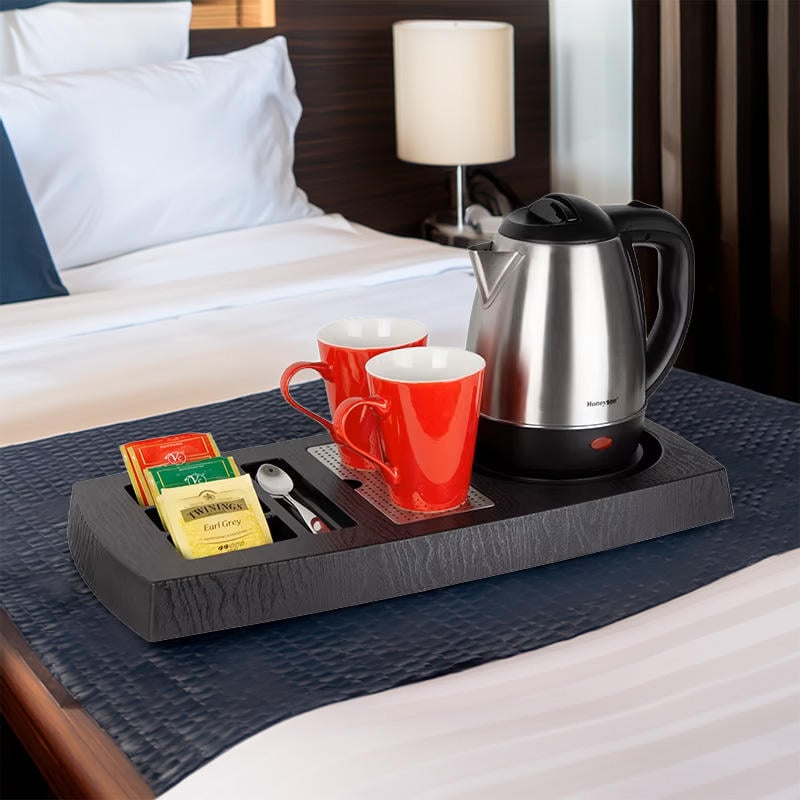
Choosing between own brand and white label hotel supplies is a strategic decision that shapes your operational efficiency, brand identity, and bottom line. Hotels and hospitality groups face this choice when sourcing guest room equipment and other essential hotel supplies. The decision impacts everything from product quality perception to inventory management and supplier relationships. Understanding the strengths and limitations of each approach helps you align your sourcing strategy with your brand positioning and financial objectives.
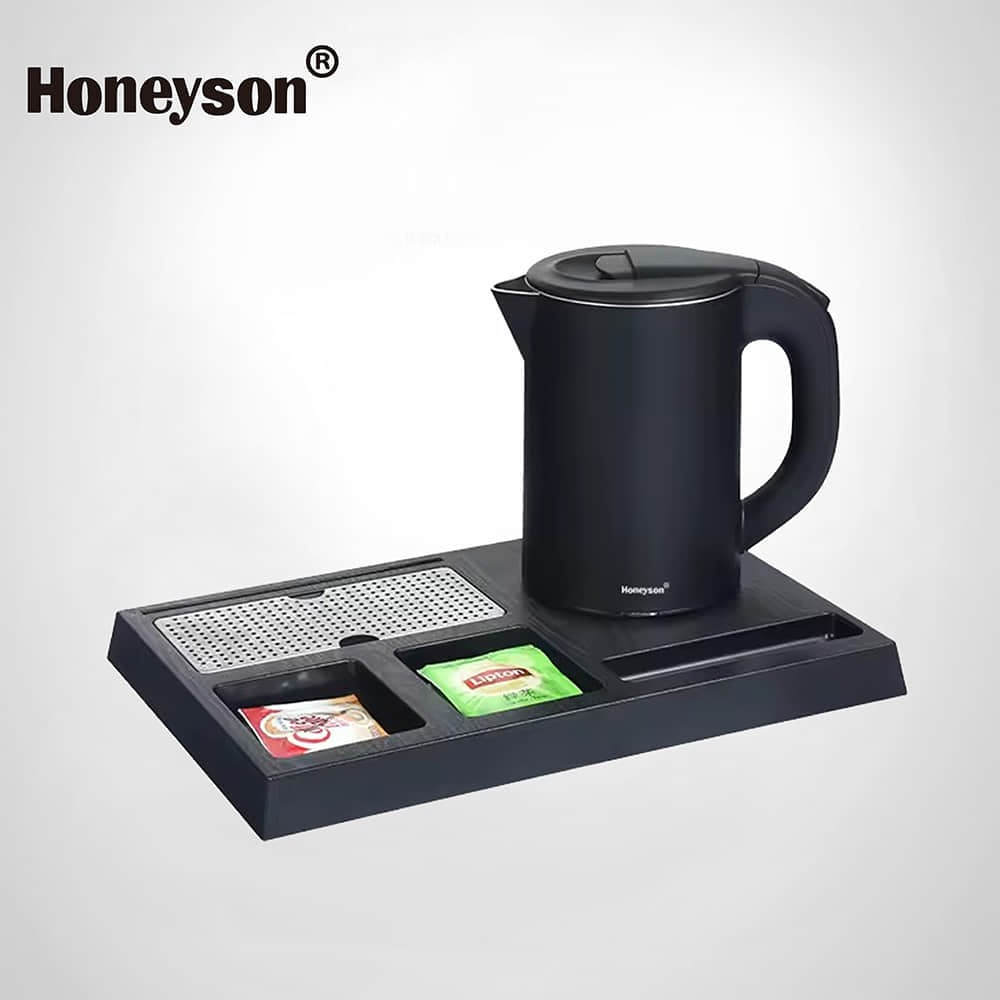
The hospitality industry relies heavily on consistent, quality guest room equipment and reliable hotel room appliances. Whether you operate boutique properties or large chains, your choice between branded or white label solutions directly influences guest satisfaction and your competitive standing. This comparison explores the operational, financial, and strategic dimensions of both models so you can make an informed decision tailored to your property type and market positioning.
Understanding Own Brand vs. White Label Models
What Defines Own Brand Hotel Supplies
Own brand hotel supplies are products manufactured specifically for your property and branded with your logo, design, and identity. This approach gives you complete control over product specifications, quality standards, and presentation. When guests see your branded kettle, toiletries, or amenities, they reinforce your hotel identity with every interaction. Own brand solutions require higher initial investment in design, tooling, and minimum order quantities, but they create a cohesive guest experience that supports premium positioning and brand recall.
What White Label Solutions Offer
White label hotel room appliances and guest room equipment come from OEM hotel supplies manufacturers who produce standardized items sold under your label or without branding. White label options involve lower upfront costs, faster deployment, and access to proven designs already tested in hundreds of properties. Your property retains control over final packaging and branding presentation, but the underlying product development and manufacturing processes remain standardized. This model suits properties seeking cost efficiency and rapid supply chain deployment without custom product development overhead.
Cost Structure and Financial Implications
Initial Investment and Tooling Expenses
Own brand hotel supplies typically demand substantial upfront investment in design consultation, prototype development, and manufacturing tooling. Depending on complexity, you might commit tens of thousands of dollars before producing your first unit. Minimum order quantities for branded products usually range from 5,000 to 50,000 units per style, creating inventory commitment and financial risk. White label guest room equipment eliminates tooling costs and allows smaller order quantities, making it accessible for independent properties or those with limited capital for product development.
Unit Costs and Economies of Scale
Per-unit costs for OEM hotel supplies typically decrease with volume, but white label products often start at a lower cost basis because manufacturers spread development costs across multiple buyers. For single properties or smaller groups, white label hotel room appliances deliver better unit economics. Larger chains or hospitality groups may achieve cost parity or advantage with own brand solutions if their order volumes justify reduced per-unit manufacturing costs. The break-even point depends on your annual purchasing volume, property count, and replacement cycles for guest room equipment.
Brand Strategy and Guest Experience Implications
Brand Differentiation Through Customized Products
Own brand hotel supplies create memorable touchpoints that reinforce your property identity and justify premium positioning. Custom-designed coffee sets, branded amenity holders, and distinctly-styled hotel room appliances become part of your brand narrative and guest recall. This differentiation matters most for luxury properties, boutique chains, and lifestyle brands where every detail signals brand values. White label guest room equipment serves functional purposes but provides less opportunity for brand storytelling unless your property emphasizes sustainability, minimalism, or intentional simplicity as core brand attributes.
Consistency and Supply Continuity
OEM hotel supplies manufacturers offer white label continuity across replacement cycles, ensuring your guest room equipment always matches existing inventory. You can reorder identical items years later without redesign concerns, simplifying maintenance and inventory tracking. Own brand solutions depend on manufacturer continuity and your product documentation—design updates or manufacturer changes can create mismatches between older and newer units. For properties operating 50+ rooms, consistent appearance matters for professional image, favoring white label solutions if your manufacturing partner remains stable.
Operational Considerations and Sourcing Strategy
Lead Times and Deployment Speed
White label hotel supplies typically feature shorter lead times because manufacturers maintain inventory or produce to standard schedules. You can replenish guest room equipment quickly, reducing operational disruption during replacements. Own brand solutions require longer lead times due to customization, tooling setup, and lower manufacturing frequency. This matters when unexpected breakdowns occur—white label options let you maintain full functionality faster. For multi-property operations managing rotations and refurbishments, shorter lead times improve scheduling predictability and reduce downtime across locations.
Supplier Relationship and Flexibility
White label arrangements often involve more transactional relationships with hotel supplies suppliers focused on efficiency and standardization. OEM hotel supplies manufacturers typically work with multiple hospitality clients simultaneously, limiting customization flexibility once initial agreements are finalized. Own brand partnerships require closer collaboration, with manufacturers often dedicated to your specific product line and willing to accommodate design refinements. If you anticipate evolving product needs or wish to influence manufacturing decisions, own brand models provide more partnership-oriented engagement with your hotel room appliances supplier.
Quality Control and Product Reliability
Testing Standards and Accountability
Own brand hotel supplies carry your company name and reputation, creating direct accountability for quality issues. Manufacturers understand that product failures reflect on your brand, often resulting in tighter quality protocols and faster response to defects. White label guest room equipment may involve shared accountability—issues reflect on both the OEM hotel supplies manufacturer and your property operations. Quality standards vary significantly among white label suppliers, so thorough vetting and reference checks become essential to ensure guest room equipment meets your standards consistently.
Warranty and Support Structures
Own brand arrangements typically include manufacturer support tailored to your usage patterns and property types, with warranties often reflecting partnership-level service. White label solutions may feature standardized warranty terms without property-specific customization. If failures occur, own brand suppliers usually provide faster replacement or credit because your satisfaction directly affects their continued partnership. Hotel supplies suppliers offering white label products sometimes maintain longer lead times for replacements due to broader customer bases and standardized logistics processes.
FAQ
When should a hotel property choose white label over own brand hotel room appliances?
White label guest room equipment suits properties with limited budgets, small room counts, or those prioritizing cost efficiency over brand differentiation. Independent hotels, select-service properties, and budget segments benefit from OEM hotel supplies' faster deployment and lower per-unit costs. Choose white label if your brand positioning doesn't emphasize premium customization or if you lack capital for upfront design investment. Multi-property operators managing high turnover of guest room equipment also benefit from white label's supply consistency and established production schedules.
What are the hidden costs associated with own brand hotel supplies programs?
Beyond obvious tooling fees, own brand hotel supplies involve design consultation charges, prototype iterations, and potential obsolescence risk if product styles fall out of favor. Storage costs increase because minimum order quantities force larger inventory holdings. Customized packaging, labeling, and quality control may exceed white label costs. If your property rebrands or redesigns after committing to tooling, you may face inventory write-downs. OEM hotel supplies manufacturers may also charge higher minimum orders or production setup fees, especially for smaller volume purchases or design modifications during the product lifecycle.
Can smaller hotel groups compete with larger chains using white label versus own brand strategies?
Smaller groups often compete more effectively with white label guest room equipment because they avoid large upfront investments and maintain flexibility to adapt products as market conditions change. Boutique properties can differentiate through service, design curation, and thoughtful space rather than custom-designed hotel room appliances or other guest room equipment. White label hotel supplies suppliers provide quality options accessible at independent property scales, enabling competitive positioning without large capital requirements. Larger chains may dominate through own brand economies of scale, but smaller groups using white label solutions can achieve comparable guest satisfaction and operational efficiency.
