
 EN
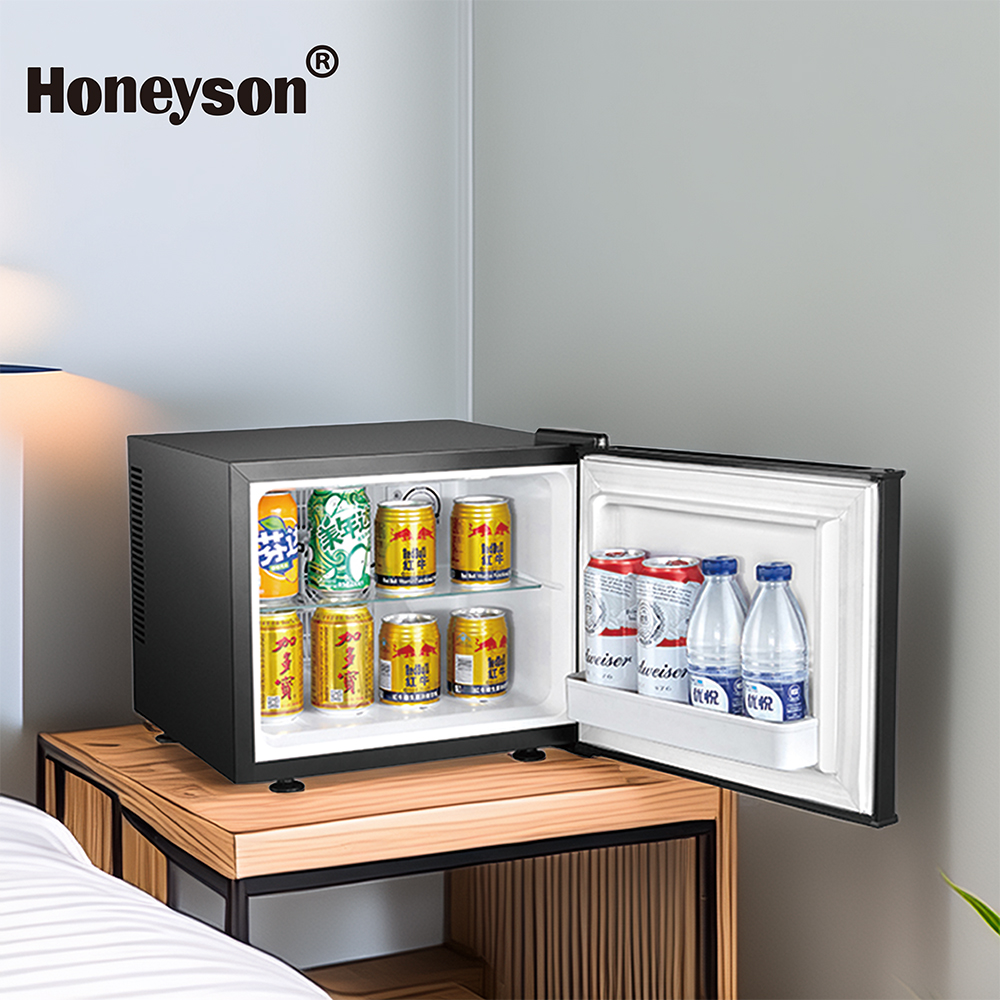
Factory audits of hotel appliances reveal consistent patterns of defects that compromise guest satisfaction and operational efficiency. When sourcing from hotel supplies suppliers, hospitality operators must understand these common issues to establish effective quality standards and partner expectations.
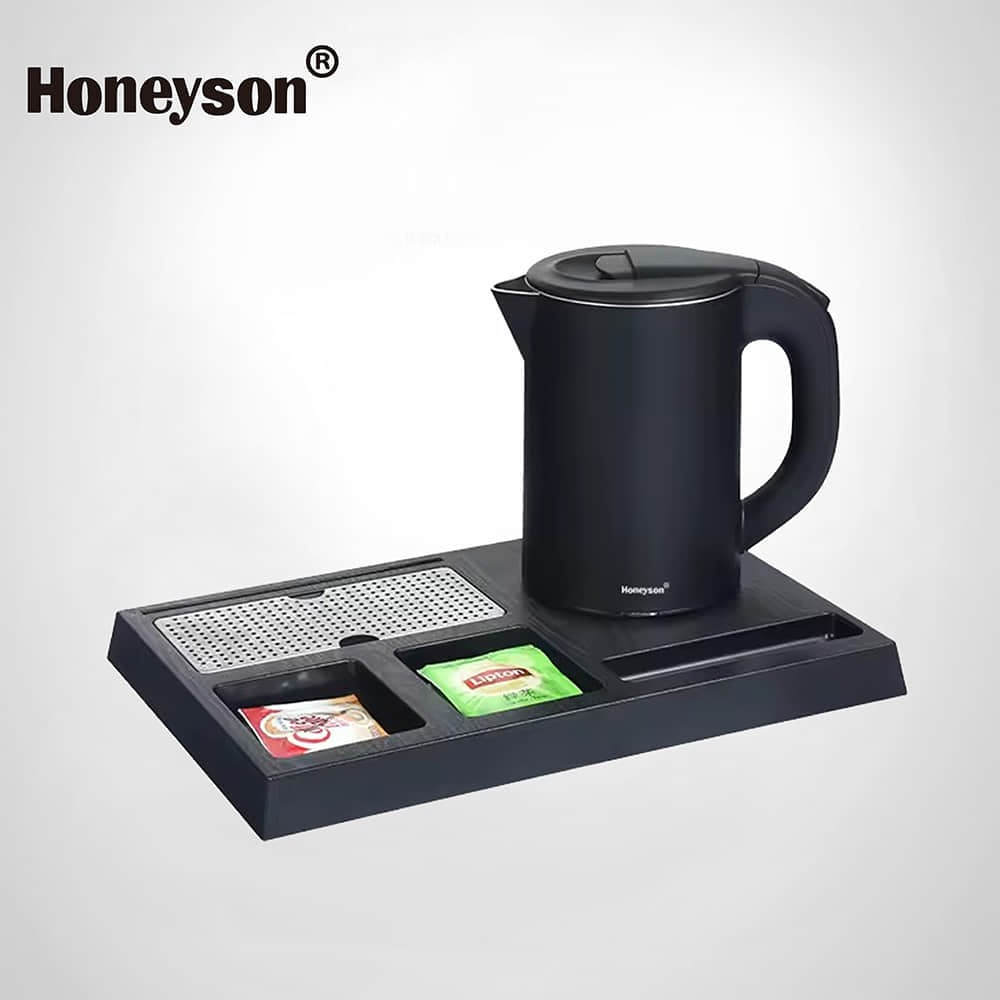
Understanding typical defects found during hotel appliance factory audits enables procurement teams to negotiate better specifications, implement preventive measures, and maintain consistent quality across guest room equipment. This knowledge directly impacts guest experience, reduces warranty claims, and strengthens vendor relationships.
Structural and Material Defects in Guest Room Equipment
Manufacturing Inconsistencies in Hotel Room Appliances
Many hotel appliance factory audits identify inconsistent material quality, particularly in plastic components used in guest room equipment. Poorly sourced plastic additives, inadequate injection molding processes, and insufficient cooling cycles result in brittle components that crack under normal use. OEM hotel supplies often show warping in kettle handles, mini-bar doors, and bedside device holders when manufacturing standards lack rigorous temperature control.
Welding defects represent another critical structural issue. Internal water paths in kettles, coffee makers, and bathroom fixtures frequently exhibit incomplete welds, micro-cracks, or improper joint preparation. During factory audits, destructive testing reveals water leakage from these weak points, which later compromises guest room experience and creates liability concerns.
Surface Treatment and Corrosion Issues
Defective surface finishing causes premature corrosion in stainless steel hotel supplies. Factories may skip critical passivation steps or use improper chemical processes, leaving embedded iron particles and scale on the material. Within weeks of guest use, these hotel room appliances develop rust spots and discoloration, particularly in high-humidity bathroom environments.
Chrome plating thickness varies inconsistently across guest room equipment batches. When plating layers fall below specification, underlying copper or nickel layers oxidize, producing cosmetic defects and potential allergenic concerns for sensitive guests.
Electrical Safety and Performance Defects
Inadequate Testing and Certification Gaps
Factory audits frequently uncover hotel room appliances manufactured without proper electrical safety testing. OEM hotel supplies may lack ground continuity verification, insulation resistance measurements, or leakage current assessment. These defects violate international safety standards and create genuine shock hazards in guest rooms.
Power cord quality issues consistently emerge during audits of guest room equipment. Insufficient gauge wire, inadequate insulation thickness, and poor strain relief design lead to internal conductor breakage and short-circuit risks. Hotels purchasing from vendors without rigorous electrical testing protocols face serious liability exposure.
Temperature Control and Thermal Protection Failures
Defective thermostats in hotel appliances fail to regulate temperature properly, allowing kettles and coffee makers to overheat dangerously. Factory audits reveal missing or malfunctioning thermal cutoff switches in guest room equipment. Without proper temperature limiting, these devices pose burn risks and fire hazards.
Inadequate thermal insulation in hotel room appliances causes excessive exterior heat. Guest contact with uncovered heating elements or superheated surfaces violates safety codes. OEM hotel supplies from factories without comprehensive thermal testing create predictable incident patterns requiring incident response protocols.
Functional and Reliability Defects in Hotel Guest Room Appliances
Mechanical Failure Patterns
Valve and seal failures emerge as primary defects in guest room equipment during factory audits. Rubber gaskets used in kettles, water dispensers, and ice makers exhibit manufacturing inconsistencies, including improper compression sets, chemical incompatibility with water additives, and premature hardening. Hotel supplies with defective seals leak onto carpeting and furniture within the first month of deployment.
Switch and button mechanisms frequently fail prematurely when sourced from hotels' appliance suppliers lacking assembly discipline. Metal fatigue in spring assemblies, plastic deformation of contact surfaces, and poor quality control result in unresponsive or stuck controls. Guest room equipment becomes functionally compromised, requiring frequent maintenance interventions.
Quality Control Integration and Long-Term Reliability
Factory audits expose insufficient quality gates within manufacturing workflows. Hotels purchasing OEM hotel supplies from vendors without statistical process control, in-process inspections, and final assembly verification experience higher defect rates. Establishing supplier scorecard requirements tied to audit findings ensures continuous improvement in guest room appliances quality.
Documentation and traceability gaps prevent root cause analysis when hotel room appliances fail. Factories lacking batch identification systems, material certifications, and component supply chain transparency make it impossible to implement targeted remedies. Hotels must require comprehensive documentation from hotel supplies suppliers to support warranty investigations and preventive actions.
FAQ
What are the most dangerous defects found in guest room equipment during factory audits?
Electrical safety defects pose the highest risk in hotel room appliances. Missing ground continuity, inadequate insulation, and lack of thermal protection create shock and fire hazards. Structural failures involving welding defects and seal breakdowns also create significant liability when guest room equipment leaks water onto carpeting or causes burns. Hotels must prioritize suppliers who implement rigorous electrical and structural testing.
How can hotels establish effective supplier requirements for hotel supplies after audit findings?
Develop detailed technical specifications based on audit defect patterns, including material certifications, electrical test reports, and surface finish thickness requirements. Require OEM hotel supplies vendors to implement documented quality control procedures, in-process inspections, and statistical process monitoring. Establish periodic factory audits tied to performance incentives and corrective action protocols to ensure hotel room appliances meet consistent standards.
What remedies should hotels implement when discovering defects in guest room equipment?
Implement immediate corrective actions including isolation of affected hotel appliances, guest notification protocols, and hazard assessment. Work with hotel supplies suppliers to identify root causes through failure analysis and trace affected batches. Require corrective and preventive action plans before reordering, and establish tighter receiving inspection procedures for new hotel room appliances and guest room equipment shipments.
