
 EN
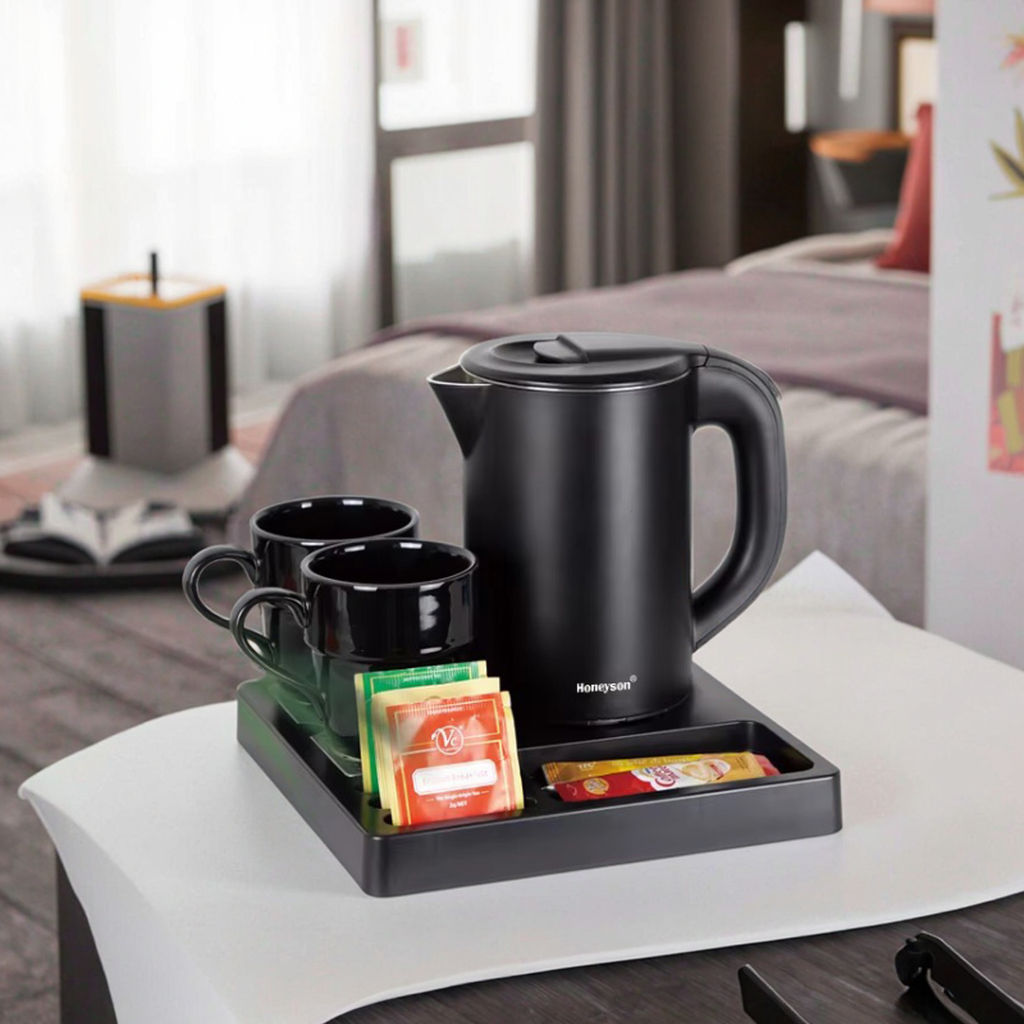
Design changes represent one of the most significant operational challenges in hospitality equipment manufacturing. When factories work with hotel supplies suppliers, coordinating modifications across production timelines, material sourcing, and quality specifications requires structured processes. Factories managing hotel room appliances must balance innovation demands against production efficiency, particularly when changes emerge late in project cycles. Understanding these management protocols helps hospitality operators, designers, and manufacturers align expectations and reduce costly delays.
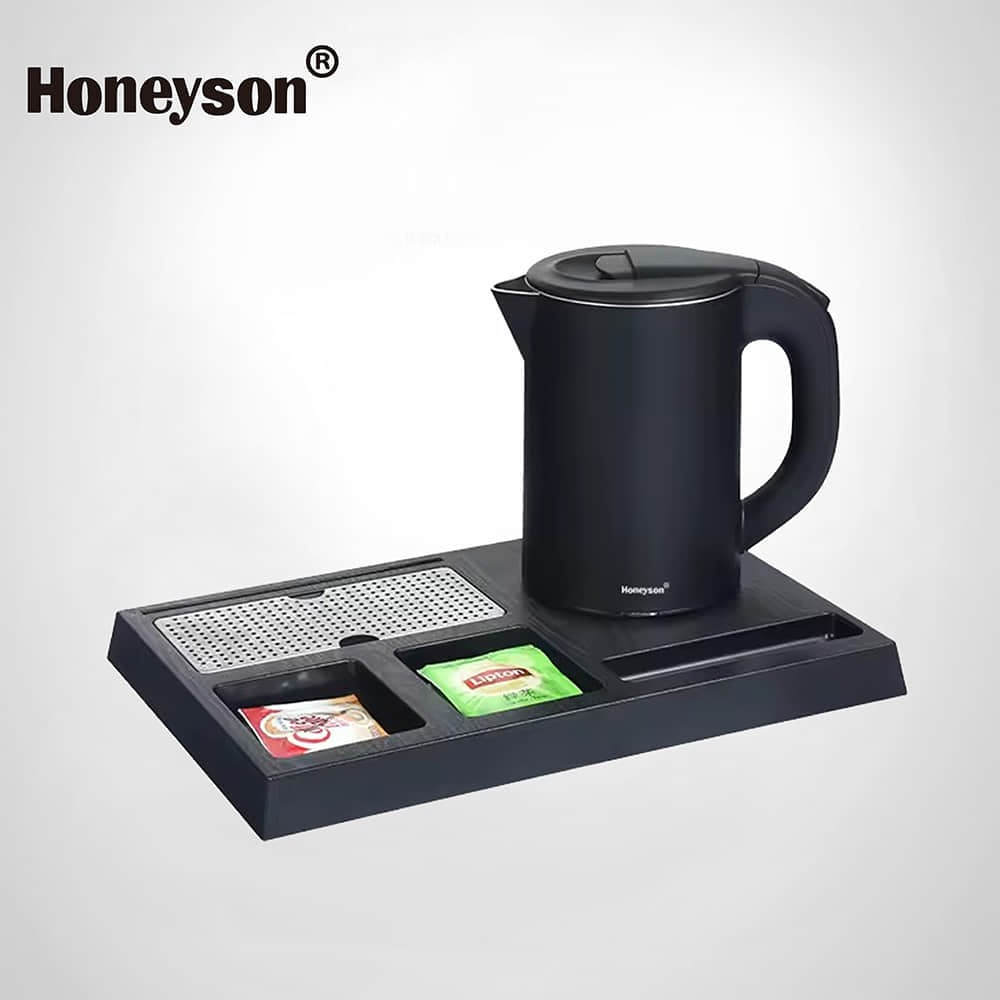
Guest room equipment projects typically involve multiple stakeholders—designers, procurement teams, OEM hotel supplies specialists, and production facilities. Each design modification triggers cascading impacts on tooling, component procurement, testing protocols, and delivery schedules. The success of hotel appliance projects depends on implementing a change management framework that provides visibility, maintains cost control, and preserves product quality throughout the redesign process.
Establishing Change Control Protocols
Creating a Formal Change Request System
Factories managing hotel room appliances need a documented change control process that captures all modification requests from initial concept through final approval. This system functions as the central hub where hotel supplies are defined, specifications are frozen, and deviations are formally tracked. When stakeholders submit design changes for guest room equipment, the request must include technical specifications, cost implications, timeline impacts, and business justification. Hotels often request modifications after initial approval due to brand standards, safety updates, or functionality enhancements, making a structured intake process essential for OEM hotel supplies coordination.
The change request should move through predetermined approval stages with clear authority levels and decision timelines. Factory project managers assign each request a priority classification—critical, major, or minor—based on safety impact, component availability, and production schedule effects. This tiering approach ensures that urgent modifications to hotel supplies receive immediate attention while less critical refinements are batched into planned update cycles. The formalized documentation creates an audit trail that protects both the manufacturer and the hotel operator from scope disputes.
Defining Change Classification and Impact Assessment
Not all design modifications carry equal weight in hotel appliance manufacturing. Factories distinguish between cosmetic changes, functional modifications, and structural redesigns affecting guest room equipment. Cosmetic adjustments to hotel room appliances—such as color variations or label updates—typically require minimal lead time and tooling investment. Functional changes, like modifying temperature ranges or adding safety features to OEM hotel supplies, demand engineering review and may require component substitution or process adjustments. Structural redesigns affecting core mechanisms necessitate tool modifications, extended testing, and potential supply chain restructuring.
Impact assessment forms the foundation of effective change management for hotel supplies suppliers. Factory engineers evaluate how each modification affects component sourcing, assembly procedures, quality testing, and regulatory compliance. For guest room equipment, this assessment must consider whether changes impact electrical safety, material certifications, or compatibility with existing room infrastructure. By categorizing changes against these dimensions, manufacturers can communicate realistic timelines and cost adjustments to hotel stakeholders before committing to modifications.
Managing Production Timeline and Resource Allocation
Assessing Schedule Impact and Buffer Planning
Design changes in hotel appliance projects directly compress manufacturing windows and strain factory resources. When modifications arrive after production tooling begins, factories must evaluate whether existing component stock accommodates the new specifications or requires emergency sourcing. Hotel room appliances with supplier lead times exceeding twelve weeks create particular scheduling pressure, as change decisions must factor component availability windows. OEM hotel supplies manufacturers typically maintain design freeze dates—after which changes incur substantial penalties—to protect production continuity and cost efficiency.
Experienced factories implement buffer scheduling within hotel supplies projects to accommodate inevitable modifications. Rather than scheduling production to start immediately after design completion, factories build contingency windows into critical-path items. This approach allows guest room equipment manufacturers to absorb minor specification refinements without cascading delays. For hotel room appliances with fixed delivery dates, buffer allocation represents a proactive investment in schedule reliability and stakeholder confidence.
Coordinating with Component Suppliers and Production Teams
Design changes ripple through entire supply chains, affecting OEM hotel supplies procurement and production sequences. When factories modify guest room equipment specifications, component suppliers must receive immediate notification with updated drawings and material requirements. Hotel supplies sourcing teams coordinate with multiple vendors to adjust orders, expedite shipments, or secure alternative materials meeting new specifications. Production scheduling must adapt to accommodate component substitutions, revised assembly sequences, and extended testing cycles for modified hotel room appliances.
Factories managing hotel appliance changes establish communication protocols with tier-one suppliers and internal production teams. Daily standups during critical modification phases ensure component availability aligns with production readiness. Hotel supplies suppliers benefit from transparent communication that details modification scope, timeline constraints, and cost implications. By treating component suppliers as extension partners rather than transactional vendors, factories maintain supply chain flexibility needed to execute design changes without excessive delays or emergency pricing.
Implementing Quality Assurance and Testing Protocols
Conducting Modified Design Testing and Validation
Design changes to hotel room appliances trigger mandatory testing and re-certification protocols protecting guest safety and product reliability. When modifications affect electrical systems, mechanical components, or material composition in guest room equipment, factories must conduct full functional testing on modified hotel supplies. OEM hotel supplies standards require documentation proving that changes maintain or exceed original performance specifications. For guest room equipment sold internationally, regulatory certifications may require re-testing and updated documentation by third-party laboratories.
Testing scope depends on modification classification and regulatory environment. Cosmetic changes to hotel appliances typically require visual inspection and documentation updates. Functional modifications to guest room equipment necessitate performance benchmarking, durability testing, and safety validation. Structural redesigns of hotel room appliances demand comprehensive re-testing including thermal imaging, material analysis, and electrical safety verification. Factories establish testing schedules parallel to production planning, ensuring validation completes before manufacturing transitions to full-rate production of modified hotel supplies.
Documenting Changes and Maintaining Traceability
Complete documentation of design changes in hotel appliance projects creates accountability and protects quality integrity. Factory quality teams maintain detailed records linking change requests to engineering revisions, testing results, and production specifications. For guest room equipment manufactured in multiple facilities or batches, traceability systems ensure all units reflect approved modifications and maintain consistent specifications. OEM hotel supplies documentation includes approval dates, authority signatures, and revision levels, enabling quick reference if discrepancies emerge during guest room equipment deployment.
Hotels require proof that their specific installations contain requested modifications to validate equipment aligns with brand standards and purchase agreements. Factories maintain revision matrices tracking which production batches incorporated specific changes, enabling customer verification. This documentation becomes critical if guest room equipment performance issues emerge, as traceability data determines whether problems stem from design intent, manufacturing execution, or material quality in the installed hotel supplies.
FAQ
What triggers design changes in hotel room appliances most frequently?
Hotel operators commonly request modifications after initial specifications due to brand standard updates, guest safety feedback, energy efficiency requirements, or compatibility needs with existing room infrastructure. OEM hotel supplies manufacturers also initiate changes when component availability shifts, regulatory standards evolve, or cost optimization opportunities emerge in guest room equipment production. Design changes also occur when competing properties install newer hotel appliances, prompting hotels to request feature parity in their own guest room equipment specifications.
How do factories balance change requests against delivery commitments?
Factories implement design freeze dates after which modifications face significant cost premiums or schedule delays, protecting hotel supplies production efficiency. For changes arriving before freeze dates, manufacturers absorb modification costs within project budgets if changes remain minor and guest room equipment components remain available. Major modifications after freeze dates typically trigger timeline extensions, cost adjustments, or prioritization decisions where factories encourage customers to defer non-critical changes to post-launch phases for hotel room appliances. Clear policies regarding change windows help hotels understand modification impact on OEM hotel supplies delivery.
What documentation protects both factories and hotels during design modifications?
Formal change request forms capturing technical specifications, cost implications, and timeline impacts create mutual accountability between manufacturers and hotel operators. Signed change authorizations confirming stakeholder approval of modification scope, cost, and schedule impact prevent disputes about implemented guest room equipment specifications. Testing reports and certification updates documenting that modified hotel supplies meet safety and performance standards protect hotel liability exposure. Production batch traceability linking specific installations to approved modifications ensures hotels receive contracted specifications in their guest room equipment while factories demonstrate manufacturing compliance.
