
 EN
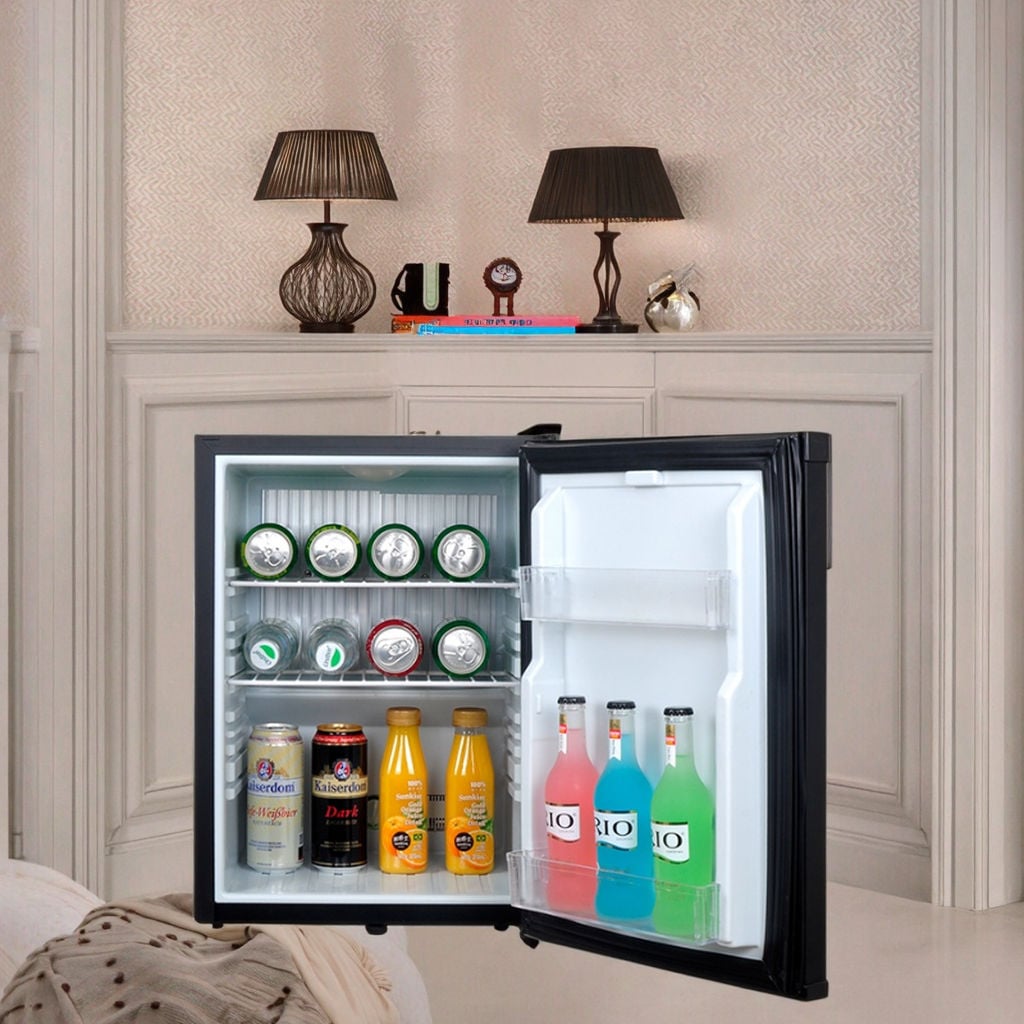
Experiencing cooling troubles after installing compact refrigerators can be frustrating, especially when you expect immediate performance from your new mini refrigerator. Whether you have recently deployed a hotel refrigerator in a guest room or integrated an OEM refrigerator into a commercial setting, troubleshooting cooling complaints requires systematic diagnosis and understanding of common installation-related issues. This guide walks you through the most frequent cooling problems that arise after compact refrigerators are first installed and provides practical solutions to restore optimal performance.
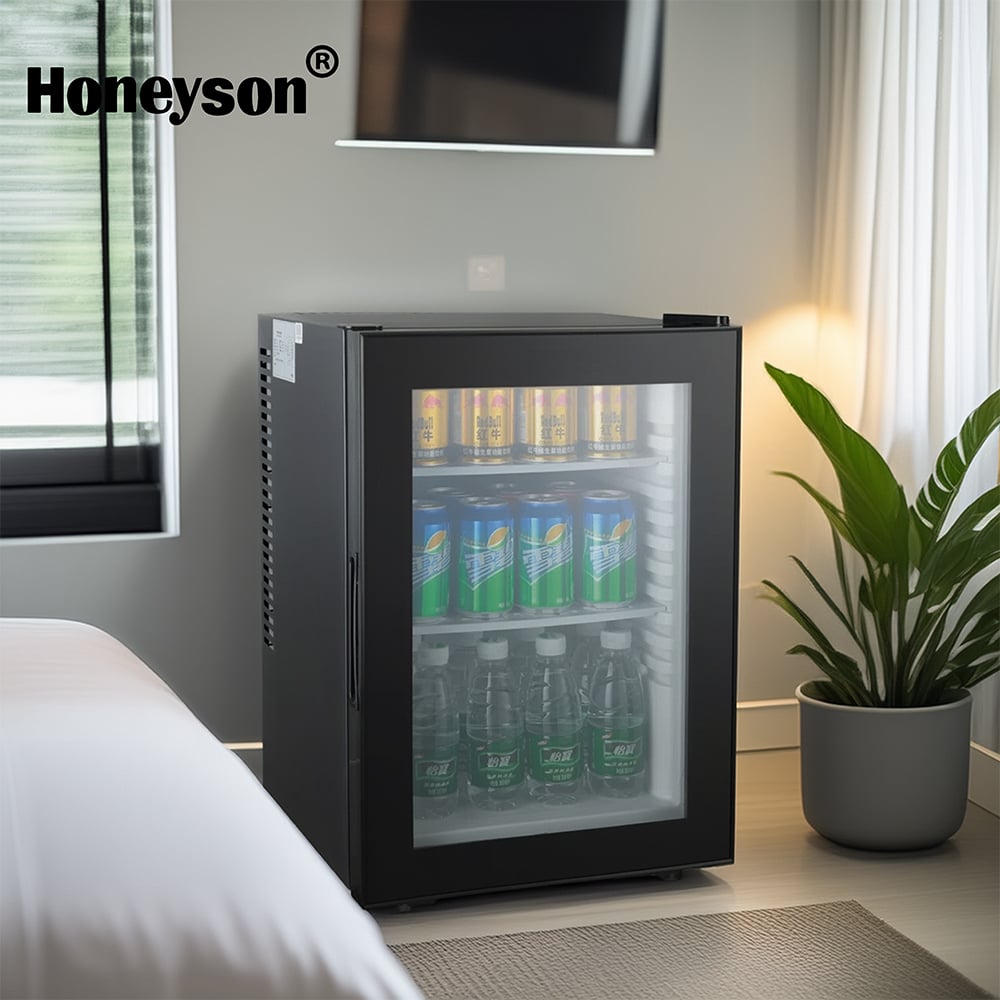
Many cooling complaints after mini refrigerator installation stem from simple oversights during setup rather than equipment defects. Hotel refrigerator units and OEM refrigerator models often fail to cool properly because installers overlook critical startup procedures or environmental factors. Understanding these triggers helps you resolve issues quickly and avoid unnecessary service calls or warranty claims.
Common Cooling Issues in Newly Installed Mini Refrigerators
Inadequate Stabilization Time
One of the most overlooked issues with mini refrigerator units is the stabilization period required after installation. Compact refrigerators rely on precise refrigerant circulation and compressor calibration, which require time to normalize after transport and setup. Hotel refrigerator models typically need between two to four hours before reaching full cooling capacity, yet many users expect immediate results. OEM refrigerator specifications often include this guidance, but it is frequently missed during initial setup.
Allowing adequate rest time before powering on is critical. Transport and installation can shift internal components or disrupt refrigerant distribution within the compact refrigerators' closed system. Powering on too quickly forces the compressor to work under stress, reducing cooling efficiency and sometimes causing incomplete cooling cycles.
Thermostat and Temperature Control Miscalibration
Thermostat settings are frequently the culprit in cooling complaints after mini refrigerator setup. Many hotel refrigerator units arrive with thermostats set to factory defaults or neutral positions that may not align with your intended operating temperature. OEM refrigerator models sold for specific applications sometimes ship with preset controls optimized for different use cases, requiring adjustment for your environment.
Check that the thermostat dial on your compact refrigerators is positioned correctly for your desired temperature range. Hotel refrigerator thermostats typically have numbered settings from one to five, where one is the coldest and five is least cold. If the mini refrigerator is not cooling, turn the thermostat to a higher number gradually and wait four to six hours to assess the change before adjusting further.
Environmental and Installation Factors Affecting Cooling Performance
Inadequate Ventilation Around the Unit
Compact refrigerators dissipate heat through condenser coils located on the sides or back of the unit. If your mini refrigerator is placed too close to walls, shelving, or other appliances, airflow becomes restricted and cooling efficiency drops significantly. Hotel refrigerator units installed in tight corner spaces often trigger cooling complaints because installers did not leave sufficient clearance. OEM refrigerator manufacturers typically recommend at least three to six inches of open space on all sides.
Poor ventilation forces your compact refrigerators to work harder, increasing compressor strain and reducing the unit's ability to reach target temperatures. Reposition the mini refrigerator away from obstacles and ensure the hotel refrigerator or OEM refrigerator model has unobstructed air circulation around its exterior surfaces. This simple adjustment resolves many cooling complaints within hours.
Ambient Temperature and Installation Location
The surrounding environment significantly impacts how well compact refrigerators maintain internal temperatures. Mini refrigerator units struggle when placed in hot kitchens, direct sunlight, or near heat-generating appliances. Hotel refrigerator models installed near windows, radiators, or outdoor walls experience reduced cooling capacity because internal compressors cannot dissipate enough heat to offset external thermal load. OEM refrigerator specifications include recommended ambient operating ranges, typically between 50 to 90 degrees Fahrenheit.
Relocating your compact refrigerators to a cooler, shaded location often resolves cooling complaints immediately. If the mini refrigerator must remain in a warm space, consider installing a thermal barrier or reflective film to reduce solar heat gain. Hotel refrigerator units benefit from placement away from direct sunlight and heat sources, extending compressor lifespan while improving cooling performance.
Maintenance and Technical Troubleshooting for Optimal Performance
Condenser Coil Cleanliness and Dust Accumulation
Dust and debris accumulation on condenser coils is a leading cause of cooling complaints in both new and established installations. Even newly installed compact refrigerators can accumulate dust during storage, transport, or setup if protective covers remain in place or if the installation environment is particularly dusty. Mini refrigerator condenser coils must be visually inspected and cleaned before concluding that cooling issues are systemic problems. Hotel refrigerator units in commercial environments accumulate debris faster and may require cleaning within weeks of installation.
Unplug your OEM refrigerator or compact refrigerators unit and carefully vacuum or brush the exterior condenser coils using a soft brush attachment. Be gentle to avoid damaging the coil fins. Dirty coils reduce heat dissipation efficiency, forcing compressors to cycle continuously without achieving target temperatures. After cleaning, allow the mini refrigerator to sit upright for two hours before restarting to ensure any disturbed refrigerant settles properly.
Door Seal Integrity and Thermal Leakage
A compromised door seal is another common source of cooling complaints after compact refrigerators installation. Hotel refrigerator doors and mini refrigerator seals can be damaged during transport, or gaskets may not seat properly if the unit is not perfectly level. OEM refrigerator models sometimes have slightly compressed gaskets after long-term storage that need time to fully expand and create an effective seal.
Inspect the door gasket around the full perimeter of your compact refrigerators. Press the door firmly closed and check for visible gaps. Hotel refrigerator gaskets should feel firm and create resistance when opening. Perform the paper test by inserting a sheet of paper into the closed door and attempting to pull it out, if the paper slides out too easily, thermal leakage is occurring and cooling performance will suffer. OEM refrigerator units with damaged seals should have the gasket replaced immediately to restore proper cooling capacity.
FAQ
How long should compact refrigerators rest before first use?
Most mini refrigerator models, including hotel refrigerator and OEM refrigerator units, should rest upright for two to four hours after installation before first power-on. This allows the refrigerant to settle and the compressor to stabilize. Avoid laying the compact refrigerators on its side during transport or storage, as this can introduce air into the refrigerant lines, reducing cooling efficiency for weeks.
What temperature should the thermostat be set for optimal mini refrigerator cooling?
Most compact refrigerators perform optimally with the thermostat set between settings three and four on a five-point scale. Hotel refrigerator and OEM refrigerator models may have different scales, so consult your unit's manual for specific guidance. Start at a moderate setting and adjust gradually, allowing four to six hours between adjustments to observe cooling response accurately.
Can environmental factors prevent compact refrigerators from cooling properly?
Yes, ambient temperature, ventilation, and placement significantly affect mini refrigerator performance. Hotel refrigerator units and OEM refrigerator models placed in hot environments, near heat sources, or without adequate clearance will display reduced cooling capacity. Ensure your compact refrigerators has at least three to six inches of open space on all sides and is positioned away from direct sunlight and appliances that generate heat for consistent cooling performance.
