
 EN

Selecting the right materials for guest amenities is a critical decision for hotel operators and procurement professionals. The choice between plastic and metal guest room accessories directly impacts durability, maintenance costs, guest experience, and long-term property value. This guide explores how to evaluate both materials when working with guest amenities suppliers to ensure your hotel room accessories meet performance standards.
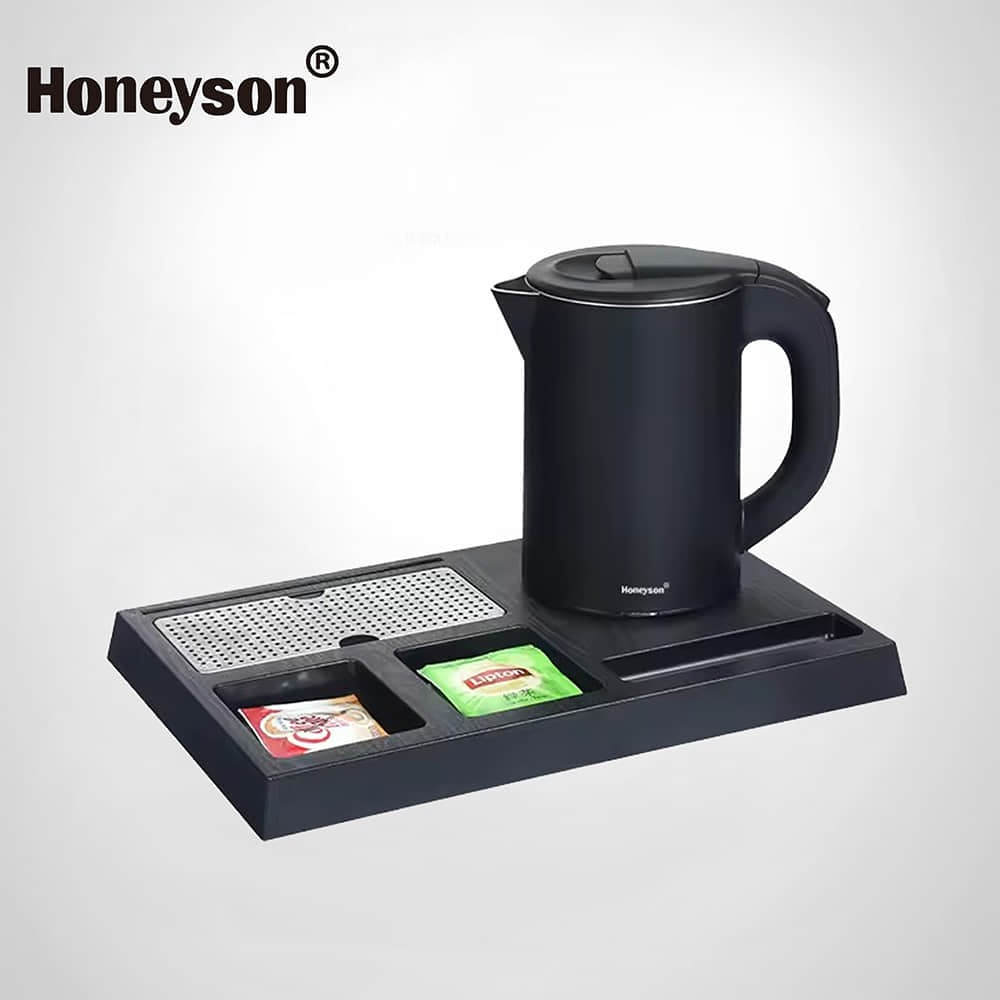
Both plastic and metal options have distinct advantages depending on your hotel's operational requirements, budget constraints, and target market positioning. Understanding the durability characteristics of each material helps you make informed decisions that balance initial investment with lifecycle value. Hotel electrical amenities, beverage service items, and personal care accessories all demand materials that can withstand frequent use, cleaning cycles, and humidity exposure without degradation.
Material Durability and Performance in Hotel Environments
Plastic Guest Room Accessories and Durability Factors
Plastic guest amenities offer lightweight construction and cost efficiency, but durability depends heavily on material grade and manufacturing quality. High-quality engineering plastics like ABS and polycarbonate provide better resistance to thermal stress, impact damage, and chemical exposure than standard polymers. Hotels frequently report that premium plastic guest room accessories withstand daily use cycles, but lower-grade plastics may show visible wear, discoloration, or brittleness after 12–18 months of service.
Plastic materials excel in moisture-resistant applications and resist corrosion from cleaning chemicals, making them ideal for bathrooms and humid environments. However, plastic guest amenities can absorb stains, develop microfractures from temperature fluctuations, and degrade under prolonged UV exposure in naturally lit spaces. OEM guest amenities manufactured with UV stabilizers and anti-scratch coatings significantly extend service life compared to budget alternatives.
Metal Guest Room Accessories and Long-Term Resilience
Metal guest amenities, particularly stainless steel variants, deliver superior longevity and aesthetic consistency across extended service cycles. Stainless steel resists corrosion, maintains surface integrity through intensive cleaning protocols, and shows minimal visible wear even after five or more years of continuous hotel use. Metal options provide premium positioning and appeal to higher-end guests who expect durability and refined presentation in their accommodations.
The primary challenge with metal guest room accessories involves initial cost and weight considerations. Heavier items require different installation methods and may complicate housekeeping routines during room turnover. Metal items also require specific cleaning protocols to prevent water spots and maintain shine, adding to operational overhead. However, the extended replacement cycle often justifies these considerations, particularly in high-volume properties where frequent replacement creates substantial waste and procurement disruption.
Cost Analysis: Initial Investment Versus Total Cost of Ownership
Budget Considerations When Selecting Guest Amenities
Initial procurement costs strongly influence material selection decisions for hotel room accessories. Plastic guest amenities typically cost 40–60% less than comparable metal alternatives, making them attractive for budget-conscious properties and new installations. However, this lower upfront expense must be evaluated against replacement frequency, maintenance labor, and accumulated expenses over a three to five-year period.
When evaluating OEM guest amenities, consider volume pricing from established guest amenities suppliers. Bulk orders often reduce per-unit costs significantly for both plastic and metal options. Properties that commit to specific suppliers and standardized product lines frequently negotiate better terms and secure priority access to inventory, reducing procurement disruption and emergency replacement expenses.
Long-Term Financial Impact and Replacement Cycles
Metal guest room accessories typically remain serviceable for 5–7 years, while plastic alternatives average 2–3 years before visible degradation prompts replacement. This durability difference translates directly to procurement frequency and associated costs. A hotel electrical amenities program featuring metal items might require replacement every five years, whereas plastic-based programs demand replacements every two to three years, multiplying procurement expenses and internal logistics work.
Beyond material costs, consider labor expenses associated with inventory management, installation, and disposal. Properties using premium metal guest amenities experience fewer emergency replacements, reduced waste management costs, and lower administrative overhead in procurement processes. Total cost of ownership calculations often reveal that metal options become financially advantageous over extended periods despite higher initial purchase prices.
Operational Considerations and Guest Experience Impact
Housekeeping Efficiency and Maintenance Protocols
Different materials demand distinct cleaning and maintenance approaches that influence daily housekeeping operations. Plastic guest amenities require gentle handling and specific chemical cleaners to prevent surface damage, discoloration, or material degradation. Metal guest room accessories tolerate more aggressive cleaning protocols and industrial-strength disinfectants, simplifying standardized cleaning procedures across large properties.
Housekeeping staff efficiency varies based on material properties and design complexity. Lighter plastic items reduce physical strain during room turnover, while heavier metal accessories may slow cleaning routines. However, reduced replacement frequency with metal guest amenities decreases overall labor requirements for inventory rotation and installation processes. Training requirements also differ—staff need specific guidance for handling fragile plastic items versus more durable metal alternatives.
Guest Perception and Brand Positioning
Guest expectations for room amenities align closely with overall hotel positioning and price point. Luxury properties benefit from premium metal guest room accessories that communicate quality and attention to detail. Budget and mid-scale properties often employ plastic alternatives successfully when manufacturers prioritize design quality and material engineering to eliminate cheap appearance or obvious defects.
Guest satisfaction surveys frequently show that material choice influences perceived value and overall property impression. Metal guest amenities convey durability and luxury positioning, while premium plastic options appear acceptable when they show no visible wear or obvious damage. Properties using clearly degraded or dated-looking plastic items risk negative guest feedback regardless of actual durability performance. Selecting high-quality OEM guest amenities ensures consistent brand presentation throughout property lifecycle.
FAQ
What factors should determine whether to choose plastic or metal guest amenities?
Evaluate your hotel's price positioning, guest demographics, replacement budget tolerance, and operational priorities. Luxury and upper-upscale properties typically benefit from metal guest room accessories that enhance perceived value. Budget and mid-scale properties should focus on premium plastic guest amenities from established OEM suppliers. Calculate total cost of ownership over five years, considering replacement frequency, cleaning labor, and procurement overhead. Consult with experienced guest amenities suppliers who understand your property type and market positioning.
How do metal hotel electrical amenities compare to plastic options in humid bathroom environments?
Stainless steel guest room accessories excel in humid conditions, resisting corrosion and water damage without degradation. Premium plastic guest amenities with proper coatings also perform well in bathrooms, though they may absorb moisture or develop slight discoloration over extended periods. Metal items require periodic polishing to maintain appearance, while plastic requires regular cleaning with appropriate solutions. For applications directly exposed to constant moisture, such as shower areas, stainless steel provides superior long-term durability despite requiring regular maintenance.
Are plastic guest amenities adequate for high-volume hospitality operations?
Premium plastic guest amenities from reputable OEM suppliers function adequately in high-volume operations when properties commit to regular replacement cycles and strict quality standards. However, high-volume properties often experience greater cumulative costs from frequent replacement and inventory management complexity. Metal guest room accessories reduce replacement frequency and associated labor, making them economically preferable for properties operating at near-capacity occupancy. Evaluate your specific replacement budget and willingness to manage more frequent procurement cycles before choosing plastic alternatives for demanding environments.
