
 EN
The opening week of a new hotel property is a critical operational window where quality defects in guest amenities and hotel room accessories become immediately apparent. From non-functional bathroom fixtures to faulty entertainment systems, these issues directly affect guest satisfaction scores and can damage a property's reputation before it has a chance to build momentum. Hotels relying on guest amenities suppliers must establish rapid response protocols to identify, document, and resolve these defects before they escalate into compliance violations or guest complaints.
The root cause of amenity defects often traces back to supply chain pressures, inconsistent quality control during manufacturing, or inadequate integration testing before guest rooms open. Understanding how to systematically troubleshoot these issues and communicate with OEM guest amenities providers is essential for hotel operations teams. This guide walks through proven troubleshooting frameworks, documentation standards, and escalation pathways that minimize downtime and prevent recurring defects.
Identifying Common Amenity Defects in the First Week
Types of Defects and Early Warning Signs
Guest amenities and hotel room accessories failures typically emerge within the first 72 hours of operation when occupancy stress tests the systems. Common defects include non-responsive electrical outlets, malfunctioning climate control panels, broken door locks, faulty in-room kettles or coffee makers, and damaged entertainment displays. Hotel electrical amenities represent a high-defect-risk category because they operate continuously and depend on proper voltage regulation and circuit integrity. Housekeeping and front desk staff should be trained to identify these issues through structured checklists rather than waiting for guest complaints.
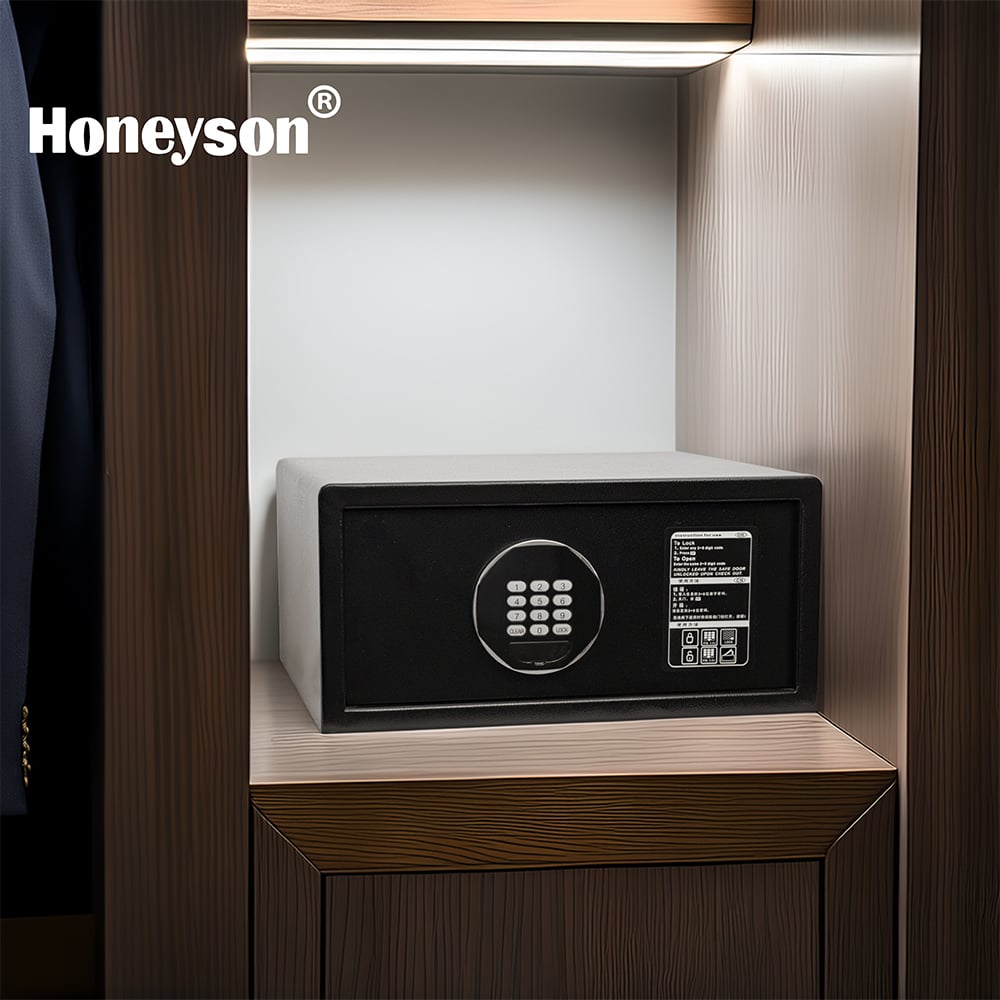
OEM guest amenities often carry manufacturer specifications that define acceptable performance thresholds. When a kettle fails to heat within the rated timeframe, a shower control valve leaks beyond specification, or an in-room safe does not lock securely, these represent defect conditions that must be formally documented. Early detection systems powered by staff observation and systematic room inspections catch defects before they trigger negative guest reviews or generate escalated support requests.
Documentation and Root Cause Correlation
Effective troubleshooting begins with standardized defect reporting that captures defect type, room number, discovery date, severity level, and reproducibility. When multiple rooms report identical failures—such as all units on a specific floor experiencing the same kettle malfunction—the pattern indicates a manufacturing or installation batch issue rather than random failure. Guest amenities suppliers rely on this correlation data to identify systemic problems in their production runs or shipping protocols.
Room-level documentation should reference the specific product model, serial number range if available, and the exact failure mode. A non-functional coffee maker that produces cold water differs from a kettle that fails to power on, and these distinction matter for warranty claims and supplier diagnostics. Hotels working with OEM guest amenities providers should establish a shared defect tracking portal that allows real-time visibility into issue status, replacement timelines, and preventive actions implemented by the manufacturer.
Rapid Response Protocols for Post-Opening Defect Resolution
Immediate Isolation and Guest Communication
When a critical amenity defect is discovered, immediate isolation prevents guest exposure to the faulty unit and prevents further damage to hotel electrical amenities or adjacent fixtures. For electrical appliances, this means powering down the unit, marking it as out-of-service, and removing it from the guest room inventory. Guest amenities teams should prepare communication scripts that frame defects as quality control measures rather than operational failures. Proactive offers—such as room upgrades, beverage credits, or expedited replacement of the amenity—demonstrate service recovery commitment and protect guest satisfaction scores during the critical opening week.
Contact with OEM guest amenities suppliers must occur within four hours of defect discovery for items classified as high-impact to guest experience. Hotel electrical amenities and primary room fixtures like climate control systems warrant immediate escalation to ensure supplier technicians or representatives can inspect the units before they are removed or replaced. This inspection window is critical because it allows the supplier to gather forensic evidence about failure mode, manufacturing defects, or installation errors that inform warranty coverage decisions and corrective action plans.
Coordinated Replacement and Quality Verification
Guest amenities suppliers typically maintain emergency stock or rapid-deployment programs designed to serve properties during opening week crises. Hotels should negotiate these terms in pre-opening agreements to ensure replacement units arrive within 24 to 48 hours. Before installing replacement guest amenities, the receiving team must verify that new units match original specifications, include required safety certifications, and have been tested to confirm functional performance. Hotels working with OEM guest amenities providers should require suppliers to provide pre-tested, certified units rather than stock inventory pulled from standard warehouses.
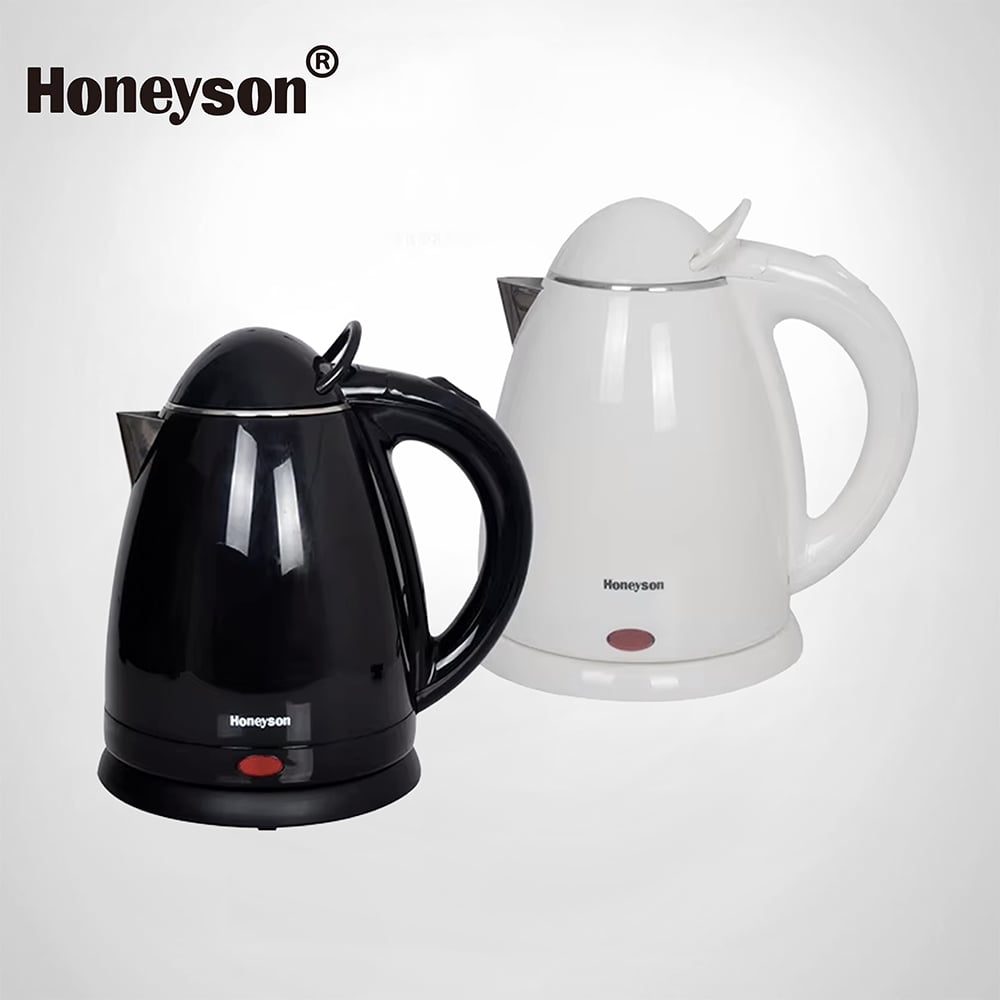
Installation verification must include electrical load testing for hotel electrical amenities, safety feature validation for locks and egress systems, and user experience testing for guest-facing controls. A replacement kettle should be tested to confirm it reaches the specified temperature within the rated timeframe. A replacement door lock should be cycled through multiple opening and closing cycles to verify latch engagement and release mechanisms function smoothly. These verification steps prevent repeat defects and build confidence in the replacement process among hotel operations staff and guests.
Working with Guest Amenities Suppliers to Prevent Recurrence
Root Cause Analysis and Corrective Action Planning
Once immediate defects are resolved, hotels must engage OEM guest amenities providers in structured root cause analysis to prevent recurring failures. This analysis should examine manufacturing processes, quality inspection protocols, packaging and shipping conditions, and installation procedures that may have contributed to the defect. Guest amenities suppliers often identify installation errors or environmental exposure issues that were not evident during manufacturing. When hotel electrical amenities fail due to incorrect voltage settings or improper circuit breaker configuration, the root cause lies in installation execution rather than product manufacturing.
Corrective action plans should specify what changes the OEM guest amenities supplier will implement, what verification testing will confirm effectiveness, and what timeline applies to implementation. Hotels should require suppliers to commit to enhanced quality inspection for units destined to the property, extended burn-in testing for electrical units, and updated installation documentation that reflects lessons learned. Guest amenities defects that affect multiple properties or room types justify investment in preventive measures that protect future opening weeks and reduce post-opening operational friction.
Performance Metrics and Ongoing Supplier Accountability
Establishing post-opening defect thresholds creates accountability for guest amenities suppliers and provides early warning signals if quality problems persist beyond the initial resolution window. A threshold of zero critical defects in guest electrical amenities within 30 days of opening represents a reasonable target for premium OEM suppliers. Hotels should track defect trends across amenity categories—such as percentage of rooms with at least one guest amenity defect—and hold suppliers accountable when performance falls below agreed targets.
Long-term supplier relationships depend on honest communication about defect patterns and collaborative problem-solving rather than blame assignment. Hotels should schedule post-opening review meetings with OEM guest amenities providers at the 30-day, 90-day, and six-month milestones to assess whether corrective actions achieved intended results and whether any new defect patterns have emerged. This ongoing partnership approach strengthens the supplier's commitment to quality and reduces the likelihood of similar defects in future properties or renovations.
FAQ
What documentation should hotels require from OEM guest amenities suppliers when submitting warranty claims?
Hotels should provide defect discovery date, affected guest amenities model and serial numbers, photographic evidence of failure, reproducibility confirmation, and any corrective actions attempted before the claim. OEM guest amenities suppliers require this level of detail to differentiate manufacturing defects from usage damage or installation errors. Hotel electrical amenities warranty claims should include electrical load test results and circuit configuration documentation to establish that proper installation conditions were met. Suppliers are more likely to approve claims and expedite replacements when defect documentation is complete and meets their specified standards.
How can hotels coordinate with guest amenities suppliers to prevent similar defects across multiple properties?
Hotels should establish a centralized defect reporting system that aggregates issues across properties and shares this data with OEM guest amenities suppliers during quarterly business reviews. Guest amenities defects affecting multiple properties indicate systemic manufacturing issues that justify corrective action investment by suppliers. Hotels can negotiate volume commitments tied to supplier performance on defect reduction targets, creating financial incentives for guest amenities suppliers to prioritize quality.
What timeframe should hotels expect for replacement of faulty guest amenities after opening?
Guest amenities suppliers should provide emergency replacement stock for critical items like hotel electrical amenities within 24 to 48 hours of receiving the request. Standard replacement timelines of 5 to 7 business days apply to non-critical items where temporary workarounds are acceptable. Hotels should negotiate expedited service agreements before opening week to ensure OEM guest amenities providers prioritize their urgent requests. Emergency response terms should be specified in supply contracts so both parties understand expectations and can execute replacements without negotiation delays during the critical post-opening period.
Table of Contents
- Identifying Common Amenity Defects in the First Week
- Rapid Response Protocols for Post-Opening Defect Resolution
- Working with Guest Amenities Suppliers to Prevent Recurrence
-
FAQ
- What documentation should hotels require from OEM guest amenities suppliers when submitting warranty claims?
- How can hotels coordinate with guest amenities suppliers to prevent similar defects across multiple properties?
- What timeframe should hotels expect for replacement of faulty guest amenities after opening?
