
 EN

Planning hotel supplies requires fundamentally different approaches depending on whether you are managing a new construction project or a renovation initiative. The distinction goes far beyond simple timing considerations. New builds and renovation projects operate under different constraints, budgets, timelines, and supply chain dynamics that directly influence procurement decisions, inventory management, and the selection of guest room equipment. Understanding these differences is essential for hospitality professionals, facility managers, and procurement specialists who need to optimize costs while maintaining consistent quality standards.
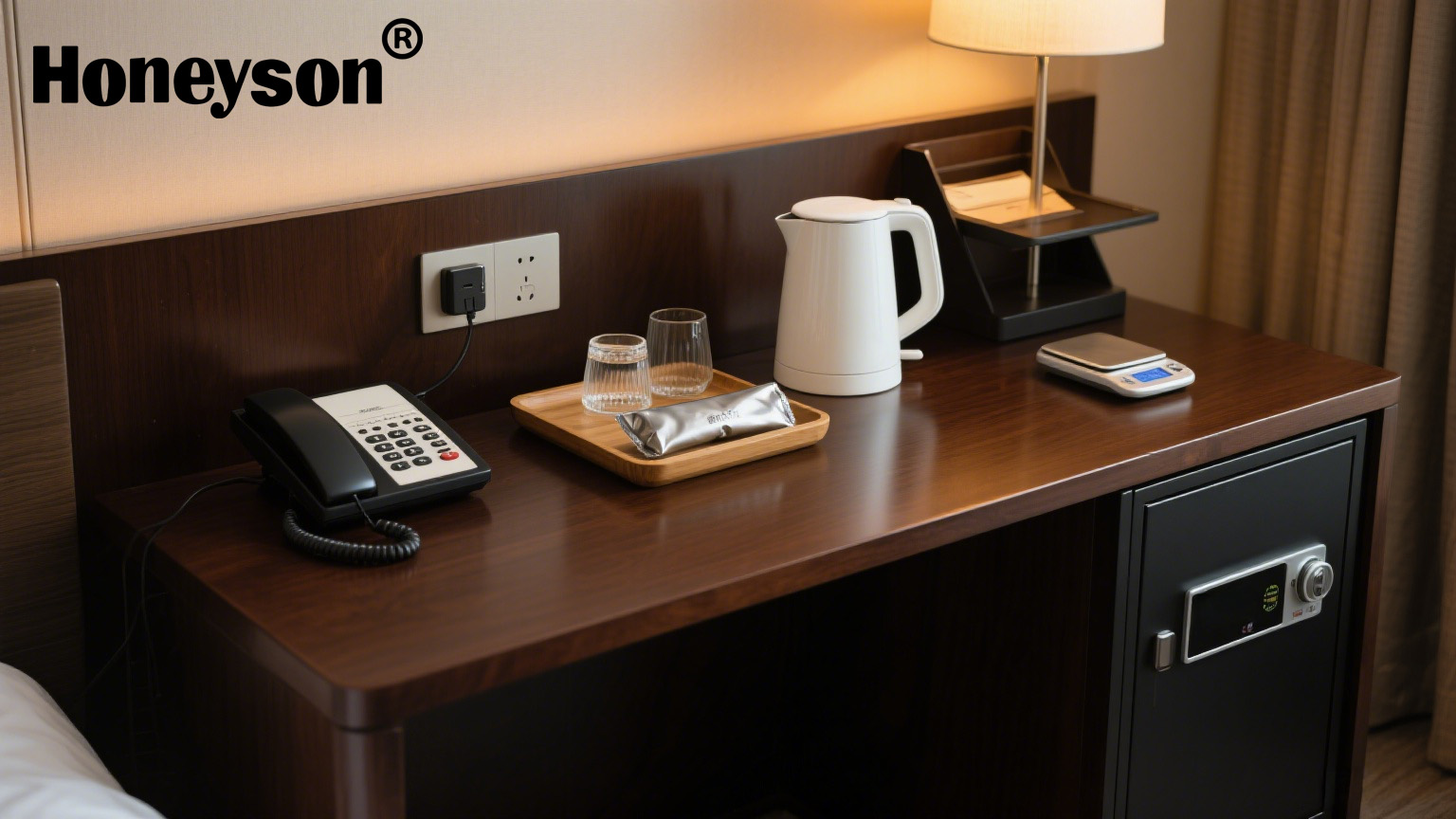
The strategic planning of hotel room appliances and guest room equipment differs significantly between these two scenarios. New construction projects allow for comprehensive planning from the earliest design stages, enabling coordinated procurement of all hotel supplies simultaneously. Renovation projects, by contrast, must work within existing infrastructure, guest occupancy schedules, and phased implementation timelines. This article explores the critical differences in planning, sourcing, and deployment strategies for both project types, helping you make informed decisions about OEM hotel supplies procurement.
New Build Hotel Supplies Planning
Coordinated Procurement Strategy
New hotel construction presents a unique opportunity to plan hotel supplies procurement comprehensively from architectural conception through final opening. This phased approach begins during the design phase when hospitality leaders, architects, and suppliers collaborate to determine exact quantities and specifications for all guest room equipment. The advantage is substantial: bulk ordering of standardized hotel room appliances typically yields significant volume discounts while ensuring consistency across every guest room. Coordinating with OEM hotel supplies vendors early allows for customization options, branded packaging, and long lead-time items that enhance the guest experience.
The new build timeline typically spans eighteen to thirty-six months from concept to opening, providing ample opportunity for strategic sourcing. Procurement teams can negotiate extended payment terms, establish relationships with reliable suppliers, and implement quality assurance protocols before receiving shipments. When planning hotel supplies for new construction, consider establishing centralized receiving and storage facilities that accommodate bulk deliveries. This prevents bottlenecks in final room setup and allows adequate time for quality inspections before guest room equipment is installed.
Standardization and Economies of Scale
New construction projects benefit enormously from standardized hotel supplies selections across all guest rooms. Selecting one or two primary types of hotel room appliances simplifies procurement, reduces SKU complexity, and accelerates staff training. OEM hotel supplies contracts for new builds often include volume commitments that generate substantial cost savings compared to ongoing renovation-phase purchasing. When ordering thousands of identical items for guest room equipment simultaneously, suppliers provide better pricing and prioritize production schedules to meet project deadlines.
Standardization also streamlines maintenance and replacement strategies. Staff members become familiar with uniform hotel supplies specifications, reducing service call times and training requirements. Guest room equipment from a single OEM vendor ensures compatibility, warranty alignment, and simplified spare parts inventory management throughout the property's operational life.
Renovation Project Hotel Supplies Planning
Phased Implementation and Occupancy Constraints
Renovation projects operate under fundamentally different operational constraints than new construction. Existing guest occupancy, ongoing revenue generation, and limited window availability require phased hotel supplies procurement that aligns with floor-by-floor or section-by-section renovation schedules. Unlike new builds where all hotel room appliances arrive before opening, renovations demand carefully timed deliveries that synchronize with construction phases and room closure periods. This staged approach necessitates smaller order quantities placed across multiple periods, typically resulting in higher per-unit costs for hotel supplies compared to new construction bulk purchasing.
Managing guest room equipment replacement during active operations requires enhanced coordination with housekeeping, maintenance, and front office teams. Hotel supplies must arrive precisely when rooms are closed for renovation, preventing damage to inventory in temporary storage and minimizing disruption to operational flow. Renovation timelines often prove less predictable than new builds due to unexpected structural issues, regulatory compliance requirements, or design modifications discovered during active construction.
Balancing Budget Flexibility and Vendor Relationships
Renovation projects benefit from maintaining flexible vendor relationships with multiple OEM hotel supplies providers. Rather than committing to single-source procurement as new builds often do, renovations work more effectively when procurement teams cultivate relationships with secondary suppliers capable of rapid fulfillment on shorter notice. This approach provides contingency capacity when primary suppliers face delays or when unexpected renovation scope expansions require additional guest room equipment. The trade-off is higher unit pricing, but the operational flexibility justifies this incremental cost.
Budget considerations also differ substantially between project types. New construction typically allocates fixed capital budgets at project initiation, whereas renovations operate with rolling budgets adjusted for ongoing financial performance. This means hotel supplies planning must remain flexible enough to accommodate budget fluctuations while maintaining quality standards. Negotiating tiered pricing structures with vendors—where unit costs decrease as order quantities increase within specified periods—helps manage renovation budget variability while capturing some economies of scale.
Supplier and Product Selection Considerations
Vendor Capacity and Lead Times
Selecting OEM hotel supplies vendors requires different evaluation criteria for new builds versus renovations. New construction demands suppliers with substantial production capacity capable of manufacturing large volumes within compressed timeframes. A vendor's ability to deliver ten thousand guest room appliances within a three-month window directly impacts project success. Renovation projects, conversely, prioritize supplier flexibility and responsive customer service. The ability to fulfill smaller orders with rapid turnaround often outweighs maximum production capacity in renovation scenarios.
Lead times represent a critical planning variable for both project types but manifest differently. New build projects can absorb longer lead times because procurement occurs early in the construction timeline. Renovations, however, require shorter lead times to align with compressed renovation windows and room closure schedules. When evaluating hotel supplies vendors for renovation work, verify their minimum order quantities, standard lead times, and rush-order capabilities. Some OEM hotel supplies providers maintain regional warehouses specifically designed to serve renovation projects with rapid fulfillment.
Quality, Durability, and Guest Experience Standards
Both new builds and renovations must maintain consistent quality standards for guest room equipment, but the quality emphasis may differ strategically. New construction projects can specify premium-tier hotel room appliances throughout the property, establishing quality baselines for the entire guest experience from opening day. Renovation projects often encounter mixed situations where newly upgraded rooms coexist with rooms awaiting future renovation phases. This creates an opportunity to strategically upgrade guest room equipment in key room categories—such as suites and premium rooms—while maintaining functional but less prominent hotel supplies in standard rooms.
The durability requirements for hotel supplies differ between project types based on usage patterns and replacement cycles. New construction projects should prioritize guest room equipment engineered for intensive hospitality environments with extended service lives. Renovation projects can occasionally consider performance-tier options that balance durability with cost-effectiveness, knowing that complete replacement cycles will eventually reach all rooms. This flexibility in renovation purchasing allows properties to optimize capital deployment across multiple phases.
FAQ
What is the primary cost difference between hotel supplies procurement for new builds versus renovations?
New builds achieve significant per-unit cost savings through bulk purchasing and standardization. Renovation projects typically pay 15–30% premium pricing due to smaller order quantities, phased purchasing across multiple periods, and the requirement for flexible supplier relationships. However, renovations offer flexibility to prioritize premium guest room equipment in key room categories rather than standardizing across all rooms, potentially offsetting costs through revenue optimization of higher-tier accommodations.
How should hotel supplies inventory planning differ between project types?
New construction requires centralized receiving infrastructure capable of managing large bulk shipments with appropriate storage and quality inspection facilities. Renovation projects need distributed, flexible storage solutions and just-in-time delivery coordination with phased construction schedules. New builds can pre-position complete hotel room appliances inventories, while renovations demand smaller safety stocks managed through frequent replenishment orders aligned with renovation phase timelines.
Can renovation projects negotiate comparable pricing on OEM hotel supplies as new builds?
Renovation projects can improve pricing through extended-contract commitments spanning multiple renovation phases, establishing volume targets across the entire multiyear project. While unit pricing typically exceeds new build rates, structuring renovation purchasing as a long-term vendor relationship rather than individual orders helps capture volume-based discounts. Some suppliers offer renovation-specific pricing tiers designed for phased guest room equipment rollouts in existing properties.
