
 EN

Developing new hotel room appliances requires a structured approach that balances innovation with reliability and guest satisfaction. The pilot sample phase represents a critical milestone in this journey, where hotel supplies suppliers collaborate with hotel operators to validate product performance, durability, and user experience before full-scale production and deployment across properties.
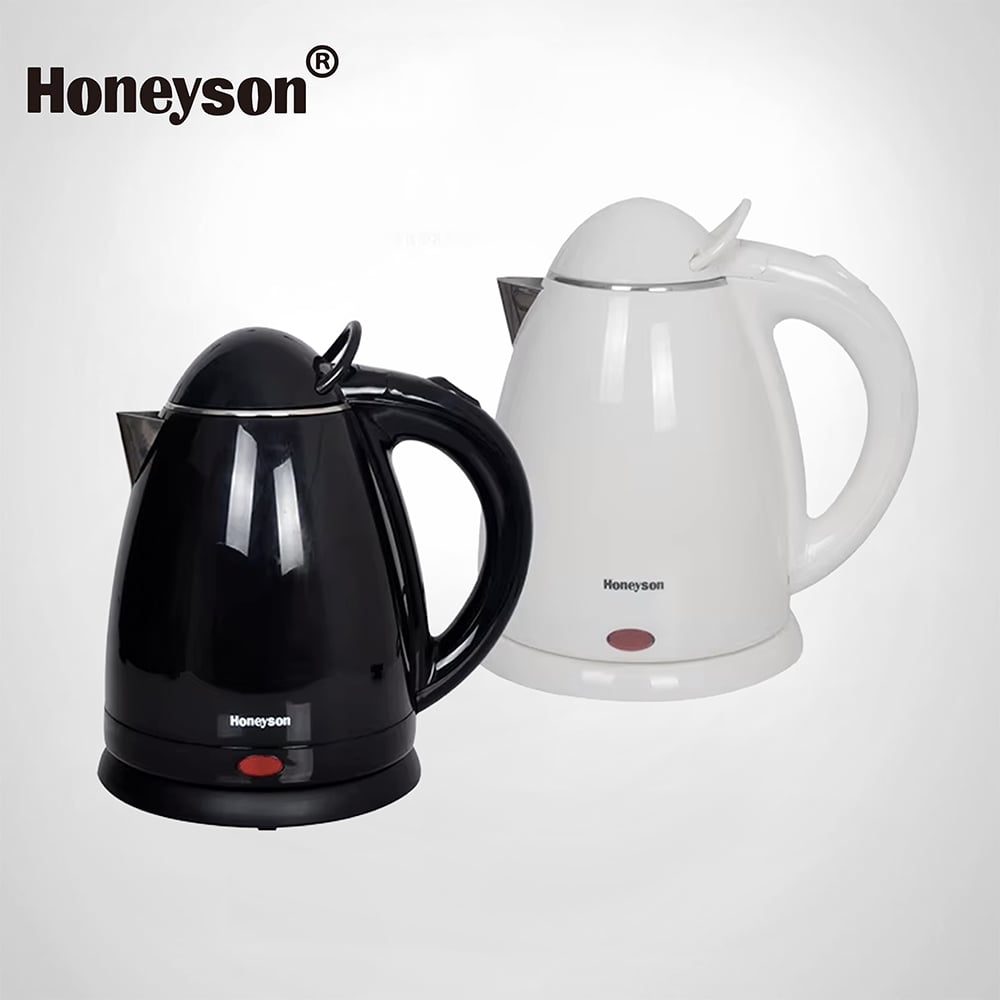
The pilot sample and approval process serves as a bridge between concept and implementation, ensuring that guest room equipment meets operational demands, safety standards, and aesthetic requirements. By working with hotel supplies during this phase, hospitality chains can identify potential issues early, refine specifications, and build confidence in the product before committing to large orders. This systematic approach protects brand reputation, reduces waste, and accelerates time-to-market for new hotel room appliances.
Understanding the Pilot Sample Phase
Purpose and Scope of Pilot Testing
Pilot samples serve as functional prototypes that bridge engineering design and production reality. Hotel supplies suppliers provide these samples to test real-world performance in actual guest room environments, where factors like temperature fluctuations, water quality, electrical consistency, and intensive daily use simulate authentic operational conditions. The pilot phase allows hospitality teams to validate that OEM hotel supplies perform reliably under stress and that the product design aligns with housekeeping workflows, guest expectations, and maintenance protocols.
During this stage, hotel room appliances are assessed for energy efficiency, noise levels, ease of cleaning, durability of materials, and compatibility with existing electrical and plumbing infrastructure. Guest room equipment samples may be installed in a limited number of rooms across different property types—boutique hotels, mid-scale chains, luxury resorts—to capture diverse usage patterns. This diversity ensures that the final product performs consistently regardless of property size, climate, or guest demographics, strengthening the value proposition of hotel supplies across market segments.
Key Evaluation Criteria
Evaluation during the pilot phase focuses on functionality, safety, and user experience. Hotel supplies are tested for performance against published specifications, durability under continuous use, ease of maintenance and repair, aesthetic appeal in room settings, and compliance with hospitality industry standards. Guest room equipment must demonstrate reliability without excessive downtime, minimal noise emission to preserve guest comfort, and simple operation that requires minimal staff training.
Safety testing is paramount, as hotel room appliances directly contact guests and staff. Electrical safety, thermal protection, material non-toxicity, and failure mode assessment all drive pilot validation. Hotel supplies suppliers document all performance data, failure incidents, user feedback, and maintenance requirements during the pilot period to inform approval decisions and future manufacturing specifications.
Structured Approval Stages
Technical Specification Review and Sample Submission
The approval process begins when OEM hotel supplies are formally submitted with comprehensive technical documentation. Hotel supplies suppliers provide detailed specifications covering materials, dimensions, electrical ratings, performance benchmarks, and safety certifications. This stage establishes a baseline agreement between the supplier and the hospitality operator regarding what the product claims to deliver and how it will be measured during pilot testing. Guest room equipment specifications must align with the hotel's sustainability goals, energy management systems, and operational standards before physical samples are approved for field deployment.
Field Testing and Performance Monitoring
Once technical specifications are confirmed, pilot hotel room appliances are installed in designated guest rooms for a defined evaluation period, typically ranging from four to twelve weeks depending on product complexity and usage intensity. Hotel supplies are monitored continuously through staff observation, guest feedback collection, maintenance logs, and performance metrics. Hotel supplies suppliers often assign technical representatives to oversee installation, provide training, and document any anomalies or concerns. This real-world testing phase generates actionable data that identifies design weaknesses, manufacturing inconsistencies, or operational mismatches before full-scale production begins.
Guest room equipment performance is benchmarked against competitor products and historical industry standards. Hotel supplies data collected during this phase informs cost-benefit analyses, warranty requirements, and maintenance scheduling. OEM hotel supplies that demonstrate consistent performance, minimal guest complaints, and predictable maintenance needs advance to the approval decision phase with stronger business cases and reduced implementation risk.
Quality and Compliance Verification
Before final approval, hotel supplies suppliers must verify compliance with local electrical codes, plumbing standards, and safety regulations specific to each hospitality market. Guest room equipment testing includes third-party certification for electrical safety, material durability, and environmental impact. Hotel supplies must pass fire safety assessments, chemical compatibility tests, and stress testing to ensure they perform reliably throughout their intended service life. Documentation of all compliance activities becomes part of the formal approval record and supports future procurement decisions across property portfolios.
Decision Framework and Implementation
Approval Criteria and Go-or-No-Go Decisions
Approval decisions rest on clear, documented criteria established before the pilot phase begins. Hotel supplies suppliers work with hospitality purchasing teams to define acceptance thresholds for performance, safety, cost, and operational impact. Guest room equipment that meets or exceeds all approval criteria receives formal sign-off for production ramp and deployment. Hotel room appliances that fail to meet key criteria may be rejected, sent back for redesign, or approved conditionally pending specific modifications. OEM hotel supplies that perform exceptionally well may be fast-tracked for immediate large-scale orders, while marginal performers may enter extended pilot phases in additional properties before final decisions are reached.
The approval framework also considers total cost of ownership, including purchase price, installation labor, training requirements, maintenance frequency, and eventual replacement cycles. Hotel supplies with higher upfront costs may still achieve approval if they demonstrate superior durability, energy savings, or guest satisfaction that justify premium pricing over the product lifecycle.
Scaling Production and Deployment
Upon approval, hotel supplies suppliers transition from sample production to scaled manufacturing, implementing quality controls and consistency measures established during pilot testing. Guest room equipment manufacturing specifications are locked based on pilot learnings, and production runs are validated through ongoing sampling and testing. Hotel room appliances are deployed across property portfolios according to planned rollout schedules, with staggered implementation allowing for staff training, feedback integration, and supply chain stability. Hotel supplies deployment may be accelerated or decelerated based on early field performance, market feedback, and competitive pressures, but the foundation of confidence built through rigorous pilot and approval stages mitigates operational risks significantly.
FAQ
How long does the pilot sample approval process typically take?
The typical timeline ranges from four to six months, including technical specification review (two to four weeks), pilot field testing (four to twelve weeks), quality verification (two to four weeks), and approval decision-making (one to two weeks). Complex guest room equipment or OEM hotel supplies with novel features may extend this timeline. Hotel supplies suppliers work to minimize delays while ensuring thorough evaluation and documentation of all pilot results before final approval decisions are made.
What happens if pilot hotel room appliances fail approval standards?
Failed pilot samples typically trigger redesign requests or return to the supplier for modification. Hotel supplies suppliers may conduct root cause analysis to identify specific issues—material defects, design flaws, or manufacturing inconsistencies—that contributed to poor pilot performance. Guest room equipment can be resubmitted for a second pilot phase after corrections are implemented, or the hotel may reject the product entirely and pursue alternative OEM hotel supplies options. Documentation of failures and corrective actions strengthens the procurement process for future evaluations.
Can hotels customize guest room equipment during pilot phases?
Customization is possible but typically limited to cosmetic modifications or integration features that don't compromise core functionality or safety. Hotel room appliances may be customized with branded colors, electrical outlet configurations specific to regional standards, or software interfaces that integrate with hotel management systems. Hotel supplies suppliers assess customization feasibility and cost impact during pilot planning, and any modifications must be validated within the pilot phase before full-scale production approval is granted.
