
 EN

The hospitality industry demands precision in every operational detail, and effective hotelic logistics represents a critical competitive advantage for hotel operators and equipment suppliers. Proper packaging and logistics strategies directly impact cost efficiency, product integrity, installation timelines, and overall guest experience. Hotel room equipment—from kettles to electrical fixtures—requires specialized handling protocols that balance protection, sustainability, and operational speed. Understanding optimization strategies ensures that hotel electrical products reach their destination in perfect condition while maintaining profitability across the supply chain.
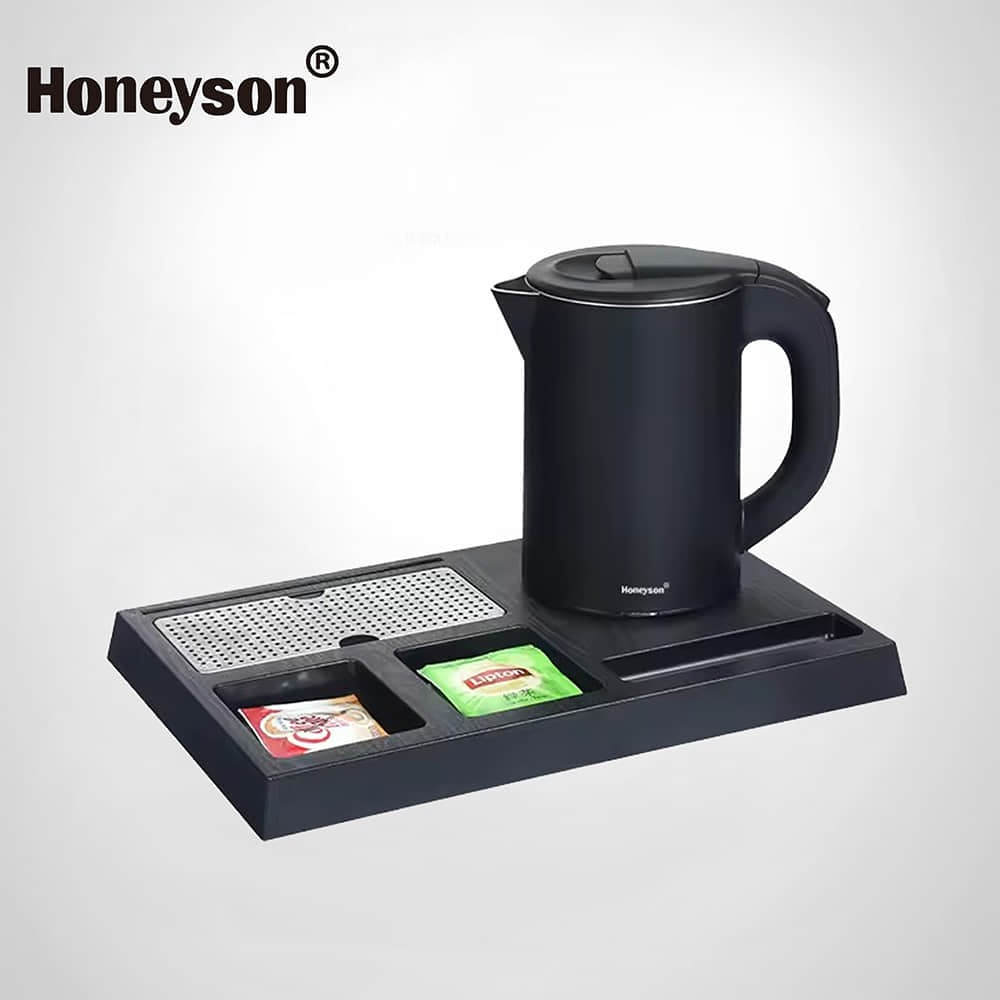
OEM hotel equipment packaging demands a fundamentally different approach than consumer goods logistics. Hotel operators expect minimal damage rates, rapid turnaround times, and cost-effective solutions that don't compromise on safety or compliance. The hotelic sector encompasses everything from in-room beverage systems to lighting controls, climate management devices, and entertainment equipment. Each category presents unique packaging challenges, regulatory requirements, and handling considerations that directly influence overall project success and operational efficiency in hospitality settings.
Strategic Packaging Design for Hotel Room Equipment
Material Selection and Protective Layering
Selecting appropriate packaging materials represents the foundation of effective hotelic logistics. Hotel room equipment typically involves delicate electrical components, precise mechanisms, and surfaces that must remain pristine upon arrival at the property. Corrugated cardboard with internal foam padding, cushioning films, and protective barriers create multiple layers of defense against shock, vibration, and moisture exposure during transit. OEM hotel equipment suppliers must balance protective requirements with weight considerations—excessive packaging increases shipping costs, while inadequate protection leads to costly damage claims and operational delays.
Customized Interior Configuration
Interior packaging design for hotel electrical products requires meticulous attention to product positioning and movement prevention. Custom foam inserts, molded compartments, and retention systems keep components secure during transport, eliminating the shifting and friction that causes surface damage. Hotelic logistics experts recognize that professional presentation begins at unboxing—organized, protective interiors reflect product quality and reduce installation staff frustration. Clear labeling, component grouping, and accessory organization within each box streamline hotel setup procedures and minimize operational friction during property renovations or equipment replacements.
Logistics Network Optimization for Hospitality Supply Chains
Warehouse Location and Regional Distribution
Strategic warehouse positioning significantly impacts delivery timelines and transportation costs for hotel room equipment. Suppliers of OEM hotel equipment benefit from distributed regional fulfillment centers that reduce shipping distances to major hotel chains and property clusters. Hotelic logistics planning requires understanding geographic concentrations of hospitality properties, seasonal renovation cycles, and property expansion timelines. Distribution nodes positioned near metropolitan hotel markets enable faster fulfillment, reduced transit times, and lower per-unit shipping expenses compared to centralized warehousing models.
Carrier Selection and Consolidation Strategies
Choosing appropriate carriers for hotel electrical products involves evaluating reliability, handling expertise, damage records, and service frequency. LTL (less-than-truckload) shipments work well for smaller orders, while consolidated full-truckload shipments reduce per-unit costs for major hotel renovations or chain-wide equipment rollouts. Hotelic suppliers develop carrier relationships based on experience with fragile equipment, understanding of hospitality project timelines, and proven track records minimizing damage. Consolidation strategies—combining shipments from multiple orders destined for the same region—leverage economies of scale while maintaining on-time delivery commitments that hotel projects demand.
Compliance, Sustainability, and Cost Control
Regulatory Requirements and Safety Documentation
Hotel room equipment and hotel electrical products must comply with numerous regulations covering electrical safety, flammability standards, packaging material requirements, and international shipping rules. Effective hotelic logistics encompasses proper documentation, safety certifications, hazard labeling, and compliance verification at every stage. OEM hotel equipment manufacturers bear responsibility for ensuring that packaging, shipping methods, and handling procedures meet OSHA, UL, CE, and region-specific requirements. Non-compliance risks include regulatory fines, project delays, property liability exposure, and reputational damage that extends far beyond immediate financial impact.
Sustainability and Cost Reduction Integration
Modern hotelic logistics increasingly emphasizes sustainable packaging practices that reduce environmental impact while maintaining cost efficiency. Recyclable cardboard, biodegradable cushioning materials, and right-sized packaging dimensions minimize waste without sacrificing product protection. Reduced packaging dimensions lower shipping weights, decrease dimensional weight charges, and reduce storage footprint at hotel properties. Sustainable practices in hotel electrical products logistics appeal to environmentally conscious hotel chains while generating measurable cost savings across the supply chain. Integration of eco-friendly materials, returnable containers, and optimized packaging designs represents both an ethical commitment and a financial strategy.
FAQ
What makes hotelic packaging different from standard commercial packaging?
Hotelic packaging prioritizes durability, professional presentation, and compliance with hospitality industry standards. Hotel room equipment arrives at properties where installation teams operate on tight timelines, requiring organized, well-protected components that reflect product quality. Unlike consumer packaging, hotelic logistics emphasizes functionality, damage prevention, and ease of installation rather than shelf appeal or consumer marketing elements.
How can OEM hotel equipment suppliers reduce logistics costs without compromising quality?
Consolidating shipments, optimizing warehouse locations, selecting appropriately sized packaging, and negotiating volume-based carrier rates drive significant cost reductions. Hotel electrical products benefit from regional distribution strategies that balance inventory carrying costs against faster delivery capabilities. Sustainable packaging materials that reduce weight and dimensions lower shipping expenses while improving environmental performance and brand perception.
What compliance requirements apply to international hotelic logistics?
International hotel room equipment shipments must meet electrical safety standards (CE, UL certifications), packaging material regulations, and country-specific import requirements. OEM hotel equipment suppliers should verify documentation requirements, customs classifications, and regional hazard material restrictions before shipment. Working with freight forwarders experienced in hospitality logistics ensures compliance across borders and eliminates delays caused by regulatory oversights.
