
 EN
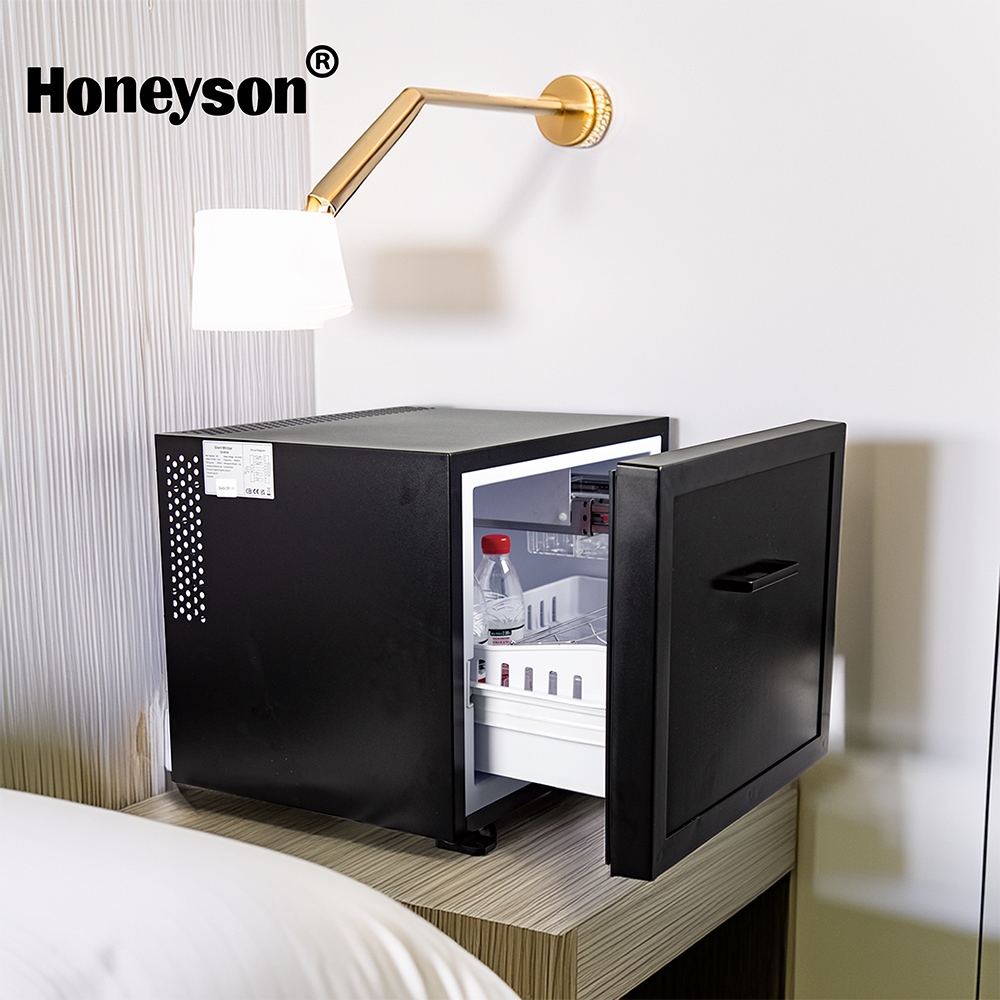
Safety cutoffs represent one of the most critical design features in modern hotel room equipment, yet most guests never see them in action. These ingenious mechanisms automatically shut down electrical devices when dangerous conditions arise, protecting occupants from fire hazards, electrical shock, and equipment damage. Understanding how safety cutoffs work reveals why they are fundamental to every responsible hotel electrical products installation and why OEM hotel equipment manufacturers invest so heavily in their development.
The integration of safety cutoffs into hotel room equipment reflects decades of industry evolution and regulatory pressure to minimize liability and guest risk. From hair dryers to heating elements, each device in a modern hotel benefits from sophisticated safety engineering. The hotelic approach to equipment design demonstrates how manufacturers blend convenience with protection, ensuring that guests enjoy a safe environment without compromising functionality or comfort.
The Engineering Principles Behind Safety Cutoffs
Thermal Sensing and Temperature Control
Thermal cutoffs form the backbone of safety in hotel electrical products because excessive heat is the leading cause of electrical fires in guest rooms. These sensors continuously monitor temperature throughout the device and trigger automatic shutdown when heat exceeds safe operating thresholds. OEM hotel equipment designers embed these sensors at critical points—near heating elements, inside motor housings, and along conductive pathways—to catch dangerous temperature spikes before they become fires.
The mechanism works through a simple but elegant principle: a bimetallic strip or thermistor responds to heat by expanding or changing electrical resistance. When temperature reaches a preset threshold, typically between 140 and 170 degrees Celsius depending on the device type, the sensor triggers a mechanical or electronic switch that cuts power completely. Once the device cools and the sensor resets, normal operation resumes. This automatic reset feature ensures guests are not stranded without essential amenities due to a temporary overheat condition.
Overload Protection and Circuit Intelligence
Electrical overloads pose a second critical risk that hotel room equipment must address through intelligent design. When too much current flows through a circuit—caused by user error, manufacturing defect, or environmental factors—wires can overheat and ignite surrounding materials. Modern hotel electrical products incorporate overload cutoffs that detect abnormal current draw and interrupt power within milliseconds. These systems use current-sensing components that act like electronic watchdogs, constantly measuring power consumption and comparing it against safe operating ranges.
OEM hotel equipment manufacturers employ multiple protection strategies to handle overload scenarios. Fast-acting fuses provide the simplest approach, sacrificing themselves by melting when current exceeds their rated capacity. Modern devices use resettable fuses and electronic current limiters that respond more precisely and allow equipment to recover without replacement. Smart devices now incorporate software-based monitoring that logs overload events and alerts maintenance teams to potential hazards before they endanger future guests.
Practical Implementation in Common Hotel Devices
Hair Dryers and Personal Care Equipment
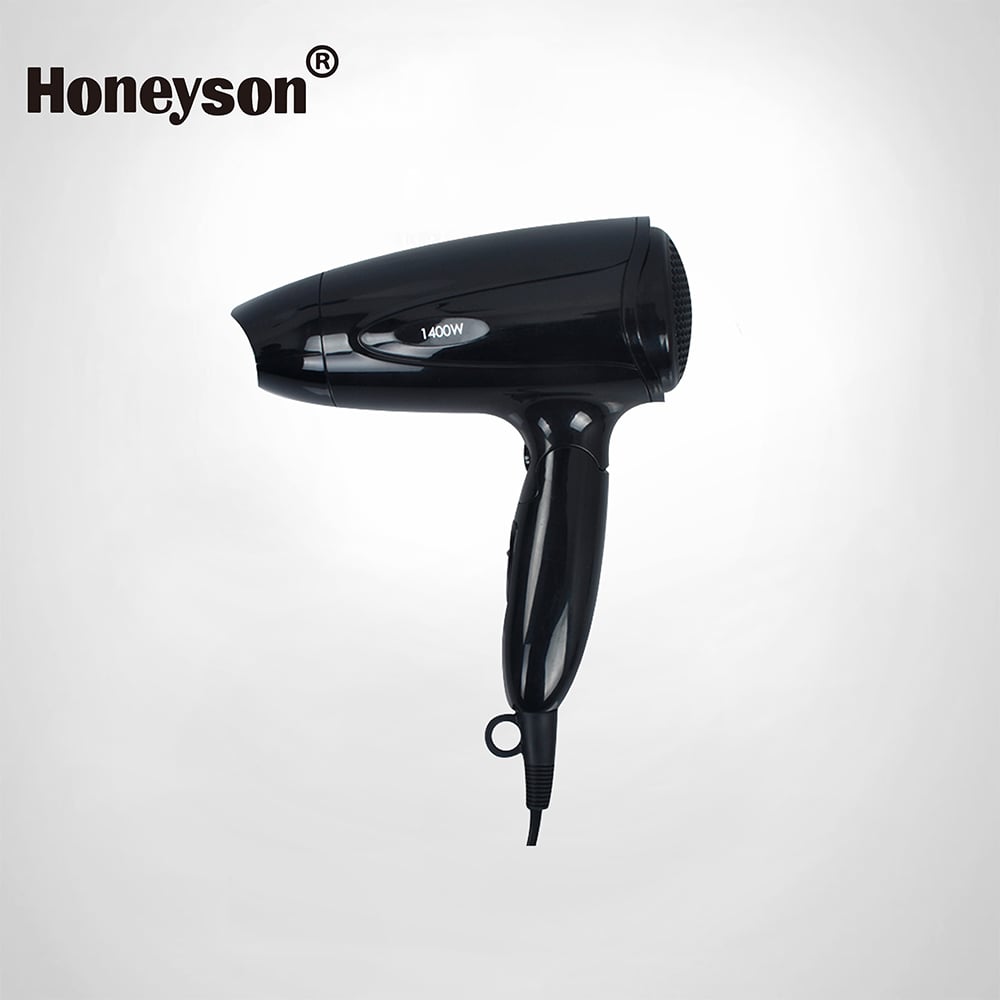
Hair dryers represent perhaps the most critical application for safety cutoffs in hotel electrical products because guests use them frequently, sometimes unsupervised, and often in wet bathroom environments where electrical risk is amplified. The heating element in a hotel hair dryer consumes significant power and generates intense heat, making it a fire hazard if any failure occurs. Leading OEM hotel equipment designers now equip all commercial hair dryers with dual safety cutoffs: a thermal sensor that monitors element temperature and an overload detector that watches for excessive current draw.
When a guest accidentally blocks a hair dryer's air intake, the heating element rapidly rises in temperature because airflow can no longer dissipate heat. A properly designed safety cutoff detects this dangerous condition within seconds and shuts the dryer down automatically. Similarly, if the motor develops a fault that causes excessive current, the electrical cutoff engages before the motor can smoke or catch fire. This layered protection approach is now standard in quality hotel electrical products across the industry.
In-Room Coffee Makers and Heating Elements
In-room coffee makers present unique safety challenges because water and electricity occupy the same appliance, creating risk of electrical hazard if water reaches live components. Hotel room equipment manufacturers address this through multiple cutoff strategies integrated into the machine's design. A water level sensor triggers automatic shutdown if water overflows or leaks toward electrical components, while a thermal cutoff prevents the heating element from reaching dangerous temperatures even if water circulation fails.
OEM hotel equipment designers also incorporate drain tray sensors that detect water pooling in areas where it could seep into electrical circuits. If water accumulates abnormally, the device powers down and alerts housekeeping to maintenance issues. These multi-stage safety mechanisms represent how sophisticated modern hotel electrical products have become, protecting guests and reducing costly fire damage and liability exposure.
Regulatory Standards and Compliance Requirements
International Safety Standards for Hospitality Equipment
Hotel room equipment must meet stringent international safety standards that mandate specific cutoff mechanisms and response times. Standards such as IEC 60950 and UL 2089 establish minimum performance requirements for commercial electrical devices, including mandatory safety cutoffs for thermal and electrical hazards. These regulations require that cutoffs respond to dangerous conditions within strict timeframes, typically under 10 seconds for thermal events and under 100 milliseconds for electrical overloads.
Compliance testing is rigorous and ongoing throughout the manufacturing process. OEM hotel equipment manufacturers must demonstrate that their safety cutoffs function reliably across thousands of operating cycles, in various humidity levels, and across temperature ranges that hotel environments present. Independent laboratories verify that cutoff mechanisms do not fail prematurely or respond false positives that would frustrate guests with unnecessary shutdowns.
Liability Protection and Risk Mitigation
From a business perspective, robust safety cutoffs in hotel electrical products directly reduce property liability exposure. Insurance carriers and fire marshals examine safety equipment when evaluating hotel risk profiles, and properties with inadequate cutoff systems face higher premiums and regulatory scrutiny. Hotels that invest in quality OEM hotel equipment featuring proven safety cutoffs demonstrate clear commitment to guest protection, reducing exposure to lawsuits following electrical fires or injuries.
Documentation of safety features also protects hotels during incident investigations. When an electrical event occurs, thorough records showing that equipment included functioning safety cutoffs and met all regulatory requirements significantly strengthen the property's legal position. Conversely, hotels using substandard equipment without proper cutoff mechanisms face severe consequences if an electrical fire or injury occurs that could have been prevented through proper equipment selection.
Future Trends in Safety Cutoff Technology
The future of safety cutoffs in hotel electrical products points toward increasingly intelligent, connected systems that go beyond simple shutdown mechanisms. Smart cutoff systems now communicate with building management software, alerting staff when thermal thresholds approach critical levels rather than waiting for dangerous conditions to develop. IoT-enabled OEM hotel equipment can report maintenance needs before failures occur, allowing preventive service that keeps devices safe and operational.
Predictive analytics combined with machine learning enable manufacturers to refine cutoff response curves based on real-world failure data. Over time, systems become smarter at distinguishing normal operation variations from genuine safety threats, reducing false shutdowns while maintaining absolute protection against actual hazards. Next-generation hotel room equipment will likely incorporate multi-sensor fusion that evaluates electrical, thermal, and environmental factors simultaneously, providing comprehensive protection that adapts to specific device characteristics and usage patterns.
FAQ
Why do hotel hair dryers turn off automatically?
Automatic shutoff in hotel hair dryers occurs because safety cutoffs have detected either excessive heat from a blocked air intake or electrical overload from a motor malfunction. These cutoffs are built into quality hotel electrical products to prevent fires and protect guests from electrical hazards. The device shuts down automatically to eliminate the danger, and it typically resets once it cools and the fault condition clears.
What happens when a safety cutoff activates in hotel room equipment?
When a safety cutoff activates, power to the device stops almost instantaneously, halting any ongoing electrical hazard. For thermal cutoffs, this prevents heating elements from igniting surrounding materials, while electrical cutoffs stop excessive current before wires overheat. Most OEM hotel equipment cutoffs are designed to reset automatically after the dangerous condition clears, allowing guests to resume using the device once it has cooled or the fault is resolved.
How do hotels ensure their electrical equipment has adequate safety cutoffs?
Hotels ensure adequate safety by purchasing only from reputable OEM hotel equipment manufacturers who explicitly document their safety cutoff mechanisms and provide compliance certifications. Regular maintenance inspections verify that cutoffs remain functional and responsive, while staff training ensures housekeeping recognizes signs of equipment malfunction or repeated cutoff activation that indicates underlying problems requiring device replacement or repair.
