
 EN
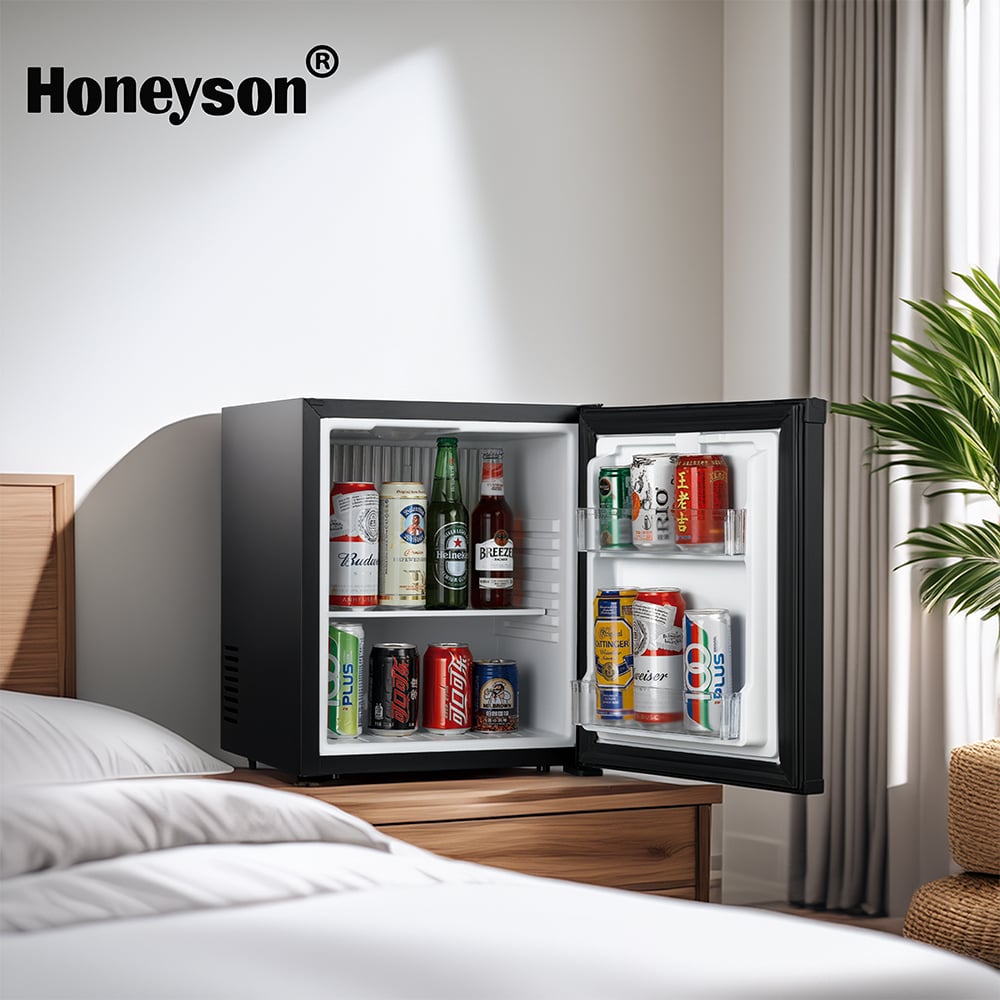
Efficient container loading represents a critical operational challenge for hotel supply distributors managing diverse product shipments. When multiple appliance types share a single container, optimization requires careful planning to maximize space utilization, minimize damage risk, and reduce transportation costs. Mixed container loading has become the industry standard as hotels increasingly demand consolidated shipments rather than numerous individual deliveries.
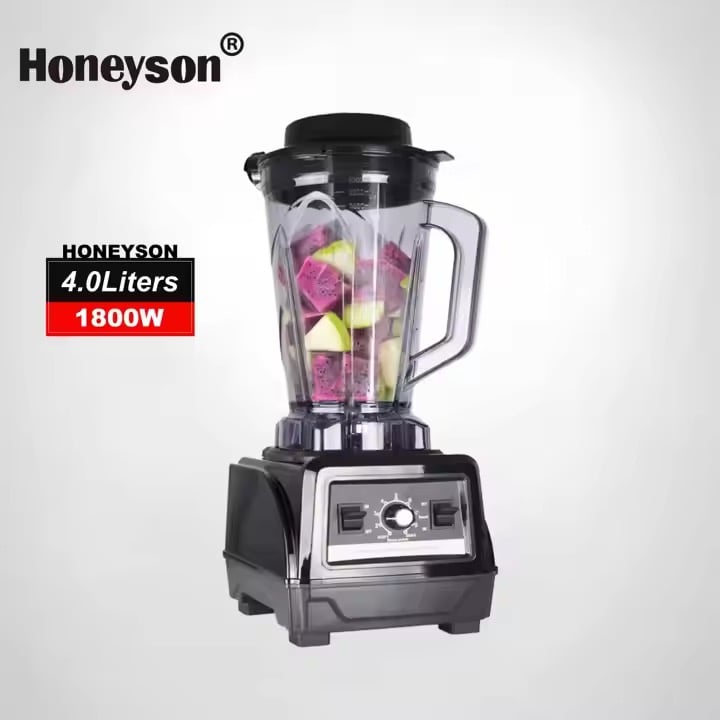
Modern hotel appliance distributor networks handle everything from beverage equipment to laundry systems within the same shipment. This approach demands sophisticated sequencing strategies, protective packaging protocols, and weight distribution knowledge. Understanding these optimization practices ensures that both OEM hotel appliances and guest room supplies arrive in perfect condition while reducing logistics overhead.
Planning Weight Distribution and Container Capacity
Calculating Load Limits Across Equipment Types
Hotel supply requires precise weight calculations before any item enters the container. Each appliance category carries different specifications: refrigeration units, beverage makers, and heating equipment have distinct mass profiles and center-of-gravity points. Hotel appliance distributor professionals must account for both individual item weight and the cumulative load distribution across the container floor. Exceeding weight limits creates safety hazards during transport and at delivery sites where forklifts or manual handling becomes necessary.
OEM hotel appliances typically arrive pre-packaged with protective materials, which adds significant volume and weight beyond the equipment itself. Distributors must factor in packaging weight, pallet dimensions, and any additional cushioning materials needed for fragile components. The goal involves maximizing density without compromising structural integrity or exceeding legal transportation weight limits established by regulatory bodies.
Balancing Heavy and Light Items Strategically
Proper placement of guest room supplies and larger equipment within a shared container dramatically impacts transport stability. Heavy items like commercial refrigerators or ice machines should occupy lower positions closer to the container floor, establishing a stable foundation. Lighter guest room supplies, linens, and smaller equipment items belong in upper layers where weight distribution remains manageable. This vertical arrangement reduces shifting during transit and minimizes stress on lighter items positioned beneath heavier products.
Organizing Product Categories and Securing Fragile Equipment
Grouping Compatible Products for Efficiency
Hotel supply management improves dramatically when related appliances occupy adjacent spaces within the container. Beverage systems should cluster together, allowing consolidated power cord management and similar handling requirements. Similarly, OEM hotel appliances like coffee makers and juice dispensers benefit from proximity during both loading and unloading operations. This organizational strategy reduces warehouse handling time, minimizes inventory search time at destination facilities, and creates clear visual organization for receiving teams.
Guest room supplies such as small refrigerators, kettles, and entertainment systems deserve their own designated zones within the container. Grouping these items by room section or floor assignment eases distribution at hotels, allowing bellhop teams to collect pre-assembled sets rather than searching across the entire delivery truck. Hotel appliance distributor operations become smoother when receiving staff understand the intentional arrangement rather than facing seemingly random product placement.
Protecting Electronics and Sensitive Surfaces
Fragile hotel appliance distributor shipments demand layered protection strategies that go beyond simple cardboard wrapping. OEM hotel appliances feature touch screens, stainless steel surfaces, and precision mechanical components requiring cushioning materials positioned between adjacent products. Foam padding, bubble wrap, and corrugated separators create buffer zones that absorb vibration and prevent metal-to-metal contact during transport. Hotels cannot accept equipment arriving with scratched surfaces or compromised functionality, making protection protocols non-negotiable.
Guest room supplies often include breakable items like glassware, lamp fixtures, and mirror-adorned shelving units that share container space with heavier hotel supply equipment. These delicate products require separate compartmentalization using cardboard dividers or protective shells. The hotel appliance distributor must ensure that equipment delivery trucks arrive at destinations without visible damage or operational defects, protecting both brand reputation and customer satisfaction metrics.
Implementing Loading Sequences and Quality Assurance
Establishing Logical Loading Order and Unloading Efficiency
Professional hotel supply distributors follow systematic loading sequences that anticipate unloading requirements at destination hotels. Items needed immediately upon arrival should occupy positions near the container doors, eliminating unnecessary repositioning of other products during discharge. Guest room supplies destined for upper floors may load last, sitting toward the rear where they remain undisturbed until delivery completion. This reverse-sequence loading approach, sometimes called LIFO (last-in-first-out), mirrors the actual unloading workflow and accelerates hotel receiving processes.
OEM hotel appliances requiring installation coordination should load in an order that allows installation teams immediate access without requiring other items to move. Hotel appliance distributor logistics coordinators work backward from the delivery timeline, ensuring that high-priority equipment emerges first from containers while less time-sensitive guest room supplies remain stacked safely. This planning discipline transforms container interiors from chaotic mixed shipments into purposeful arrangements that streamline every downstream operation.
Documentation and Damage Prevention Verification
Comprehensive loading documentation protects both hotel supply distributors and their customers by creating accountability records for every shipment. Photographs of container interiors before sealing, inventory manifests showing product placement, and weight distribution diagrams serve as reference materials if disputes arise regarding condition upon delivery. These records prove that items left the distributor facility in acceptable condition, shifting responsibility to transportation providers if damage occurs during transit.
Quality assurance protocols verify that OEM hotel appliances meet operational standards before containers seal. Guest room supplies receive spot-checks ensuring packaging integrity and product completeness. Hotel appliance distributor warehouses implement final inspections where representatives visually confirm that protective wrapping remains undamaged and that weight distributions appear balanced. These verification steps prevent costly returns and customer dissatisfaction stemming from preventable handling errors during the loading process.
FAQ
How do hotel supply distributors determine optimal container capacity for mixed loads?
Hotel supply distributors calculate container capacity by assessing combined weight limits, available cubic footage, and regulatory transportation restrictions. They evaluate each OEM hotel appliance specification including dimensions and mass, then arrange guest room supplies into remaining spaces using packing software or manual grid planning. The optimization balances maximum density against accessibility requirements, ensuring nothing damages during transit or becomes inaccessible at delivery sites without repositioning other items.
What specific protection measures work best for fragile guest room supplies in mixed containers?
Hotel appliance distributor professionals employ layered protection including individual product wrapping, foam corner guards, cushioning sheets between rows, and segregated compartmentalization using cardboard dividers. OEM hotel appliances demand stainless steel protective coverings that prevent surface contact with other equipment. Guest room supplies benefit from suspended netting or containment straps that limit movement during acceleration or braking, preventing vibration-related damage that occurs during cross-country transportation.
Why does loading sequence matter for hotel supply delivery efficiency?
Loading sequences directly impact unloading efficiency, allowing hotel receiving teams to access high-priority items immediately without repositioning other products. Hotel appliance distributor operations become faster when OEM hotel appliances and guest room supplies follow logical removal patterns rather than random arrangement. Reverse-sequence loading ensures that items needed first occupy positions nearest container exits, reducing labor time and improving customer satisfaction during hotel renovation or equipment deployment projects.