
 EN
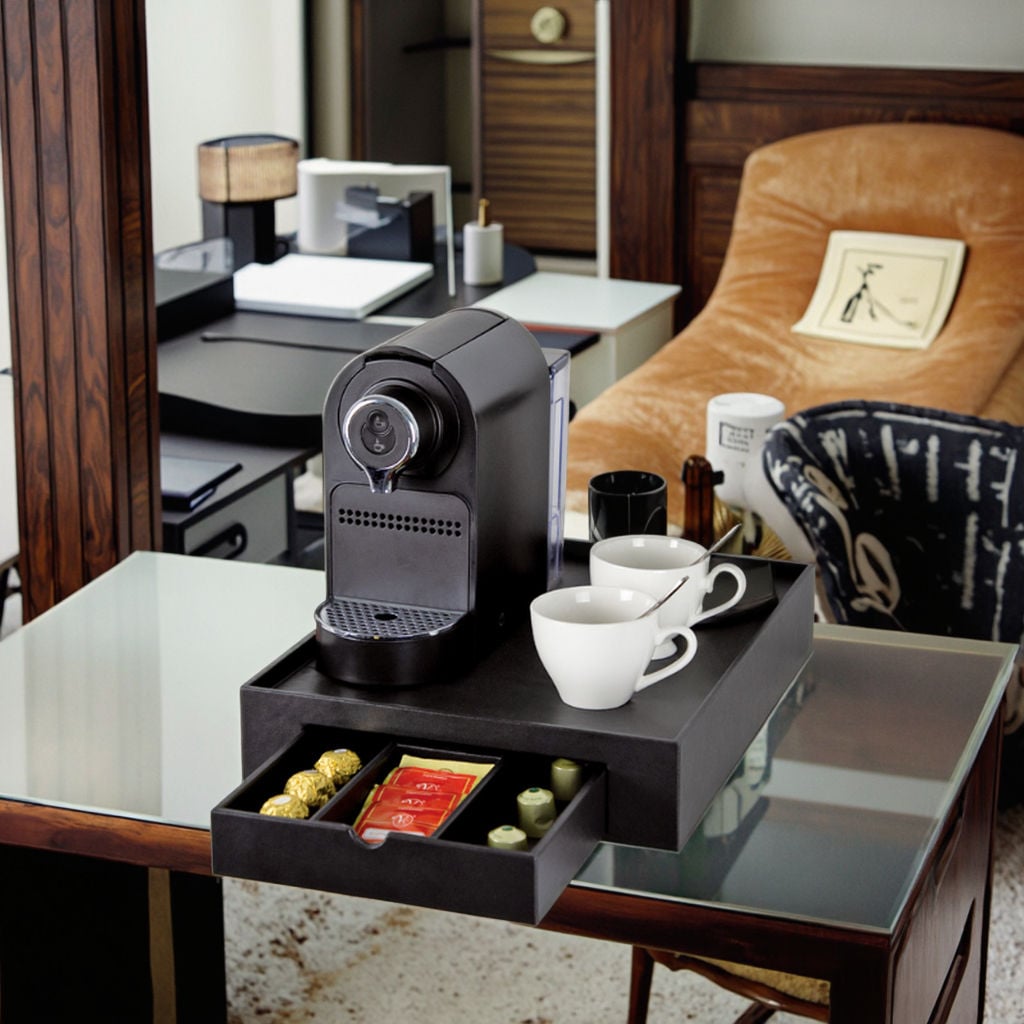
Hotel supply distributors play a critical role in sourcing and delivering quality appliances that meet the precise needs of hospitality operations across different regions. Understanding how kettle, iron, and refrigerator specifications vary by market is essential for procurement teams and property managers seeking to optimize guest room supplies and maintain operational consistency. Regional differences in voltage standards, space constraints, and guest expectations demand that hotel supply distributors provide tailored solutions rather than one-size-fits-all products.
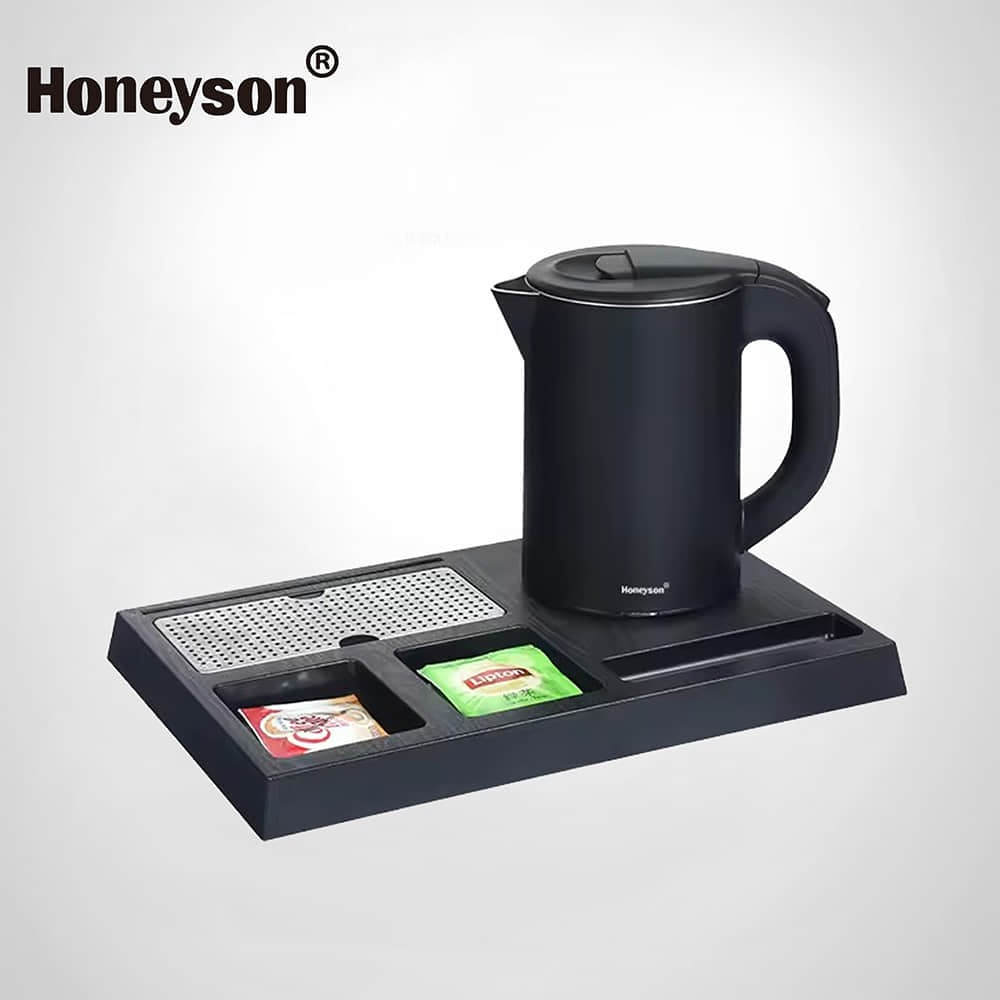
The complexity of selecting appropriate OEM hotel appliances extends beyond basic functionality. Each geographic market presents unique regulatory requirements, guest preferences, and infrastructure limitations that shape appliance specifications. Hotel supply and OEM hotel appliances must align with local building codes, electrical systems, and guest expectations to deliver both satisfaction and durability. This guide explores how regional markets influence kettle, iron, and fridge specifications and how hotel appliance distributor networks manage these variations effectively.
Kettle Specifications Across Regional Markets
Voltage and Heating Element Design
Hotel kettles in North America typically operate on 110-120V systems, while European and Asian markets require 220-240V compatibility. Guest room supplies in each region must match local electrical infrastructure to ensure both safety and performance. OEM hotel appliances designed for international operations often feature dual-voltage capability, allowing hotel supply distributors to serve multiple markets without maintaining separate inventory. The heating element construction, material grade, and thermal efficiency vary significantly based on regional energy costs and guest expectations for rapid boiling times.
Capacity and Design Considerations
Kettle capacity preferences differ by region and hotel category. Boutique hotels in urban areas often prefer compact 0.6-0.8L kettles that fit limited counter space, while resort properties may opt for 1.2-1.5L models for guest convenience. Hotel appliance distributor catalogs reflect these variations through different product lines that accommodate diverse room layouts. Material specifications such as stainless steel versus plastic bodies, cordless versus corded designs, and safety shut-off features are selected based on regional guest preferences and local hospitality standards that hotel supply professionals must evaluate carefully.
Iron and Pressing Equipment Standards
Temperature Control and Safety Features
Commercial-grade irons for guest room supplies operate between 120-200°C depending on fabric care requirements and regional usage patterns. European hotels emphasize steam-only functionality with variable moisture settings, while North American properties prioritize dry-heat options with precise temperature control. OEM hotel appliances must incorporate automatic shut-off timers, anti-drip technology, and cool-touch handles to meet safety certifications across different jurisdictions. Hotel supply distributors work with manufacturers to ensure these features comply with local electrical safety standards and hospitality industry guidelines that vary significantly by region.
Cord Length and Storage Integration
Cord specifications and storage solutions reflect room design differences across markets. Asian hotels typically feature wall-mounted ironing boards with integrated storage, requiring shorter 1.5-2.0 meter cords for guest room supplies. European and North American properties often provide freestanding boards in closets, necessitating longer cords and specialized wall brackets. Hotel appliance distributor sourcing strategies account for these layout variations when selecting models that maximize convenience while minimizing fire risks and electrical hazards that can affect guest safety and property liability.
Refrigerator Specifications and Regional Adaptation
Size, Noise Level, and Energy Efficiency
Minibar and beverage refrigerators for guest room supplies vary dramatically by market. Asian budget hotels prefer ultra-compact 45-60 liter models with silent compressors operating at 18-22 decibels to minimize noise complaints in adjacent rooms. European luxury hotels opt for larger 100-150 liter units with wine-cooling capability and sophisticated temperature zones. OEM hotel appliances must balance energy consumption with performance specifications, as European regulations impose strict EU Energy Label requirements while North American properties prioritize reliability and warranty support. Hotel supply distributors maintain separate product lines to meet these regional energy efficiency standards and guest experience expectations.
Noise Reduction and Compressor Technology
Thermoelectric cooling systems dominate guest room supplies in Asia due to silent operation and compact dimensions, while vapor-compression technology prevails in Western markets for superior temperature control and larger storage capacity. Hotel appliance distributor recommendations depend heavily on local noise regulations and guest density patterns. Properties in high-rise urban centers with thin walls require refrigerators operating below 20 decibels, while resort properties tolerate standard 24-28 decibel models. The choice between compressor types fundamentally affects durability, repair costs, and long-term total cost of ownership that hotel supply professionals evaluate during procurement cycles.
Integration Considerations for Hotel Supply Networks
Cross-Regional Standardization and Flexibility
Large hotel chains balance standardization with regional customization to optimize supply chain efficiency. Hotel supply distributors that serve multiple properties must coordinate inventory for OEM hotel appliances that maintain brand consistency while adapting to local requirements. Standardized control systems, digital displays, and smart connectivity features create operational benefits across properties, while mechanical specifications like voltage, capacity, and safety certifications must flex to meet regional regulations. This dual approach requires sophisticated logistics planning and technical expertise that separates leading hotel appliance distributor networks from basic suppliers.
Warranty, Support, and Service Infrastructure
Regional differences in warranty coverage, spare parts availability, and technical support dramatically impact total cost of ownership for guest room supplies and OEM hotel appliances. North American hotel supply markets emphasize 3-5 year warranties with local service networks, while Asian markets often feature shorter 1-2 year coverage compensated by lower purchase prices. European properties expect extended warranty options and EU-certified repair technicians. Hotel appliance distributor partnerships with manufacturers must establish clear service level agreements that address regional support expectations and minimize downtime that can affect guest satisfaction and operational efficiency.
FAQ
How do hotel supply distributors ensure appliances meet regional electrical standards?
Hotel supply distributors partner directly with OEM hotel appliances manufacturers to verify voltage compatibility, grounding requirements, and safety certifications for each target market. They maintain detailed specification databases that map product models to regional electrical codes and conduct pre-shipment testing to confirm compliance before delivery to hotels. This systematic approach prevents costly installation delays and safety violations that could compromise guest room supplies quality or violate local regulations.
What factors influence whether a hotel should choose kettles, irons, or refrigerators with specific regional specs?
Hotel appliance distributor professionals recommend selections based on guest demographics, room density, local climate conditions, and energy cost structures. Budget properties in dense urban markets prioritize compact, quiet OEM hotel appliances with lower energy consumption, while luxury resorts emphasize performance features and aesthetic design. Guest room supplies specifications should align with property positioning, service level commitments, and financial targets that hotel supply teams define during procurement planning phases.
How can hotel supply chains reduce costs while maintaining consistent guest room supplies quality across regions?
Strategic partnerships with hotel appliance distributor networks that offer volume discounts, consolidated shipping, and technical support enable significant cost savings while preserving quality and compliance standards. Standardizing OEM hotel appliances across property portfolios reduces spare parts inventory and training requirements for maintenance staff. Hotel supply professionals who consolidate purchasing through trusted distributors benefit from economies of scale and improved service responsiveness that smaller, regional procurement approaches cannot match.
Table of Contents
- Kettle Specifications Across Regional Markets
- Iron and Pressing Equipment Standards
- Refrigerator Specifications and Regional Adaptation
- Integration Considerations for Hotel Supply Networks
-
FAQ
- How do hotel supply distributors ensure appliances meet regional electrical standards?
- What factors influence whether a hotel should choose kettles, irons, or refrigerators with specific regional specs?
- How can hotel supply chains reduce costs while maintaining consistent guest room supplies quality across regions?
