
 EN
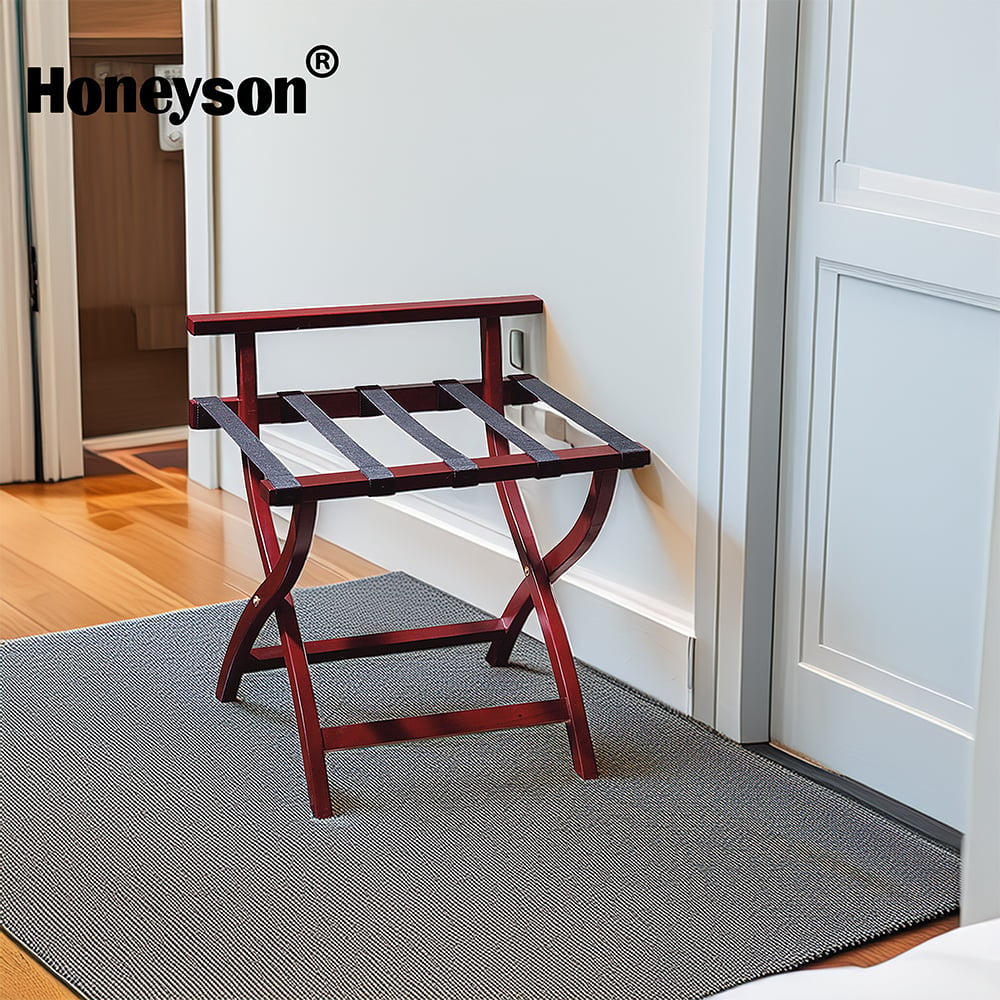
Managing multiple SKUs of hotel supplies requires strategic planning and precise execution to maximize operational efficiency and guest satisfaction. Hotels today operate with hundreds of product variations across rooms, from linens to appliances, each serving specific guest needs and property standards. The challenge intensifies when sourcing from multiple suppliers hotel operations depend on, particularly when balancing cost, quality, and delivery consistency. Effective optimization practices ensure that your procurement strategy aligns with guest expectations while maintaining operational profitability.
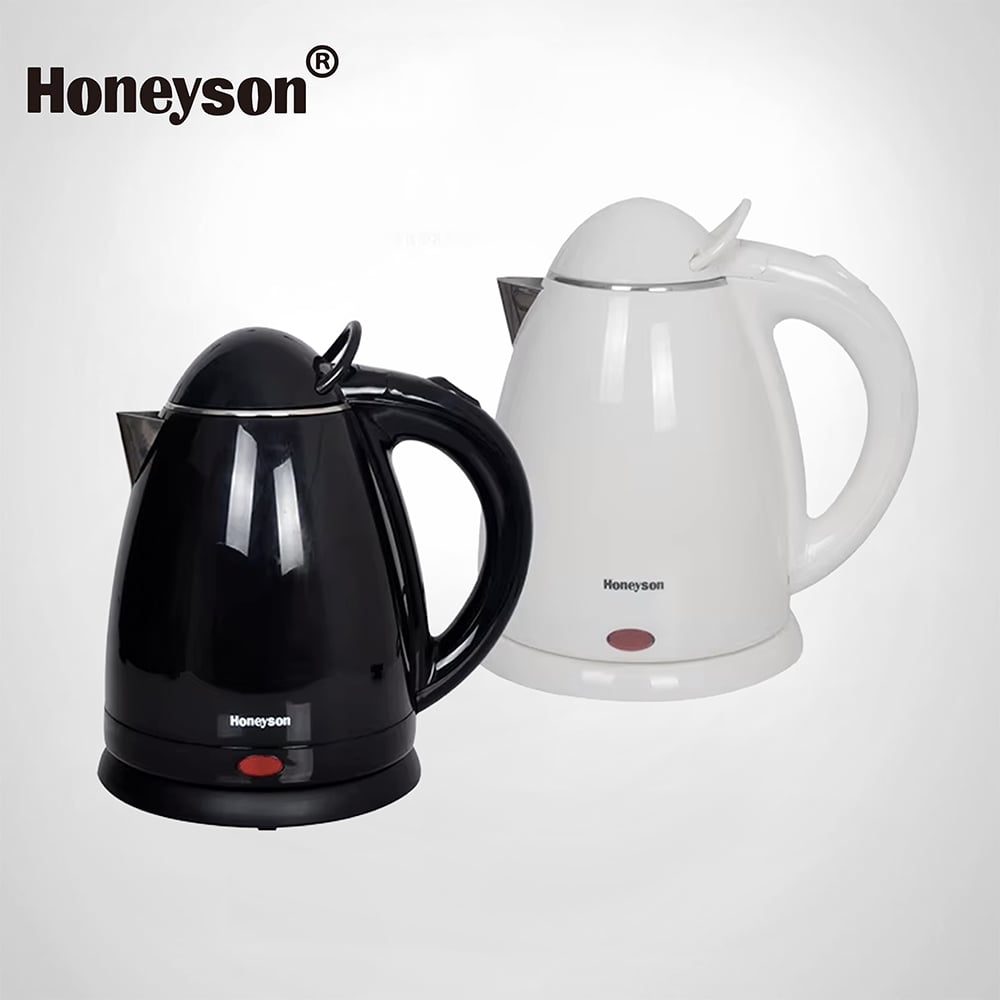
The hotel industry's competitive landscape demands that properties differentiate themselves through consistent quality and innovative guest amenities. Hotel supplies encompass everything from basic necessities to premium experiences, and each category requires tailored sourcing and management strategies. Understanding how to optimize your approach to hotel room appliances, guest room equipment, and other OEM hotel products directly impacts your bottom line and brand reputation. This article explores proven optimization practices that help hotel procurement teams streamline operations across multiple product categories.
Understanding Your Product Portfolio and SKU Strategy
Defining Core Categories Across Hotel Supplies
Hotel supplies break down into distinct categories that require different procurement approaches. Guest room equipment includes essential items like kettles, irons, hairdryers, and safe boxes, which are core to guest comfort. Hotel room appliances represent larger investments, such as refrigerators, coffee makers, and entertainment systems, that directly influence guest satisfaction ratings. OEM hotel products often offer better standardization and warranty support compared to generic alternatives, making them increasingly popular among properties seeking reliability. Understanding which products fall into each category helps procurement teams allocate budget strategically and negotiate better terms with suppliers hotel chains regularly partner with.
Assessing Your Current SKU Complexity
Many hotels accumulate SKUs organically over time, leading to unnecessary complexity in inventory management and supplier relationships. A thorough audit of your existing hotel supplies inventory reveals redundancies, slow-moving items, and opportunities for consolidation. Properties often discover they source nearly identical products from multiple vendors, inflating costs and complicating procurement processes. By streamlining your SKU portfolio to focus on proven performers, you reduce administrative overhead while improving supplier leverage. This rationalization process should examine guest feedback, usage rates, and total cost of ownership for each item in your guest room equipment catalog.
Strategic Supplier Hotel Relationships and Sourcing Optimization
Evaluating and Selecting Reliable OEM Hotel Products Vendors
Choosing the right suppliers hotel operations depend on requires careful evaluation of multiple factors beyond price alone. OEM hotel products typically come with technical support, standardized specifications, and proven performance records that justify their premium positioning. Vendors should demonstrate reliability through on-time delivery history, responsive customer service, and willingness to support your operational needs during peak seasons. When comparing potential partners, assess their capacity to scale with your property's growth, their geographic reach for efficient logistics, and their openness to collaborative planning. Strong supplier relationships with quality hotel room appliances vendors often result in better pricing, priority access to new products, and preferential treatment during supply shortages.
Implementing Tiered Vendor Agreements
Successful hotel procurement departments typically use a tiered vendor model rather than relying on a single source for each product category. Primary suppliers provide the majority of hotel supplies needed for consistent stock levels, negotiated contracts, and reliable delivery. Secondary vendors offer backup capacity, specialized products, and competitive pricing on specific items within your guest room equipment assortment. This structure reduces vulnerability to supply disruptions while maintaining competitive pressure that keeps primary suppliers motivated to deliver excellent service. When negotiating with suppliers hotel chains work with, establish clear expectations around lead times, quality standards, return policies, and emergency supply access.
Implementing Effective Inventory and Cost Management
Data-Driven Demand Forecasting for Multiple SKUs
Accurate demand forecasting directly impacts your ability to optimize hotel supplies inventory and minimize stockouts or overstock situations. Properties should analyze historical usage patterns, seasonal trends, and occupancy projections to create reliable forecasts for each guest room equipment item. OEM hotel products often have longer lead times than generic alternatives, making accurate forecasting even more critical for operations. Implementing inventory management software that tracks usage by property, building forecasting models, and conducting regular reviews ensures your ordering aligns with actual needs. Seasonal patterns in tourism, business travel, and event activity should inform your purchasing calendar and supplier commitments for hotel room appliances and other items.
Negotiating Volume Discounts and Standardizing Specifications
Consolidating your hotel supplies purchases across properties amplifies your negotiating power with suppliers hotel operators regularly source from. Many vendors offer tiered pricing models where larger volume commitments unlock significant discounts, particularly for OEM hotel products that represent substantial investments. Beyond price, standardizing product specifications reduces complexity for your operations team, simplifies staff training, and creates predictable guest experiences across your properties. When standardizing guest room equipment choices, prioritize durability, ease of maintenance, and guest satisfaction ratings over unnecessary feature additions. Clear specifications also facilitate vendor comparisons and make performance benchmarking more meaningful across different suppliers.
Enhancing Guest Experience and Operational Reliability
Balancing Premium and Essential Hotel Room Appliances
Strategic optimization of hotel supplies goes beyond cost control to encompass guest experience differentiation and property positioning. Premium OEM hotel products in certain categories directly influence guest satisfaction and online reviews, justifying higher investment in those specific items. Guest room equipment that guests interact with frequently, such as kettles, coffeemakers, and bedding, warrants prioritized budget allocation compared to less-visible items. Properties should segment their supply portfolio into tier-one essentials where quality is non-negotiable, tier-two comfort items that enhance satisfaction, and tier-three functional products where cost efficiency matters most. This segmentation helps procurement teams allocate resources strategically and make informed trade-offs when optimizing across multiple SKUs.
Establishing Quality Standards and Performance Monitoring
Consistent quality from suppliers hotel properties work with requires clear specifications, regular inspections, and performance measurement. OEM hotel products should arrive with full documentation, warranties, and technical support contact information readily available for your maintenance team. Implementing a receiving inspection process for all guest room equipment catches defects before items reach guest rooms, protecting your brand reputation and reducing warranty claims. Tracking performance metrics for each supplier, product category, and SKU—such as failure rates, guest complaints, and replacement frequency—provides objective data for ongoing optimization decisions. Regular review meetings with your key suppliers help address quality issues proactively and foster continuous improvement in the hotel supplies they provide.
FAQ
How can hotels reduce costs on hotel supplies without sacrificing quality?
Hotels can reduce supply costs through SKU rationalization, volume consolidation across properties, tiered vendor agreements, and long-term contracts with reliable suppliers. Switching to OEM hotel products often provides better value through superior durability and warranty coverage despite higher initial costs. Analyzing total cost of ownership rather than unit price, negotiating extended payment terms with suppliers hotel chains work with, and implementing demand forecasting to minimize waste all contribute to meaningful savings while maintaining quality standards.
What role do OEM hotel products play in optimization strategies?
OEM hotel products offer standardization, reliability, warranty support, and technical assistance that simplify procurement and operations. They reduce the complexity of managing guest room equipment from multiple generic manufacturers and provide better performance consistency. Using OEM suppliers hotel professionals recommend helps establish baseline quality standards, improves guest satisfaction through reliability, and ultimately reduces total operating costs through lower replacement frequencies and better warranty protection for hotel room appliances.
How often should hotels review and update their SKU portfolio?
Hotels should conduct a comprehensive SKU audit annually, reviewing usage data, guest feedback, and cost performance for all hotel supplies and guest room equipment. More frequent reviews of high-value items, seasonal adjustments, and responsive changes when performance issues emerge with current suppliers help maintain optimization. As guest expectations evolve and new OEM hotel products enter the market, regular evaluation ensures your portfolio remains competitive while avoiding unnecessary complexity from accumulating redundant SKUs.
