
 EN
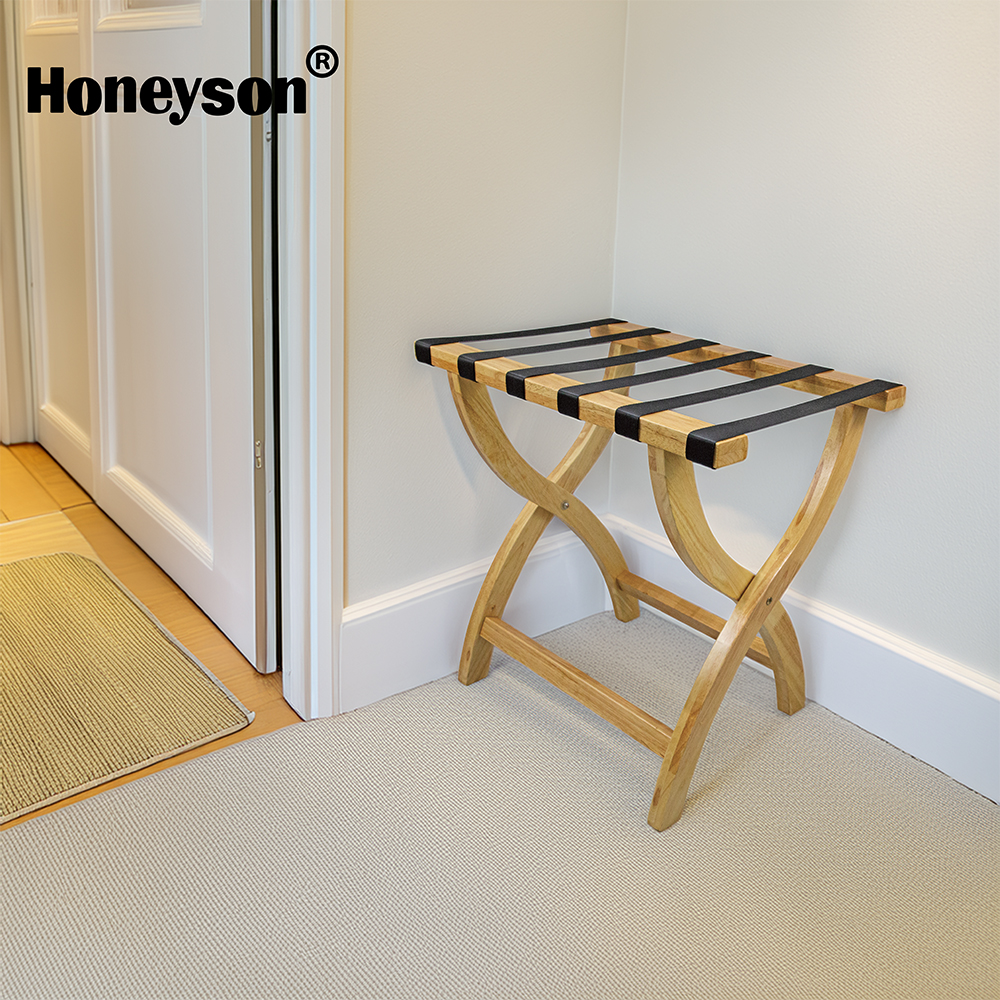
Shipping a luggage rack over long distances requires careful attention to packaging design and carton durability to ensure the product arrives in perfect condition. A well-packaged luggage rack protects your investment and maintains customer satisfaction, whether you're shipping hotel luggage racks, OEM luggage racks, or folding luggage racks. Understanding the relationship between carton strength, protective materials, and weight distribution is essential for logistics planning and cost optimization.
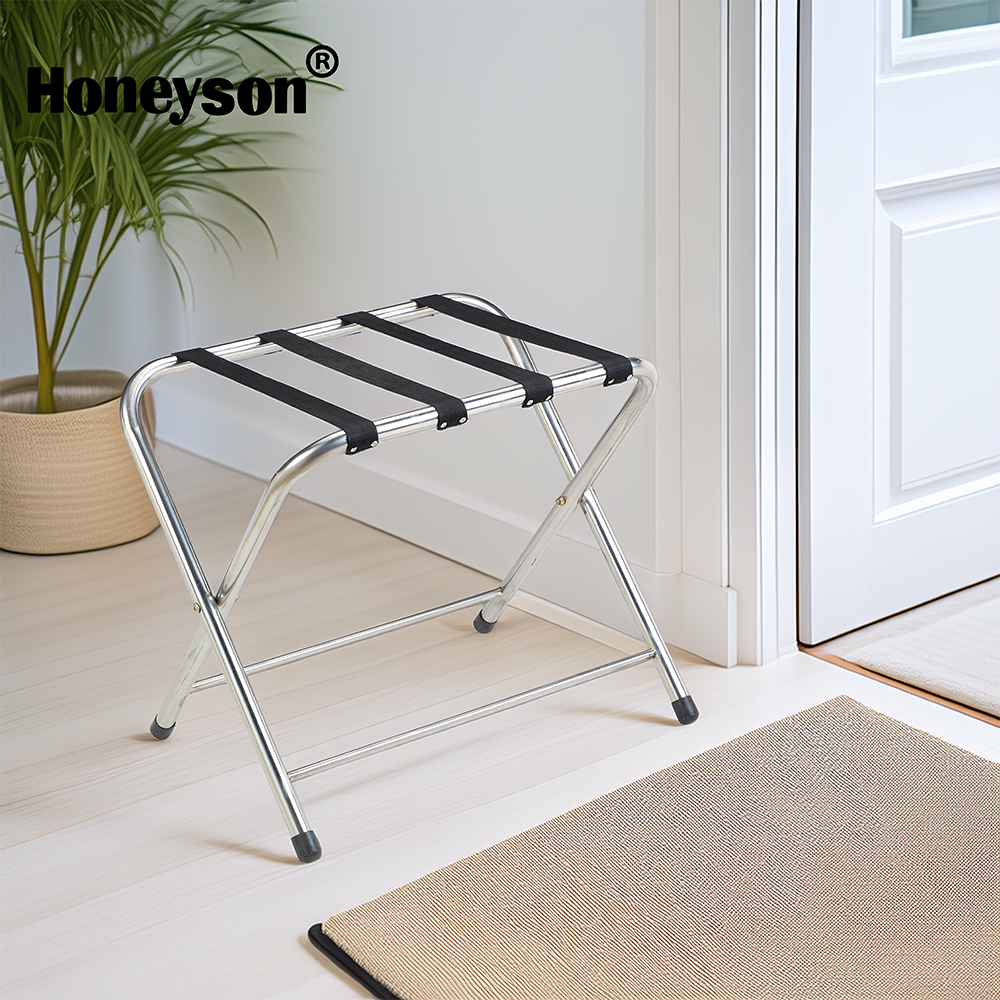
The structural integrity of your shipping carton directly impacts damage rates during transit. Long distance shipping exposes packages to stacking pressure, vibration, temperature fluctuations, and rough handling. For a hotel luggage rack or folding luggage rack, selecting the correct carton grade and reinforcement strategy minimizes breakage and reduces return rates. This article explores the critical factors in packaging design, carton selection, and protective strategies specific to luggage rack shipping.
Understanding Carton Strength Standards for Luggage Racks
Edge Crush Test and Mullen Burst Strength
Carton strength is measured through standardized tests that determine how much pressure a box can withstand. The Edge Crush Test (ECT) measures the force needed to crush the edge of a fluted carton, while the Mullen Burst Test measures puncture resistance. For a luggage rack shipped across long distances, an ECT rating of at least 32 pounds per inch is recommended, ensuring the carton resists compression during stacking. OEM luggage racks, which often carry higher specifications, may require ECT ratings of 44 or higher to withstand multiple handling cycles and stacking loads in distribution centers.
Caliper and Wall Construction
Carton wall thickness, measured in points or caliper, determines structural performance. A folding luggage rack typically requires 275 to 350 caliper corrugated cardboard to maintain protection through long distance shipping. Thicker walls distribute weight more evenly, reducing localized stress points where a hotel luggage rack might puncture through the carton. Double-wall corrugated construction adds resilience for heavier OEM luggage rack models, providing additional protection against impact and compression damage without significantly increasing shipping weight.
Packaging Design and Material Selection
Internal Protective Cushioning Systems
The selection of internal cushioning materials protects your luggage rack from movement and impact during long distance shipping. Expanded polystyrene foam, air pillows, and kraft paper crinkle provide different levels of protection and cost efficiency. A folding luggage rack benefits from semi-rigid foam blocks that anchor the product while allowing air circulation to prevent moisture accumulation. For hotel luggage racks, custom-cut foam inserts minimize shifting and absorb vibration energy, reducing the risk of metal frame scratches and joint damage during transit.
Strategic Weight Distribution
Proper weight distribution within the carton prevents uneven stress on walls and ensures stability during stacking. An OEM luggage rack should be centered within the carton with equal spacing on all sides to balance compression forces. Heavier components should be positioned near the carton base, lowering the center of gravity and improving stack stability. For folding luggage racks, securing the frame to prevent internal movement also reduces the effective dynamic load on carton walls, allowing lighter carton grades to perform adequately for long distance shipping scenarios.
Long Distance Shipping Considerations and Best Practices
Environmental and Handling Factors
Temperature variations, humidity exposure, and rough handling in long distance shipping create cumulative stress on both the luggage rack and its carton. Moisture infiltration weakens corrugated cardboard by 30 to 40 percent, reducing effective carton strength significantly. A hotel luggage rack or folding luggage rack requires moisture-resistant lining or desiccant packets to protect metal components from rust. Long distance routes through humid regions or seasonal weather extremes demand reinforced edge banding and moisture barriers as standard practice.
Stacking Load Calculations and Testing
Calculating the maximum stacking load ensures your luggage rack carton maintains integrity throughout the supply chain. A standard hotel luggage rack carton might stack four to six units high in distribution centers, creating vertical compression loads that can exceed 400 pounds. OEM luggage racks with heavier specifications may require stack-height limits to 3 or 4 units. Conducting drop tests and stacking pressure tests on actual cartons filled with luggage racks validates real-world performance and identifies design weaknesses before full production deployment.
Documentation and Handling Instructions
Clear labeling on cartons shipping luggage racks reduces mishandling and damage during long distance transport. Marking 'Fragile,' 'This Side Up,' and maximum stack height prevents workers from exceeding load limits. An OEM luggage rack destined for hospitality partners benefits from impact indicators that show customers whether the package experienced excessive shock during shipping. Providing handling instructions also supports customer confidence and reduces dispute claims related to packaging failures.
FAQ
What carton grade is best for shipping a folding luggage rack?
A 32 ECT corrugated carton with 275 to 350 caliper walls is generally suitable for folding luggage racks in standard long distance shipping. For heavier models or multiple-unit pallets, double-wall 44 ECT construction provides superior protection and stacking capacity. Consider the specific weight of your folding luggage rack and expected stack height to select the optimal grade that balances protection and shipping cost efficiency.
How can I reduce damage rates when shipping hotel luggage racks?
Combine high-strength carton construction with custom foam inserts designed to immobilize your hotel luggage rack during transit. Add moisture barriers and desiccant packets to prevent rust on metal components. Ensure proper weight distribution within the carton and clearly mark stack limits. Testing your packaging design through drop and compression tests before full production deployment identifies potential failure points and validates protection effectiveness for long distance routes.
What makes OEM luggage rack packaging different from standard hotel luggage rack packaging?
OEM luggage racks often have stricter specification requirements and higher unit costs, justifying premium packaging investment. Double-wall corrugated cartons, custom foam configurations, and reinforced corner protection are common for OEM shipments. Long distance routes and sensitive client expectations may also demand impact tracking labels and enhanced moisture protection compared to standard hotel luggage rack packaging solutions.
