
 EN

Hotel maintenance budgets demand careful attention to infrastructure investments, and selecting the right luggage rack is a critical decision that directly affects operational costs and guest satisfaction. The choice between fixed and folding luggage rack solutions fundamentally shapes maintenance schedules, replacement cycles, and overall hospitality expenses. Understanding these differences enables hotel managers to make informed decisions that align with their facility's specific needs, guest volume, and long-term financial planning. This comparison explores how each option affects your maintenance budget and operational efficiency.
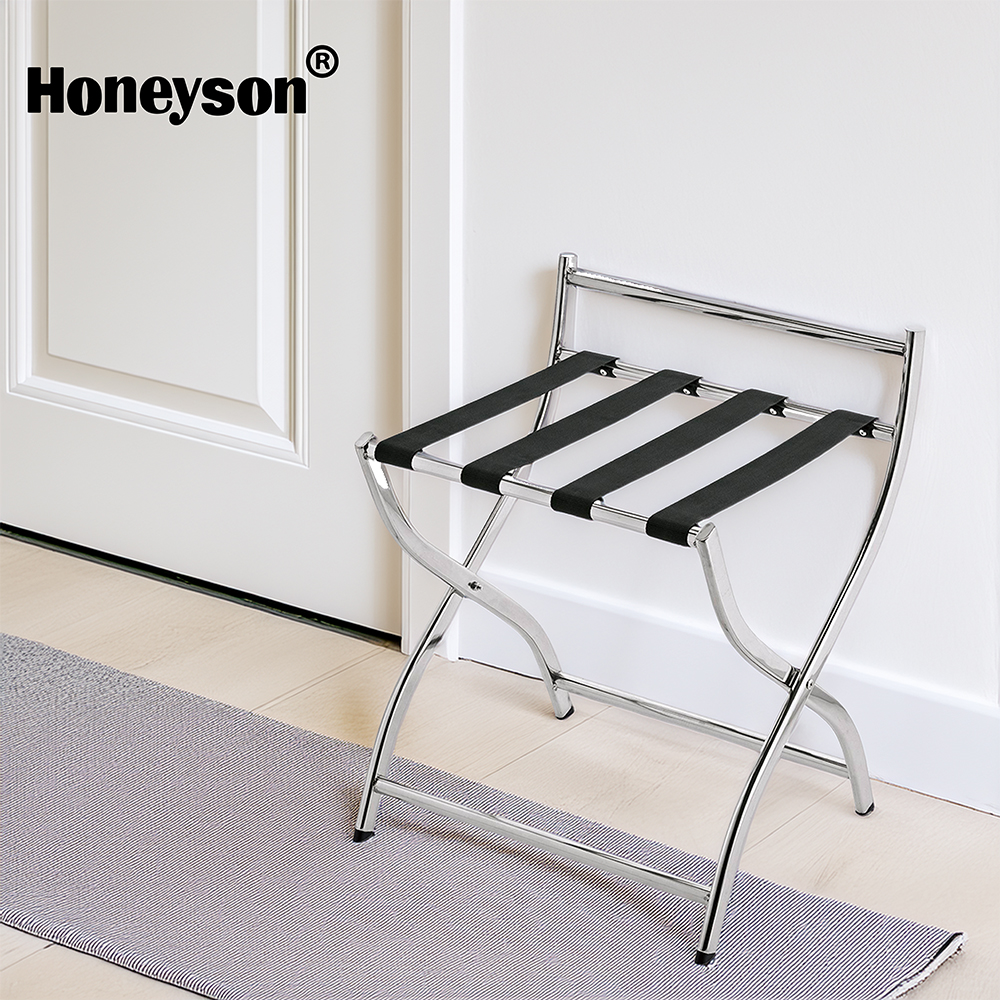
Fixed luggage racks and folding luggage rack designs each present distinct maintenance profiles that influence total cost of ownership. Fixed installations involve permanent mounting mechanisms that eliminate storage concerns but demand specialized expertise for repairs and upgrades. Conversely, a folding luggage rack offers flexible deployment and simplified maintenance procedures, yet requires different protocols for seasonal wear management. Hotel operators must evaluate installation complexity, material durability, repair accessibility, and replacement frequency when weighing these options against budget constraints and facility architecture.
Understanding Fixed Luggage Rack Maintenance Requirements
Installation Permanence and Long-Term Durability
Fixed luggage rack installations represent permanent infrastructure investments anchored directly into walls, floors, or supporting structures. Once installed, these hotel luggage rack systems remain stationary, eliminating the wear patterns associated with repeated deployment cycles. The permanence of fixed installations generally extends product lifespan, as components experience consistent stress loads rather than repeated mechanical articulation. However, permanent mounting creates dependency on the installation's structural integrity, meaning any building settling, moisture infiltration, or wall composition changes can compromise the hotel luggage rack's stability and require costly remediation efforts.
Specialized Repair and Replacement Procedures
Maintaining fixed luggage rack systems often requires specialized technicians familiar with permanent installation protocols, structural fastening systems, and wall-mounting hardware compatibility. Repairs typically demand site-specific assessment, custom fastener sourcing, and potential wall restoration following service completion. When replacing a fixed hotel luggage rack, removal involves wall damage remediation, which increases both labor costs and material expenses. OEM luggage rack components for fixed systems may require longer lead times since they're manufactured to specific structural specifications, extending downtime during repairs and creating potential gaps in guest service capacity.
Analyzing Folding Luggage Rack Cost Advantages
Flexible Deployment and Simplified Maintenance
Folding luggage rack systems provide operational flexibility by enabling staff to deploy units only when necessary, then store them safely between uses. This deployment model significantly reduces wear cycles compared to permanently installed fixtures, extending the practical lifespan of individual units. A folding luggage rack requires minimal technical expertise for maintenance, as most service procedures involve basic mechanical adjustment, hinge lubrication, and fastener inspection. Replacement processes are straightforward—staff can simply remove the unit from service and substitute a new folding luggage rack without requiring structural repairs, wall remediation, or specialized contractor involvement.
Seasonal Adjustments and Occupancy-Based Scaling
Hotels experiencing significant seasonal fluctuations benefit substantially from folding luggage rack flexibility, allowing managers to increase unit deployment during peak occupancy periods and reduce storage space requirements during slower seasons. This scalability prevents unnecessary wear on units stored during low-occupancy windows, improving overall equipment longevity. A folding luggage rack can accommodate facility redesigns without structural modifications, supporting hotel renovations, room reconfiguration projects, and layout optimization initiatives. When hotels implement an OEM luggage rack solution with folding design, they gain the advantage of responsive capacity management without infrastructure constraints.
Comparing Total Cost of Ownership and ROI Analysis
Capital Expenditure and Installation Investment
Fixed luggage rack installations typically demand higher upfront capital investment, including structural assessment, professional installation labor, fastening hardware, and wall preparation costs. These expenses represent substantial initial outlays that must be amortized over the fixture's installed lifespan. Folding luggage rack options generally require lower capital deployment, as most units arrive ready for immediate use without installation complexity. However, purchasing multiple folding units to match fixed installation capacity may eventually exceed per-unit capital costs, requiring careful volume analysis and depreciation comparison to determine true ownership economics for your hotel luggage rack strategy.
Ongoing Maintenance, Repairs, and Replacement Cycles
Fixed luggage rack systems generate ongoing maintenance expenses through structural monitoring, periodic inspection for fastener corrosion and wall integrity, and professional repair services that typically cost significantly more than folding unit maintenance. Repair frequency depends heavily on installation quality and environmental factors like humidity and temperature fluctuations affecting structural fasteners. A folding luggage rack typically requires only routine inspection, hinge lubrication, fastener tightening, and occasional component replacement that staff can execute without external service providers. OEM luggage rack replacement cycles differ substantially between fixed and folding designs, with folding units offering predictable replacement intervals and simpler procurement processes that reduce inventory management complexity and unplanned service disruptions.
Making the Strategic Choice for Your Hotel
Facility Architecture and Space Constraints
Hotels with modern architecture featuring reinforced structural elements and designated storage areas benefit from fixed luggage rack installations, as permanent mounting leverages existing infrastructure and maintains aesthetic consistency. Heritage properties, those with irregular wall composition, or facilities undergoing renovation programs face substantial costs from fixed installations and should seriously consider folding luggage rack alternatives. Limited storage space represents a critical factor—folding luggage racks accommodate compact storage requirements while maintaining guest service capacity. When evaluating your hotel luggage rack decision, assess wall conditions, available storage locations, and future renovation plans to ensure the selected solution aligns with your facility's long-term infrastructure strategy.
Guest Volume Patterns and Service Requirements
High-volume business hotels with consistent daily occupancy and regular guest turnover often justify fixed luggage rack investment through consistent utilization and extended service cycles. Boutique hotels, properties with fluctuating occupancy, or facilities serving seasonal clientele derive greater value from folding luggage rack flexibility, which prevents equipment degradation during slow periods. Premium properties emphasizing personalized service and maintaining specific aesthetic standards may prefer fixed installations that present unified design language throughout the facility. Understanding your unique guest patterns, occupancy seasonality, and service standards helps determine whether an OEM luggage rack in fixed or folding configuration delivers optimal maintenance cost outcomes and guest satisfaction for your specific hotel operation.
FAQ
What are the primary maintenance cost differences between fixed and folding luggage racks?
Fixed luggage rack systems typically incur higher professional maintenance costs due to specialized labor requirements, structural inspection needs, and potentially complex repair procedures. Folding luggage rack maintenance expenses remain minimal, generally limited to basic lubrication and fastener checks that hotel staff can perform independently. While fixed hotel luggage rack installations may extend individual unit lifespan, the higher service costs often offset this advantage, making folding units more cost-effective over a five-to-ten-year horizon for most properties.
How does occupancy variation affect the choice between fixed and folding luggage rack systems?
Properties with stable occupancy patterns justify fixed luggage rack investment through consistent utilization, while hotels experiencing seasonal fluctuations benefit significantly from folding luggage rack flexibility. A folding luggage rack can be deployed during peak seasons and stored during slow periods, preventing unnecessary wear and extending the unit's functional lifespan. Hotels implementing an OEM luggage rack solution with folding capability can adjust capacity dynamically, eliminating maintenance expenses associated with permanently installed units operating below their intended utilization during low-occupancy windows.
Can folding luggage rack systems match the durability and aesthetic appeal of fixed installations?
Modern folding luggage rack designs have significantly improved in both durability and aesthetics, offering hospitality-grade construction comparable to fixed alternatives while providing superior flexibility. Premium OEM luggage rack manufacturers produce folding models with refined finishes, sturdy construction, and professional appearance that complement contemporary hotel interiors. For most hospitality applications, a well-designed folding luggage rack delivers the durability required for consistent guest service while avoiding the maintenance complexity and infrastructure constraints associated with permanent fixed installations.
