
 EN
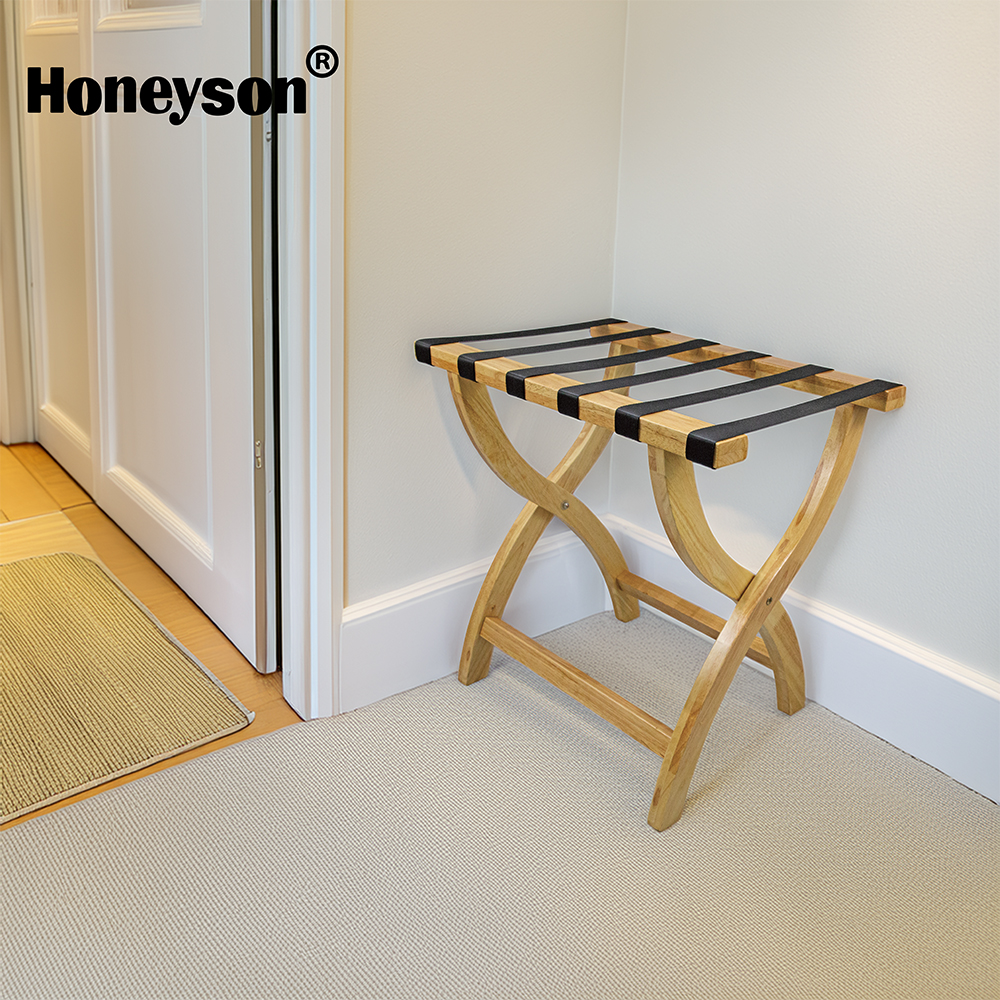
Selecting the right material for a luggage rack frame is a critical decision for hotel operators, hospitality suppliers, and facility managers seeking durability, aesthetics, and value. The choice between wood, steel, and aluminum fundamentally affects how a luggage rack performs under daily guest use, its maintenance requirements, and its overall lifespan in a commercial environment. Understanding the strengths and limitations of each material ensures your investment delivers both functionality and guest satisfaction while protecting your bottom line.
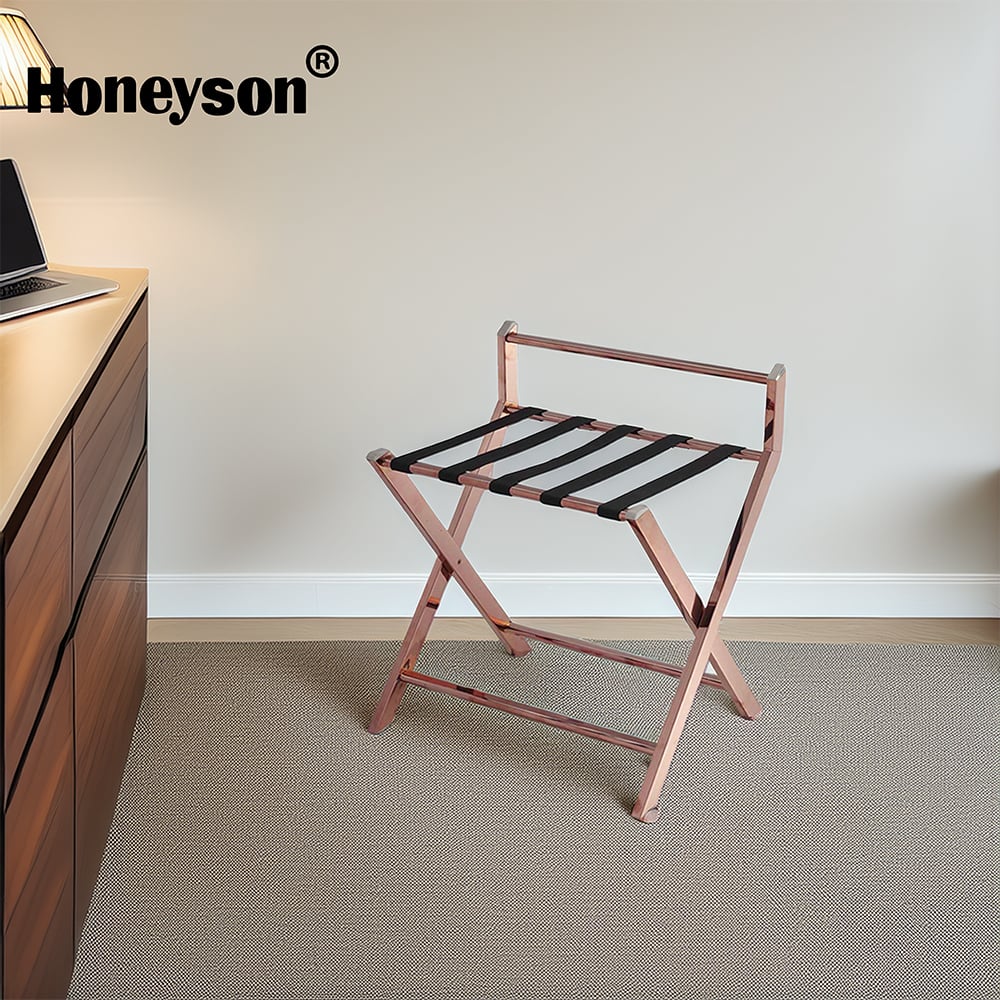
Each material presents distinct advantages and trade-offs when used in hotel luggage rack applications. Wood offers aesthetic warmth and traditional appeal, steel provides robust strength and industrial reliability, while aluminum combines lightweight design with corrosion resistance. The optimal choice depends on your specific operational environment, budget constraints, maintenance capacity, and the image you wish to project to guests. This guide compares these three primary frame materials to help you make an informed decision aligned with your property's needs and standards.
Wood Frame Luggage Racks: Aesthetic Appeal and Practical Limitations
Visual Elegance and Brand Positioning
Wood frames deliver a classic, refined appearance that enhances upscale or boutique hotel interiors. The natural grain, warm tones, and traditional craftsmanship associated with wood create a perception of quality and attention to detail that resonates with luxury-conscious guests. A well-crafted wood luggage rack can serve as a subtle design element that complements vintage or contemporary decor equally well. Hotels investing in premium positioning often choose wood to reinforce brand identity and guest experience expectations.
Durability Challenges and Maintenance Demands
Wood's primary limitation in commercial hospitality is its vulnerability to moisture, temperature fluctuations, and mechanical stress. Hotel environments expose luggage racks to humid bathrooms, spilled beverages, dragged suitcases, and intense daily use that quickly degrades unfinished or poorly sealed wood. Warping, cracking, splinter formation, and wood rot become recurring maintenance issues within 18 to 36 months, particularly in high-humidity climates or properties with frequent guest turnover. The folding luggage rack made from wood requires regular refinishing, sealant reapplication, and component replacement to maintain both appearance and structural integrity.
Steel Frame Luggage Racks: Strength, Longevity, and Industrial Reliability
Superior Load Capacity and Structural Integrity
Steel provides exceptional load-bearing capacity, easily supporting 75 to 150 pounds of luggage and withstanding aggressive daily use without bending, warping, or failing. The rigidity of steel frames ensures that folding luggage rack mechanisms remain smooth and reliable even after thousands of opening and closing cycles across multiple years of operation. Steel's inherent strength allows engineers to design frames with minimal material while maintaining maximum durability, resulting in hotel luggage rack solutions that outlast competing materials by a significant margin. Commercial properties across hospitality, healthcare, and corporate sectors rely on steel frames specifically because the material resists deformation under sustained loading.
Corrosion Concerns and Long-Term Cost Implications
Uncoated steel susceptibility to rust represents the primary drawback in hospitality environments where humidity and moisture exposure are constant. Epoxy powder coating, galvanization, or stainless steel variants mitigate corrosion risk but add upfront material and manufacturing costs. OEM luggage rack manufacturers typically apply multi-layer protective finishes to ensure corrosion resistance meets commercial standards, but periodic inspections and touch-up maintenance remain prudent in high-moisture zones. Despite these considerations, the extended lifespan and minimal structural maintenance make steel a cost-effective choice when factoring longevity into total cost of ownership calculations.
Aluminum Frame Luggage Racks: The Balanced Solution for Modern Hospitality
Lightweight Design Combined with Natural Corrosion Resistance
Aluminum excels in hospitality applications because it naturally resists corrosion through spontaneous oxide layer formation, eliminating the rust concerns that plague steel. The metal is approximately one-third the weight of steel, making hotel luggage rack units easier to move, store, and reconfigure within guest rooms or hallways without sacrificing structural stability. Unlike wood, aluminum requires minimal maintenance and tolerates moisture exposure without degradation, making it ideal for properties in coastal regions, humid climates, or bathrooms with constant moisture. The folding luggage rack constructed from aluminum maintains its appearance and function through years of daily use without refinishing, sealant reapplication, or protective coatings.
Aesthetic Flexibility and Contemporary Appeal
Aluminum frames can be anodized, powder-coated, or finished in virtually any color, allowing OEM luggage rack designers to match brand guidelines, interior design schemes, or guest room themes seamlessly. The material's sleek, contemporary appearance aligns naturally with modern hotel aesthetics while remaining equally compatible with minimalist, industrial, or transitional decor styles. Aluminum's visual neutrality and customization potential make it the preferred material for hospitality chains managing properties across diverse brand standards and regional markets. The combination of design flexibility, durability, and maintenance simplicity positions aluminum as the material of choice for forward-thinking hotel operators and hospitality consultants.
Material Comparison for Specific Hotel Applications
High-Traffic Urban Hotels and Business Properties
Urban hotels with rapid guest turnover and intensive daily use benefit most from aluminum or steel frames. Aluminum luggage racks deliver superior reliability with minimal maintenance burden, while steel provides maximum load capacity if higher-end properties require extra reassurance. Wood becomes impractical in these environments due to accelerated wear and constant maintenance demands that strain housekeeping operations and budgets.
Boutique, Resort, and Luxury Properties
Boutique and resort properties often weigh aesthetic impact more heavily than utilitarian considerations. High-quality wood luggage racks can succeed in these environments if the property invests in premium finishes, climate-controlled storage, and proactive maintenance protocols. However, aluminum with wood-grain anodizing or veneer finishes offers a compromise: delivering the aesthetic appeal of wood while maintaining the durability and low-maintenance characteristics essential for commercial hospitality. OEM luggage rack manufacturers increasingly offer hybrid designs that satisfy both visual expectations and operational realities.
Cost Analysis and Return on Investment Considerations
Initial Capital Investment Versus Long-Term Operational Costs
Wood frames typically carry the lowest initial purchase price but incur the highest cumulative costs when maintenance, replacement, and operational disruptions are factored into five-year or ten-year ownership cycles. Steel frames occupy the middle ground: moderate initial cost with reasonable maintenance requirements and extended lifespan, making them suitable for mid-range properties prioritizing value and durability. Aluminum frames command a slight premium upfront but minimize replacement cycles, maintenance labor, and guest room downtime, ultimately delivering the lowest total cost of ownership for properties operating at scale or in challenging environmental conditions.
Budget Allocation and Procurement Strategy
Hotels should allocate luggage rack material selection within broader asset management and procurement strategies. Bulk purchasing from established OEM luggage rack suppliers often secures volume discounts on aluminum and steel options that narrow the price gap relative to wood alternatives. Facilities planning teams should model replacement cycles, maintenance labor costs, and operational disruption expenses alongside initial material costs to identify the true economic driver for their specific property profile and operational context.
FAQ
What is the typical lifespan of a wood luggage rack compared to steel and aluminum options?
Wood luggage racks typically last 2 to 4 years in high-use hotel environments before requiring major refinishing or component replacement, while quality steel frames endure 8 to 12 years with appropriate corrosion protection, and aluminum racks commonly remain functional and visually acceptable for 10 to 15 years. The actual lifespan depends heavily on maintenance practices, environmental humidity, and the intensity of daily use in your specific property.
Can a folding luggage rack be repaired easily if a component breaks or bends?
Steel and aluminum folding luggage rack frames can often be repaired by trained maintenance staff or by the OEM manufacturer, as individual components such as hinges, fabric straps, or bent frame sections can be replaced or straightened. Wood frames are generally more difficult to repair because splinters, cracks, and structural damage often require professional restoration or replacement of significant portions. Aluminum and steel designs typically offer superior repairability and component availability, reducing downtime when issues occur.
Which luggage rack material is best for a hotel located in a humid or coastal climate?
Aluminum is the superior choice for humid and coastal climates because its natural corrosion resistance eliminates rust concerns that plague unprotected steel, while its low-maintenance profile makes it far more practical than wood in moisture-heavy environments. Epoxy-coated or stainless steel options provide a secondary choice if steel is preferred, but aluminum consistently outperforms both alternatives in terms of durability, aesthetics, and operational simplicity in challenging environmental conditions.
Table of Contents
- Wood Frame Luggage Racks: Aesthetic Appeal and Practical Limitations
- Steel Frame Luggage Racks: Strength, Longevity, and Industrial Reliability
- Aluminum Frame Luggage Racks: The Balanced Solution for Modern Hospitality
- Material Comparison for Specific Hotel Applications
- Cost Analysis and Return on Investment Considerations
- FAQ
