
 EN
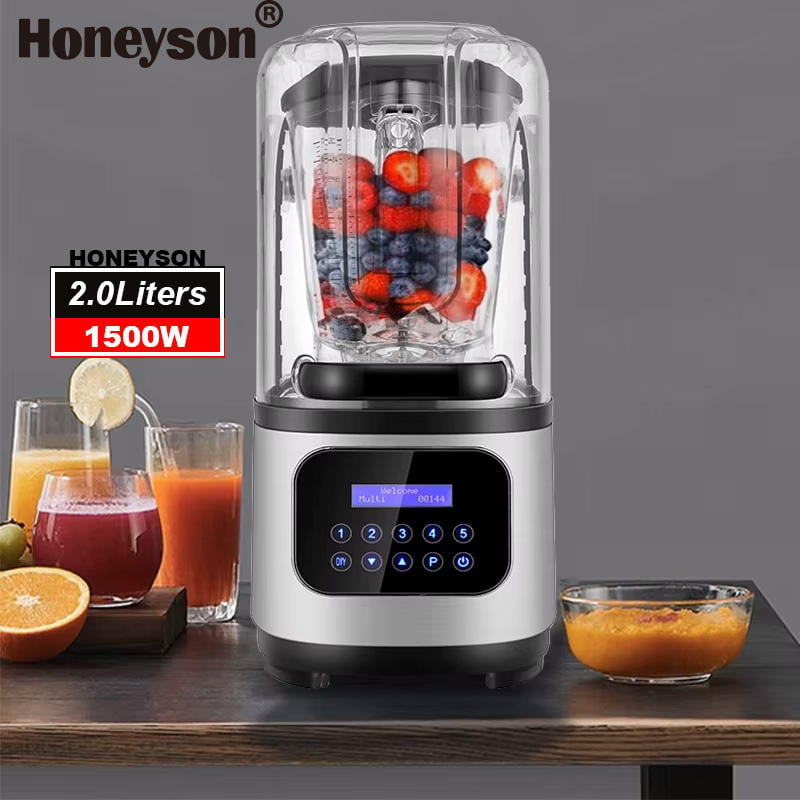
Selecting the right blender jar material is one of the most critical decisions in designing a commercial or personal blender product. The choice between glass, Tritan copolyester, and stainless steel directly impacts durability, user experience, manufacturing costs, and market positioning. For OEM projects, this decision affects both production economics and end-user satisfaction. A licuadora manufacturer must understand how each material performs under real-world conditions, handles thermal stress, resists chemical degradation, and meets regulatory standards. This guide provides the technical insight needed to make an informed material selection for your next blender development initiative.

The blender jar serves as both a functional container and a visual centerpiece of the product. Whether you are developing a compact personal blender for kitchen counters or a heavy-duty commercial unit for food service, the jar material influences everything from thermal shock resistance to long-term cost of ownership. Each material brings distinct advantages and trade-offs that align with different market segments and application requirements. Understanding these differences ensures your OEM blender meets customer expectations while maintaining production efficiency and competitive pricing.
Glass Blender Jars: Traditional Clarity and Heat Resistance
Advantages of Glass Construction
Glass has remained the preferred choice for premium blender designs due to its exceptional thermal stability and visual appeal. Glass blender containers allow users to monitor ingredients and blending progress without opening the lid, enhancing user experience and safety. Unlike some plastic alternatives, glass does not retain odors or flavors from previous blends, making it ideal for a licuadora designed for diverse culinary applications. The material withstands temperature extremes well, accommodating both frozen ingredient processing and hot soup preparation without warping or chemical leaching.
Disadvantages and Maintenance Concerns
Glass carries significant practical limitations in OEM blender development. The material is inherently brittle and susceptible to thermal shock when transitioning rapidly between temperature extremes. Dropping a glass container often results in complete failure, creating liability concerns and warranty claims for manufacturers. Glass blender jars are heavier than alternatives, increasing shipping costs and reducing portability for personal blender models. Production requires specialized equipment and quality control processes to detect microscopic stress points, raising manufacturing complexity and unit costs significantly compared to plastic options.
Tritan Copolyester Jars: Modern Durability and Value
Performance Characteristics of Tritan Material
Tritan copolyester emerged as a breakthrough material for blender design, combining clarity comparable to glass with impact resistance that far exceeds traditional plastic containers. This advanced copolyester maintains optical transparency while resisting cracks from accidental drops, making it ideal for both commercial and personal blender applications. A licuadora using Tritan material provides users with the visual feedback of glass at a fraction of the breakage risk. The material demonstrates excellent thermal stability, handling temperature ranges from near-freezing to approximately 100°C without warping or dimensional changes.
Cost and Manufacturing Advantages
For OEM blender manufacturers, Tritan offers compelling economics and production flexibility. Injection molding of Tritan copolyester allows rapid tooling and scalable production without specialized equipment requirements. The material is lighter than glass, reducing transportation costs and improving the portability factor that consumers increasingly demand. Tritan does not contain BPA or other endocrine-disrupting chemicals, aligning with modern consumer health consciousness and regulatory requirements in major markets. Compared to glass alternatives, Tritan blender jars reduce warranty claims related to breakage and shipping damage, directly improving profit margins on OEM blender units.
Stainless Steel Containers: Industrial Strength and Longevity
Superior Durability and Commercial Application
Stainless steel blender jars represent the ultimate choice for high-volume commercial environments and rugged professional use. This material is virtually indestructible under normal operating conditions, requiring no replacement due to breakage or degradation over typical product lifespans. Industrial kitchens, smoothie bars, and catering operations benefit from the extreme durability that stainless steel provides. A commercial-grade licuadora with stainless steel construction becomes a long-term asset rather than a consumable item, justifying premium pricing for professional buyers. The material resists corrosion, withstands aggressive cleaning chemicals, and performs reliably in demanding high-speed blending scenarios where heat generation and friction become significant factors.
Trade-Offs and Suitability Considerations
Stainless steel containers eliminate the transparency advantage that consumers expect from home blender models, making the blending process invisible to the user. The material requires soundproofing treatment during OEM blender assembly, as stainless steel amplifies vibration and operational noise significantly more than glass or plastic alternatives. Manufacturing stainless steel vessels demands specialized welding, finishing, and quality assurance processes that increase production costs substantially. For consumer-oriented personal blender designs targeting kitchen aesthetics and visual appeal, stainless steel may limit market acceptance despite its superior durability. The premium material cost makes sense only in commercial applications where durability directly translates to operational cost savings over extended product lifecycles.
Material Selection Framework for OEM Blender Projects
Decision Criteria by Market Segment
Identifying your target market segment guides the material selection process for your OEM blender initiative. Consumer personal blender models aimed at home kitchens typically benefit from Tritan copolyester, balancing visual feedback with robust impact resistance and affordable manufacturing. Premium home market positioning supports glass containers when targeting health-conscious consumers willing to accept higher costs and breakage risk in exchange for perceived quality. Commercial licuadora applications consistently favor stainless steel for operating environments where durability and reliability directly impact business profitability and operational continuity.
Cost and Production Planning
Manufacturing economics significantly influence material viability within your OEM blender project budget. Glass containers require the lowest material costs but demand specialized production equipment, quality control processes, and higher packaging complexity to prevent breakage during logistics. Tritan copolyester offers intermediate cost structure with highly scalable production through standard injection molding facilities available in most manufacturing regions. Stainless steel containers carry the highest material and fabrication costs but provide the lowest warranty claims and replacement rates in commercial environments. Total cost of ownership calculations should factor production costs, warranty expenses, transportation costs, and market positioning rather than focusing solely on unit material expenses.
FAQ
What is the best blender jar material for a home personal blender?
Tritan copolyester offers the optimal balance for personal blender applications by combining glass-like clarity with superior impact resistance and affordable manufacturing. The material withstands accidental drops, resists staining and odor absorption, and maintains transparency throughout the product lifecycle. For premium home market positioning, glass remains a viable option if your target consumers prioritize aesthetics and perceive breakage risk as acceptable. Stainless steel suits commercial applications rather than home use due to opacity and noise amplification issues.
How do manufacturing costs compare across blender jar materials for OEM projects?
Glass containers present the lowest material costs but incur higher production overhead through specialized equipment and quality control requirements. Tritan copolyester offers moderate material costs with standard injection molding production, providing the best overall cost efficiency for mid-volume OEM blender manufacturing. Stainless steel carries the highest material and fabrication expenses, justified only in commercial applications where durability eliminates replacement costs over extended operational periods. OEM manufacturers should calculate total cost of ownership including warranty claims, transportation, and production yield rates rather than comparing raw material expenses alone.
Can a licuadora handle hot liquids with different blender jar materials?
Both glass and Tritan copolyester containers safely accommodate hot blended soups and heated liquids, as both materials demonstrate excellent thermal stability. Stainless steel handles hot liquids exceptionally well, providing superior performance in high-volume commercial blending scenarios where heat generation from friction becomes significant. All three materials can process hot ingredients without degradation, though glass requires careful thermal shock prevention when transitioning between extreme temperature changes. Always consult material specifications and safety testing documentation to confirm specific temperature thresholds for your chosen OEM blender design.
