
 EN
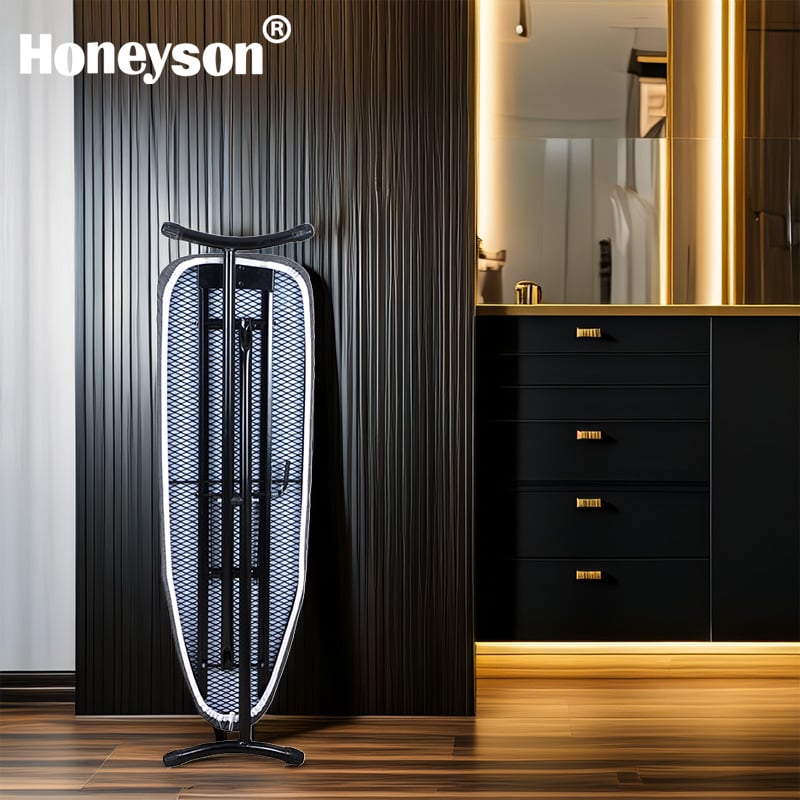
The folding mechanism of an ironing board is one of its most critical components, especially in hospitality environments where guest convenience and durability directly impact operational efficiency. Hotel ironing boards endure thousands of fold-and-unfold cycles throughout their lifespan, making rigorous cycle testing essential to ensure reliability and guest safety. Cycle testing evaluates whether the hinge systems, locking mechanisms, and support structures can withstand repeated use without degradation or failure.
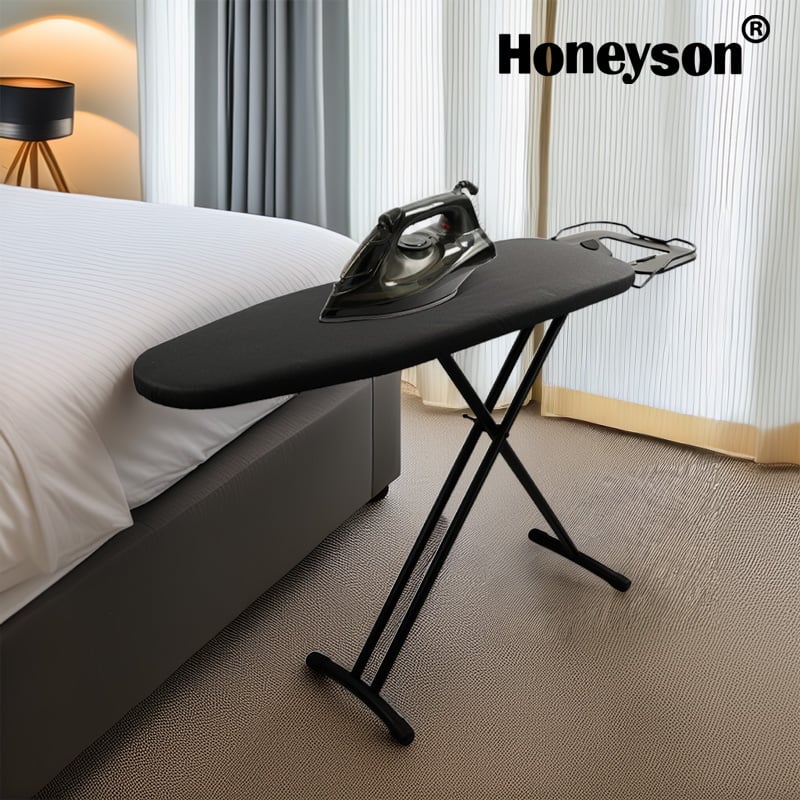
Understanding how cycle testing validates foldable ironing board performance is vital for hotel procurement teams, facility managers, and OEM ironing board manufacturers. This comprehensive approach ensures that both the mechanical and structural elements meet industry standards before units arrive in guest rooms, minimizing maintenance costs and liability risks.
Understanding Cycle Testing for Folding Mechanisms
The Purpose of Cycle Testing
Cycle testing simulates the repeated fold-and-unfold actions that an ironing board experiences over months or years of use. Each cycle represents one complete open-and-close sequence, and manufacturers typically conduct thousands of cycles to predict long-term durability. The foldable ironing board must demonstrate consistent performance without loose joints, cracked welds, or compromised locking systems after these extensive repetitions.
For hotel ironing boards, cycle testing validates that hinges remain smooth, latches engage reliably, and support legs lock securely throughout the product's service life. This testing methodology protects hotels from warranty claims, guest injuries, and unexpected replacement costs. OEM ironing board suppliers use cycle testing data to differentiate their products and assure customers of long-term reliability.
Key Components Under Test
The primary elements evaluated during cycle testing include hinge joints, locking pins, support leg mechanisms, and welded connections on the hotel ironing board frame. Hinges must maintain smooth articulation without binding, grinding, or developing excessive play. Locking mechanisms must engage and disengage reliably, preventing accidental collapse during use while allowing effortless manual operation.
Support legs on a foldable ironing board carry the full weight and require robust stress testing to prevent buckling or failure. Metal fatigue in welds and connection points represents a critical failure mode that cycle testing identifies before products reach guest rooms. Each component interaction contributes to the overall safety profile of the ironing board.
Cycle Testing Methodology and Standards
Standard Test Protocols
Industry standards such as ASTM and ISO define specific cycle testing procedures for hotel ironing board mechanisms. Tests typically specify the speed of operation, load application, and environmental conditions during repeated cycles. An OEM ironing board manufacturer may conduct 10,000 to 50,000 cycles depending on the expected product lifespan and market segment.
Automated testing equipment performs consistent, controlled cycles that eliminate operator variability and accelerate data collection. The foldable ironing board is mounted in a test fixture that replicates natural use patterns, applying realistic forces to hinges and support structures. Load cells measure resistance during folding and unfolding to detect changes that signal wear or degradation.
Load and Stress Parameters
Cycle testing applies dynamic loads that simulate actual guest use, including the weight of linens, steam irons, and occasional leaning pressure. The hotel ironing board must maintain structural integrity when subjected to these combined stresses repeated thousands of times. Testing also evaluates thermal cycling where temperature fluctuations accelerate material fatigue and expose potential failure points.
An ironing board hinge system may experience micro-fractures after prolonged cyclic loading, making high-cycle testing essential for predicting field performance. Corrosion resistance testing ensures that humidity in hotel environments does not compromise metal joints over time. OEM ironing board developers adjust material specifications and design geometry based on cycle test results.
Real-World Applications and Outcomes
Hotel Procurement Benefits
Hotels that specify foldable ironing board models backed by robust cycle testing reduce maintenance calls and guest complaints significantly. When a hotel ironing board fails to lock or close smoothly, housekeeping staff expend extra time, and guests experience frustration or safety concerns. Products with verified cycle test data minimize these operational disruptions and provide predictable replacement intervals.
Facility managers rely on cycle testing certification to justify capital equipment decisions and establish reliable preventive maintenance schedules. An OEM ironing board with transparent cycle test documentation builds trust with hospitality chains seeking durable, cost-effective guest room amenities. Bulk purchasing decisions increasingly hinge on technical data rather than price alone.
Design Improvements from Testing
Cycle testing reveals design weaknesses that engineers address through material upgrades, joint reinforcement, or mechanism redesigns. Manufacturers discover that certain hinge designs exhibit faster wear, prompting shifts to superior materials or enhanced bearing surfaces. The foldable ironing board evolves through iterative testing cycles that improve reliability with each generation.
Data from cycle testing informs warranty policies and expected service life claims for an ironing board marketed to hotels. Producers use validated test results in product brochures and sales presentations to differentiate their OEM ironing board offerings. Continuous improvement driven by cycle testing maintains competitive advantage in the hospitality equipment market.
FAQ
How many cycles should a hotel ironing board withstand?
Most hospitality-grade foldable ironing board products are tested for 10,000 to 50,000 cycles depending on design and intended market segment. Budget models may be tested for 10,000 cycles, while premium hotel ironing board units undergo 25,000 to 50,000 cycles to simulate five to ten years of heavy use. Testing protocols and cycle counts vary by manufacturer and market region, but higher cycle counts generally indicate greater durability and longer field performance.
What happens if an ironing board fails cycle testing?
When an OEM ironing board fails cycle testing, the manufacturer investigates the failure mode, redesigns the affected component, and retests the revised foldable ironing board model. Failed hinges might be upgraded to reinforced materials, weakened welds might be repositioned or strengthened, and locking mechanisms might be redesigned for greater reliability. Manufacturers document all design changes and retest until the ironing board successfully completes the required cycle count without failure.
Can hotels verify cycle test results for purchased units?
Reputable OEM ironing board manufacturers provide third-party cycle testing reports and certifications to hotels and distributors upon request. These documents detail the test conditions, cycle count, load parameters, and pass-fail results for a specific hotel ironing board model. Hotels can request copies of foldable ironing board cycle test reports during procurement to validate durability claims and make informed equipment investment decisions.
