
 EN
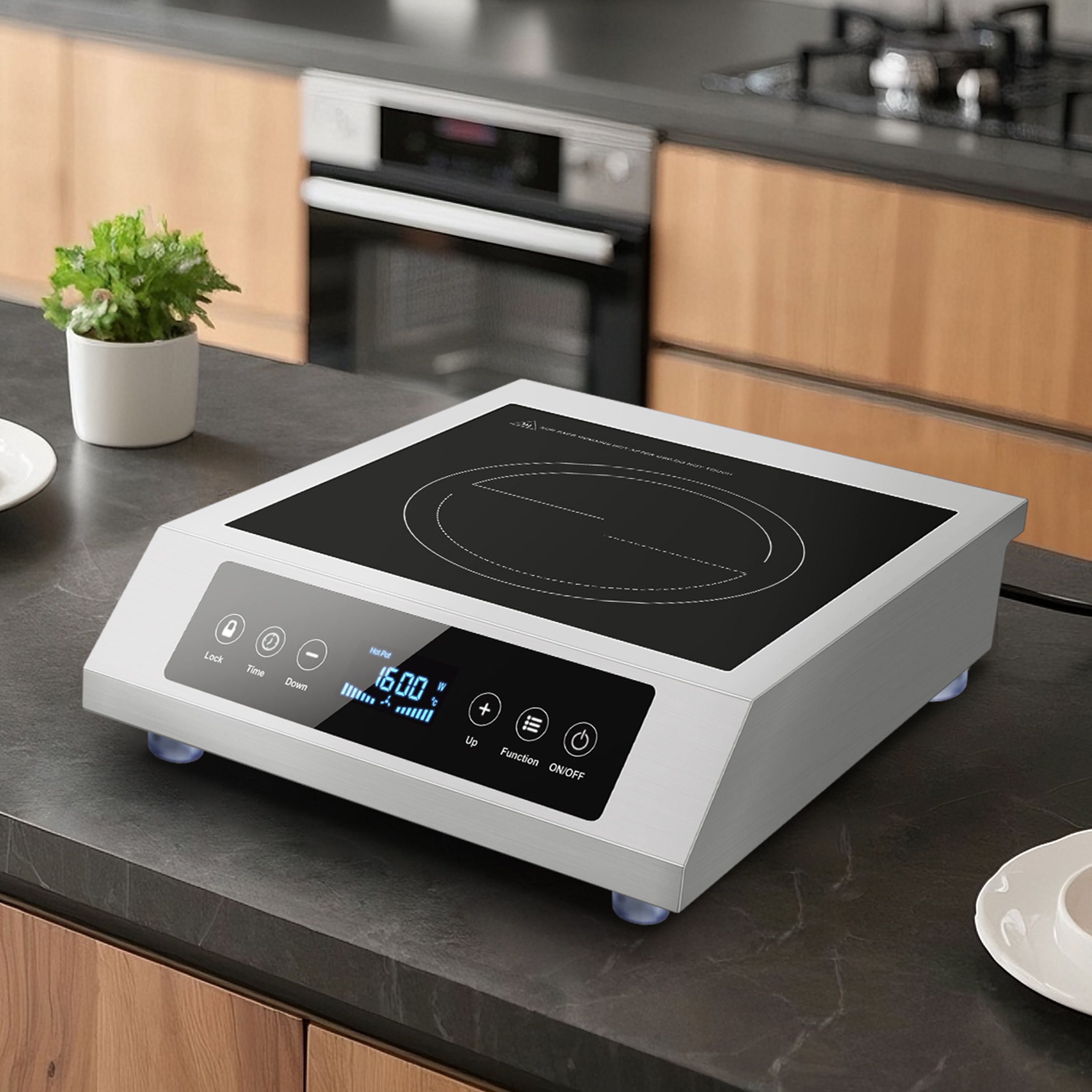
Certification gaps represent one of the most overlooked yet critical barriers facing hospitality suppliers in modern project deployment. When hospitality supplies lack proper certification, entire renovation timelines stall, causing financial strain and operational delays across the hospitality industry. This challenge extends beyond simple paperwork—it affects purchasing decisions, regulatory compliance, and ultimately the ability of hospitality suppliers to compete in a highly regulated market.
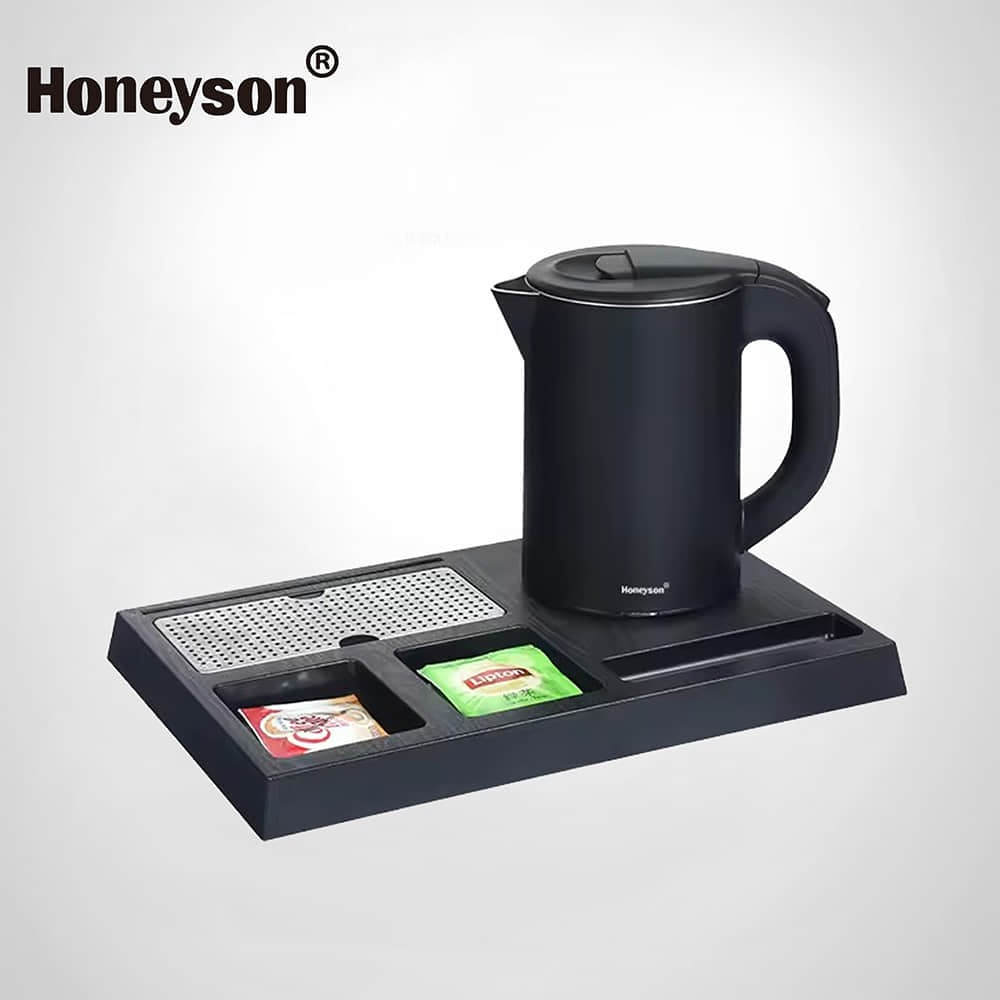
The approval process for hotel room appliances involves multiple stakeholders—property managers, corporate procurement teams, regulatory bodies, and safety inspectors. When OEM hospitality equipment arrives without complete certifications, the entire chain grinds to a halt. Understanding why certification gaps occur and how to prevent them is essential for hospitality suppliers seeking to maintain project momentum and build long-term client relationships in competitive markets.
Understanding Certification Requirements for Hotel Room Appliances
What Drives Certification Demands
Hospitality supplies must meet stringent safety, electrical, and material standards before installation. Hotel room appliances are subject to regulations from agencies such as UL, ETL, CSA, and international bodies depending on deployment region. These certifications ensure guest safety, reduce liability exposure, and protect property investments. When hospitality suppliers source OEM hospitality equipment, each component—from kettles to climate control units—must carry proof of compliance with local and international standards.
The complexity multiplies when projects span multiple locations or countries. Guest room equipment standards differ between North America, Europe, and Asia-Pacific markets. A single certification gap can invalidate entire shipments, forcing rework or replacement. Hospitality suppliers who lack clear documentation and traceability systems face cascading delays that compound across project phases.
How Certification Gaps Form
Certification gaps typically emerge during sourcing, manufacturing, or transition phases. When hospitality supplies move between OEM hospitality equipment manufacturers and distributors, documentation sometimes gets lost or becomes incomplete. Supply chain fragmentation means that guest room equipment originates from multiple vendors, each with different certification statuses. A leading cause involves changes in manufacturing locations or component suppliers—new facilities may not have carried forward previous certifications, forcing re-testing and new applications.
Communication breakdowns between hospitality suppliers and procurement teams also create gaps. Buyers may request specific product variants without confirming certification status, or manufacturers may discontinue certified models without clear notification. These gaps remain invisible until approval stages, when regulators or property managers flag missing documentation.
Impact of Certification Delays on Project Timelines
The Cascading Effect on Approvals
When hospitality suppliers submit hotel room appliances for approval without complete certifications, property management teams must halt installation schedules. Regulatory bodies typically require 30 to 90 days to process new certification applications for OEM hospitality equipment. During this period, construction crews stand idle, contractors lose productivity, and hotels lose potential revenue from delayed openings or renovations. Guest room equipment delivery dates slip, forcing renegotiation of payment schedules and warranty terms.
The financial impact extends beyond labor costs. Hospitality suppliers face penalties for missed deadlines, potential contract cancellations, and reputation damage. Project stakeholders lose confidence, making it harder for these suppliers to win future contracts. Large chains often require certification proof before even considering proposals, eliminating hospitality supplies and OEM hospitality equipment from consideration if documentation is incomplete.
Risk Escalation and Compliance Costs
Incomplete certifications force expensive remedial actions. Guest room equipment may require design modifications, component replacement, or re-testing at specialized facilities. Hospitality suppliers absorb these costs while losing time on other projects. In worst-case scenarios, non-compliant products must be scrapped entirely, representing total loss for the manufacturer and the hospitality supplies distributor. Insurance implications also arise—if an uncertified appliance causes injury or property damage, liability chains can reach back to hospitality suppliers who permitted installation.
Regulatory bodies increasingly levy fines for deploying uncertified OEM hospitality equipment in commercial spaces. Hotels themselves face penalties if inspectors discover non-compliant guest room equipment. This shared liability motivates property managers to enforce strict pre-approval verification, making certification a non-negotiable requirement rather than an optional attribute.
Strategic Solutions for Hospitality Suppliers
Certification-First Sourcing Models
Leading hospitality suppliers now implement certification verification before manufacturing begins. This means auditing OEM hospitality equipment manufacturers for existing certifications across target markets. Hospitality supplies procurement teams request dual or tri-certification from suppliers—ensuring hotel room appliances meet standards in multiple regions simultaneously. This front-loaded approach prevents gaps from forming and enables faster deployment when new projects emerge.
Building relationships with certified component manufacturers also reduces gaps. Hospitality suppliers who work exclusively with pre-certified guest room equipment vendors eliminate testing delays. Many OEM hospitality equipment manufacturers now offer multi-market certifications as standard, recognizing that hospitality supplies buyers demand global compatibility.
Documentation and Traceability Systems
Robust documentation practices separate market leaders from struggling hospitality suppliers. Maintaining detailed certification records, batch numbers, testing dates, and scope statements ensures guest room equipment compliance is immediately verifiable. Digital tracking systems allow hospitality supplies teams to instantly confirm OEM hospitality equipment status during sales cycles. When certification lapses or modifications occur, automated alerts notify all stakeholders before problems reach approval stages.
Transparency builds trust with property management teams. Hospitality suppliers who provide upfront certification documentation, including test reports and agency correspondence, accelerate approvals significantly. This practice also protects hospitality supplies vendors from liability claims—documented compliance demonstrates due diligence and good faith effort to meet regulatory standards.
FAQ
Why do certification gaps delay hospitality supplier approvals?
Certification gaps delay approvals because regulatory bodies and property managers cannot authorize installation of non-compliant hotel room appliances. Hospitality supplies and OEM hospitality equipment lacking proper documentation must undergo additional testing, which typically requires 30 to 90 days. During this period, guest room equipment cannot be installed, causing project schedules to slip and forcing hospitality suppliers to manage costly delays and potential contract penalties.
What certifications must hospitality supplies meet?
Hospitality supplies must typically meet UL, ETL, CSA, and regional electrical safety standards depending on deployment location. Hotel room appliances and OEM hospitality equipment also require compliance with building codes, fire safety regulations, and material standards specific to commercial hospitality environments. Guest room equipment standards vary by country, so multinational hospitality suppliers often pursue multiple certifications simultaneously to reduce gaps and enable faster market entry.
How can hospitality suppliers prevent certification delays?
Hospitality suppliers can prevent delays by verifying certifications before sourcing OEM hospitality equipment, maintaining detailed documentation systems, and working with pre-certified manufacturers. Building relationships with suppliers of multi-market certified hospitality supplies eliminates re-testing for guest room equipment. Additionally, implementing digital traceability systems ensures hotel room appliances compliance status is immediately transparent during sales and approval cycles, accelerating decision-making.
