
 EN
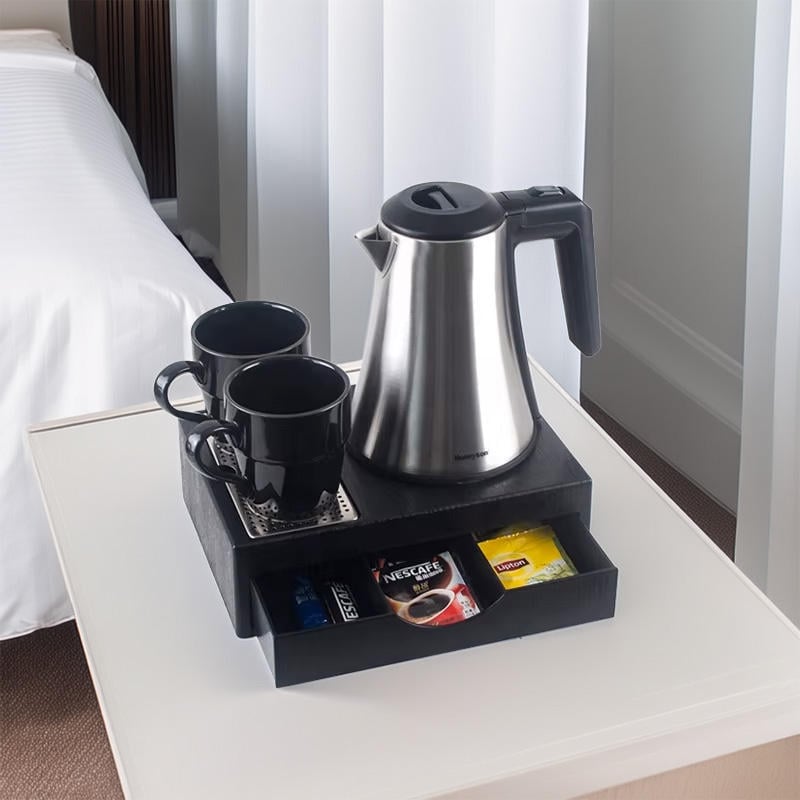
Selecting the right hospitality suppliers for equipment deployed in hot climate environments requires careful attention to thermal performance, durability standards, and guest safety protocols. Hotel operators and property managers must evaluate how ambient temperature, humidity levels, and operational stress affect appliance longevity and performance. This decision directly impacts guest satisfaction, maintenance costs, and overall operational efficiency across your property.
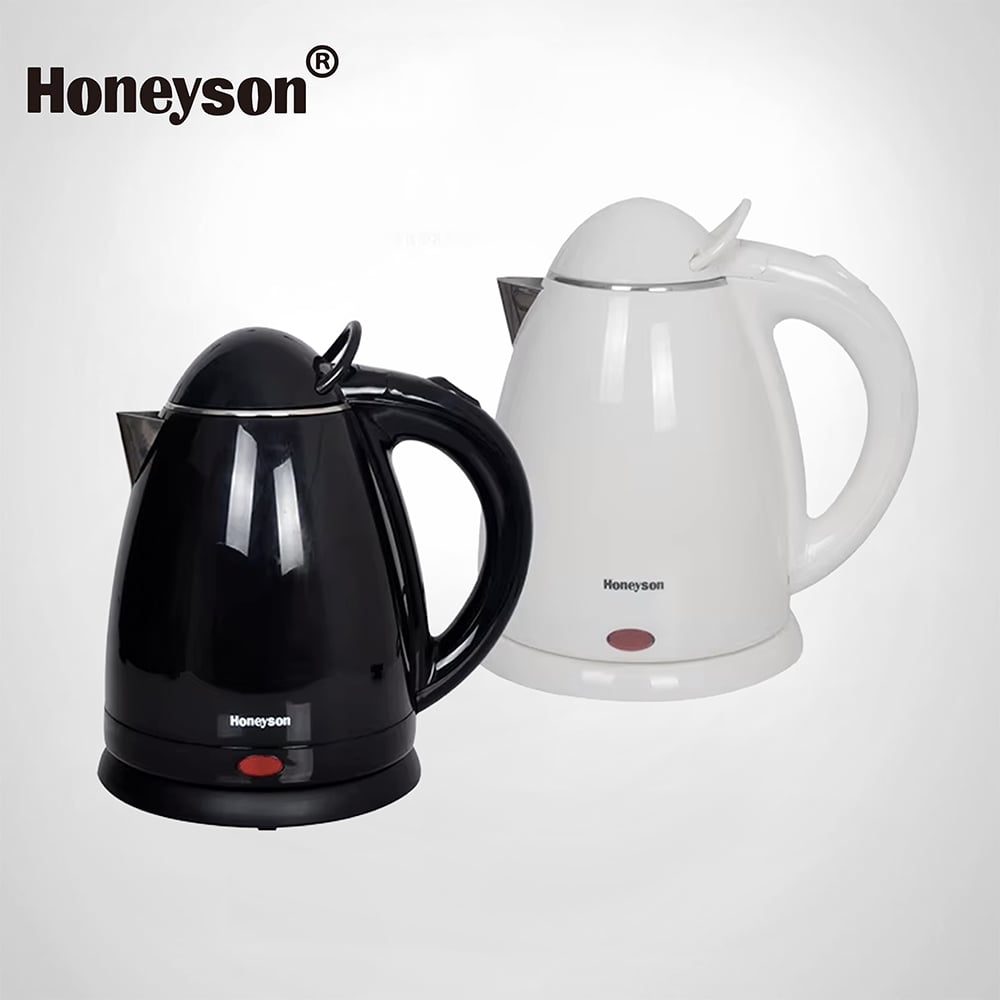
Hot climates present unique challenges for hotel room appliances. High ambient temperatures accelerate component degradation, increase electrical stress, and demand enhanced cooling mechanisms within appliance design. Partnering with experienced hospitality supplies vendors who understand these environmental demands ensures your guest room equipment performs reliably while maintaining safety standards and energy efficiency. Proper specification of thermal management, material composition, and protective features becomes critical to equipment lifespan and guest experience quality.
Thermal Performance and Cooling Requirements
Understanding Heat Dissipation Challenges
In hot climates, appliances must dissipate heat more effectively than in temperate regions. Guest room equipment such as kettles, refrigerators, and coffee makers operate in rooms where ambient temperatures may exceed 35°C (95°F). Leading hospitality supplies manufacturers design cooling systems and ventilation pathways to handle increased thermal loads. Double-wall construction, enhanced insulation, and optimized venting prevent internal component overheating and extend operational lifespan.
OEM hospitality equipment specifications should include thermostat-controlled cooling, reinforced thermal barriers, and materials rated for sustained high-temperature operation. Many hotel room appliances in hot climates benefit from external heat dissipation fins, sealed cooling chambers, and automated shut-off systems that activate when internal temperatures reach safety thresholds. Evaluating these thermal design features when selecting from hospitality suppliers ensures compliance with electrical safety standards while reducing unexpected maintenance calls and guest complaints.
Material Selection for Durability
The choice of materials directly influences how hotel room appliances withstand hot climate stress. High-grade stainless steel, advanced polymers with UV resistance, and specialized coatings protect against corrosion from heat, humidity, and salt air exposure in coastal locations. OEM hospitality equipment providers offer materials engineered to resist oxidation, discoloration, and structural weakness under prolonged heat exposure. These specifications prevent aesthetic degradation and maintain functional integrity throughout the appliance lifecycle.
Hospitality supplies vendors often specify food-grade plastics with reinforced structural elements, corrosion-resistant fasteners, and sealed electrical compartments. These material choices protect internal circuitry, prevent moisture intrusion from high humidity, and reduce failure rates in demanding environments. Investing in properly specified guest room equipment from reputable hospitality suppliers reduces replacement frequency and supports consistent guest satisfaction across your portfolio.
Electrical Safety and Compliance Standards
Voltage and Frequency Considerations
Hot climates often correlate with regions using specific electrical standards and voltage systems. Hotel room appliances must be certified for the precise voltage, frequency, and grounding requirements of their deployment location. Hospitality suppliers provide OEM hospitality equipment with appropriate certifications, surge protection, and voltage regulation to prevent damage from electrical inconsistencies common in developing markets and remote locations. Verifying these specifications prevents equipment failure, guest safety incidents, and operational disruptions.
Guest room equipment specification should include automatic voltage stabilizers, multi-voltage capability, or region-specific models to ensure compatibility and safety. Leading hospitality supplies vendors maintain separate product lines optimized for 220V, 110V, 50Hz, and 60Hz systems prevalent in hot climate destinations. Confirming these electrical specifications during procurement eliminates costly retrofitting, warranty disputes, and safety compliance failures.
Thermal Overload Protection
Hotel room appliances in hot climates benefit significantly from integrated thermal overload protection. OEM hospitality equipment designed for high-temperature environments includes automatic shut-off mechanisms, temperature sensors, and circuit breakers that activate when internal thermal thresholds are exceeded. Hospitality supplies vendors emphasize these safety features because they prevent electrical fires, extend appliance lifespan, and comply with international electrical safety standards such as IEC 60730 and national building codes.
Appliances without proper thermal protection face higher failure rates, create fire hazards, and expose properties to liability risk. Selecting guest room equipment from hospitality suppliers that prioritize thermal safety specifications protects your investment and ensures guest safety during high-demand periods when cooling systems operate continuously and heat accumulation becomes critical.
Energy Efficiency and Operational Performance
Power Consumption in Heat Conditions
Operating appliances in hot climates increases energy consumption because cooling systems work harder to maintain safe internal temperatures. Hospitality supplies from energy-efficient manufacturers reduce utility costs and operational carbon footprint. OEM hospitality equipment engineered with efficient heating elements, optimized insulation, and smart temperature management consumes less power while delivering consistent guest satisfaction. Evaluating energy rating labels and efficiency certifications during procurement directly impacts your long-term operating expenses and environmental responsibility.
Hotel room appliances with higher efficiency ratings operate cooler, require less frequent maintenance, and reduce strain on property electrical infrastructure. Hospitality suppliers increasingly offer guest room equipment meeting Energy Star or equivalent standards, providing measurable cost savings across large hotel portfolios. Prioritizing efficient specifications when selecting from hospitality supplies vendors aligns operational practice with sustainability goals and guest expectations.
Guest Experience and Reliability Standards
Reliable hotel room appliances directly enhance guest experience and reduce maintenance team workload. OEM hospitality equipment must function predictably in high-temperature environments without performance degradation or unexpected failures. Hospitality supplies from manufacturers with strong reliability records ensure consistent service delivery, positive guest reviews, and reduced housekeeping intervention. Specifications emphasizing quick recovery times, consistent output temperatures, and durable construction validate vendor credibility.
Guest room equipment failures in hot climates generate immediate service tickets, negative online reviews, and reputation damage. Selecting hospitality suppliers known for reliable appliances eliminates these risks. Consider warranty coverage, replacement support, and local service availability when evaluating OEM hospitality equipment vendors. These practical considerations ensure rapid problem resolution and maintain guest satisfaction standards expected in competitive hospitality markets.
FAQ
What specific certifications should hospitality supplies for hot climates include?
Hospitality supplies for hot climates must carry electrical safety certifications appropriate to deployment region, including CE marking for Europe, UL or ETL certification for North America, and relevant national standards for target markets. OEM hospitality equipment should include thermal protection certification, corrosion-resistance testing documentation, and energy efficiency ratings. Guest room equipment certifications validate vendor compliance with safety standards and operational reliability in demanding thermal environments.
How do hotel room appliances handle humidity and salt air exposure in coastal hot climates?
Hotel room appliances in coastal hot climates require enhanced corrosion protection through stainless steel construction, sealed electrical compartments, and specialized surface coatings. Hospitality supplies vendors specify materials and manufacturing processes designed to resist salt air degradation, moisture intrusion, and component oxidation. OEM hospitality equipment protection includes corrosion-resistant fasteners, breathable venting systems, and protective gaskets that maintain structural integrity while allowing thermal management.
What warranty and support should hospitality supplies vendors provide for equipment in high-temperature environments?
Reputable hospitality suppliers offer extended warranty coverage specifically addressing thermal stress and environmental demands of hot climates. OEM hospitality equipment warranties should cover component failure, thermal-related defects, and provide rapid replacement or repair services. Guest room equipment support should include local service centers, spare parts availability, and technical guidance for optimizing appliance performance in challenging climate conditions. Strong warranty terms and responsive support validate vendor commitment to long-term customer success.
