
 EN

Defective batch claims represent one of the most challenging operational issues that hotel supply distributors face in their daily operations. When a shipment of OEM hotel appliances arrives with defects, the ripple effects extend far beyond a single transaction. Hotels lose operational continuity, distributors face financial liability, and trust erodes quickly. Understanding how to navigate defective batch claims is essential for any hotel appliance distributor operating in this competitive landscape. The ability to manage these claims efficiently separates successful distributors from those struggling to maintain profitability and customer relationships.
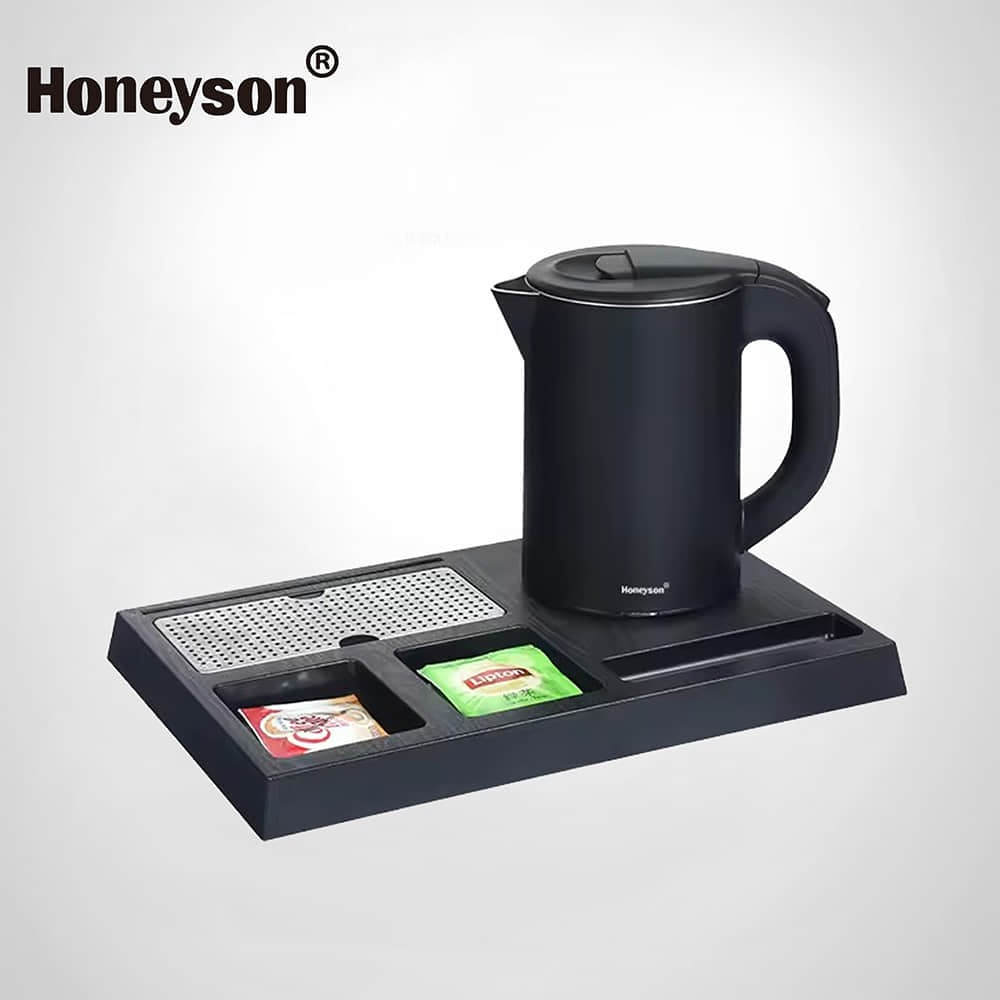
Managing defective batches requires a structured approach that protects both the distributor and the hotel client. From initial inspection protocols to claim documentation and resolution pathways, each step carries significant business implications. Guest room supplies like kettles, coffee makers, and other in-room appliances must meet strict quality standards. When hotel supply falls short of expectations, the financial and reputational consequences can be severe. This guide explores the practical frameworks that hotel appliance distributors use to handle defective batch claims effectively while maintaining strong supplier relationships and operational efficiency.
Understanding Defective Batch Claims in Hotel Supply Distribution
What Constitutes a Defective Batch
A defective batch in hotel appliance distribution occurs when a significant portion of guest room supplies arrives with manufacturing defects, performance issues, or quality failures. Unlike isolated defective items, batch-level problems suggest systemic issues at the manufacturing level. OEM hotel appliances may fail to meet specifications such as electrical safety standards, cosmetic durability, or functional performance. Common defects include heating element failures in kettles, coating deterioration, circuit malfunctions, or component misalignment. The threshold for declaring a batch defective varies by agreement, but typically ranges from three to ten percent of units showing the same defect type.
Why Batch Claims Matter
For hotel appliance distributors, defective batches create cascading operational challenges. Hotels depend on consistent inventory to maintain guest satisfaction and operational continuity. When hotel supply shipments contain defects, hotels face emergency replacement costs and potential service interruptions. Distributors must invest time and resources investigating root causes, coordinating returns, and managing claims. The financial impact extends to warehouse costs, logistics expenses, and potential refund obligations. Beyond the immediate cost, defective batches damage the credibility of both the hotel appliance distributor and the OEM hotel appliances supplier, making future business negotiations more difficult.
Core Steps for Managing Defective Batch Claims
Initial Inspection and Documentation
Upon arrival, hotel supply shipments should undergo systematic quality inspection. Distributors must randomly sample units from each batch, checking for cosmetic defects, functional performance, and compliance with specifications. Documentation should include photographs, defect descriptions, serial numbers, and timestamps. When multiple units fail the same test, the distributor should immediately isolate the batch and notify the hotel appliance distributor account manager. Comprehensive records create the evidence foundation needed for claim resolution. Guest room supplies require particular attention because their failures directly impact guest experience and hotel reputation.
Formal Claim Communication
Once defects are confirmed, the hotel appliance distributor should submit a formal written claim within the timeframe specified in the supply agreement. The claim must detail the defect type, number of affected units, batch codes or serial ranges, and the impact on hotel operations. Photographs and test results strengthen the claim significantly. Professional communication maintains the business relationship while protecting the distributor's rights. The claim should reference the original purchase order, invoice number, and any previous correspondence. Clear, organized documentation accelerates the review process and reduces disputes over claim validity.
Collaboration and Resolution Pathway
Most disputes resolve through collaborative investigation between the hotel appliance distributor, the OEM hotel appliances manufacturer, and the hotel. The manufacturer typically investigates root causes to determine whether defects stem from manufacturing errors or shipping damage. Guest room supplies defects may require laboratory testing to verify failure mechanisms. Depending on findings, resolutions may include replacements, credits, or partial refunds. Throughout this process, hotel supply distributors should maintain professional communication and flexibility. Transparent collaboration strengthens long-term supplier relationships and often leads to improved quality control for future shipments.
Risk Mitigation Strategies for Hotel Supply Distributors
Contractual Protections
Hotel appliance distributors should establish clear contractual terms with OEM hotel appliances suppliers regarding defective batch liability. Agreements should specify acceptable defect thresholds, claim timeframes, resolution procedures, and responsibility allocation. Define what qualifies as a defective batch and what remedies apply in each scenario. Guest room supplies agreements should include performance guarantees and testing requirements. Many hotel supply contracts include warranty provisions requiring manufacturers to replace or credit units exceeding the defect threshold. Strong contracts reduce ambiguity and provide legal recourse if disputes escalate.
Supplier Quality Management
Proactive relationships with OEM hotel appliances suppliers can prevent defective batches before they occur. Hotel appliance distributors should request manufacturing process documentation, quality control procedures, and defect rate history. Regular communication with suppliers helps identify potential problems early. Guest room supplies suppliers who demonstrate consistent quality through low defect rates deserve preferred status and volume commitments. Conversely, suppliers with recurring batch issues warrant closer scrutiny and potential contract renegotiation. Building supplier partnerships around quality metrics creates mutual incentive for continuous improvement.
Insurance and Financial Reserves
Smart hotel supply distributors maintain financial reserves or business interruption insurance to cover claim-related expenses. Defective batch claims can significantly impact cash flow during the investigation and resolution period. Insurance products designed for distributors can cover inventory losses, administrative costs, and liability exposure. Maintaining adequate reserves ensures the business can weather claim complications without operational disruption. Some hotel appliance distributors negotiate extended payment terms or supplier credit facilities specifically for managing claim scenarios.
FAQ
How long should hotel supply distributors wait before filing a defective batch claim?
Most supply agreements specify claim timeframes ranging from 15 to 30 days after delivery. Hotel appliance distributors should file claims as soon as defects are documented and confirmed through testing. Delaying claims weakens the distributor's position because time-sensitive evidence may become unclear. Guest room supplies should be tested immediately upon receipt to catch defects before hotels place them into service. Acting quickly also minimizes the hotel's operational impact and demonstrates professional claim management.
Can hotel appliance distributors recover shipping costs when filing defective batch claims?
Recovery of shipping costs depends on the specific contract terms with the OEM hotel appliances manufacturer. Some agreements require suppliers to cover return shipping for defective batches, while others split costs or assign them to the distributor. Hotel supply distributors should clarify shipping responsibility before disputes arise. Documentation of all costs associated with returning guest room supplies strengthens the claim. When return costs are substantial, they should be itemized separately in the claim submission to ensure proper reimbursement consideration.
What happens if a defective batch claim cannot be resolved between parties?
Unresolved defective batch disputes may escalate to mediation, arbitration, or litigation depending on contract language. Hotel appliance distributors should refer to their supply agreement for dispute resolution procedures. Most contracts include arbitration clauses that provide faster, more cost-effective resolution than court proceedings. Guest room supplies claims rarely reach legal proceedings when both parties negotiate in good faith. Legal action should be a last resort, considered only when financial exposure justifies the time and expense involved in formal dispute resolution.
