
 EN

Success in the hospitality industry depends on more than just excellent service and comfortable rooms. The appliances and supplies guests interact with daily shape their entire experience, and hotel supply distributors play a critical role in ensuring properties have access to the right equipment at every price point. Whether managing a budget-conscious chain or a luxury resort, hotel supply distributors understand that different hotel tiers require fundamentally different approaches to sourcing, quality standards, and cost management. Building a balanced hotel appliance range means understanding the distinct needs of each segment and partnering with distributors who can deliver both value and reliability across the board.
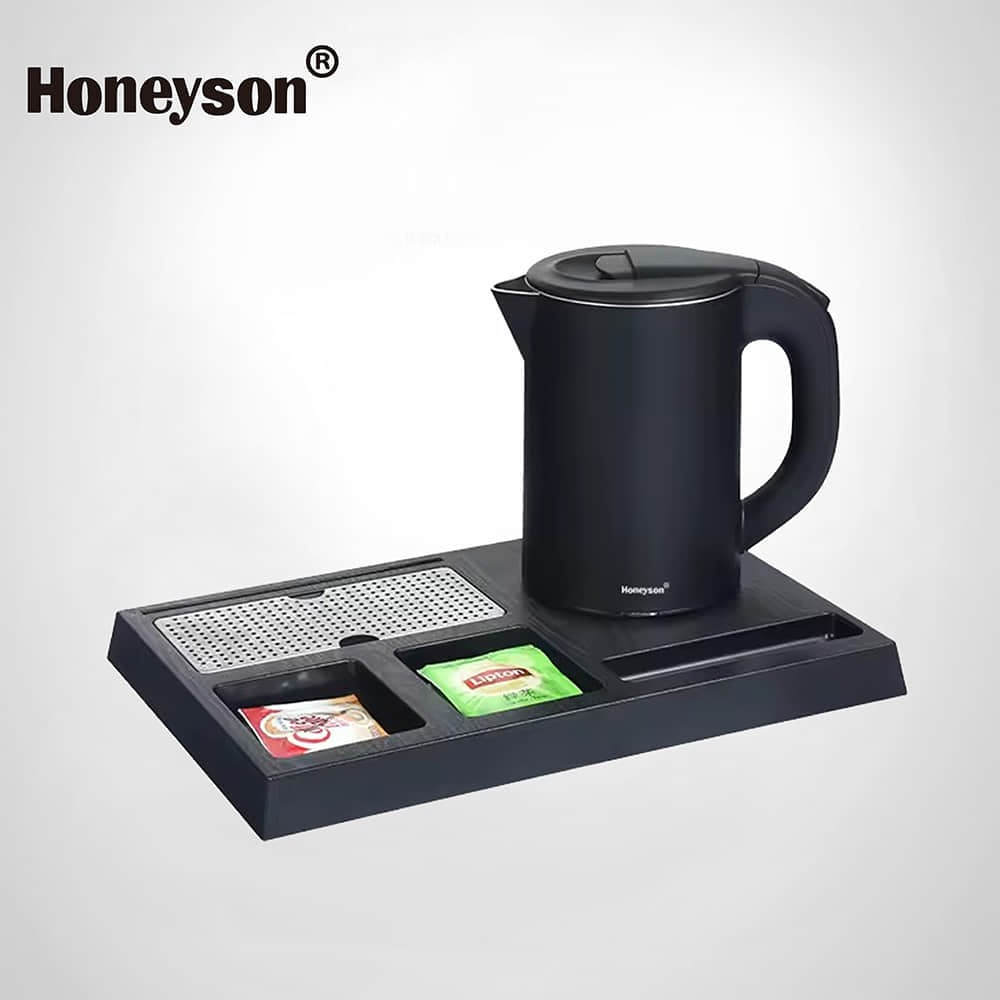
Hospitality procurement teams face constant pressure to optimize budgets while maintaining guest satisfaction. Working with experienced hotel supply distributors allows properties to source OEM hotel appliances that deliver durability, performance, and aesthetic consistency without overpaying for unnecessary features. A strategic hotel appliance distributor serves as both consultant and supplier, helping properties understand which products justify investment and which represent better value alternatives. This balanced approach ensures your property remains competitive within its tier while building long-term operational efficiency.
Understanding Hotel Tiers and Their Appliance Needs
Budget and Economy Hotel Requirements
Budget hotel properties operate on tight margins, making cost control essential without sacrificing functionality. Guest room supplies and hotel appliances in this segment must prioritize reliability, ease of maintenance, and straightforward operation. Hotel supply distributors specializing in the economy segment understand that guests expect basic comfort—clean rooms, working appliances, and essential conveniences. In-room kettles, basic refrigerators, and straightforward climate control systems represent the core equipment list. OEM hotel appliances for this tier emphasize durability over design, featuring robust construction that withstands frequent use and rapid replacement cycles common in high-turnover properties. Distributors serving this market focus on volume purchasing, standardized components, and supply chain efficiency to keep costs predictable and manageable year-round.
Mid-Scale and Extended-Stay Positioning
Mid-scale properties face unique challenges because they must deliver perceived value while maintaining reasonable margins. Guest room supplies in this segment begin to include more thoughtful touches—quality kettles with temperature controls, refrigerators with reliable freezer sections, and appliances that subtly enhance comfort without excessive luxury. OEM hotel appliances at this level start incorporating design elements and slightly elevated performance specifications that justify the price differential from budget options. Hotel supply distributors working with mid-market properties balance cost with capability, often recommending equipment that performs reliably while delivering visual appeal that guests notice and appreciate. Extended-stay properties add another layer of complexity, requiring appliances engineered for higher-frequency use and guest preferences for familiar, intuitive controls and additional convenience features.
Curating the Right Product Mix Across Your Property Portfolio
Aligning Guest Expectations with Appliance Selection
Effective hotel appliance distributor relationships begin with clarity about guest expectations at each property level. A luxury resort's guests expect seamless performance, refined aesthetics, and premium materials, while budget property guests prioritize basic functionality and cleanliness. Hotel supply distributors help procurement teams understand that the same kettle model cannot serve both contexts—luxury properties need aesthetically integrated, feature-rich appliances, while budget properties need straightforward, cost-effective equipment. OEM hotel appliances should reflect each property's brand positioning and guest demographic. Working with hotel supply distributors who understand these distinctions prevents costly misalignments where expensive equipment sits underutilized in budget properties or cheaply-sourced appliances damage brand perception at upscale locations. The right distributor asks critical questions about your guest profile, competitive landscape, and revenue model before recommending specific products.
Standardization Versus Customization Strategy
Multi-property hotel chains often struggle with whether to standardize appliances across all locations or permit tier-specific selections. A strategic hotel appliance distributor helps balance these considerations by identifying core product families where standardization creates supply chain efficiency without compromising brand experience. Guest room supplies like kettles, for example, can feature consistent quality and ease of service across tiers while varying in aesthetic finishes or feature levels. OEM hotel appliances for HVAC systems, refrigeration, and major equipment may justify standardization across multiple properties to streamline training, maintenance, and parts inventory. Hotel supply distributors with experience across multiple portfolio types help identify which categories benefit from standardization and where tier-specific selection protects brand differentiation. This hybrid approach reduces complexity while respecting the distinct needs of each property segment.
Working Effectively with Hotel Supply Distributors
Building Long-Term Distributor Partnerships
The most successful hospitality procurement relationships extend beyond transactional purchasing. Strategic hotel supply distributors become trusted consultants who understand your property portfolio's evolving needs, competitive environment, and financial pressures. These partnerships typically include regular business reviews, access to new OEM hotel appliances as they become available, and collaborative problem-solving when operational challenges arise. Hotel appliance distributor representatives who spend time understanding your properties' specific demands can identify opportunities for cost savings, suggest product innovations that enhance guest experience, and provide early warning when supply chain disruptions might affect availability. Guest room supplies often follow seasonal patterns or tied to renovation cycles, and experienced distributors help anticipate these needs rather than reactively sourcing equipment under pressure. Building this relationship requires transparency about your budget constraints, timeline requirements, and strategic objectives.
Evaluating Distributor Capabilities and Support
Not all hotel supply distributors offer equal value or service quality. Key evaluation criteria include product breadth across all hotel tiers, technical support availability, installation guidance, and warranty management processes. A capable hotel appliance distributor maintains relationships with multiple OEM hotel appliances manufacturers, giving you choice and competitive pricing rather than being locked into limited options. Ask distributors about their experience with your specific hotel segments and request references from similar properties. Evaluate whether they offer training resources for your maintenance staff, emergency replacement services when equipment fails, and transparent communication about lead times and availability. Guest room supplies and appliance support should include clear documentation, spare parts availability, and responsive customer service. The distributor's ability to support your properties during peak seasons or during unexpected equipment failures often determines whether they remain a valued partner or become a commodity vendor.
FAQ
What distinguishes an effective hotel appliance distributor from a basic commodity supplier?
An effective hotel supply distributor understands the hospitality industry's distinct operational needs, guest expectations at different price points, and how appliance selection impacts both guest satisfaction and operational efficiency. They proactively consult on product fit, maintain comprehensive inventory to meet urgent needs, provide training and technical support, and build long-term partnerships focused on your properties' success rather than maximizing transaction volume. Commodity suppliers typically offer products at lowest price without industry expertise or ongoing support, leaving procurement teams to navigate complex decisions independently.
How should we approach sourcing OEM hotel appliances versus generic commercial equipment?
OEM hotel appliances are purpose-built for hospitality environments, featuring designs that withstand frequent guest use, intuitive operation for diverse user comfort levels, and aesthetics that align with various hotel tier expectations. Generic commercial equipment may seem cheaper initially but often lacks hospitality-specific design, proving less reliable or requiring more frequent maintenance. Hotel supply distributors specializing in hospitality recommend prioritizing OEM hotel appliances for guest-facing items like kettles, refrigerators, and climate controls, while potentially allowing commercial alternatives for back-of-house equipment. This balanced approach delivers guest experience advantages where they matter most while controlling costs in less-visible areas.
Can a single hotel supply distributor effectively serve both budget and luxury property segments?
Yes, though it requires a distributor with substantial product breadth and expertise across all hotel tiers. The best hotel supply distributors maintain relationships with multiple OEM hotel appliances manufacturers and understand the specific requirements of budget, mid-scale, and luxury properties. They recognize that guest room supplies and appliance selections differ fundamentally by tier and help each property segment source appropriate equipment rather than forcing one-size-fits-all recommendations. However, verify that your distributor genuinely understands your specific tier's competitive dynamics and has successfully served similar properties previously, ensuring they deliver truly aligned recommendations rather than generic options.
