
 EN

When investing in hotel supplies for guest room equipment, warranty and after-sales support are not afterthoughts—they are foundational business protections. Hotels depend on consistent, reliable performance from every kettle, coffee maker, iron, and accessory in their rooms. A single failed appliance can disrupt guest experience, trigger maintenance calls, and erode your operational margin. Understanding the warranty terms, service response times, and replacement logistics for hotel room appliances directly impacts your total cost of ownership and guest satisfaction metrics.
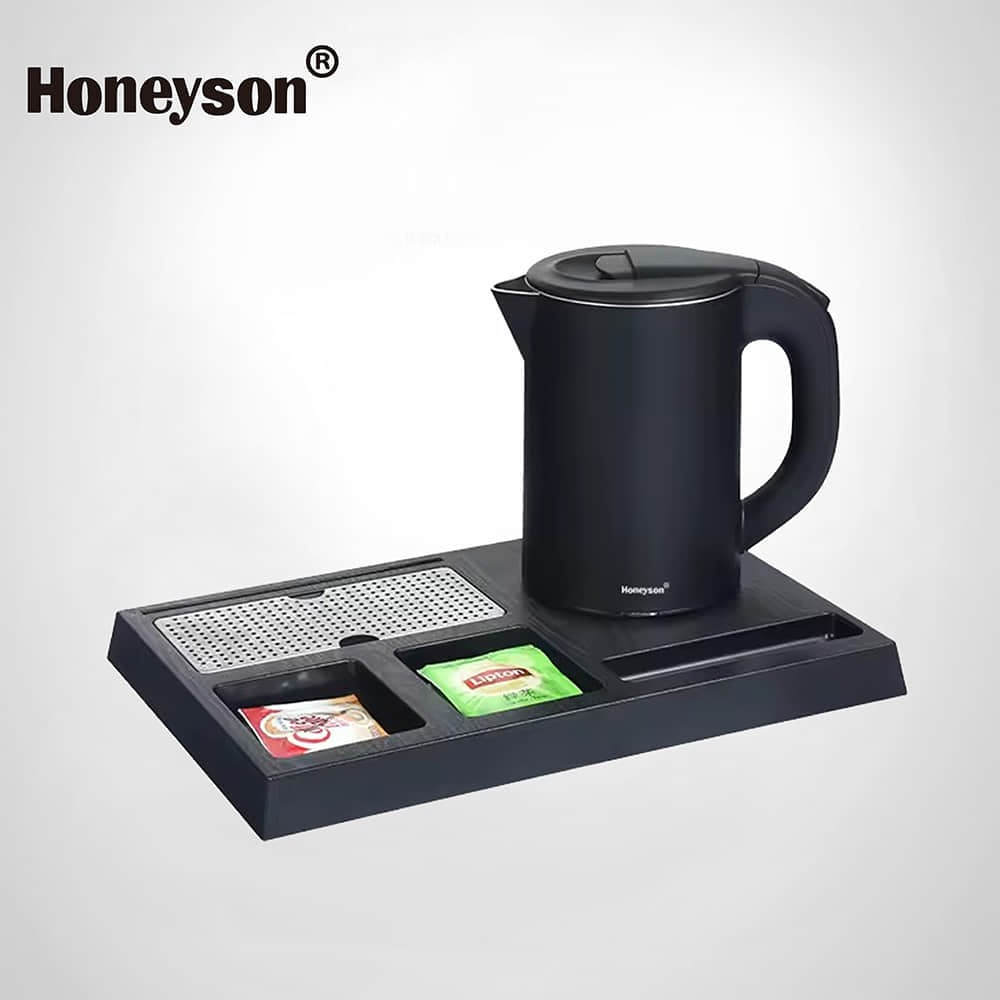
The procurement of OEM hotel supplies requires careful attention to coverage scope, response protocols, and claim procedures. Many hotel operators overlook critical distinctions between standard warranties, extended coverage options, and what constitutes manufacturer responsibility versus guest-caused damage. This article explores the warranty and after-sales terms that genuinely matter when sourcing guest room equipment, helping you negotiate better contracts and avoid costly surprises during operations.
Understanding Warranty Scope for Guest Room Equipment
Standard Coverage vs. Extended Protection
Most hotel room appliances arrive with a standard warranty period, typically one to three years depending on the appliance category and manufacturer. For hotel supplies like kettles, the warranty often covers defects in materials and workmanship under normal operating conditions. However, the term 'normal use' in a hospitality environment differs significantly from residential use. Guest room equipment experiences higher frequency cycles, occasional misuse, and exposure to cleaning chemicals. When selecting OEM hotel supplies, you must clarify whether the warranty accounts for commercial-grade operational demands or assumes lighter residential patterns.
Extended warranty programs offer additional years of coverage beyond the standard period. These plans typically cost 15–40% of the appliance purchase price and cover parts and labor for specified repairs. For hotel operators managing hundreds or thousands of units across multiple properties, extended warranties can reduce unplanned replacement budgets. The key decision point is assessing your in-house repair capability, parts inventory, and the financial impact of downtime per room per day. Properties with limited maintenance staff often find extended coverage more cost-effective than emergency service calls.
What Warranty Coverage Typically Excludes
Understanding exclusions is equally important as knowing what is covered. Most warranties for hotel supplies explicitly exclude damage from misuse, negligence, unauthorized repairs, power surges, and normal wear and tear. Guest-caused damage—such as dropping a kettle, overfilling, or using an appliance with damaged power cords—usually falls outside warranty protection. Cosmetic damage, discoloration, and minor dents typically are not covered either. For guest room equipment in high-traffic environments, clarifying these boundaries upfront prevents disputes when filing claims and helps you budget for replacement reserves.
After-Sales Service Terms and Response Logistics
Service Response Time Commitments
Response time is a critical metric in after-sales service for hotel room appliances. Premium OEM hotel supplies vendors offer tiered response commitments, such as 24-hour acknowledgment, 48-hour parts shipment, or next-business-day technician dispatch. For properties in remote locations or international markets, response times can stretch significantly. During peak seasons or emergencies, generic repair networks may prioritize higher-volume customers, leaving your hotel with unresolved equipment failures. Negotiate specific service level agreements (SLAs) that align with your operational tolerance for downtime and establish penalty clauses if response targets are missed.
On-site versus mail-in repair options represent another critical dimension of after-sales support for hotel supplies. Larger hospitality chains often secure on-site technician agreements with manufacturers or authorized service centers, particularly for high-value guest room equipment. Smaller properties may rely on mail-in warranty service, which requires packaging, shipping time, and lag before replacement equipment arrives. Understanding your vendor's service model upfront prevents misalignment between your expectations and their capabilities.
Parts Availability and Replacement Protocols
Hotel room appliances require reliable parts availability to minimize downtime. Reputable OEM hotel supplies vendors maintain spare parts inventory or can source replacements quickly from manufacturers. When reviewing after-sales terms, confirm the vendor's parts stocking policy, lead times for common components, and whether replacement parts are covered under warranty or charged separately. Some vendors offer 'swap and return' logistics where they ship a replacement guest room equipment unit before you return the defective one, eliminating operational gaps.
Additionally, clarify whether warranty claims include labor costs for repairs or only parts replacement. Some hotel supplies contracts cover both labor and materials during the warranty period, while others require you to arrange and pay for technician time. For properties with in-house maintenance teams, labor-only coverage may suffice. For outsourced operations, full-service coverage becomes more economical and predictable.
Negotiating Terms That Align with Hotel Operations
Bulk Purchase Agreements and Warranty Scaling
Large-scale hotel room appliances purchases create leverage for better warranty terms. When ordering significant quantities of OEM hotel supplies for multiple properties or major renovations, manufacturers often extend warranty periods, improve response commitments, or waive certain exclusions for bulk contracts. Negotiate volume-based warranty enhancements alongside pricing discounts. A hotel operator ordering 500 kettles for a brand-wide rollout can typically secure warranty terms that individual property managers cannot achieve.
Establish tiered warranty structures that match your risk tolerance. Higher-value appliances like espresso machines or advanced climate controls warrant extended or premium coverage. Standardized items like basic kettles or hangers may operate effectively under standard warranties supplemented by large replacement inventory. This segmented approach optimizes your warranty spend across your guest room equipment portfolio.
Claim Documentation and Dispute Resolution
Effective after-sales support depends on clear claim procedures and documentation requirements. Review warranty terms to understand what evidence is needed to file a claim—photographs, serial numbers, purchase receipts, maintenance logs. Some vendors require detailed failure descriptions or video evidence of the malfunction. Establish internal protocols for documenting guest room equipment issues consistently across your properties so claims are processed efficiently. Unclear documentation delays resolution and may result in claim denial.
Include dispute resolution procedures in your hotel supplies contracts. Define escalation paths, timelines for claim decisions, and remedies if the vendor fails to honor warranty commitments. Many international hotel supply vendors offer arbitration or mediation options rather than litigation, which reduces legal costs and accelerates resolution for defective guest room equipment.
FAQ
What is the typical warranty period for OEM hotel supplies?
Most OEM hotel supplies carry warranties between one and three years, depending on the appliance category and manufacturer. Basic guest room equipment like kettles often come with one to two-year coverage, while premium appliances may offer three years. Warranty length should reflect the expected lifespan in a commercial hospitality environment, not residential use patterns. Always confirm the start date—some vendors count from manufacture, while others begin coverage from delivery or installation. Negotiate longer warranty periods during bulk purchases or as part of multi-property contracts.
Can warranty claims be denied for guest-caused damage?
Yes, warranty claims are typically denied for guest-caused damage, misuse, or unauthorized repairs. Standard hotel supplies warranties explicitly exclude damage from dropping, overfilling, using damaged cords, or exposure to cleaning chemicals. However, you can protect against these gaps by purchasing separate damage waiver programs or equipment protection plans that cover accidental damage beyond standard warranty scope. Some vendors offer 'guest damage endorsements' as add-on coverage for hotel room appliances in high-traffic environments. Review these options during procurement to decide if the additional cost justifies coverage breadth for your property type.
How should hotels handle warranty claims across multiple properties?
Multi-property hotel operators should centralize warranty claim management to track failures by appliance type, location, and vendor performance. Establish a standardized documentation system capturing serial numbers, failure dates, claim submission dates, and resolution timelines. This data reveals patterns—such as recurring defects in specific guest room equipment batches—that justify vendor escalation or replacement orders. Many vendors offer centralized claim portals for large customers, enabling faster processing and bulk claim negotiation. Consolidating warranty claims also strengthens your position in contract renewals by demonstrating which vendors deliver reliable after-sales support versus chronic underperformers.
