
 EN
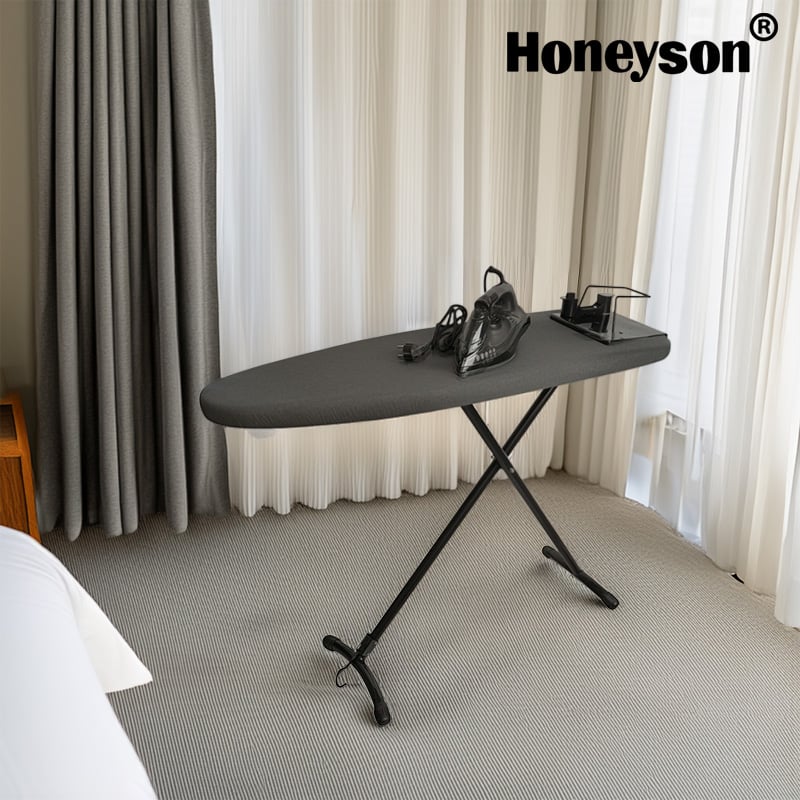
Hotel ironing boards represent a critical yet often overlooked component of guest room amenities. The design and reliability of these fixtures directly impact guest safety, operational efficiency, and liability management for hospitality businesses. Modern hotels must understand the mechanical vulnerabilities inherent in ironing board height lock systems, particularly as guest expectations continue to rise and regulatory scrutiny intensifies across the industry.
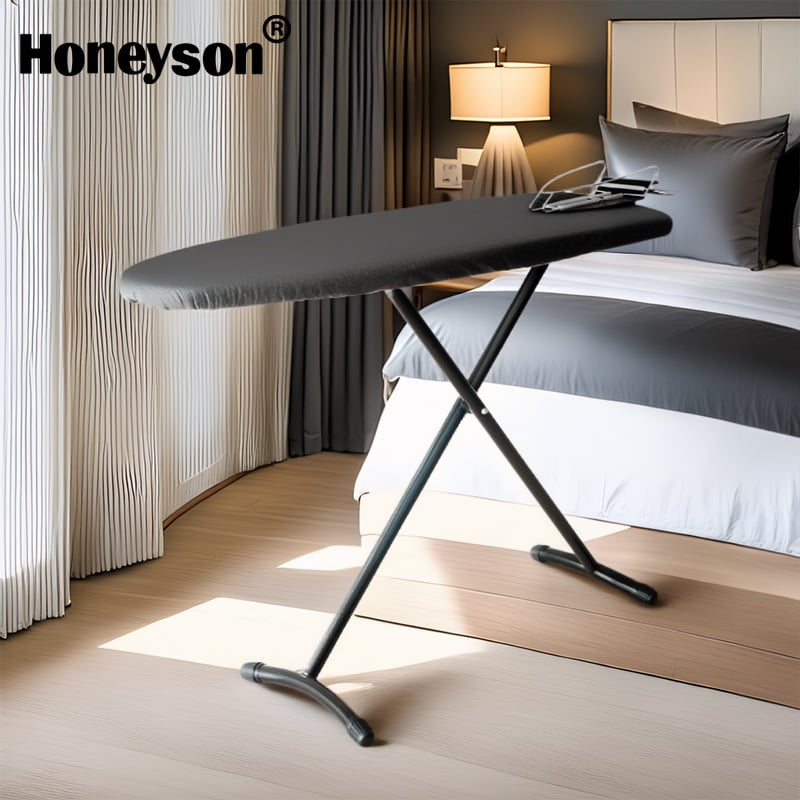
Understanding the mechanical failures that plague hotel ironing board systems requires examining both design philosophy and real-world operational conditions. Height lock mechanisms experience constant stress from repeated use, improper handling, and environmental factors such as humidity and temperature fluctuations. A comprehensive analysis of failure modes, OEM engineering standards, and practical mitigation strategies helps hotel managers make informed procurement and maintenance decisions.
Height Lock Mechanism Failure Modes
Common Structural Weaknesses
The foldable ironing board remains ubiquitous in hotel environments due to space constraints and guest expectations for convenience. However, the height lock systems in these units frequently fail under normal operating conditions. The primary failure mode involves progressive wear in the locking pins and detents that maintain vertical stability. As guests apply weight and adjust height settings, micro-movements occur at connection points, eventually creating gaps that compromise safety.
Repeated cycling of height adjustments generates cumulative stress on the locking mechanism. Hotel ironing board designs must accommodate thousands of adjustment cycles over a multi-year lifespan, yet many OEM ironing board specifications fail to account for the aggressive use patterns seen in commercial environments. Material fatigue in steel or aluminum components leads to permanent deformation, reducing the contact surface area between locking elements and diminishing overall stability.
Environmental and Usage Degradation
Hotel environments accelerate deterioration of mechanical components through consistent exposure to temperature and humidity variations. Locking mechanisms with inadequate corrosion resistance experience surface degradation that eventually prevents proper engagement. Water damage from shower steam or spilled beverages penetrates locking assemblies, initiating rust formation within confined spaces where cleaning is impossible.
Guest handling practices further compromise foldable ironing board reliability. Improper folding techniques, excessive downward force during height adjustment, and collision damage during storage accumulate damage that weakens lock performance. Unlike commercial-grade equipment, many standard hotel ironing board models lack reinforcement in critical stress zones, making them vulnerable to abuse patterns that occur routinely in busy properties.
OEM Standards and Design Considerations
Engineering Requirements and Compliance
OEM ironing board manufacturers operating under established industry standards must address specific performance criteria that directly relate to height lock reliability. American and European standards specify minimum load ratings, cycle durability, and lock engagement force requirements that separate commercial-grade equipment from residential designs. However, not all manufacturers maintain equal commitment to these specifications, creating significant variation in actual field performance.
Superior OEM ironing board designs incorporate redundant locking mechanisms that maintain stability even if primary locks experience partial failure. Dual-pin systems, for instance, prevent catastrophic collapse while alerting users to degraded performance through increased noise or resistance. Material selection in high-specification hotel ironing board units emphasizes corrosion-resistant coatings and hardened steel components that withstand thousands of cycles without permanent deformation.
Comparative Advantages of Premium Designs
Premium foldable ironing board systems featuring advanced height lock technology incorporate sealed bearing assemblies that prevent environmental contamination while maintaining smooth operation. The superior design extends component lifespan by 300 to 500 percent compared to standard models, translating directly into reduced replacement frequency and lower total cost of ownership for large hotel operators. These high-performance hotel ironing board units also feature adjustable tension mechanisms that allow maintenance teams to restore lost lock engagement without requiring complete replacement.
Advanced OEM ironing board specifications include impact-resistant housings and reinforced frame geometries that distribute stress more effectively across the entire structure. Material science innovations in locking pin design reduce wear rates by employing surface treatments that minimize friction-induced degradation. Hotels that prioritize these premium foldable ironing board systems experience dramatically fewer guest complaints and eliminate the reputational damage associated with equipment failure during use.
Risk Management and Guest Safety Implications
Liability and Incident Prevention
Catastrophic failure of hotel ironing board height locks creates serious safety hazards and significant liability exposure for hospitality businesses. When locking mechanisms fail during use, rapid collapse can cause injury to guests or property damage. Documentation of known failure patterns in specific ironing board models creates legal vulnerability, particularly if management delayed replacement despite recognizing systemic problems. Regular inspection protocols and proactive replacement schedules substantially reduce incident risk while demonstrating reasonable care to potential litigators.
The financial impact of height lock failures extends beyond individual incident costs to encompass operational disruptions, guest satisfaction damage, and staff time devoted to emergency maintenance and safety protocols. A single serious injury incident involving a foldable ironing board failure can generate legal expenses exceeding hundreds of thousands of dollars, far exceeding the cost of preventive equipment upgrades. Hotels that maintain comprehensive maintenance documentation and implement timely replacement schedules for aging ironing board inventory protect themselves from catastrophic financial exposure.
Quality Assurance in Procurement
Procurement teams should establish rigorous qualification criteria when selecting hotel ironing board suppliers, emphasizing independently verified performance data and long-term reliability records. Direct engagement with OEM ironing board manufacturers regarding expected lifespan and failure rate profiles informs realistic replacement planning. Specification sheets for high-quality foldable ironing board units should clearly document load ratings, cycle durability claims, and environmental operating ranges verified through third-party testing.
Establishing relationships with reliable OEM ironing board partners who provide technical support and spare part availability creates operational flexibility for large hotel chains managing diverse properties. Bulk procurement arrangements with performance guarantees align supplier incentives with hotel safety objectives. Properties that negotiate extended warranty coverage on height lock mechanisms transfer some replacement risk to manufacturers, encouraging focus on component reliability rather than minimizing initial purchase cost.
FAQ
What causes the height lock mechanism in a hotel ironing board to fail?
Height lock failures result from cumulative wear generated by thousands of adjustment cycles, combined with material fatigue in locking pins and detents. Corrosion from environmental moisture, improper guest handling, and inadequate design engineering in non-commercial-grade models accelerate degradation. Premium OEM ironing board systems with redundant mechanisms and superior materials resist failure longer than standard foldable ironing board designs, though all mechanical systems eventually require maintenance or replacement.
How can hotels minimize ironing board height lock failures?
Hotels should invest in high-quality OEM ironing board models specifically engineered for commercial environments rather than consumer-grade foldable ironing board units. Regular inspection schedules identifying early warning signs such as increased friction, unusual noise, or visible corrosion allow proactive maintenance before catastrophic failure. Establishing preventive replacement cycles based on manufacturer recommendations for hotel ironing board components significantly reduces both safety incidents and long-term operational costs compared to reactive replacement strategies.
What distinguishes commercial-grade hotel ironing board systems from standard models?
Commercial-grade foldable ironing board designs incorporate corrosion-resistant materials, redundant height lock mechanisms, and reinforced frame structures specifically engineered to withstand thousands of cycles in high-use environments. Premium OEM ironing board systems feature sealed bearing assemblies preventing environmental contamination, adjustable tension mechanisms for maintenance restoration, and impact-resistant housings distributing stress effectively. These advanced hotel ironing board configurations maintain performance and safety across multi-year operational lifespans while standard consumer models deteriorate rapidly under commercial use patterns.
