
 EN
EN
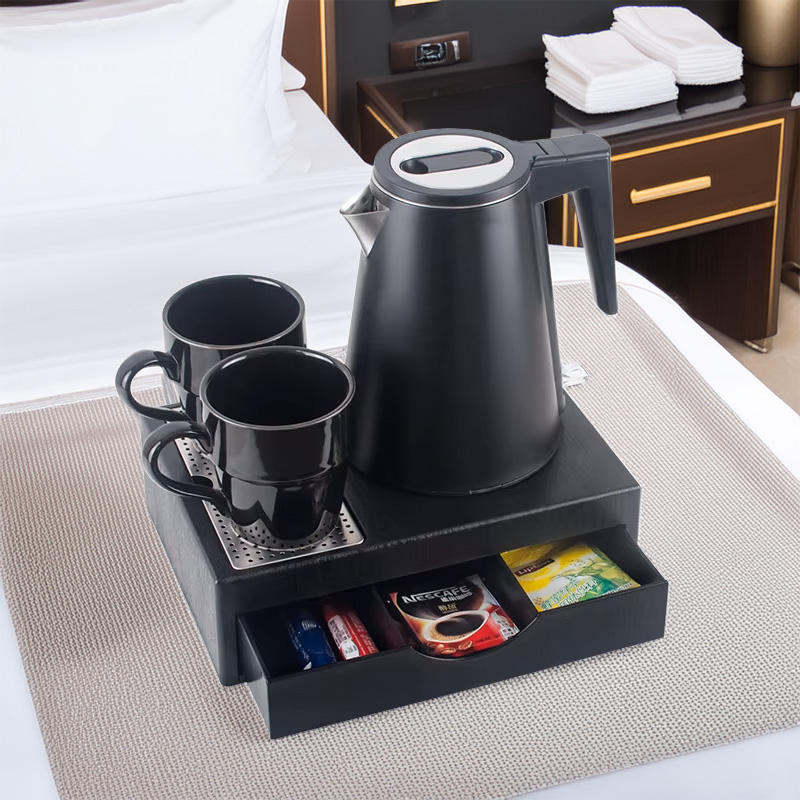
The modern hospitality industry demands exceptional guest experiences, and hoteliers continuously seek innovative ways to exceed expectations. Among the amenities that significantly impact guest satisfaction, a high-quality hotel coffee machine stands as a cornerstone of premium service delivery. This essential equipment transforms ordinary hotel rooms into comfortable retreats, providing guests with the luxury of freshly brewed coffee at their convenience. The strategic placement of coffee-making facilities in guest rooms has evolved from a basic amenity to a competitive differentiator in today's crowded hospitality market.
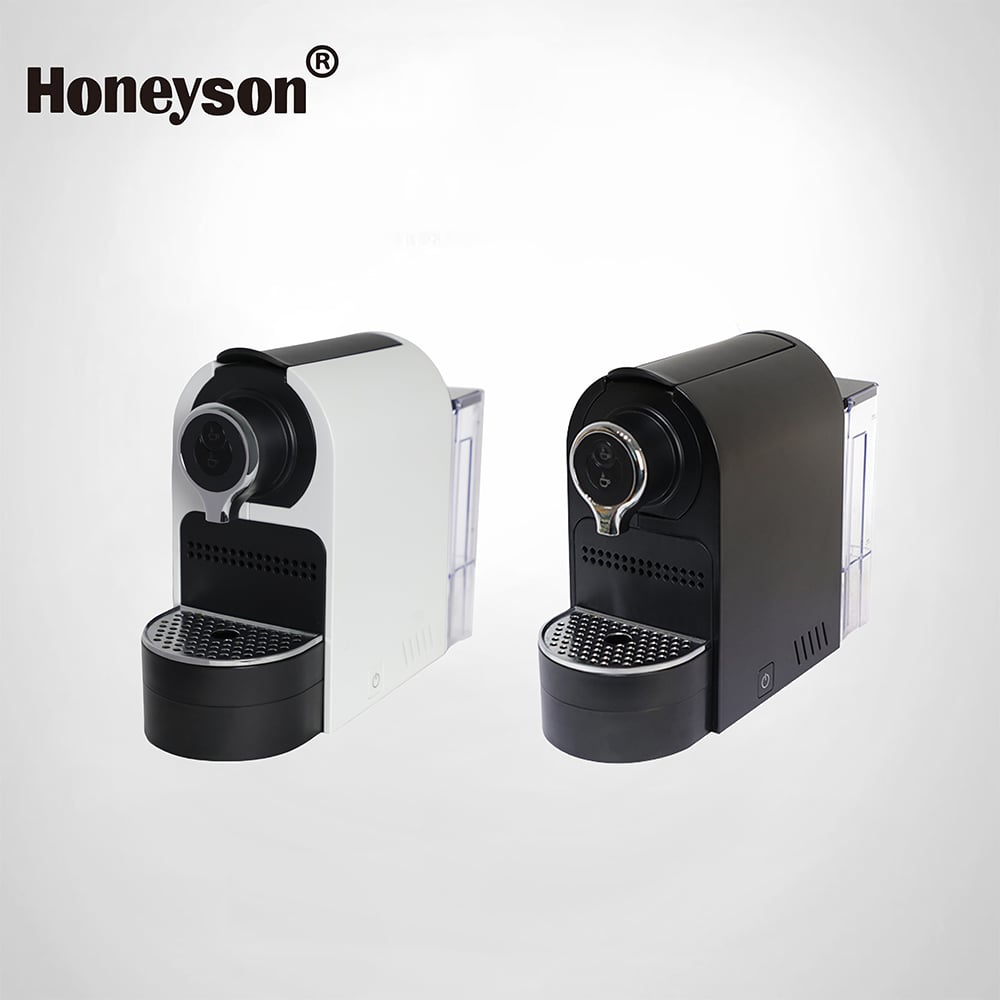
Guest expectations have elevated substantially over the past decade, with travelers demanding more personalized and convenient services during their stays. The presence of a reliable hotel coffee machine addresses multiple guest needs simultaneously, from early morning caffeine requirements to late-night comfort beverages. Hotels that invest in professional-grade coffee equipment demonstrate their commitment to guest comfort and attention to detail, often resulting in improved review scores and increased customer loyalty. The psychological impact of having access to quality coffee cannot be understated, as it creates a sense of home-like comfort that resonates deeply with guests seeking familiar conveniences during their travels.
The Strategic Importance of In-Room Coffee Solutions
Competitive Advantage Through Premium Amenities
Hotels operating in competitive markets recognize that standard amenities alone are insufficient to attract discerning guests. A sophisticated hotel coffee machine serves as a tangible representation of the establishment's commitment to excellence, often becoming a deciding factor for guests choosing between similar properties. The convenience of preparing fresh coffee without leaving the room appeals particularly to business travelers who value time efficiency and executives who require early morning productivity boosts. Furthermore, leisure travelers appreciate the ability to enjoy a quiet morning coffee while planning their daily activities, creating positive associations with the hotel brand.
Revenue Enhancement and Cost Considerations
The financial benefits of implementing quality coffee machines extend beyond guest satisfaction metrics to measurable revenue improvements. Hotels typically experience reduced room service demands for coffee delivery, allowing staff to focus on other guest services while maintaining high satisfaction levels. The initial investment in a professional hotel coffee machine quickly pays dividends through improved guest reviews, increased repeat bookings, and reduced operational costs associated with traditional coffee service models. Additionally, properties can often negotiate favorable rates for coffee supplies when purchasing in bulk, further enhancing the return on investment.
Guest spending patterns also shift positively when convenient coffee options are readily available. Visitors tend to extend their stays in rooms equipped with quality coffee machines, often ordering additional room service items or utilizing other hotel amenities more frequently. This behavioral change contributes to increased revenue per guest and higher overall profitability for the establishment.
Technical Features That Define Exceptional Coffee Equipment
Precision Brewing Technology and Consistency
Modern hotel coffee machine technology incorporates advanced brewing systems that ensure consistent quality across multiple uses and different guest preferences. Temperature control mechanisms maintain optimal water heating between 195-205 degrees Fahrenheit, ensuring proper extraction and flavor development for various coffee types. Pressure regulation systems deliver the precise force needed for espresso-style beverages, while programmable settings allow guests to customize strength and volume according to their preferences. These technical specifications distinguish professional hotel equipment from standard consumer models, providing reliability that meets commercial hospitality standards.
User Interface Design and Accessibility
The most successful hotel coffee machine installations feature intuitive control systems that accommodate guests from diverse backgrounds and varying technical comfort levels. Clear visual indicators, multilingual display options, and simplified button layouts ensure that any guest can operate the equipment without confusion or frustration. Automatic cleaning cycles and self-diagnostic features minimize maintenance requirements while ensuring consistent performance throughout extended operational periods. Touch-screen interfaces with pictorial guides have become increasingly popular, offering step-by-step instructions that eliminate guesswork and enhance the user experience.
Safety features integrated into modern coffee machines include automatic shut-off mechanisms, overheat protection, and child-safe controls that prevent accidents while maintaining functionality. These design considerations demonstrate the manufacturer's understanding of hospitality environments where equipment must perform reliably under diverse usage conditions.
Operational Benefits for Hotel Management
Maintenance Efficiency and Reliability Standards
Professional-grade hotel coffee machine models are engineered to withstand continuous daily use while maintaining consistent performance standards. Scheduled maintenance protocols typically involve simple daily cleaning procedures that housekeeping staff can easily incorporate into their existing routines. Monthly deep-cleaning cycles and quarterly professional servicing ensure long-term reliability and extend equipment lifespan, protecting the hotel's investment over multiple years of operation. Predictive maintenance features in advanced models alert management to potential issues before they impact guest service, allowing for proactive repairs during low-occupancy periods.
Staff Training and Guest Service Integration
The implementation of standardized coffee equipment across multiple rooms simplifies staff training requirements and reduces the likelihood of guest assistance requests. Housekeeping teams benefit from uniform cleaning procedures and supply management protocols that streamline daily operations. Guest services staff can confidently provide support and troubleshooting assistance when needed, as they become familiar with the specific hotel coffee machine models deployed throughout the property. This consistency enhances the overall service experience and reduces training costs associated with multiple equipment types.
Integration with existing guest service protocols becomes seamless when coffee machines are selected based on operational compatibility with current procedures. Properties can develop standard operating procedures that encompass equipment maintenance, supply replenishment, and guest assistance protocols, creating a comprehensive framework for consistent service delivery.
Guest Psychology and Experience Enhancement
Psychological Comfort and Home-Like Atmosphere
The psychological impact of having access to familiar comforts during travel cannot be overstated in its importance to guest satisfaction. A well-appointed hotel coffee machine provides guests with a sense of control over their environment, allowing them to maintain personal routines and preferences that contribute to overall comfort. The ritual of preparing morning coffee often serves as a comforting transition between sleep and daily activities, helping guests feel more at ease in unfamiliar surroundings. This emotional connection to comfort amenities frequently translates into positive reviews and recommendations that drive future bookings.
Convenience Factor and Time Management
Business travelers particularly value the time-saving benefits of in-room coffee preparation, as it eliminates the need to locate hotel restaurants or external coffee shops during busy schedules. The convenience of having immediate access to quality coffee supports productivity and energy levels throughout demanding travel itineraries. Leisure travelers appreciate the flexibility of enjoying coffee at their preferred pace without adhering to restaurant operating hours or dealing with crowded lobby areas during peak times. This convenience factor often influences repeat booking decisions and contributes to positive word-of-mouth marketing.
The ability to prepare multiple servings throughout the day accommodates various guest needs, from early morning wake-up calls to afternoon productivity sessions and evening relaxation periods. This versatility demonstrates the hotel's understanding of diverse guest preferences and schedules.
Implementation Strategy and Best Practices
Room Design Integration and Aesthetic Considerations
Successful hotel coffee machine implementation requires careful consideration of room layout and design aesthetics to ensure seamless integration with existing decor themes. Professional interior designers recommend positioning coffee stations in well-ventilated areas with easy access to electrical outlets and water sources, while maintaining visual harmony with surrounding furnishings. The color scheme and finish of the coffee equipment should complement room design elements, creating a cohesive appearance that enhances rather than detracts from the overall ambiance. Compact designs that maximize functionality while minimizing countertop space requirements are particularly valuable in standard guest rooms where space efficiency is crucial.
Supply Chain Management and Quality Assurance
Effective coffee service requires establishing reliable supply chains for consumables including coffee pods, filters, and cleaning supplies that maintain consistent quality standards. Hotels benefit from partnering with reputable suppliers who understand hospitality industry requirements and can provide flexible delivery schedules that align with occupancy patterns. Quality control protocols should include regular testing of coffee supplies to ensure flavor consistency and freshness that meets guest expectations. Inventory management systems that track consumption patterns help optimize supply orders and reduce waste while ensuring adequate stock levels during peak occupancy periods.
Standardizing coffee offerings across all rooms simplifies supply management while providing guests with predictable quality regardless of their assigned accommodation. This consistency reinforces brand reliability and supports positive guest experiences throughout the property.
Technology Integration and Future Trends
Smart Technology and Connectivity Features
Advanced hotel coffee machine models increasingly incorporate smart technology features that enhance both guest experience and operational efficiency. WiFi connectivity enables remote monitoring of equipment status, usage patterns, and maintenance needs through centralized management systems. Mobile app integration allows guests to pre-program brewing preferences and receive notifications when their coffee is ready, adding a personalized touch to the service experience. IoT sensors can track supply levels and automatically generate reorder alerts, reducing the risk of service interruptions due to inventory shortages.
Sustainability and Environmental Considerations
Modern hospitality consumers increasingly value environmental responsibility, making sustainable coffee solutions an important consideration in equipment selection. Energy-efficient hotel coffee machine models reduce electricity consumption while maintaining performance standards, supporting both cost reduction and environmental goals. Recyclable pod systems and refillable options minimize waste generation while providing guests with eco-friendly beverage choices. Water conservation features such as automatic shut-off mechanisms and optimized brewing cycles contribute to sustainable operations without compromising service quality.
Hotels can leverage their commitment to sustainability as a marketing advantage, appealing to environmentally conscious travelers who prefer accommodations that align with their values. This positioning can differentiate properties in competitive markets while supporting broader corporate social responsibility objectives.
FAQ
What features should hotels prioritize when selecting coffee machines for guest rooms
Hotels should prioritize reliability, ease of use, and consistent brewing quality when selecting coffee equipment for guest accommodations. Key features include automatic shut-off mechanisms for safety, intuitive controls that require minimal instruction, and brewing systems that maintain optimal temperature and pressure for quality extraction. Compact designs that fit seamlessly into existing room layouts while providing multiple serving options per day are essential for guest satisfaction and operational efficiency.
How often do hotel coffee machines require professional maintenance and servicing
Professional-grade hotel coffee machine models typically require comprehensive servicing every three to six months, depending on usage frequency and water quality conditions. Daily cleaning procedures performed by housekeeping staff help maintain hygiene standards and extend equipment lifespan, while monthly deep-cleaning cycles ensure optimal performance. Advanced models with self-diagnostic features can alert management to maintenance needs, allowing for proactive scheduling that minimizes service disruptions during peak occupancy periods.
Can hotels customize coffee offerings to match their brand identity and guest preferences
Many hotel coffee machine systems offer customization options that allow properties to align beverage offerings with their brand identity and target market preferences. This includes selecting specific coffee blends, adjusting strength settings, and providing various beverage types from espresso to traditional drip coffee. Some systems support private-label coffee pods or allow hotels to partner with local roasters to offer unique regional flavors that enhance the destination experience for guests.
What return on investment can hotels expect from upgrading their in-room coffee facilities
Hotels typically experience positive return on investment within 12-18 months through improved guest satisfaction scores, increased repeat bookings, and reduced room service demands. The initial investment in quality hotel coffee machine equipment is often offset by operational savings including reduced staff time for coffee delivery, lower utility costs from energy-efficient models, and bulk purchasing advantages for supplies. Additionally, properties frequently see increases in overall room rates and occupancy levels as enhanced amenities attract guests willing to pay premium prices for superior comfort and convenience.
Table of Contents
- The Strategic Importance of In-Room Coffee Solutions
- Technical Features That Define Exceptional Coffee Equipment
- Operational Benefits for Hotel Management
- Guest Psychology and Experience Enhancement
- Implementation Strategy and Best Practices
- Technology Integration and Future Trends
-
FAQ
- What features should hotels prioritize when selecting coffee machines for guest rooms
- How often do hotel coffee machines require professional maintenance and servicing
- Can hotels customize coffee offerings to match their brand identity and guest preferences
- What return on investment can hotels expect from upgrading their in-room coffee facilities