
 EN

Seasonal demand swings present one of the most predictable yet challenging operational realities for hotel groups managing large portfolios. Understanding how guest distribution patterns shift across seasons directly impacts inventory decisions, capital allocation, and service quality. Hotels that fail to anticipate these cycles often face either excess inventory consuming storage and capital, or insufficient supplies creating guest dissatisfaction. Strategic planning around guest room supplies and hotel room appliances requires a sophisticated understanding of how demand fluctuates, and how to position your supply chain accordingly.
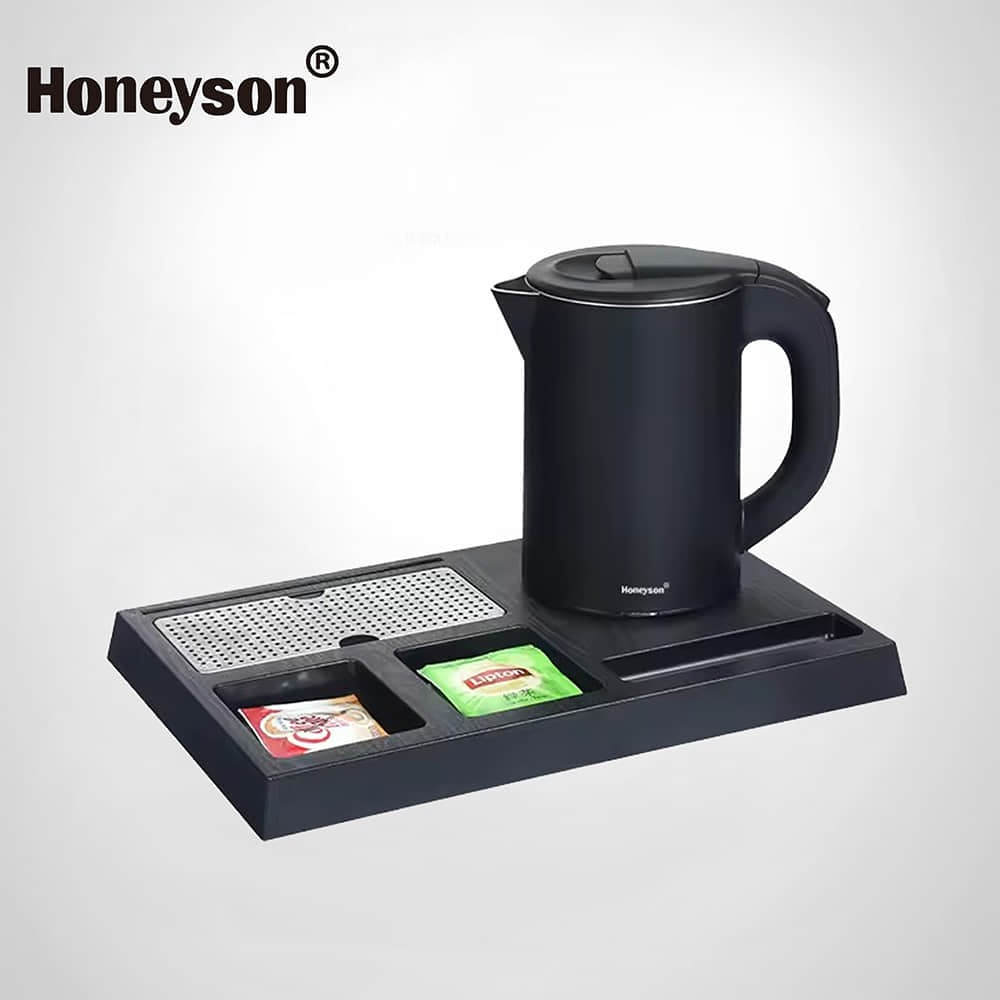
This article explores how to align your hotel supplies procurement with seasonal guest distribution patterns. We will examine the operational mechanics of demand forecasting, the strategic placement of OEM hotel appliances inventory, and practical frameworks for maintaining service standards while optimizing costs during high and low seasons. Whether you manage a single upscale property or a multi-brand group spanning multiple markets, these principles apply directly to your inventory and procurement strategy.
Understanding Seasonal Guest Distribution Patterns
Peak and Off-Season Dynamics
Seasonal demand swings in hospitality follow predictable but geographically variable patterns. Business travel clusters around weekdays during fall and spring, while leisure travel peaks during summer and winter holiday periods. Urban hotels experience different seasonal curves than beach or ski resorts. Understanding your specific property's guest distribution profile is foundational to effective planning. Peak seasons typically require 40–60% more guest room supplies inventory than shoulder seasons, yet many properties either over-order across the board or risk stockouts during critical periods.
Forecasting Guest Occupancy Trends
Accurate forecasting begins with historical data analysis combined with forward-looking market indicators. Hotel room appliances usage varies directly with occupancy rates, guest demographics, and length of stay. A three-night winter holiday guest may consume more hot beverages, requiring higher kettle and coffee service inventory, than a single business traveler. OEM hotel appliances designed specifically for high-volume guest use must be stocked in proportion to anticipated occupancy. Properties that invest in granular booking data analysis can predict guest distribution patterns with 80–90% accuracy, enabling precise inventory management rather than defensive over-stocking.
Strategic Inventory Positioning for Hotel Supplies
Allocation Across Property Portfolio
Multi-property hotel groups face the additional complexity of balancing guest room supplies across multiple locations with different seasonal profiles. Some properties may be peaking while others decline seasonally. Sophisticated groups establish flexible inventory allocation protocols that shift guest room supplies from lower-occupancy properties to those experiencing peak demand. This approach reduces total capital tied up in stock while ensuring no property faces shortage risks. OEM hotel appliances with modular, transferable designs allow safer redeployment without compatibility issues. Central distribution logistics can time shipments to arrive precisely when guest distribution forecasts predict increased occupancy.
Balancing SKU Complexity and Service Standards
Every hotel supplies category includes standardized base items and optional premium variants. During low seasons, maintaining only core SKUs across guest room supplies reduces inventory carrying costs without guest satisfaction compromise. As demand increases seasonally, expanded options appear in higher-occupancy properties. Hotel room appliances like kettles, iron boards, and air purifiers should reflect this tiering strategy. Premium guests in peak periods expect expanded amenity choice, while off-season leisure guests accept simpler core offerings. This dynamic SKU approach, informed by guest distribution forecasting, optimizes both cost and perceived service quality without operational strain.
Operational Excellence During Demand Volatility
Lead Time Alignment and Procurement Rhythm
OEM hotel appliances typically require 60–120 day lead times from manufacturers, yet seasonal demand peaks are often anticipated with 30–45 day precision. This timeline mismatch is precisely why strategic forecasting and advance ordering are non-negotiable. Properties must place seasonal orders 90–120 days ahead of anticipated peak demand, requiring guest distribution forecasting to extend well into the future planning horizon. Establishing recurring procurement calendars tied to seasonal forecasts removes last-minute urgency and improves manufacturer relationships, pricing, and quality control. Hotels that order reactively during peak season face expedited shipping premiums, quality compromises from rushed production, and stockout risk.
Preventive Maintenance Timing and Inventory Refresh
Seasonal demand swings create natural maintenance windows. During low occupancy periods, properties can conduct preventive maintenance on guest room supplies and hotel room appliances, extending asset life and improving reliability. Strategic timing of equipment replacement cycles during shoulder seasons minimizes service disruption while maintaining inventory at appropriate levels for upcoming peak demand. If guest distribution forecasting indicates a soft March followed by strong April, March maintenance windows allow time for equipment repairs, cleaning of inventory, and supplier deliveries to arrive before April peaks. This rhythm prevents the simultaneous pressure of demand surge and equipment failure.
FAQ
How far in advance should hotels forecast guest distribution for procurement decisions?
Hotels should forecast guest distribution 120–180 days ahead for OEM hotel appliances with long lead times, 60–90 days for standard guest room supplies, and 30–45 days for perishable items. Multi-property groups benefit from rolling forecasts updated monthly, comparing actual occupancy against predictions to refine future estimates. This extended horizon aligns procurement timing with manufacturer capabilities and reduces panic ordering costs.
What inventory buffer should hotels maintain for seasonal guest distribution uncertainty?
A safety stock of 15–25% above base forecasted guest distribution demand balances stockout prevention against carrying cost. This buffer absorbs forecast errors, unexpected demand spikes, or supplier delays. Properties with strong occupancy visibility and reliable suppliers can operate at the lower end (15%), while those with higher volatility should maintain 25% buffers. OEM hotel appliances with longer lead times justify higher buffers than quickly-replenishable consumable guest room supplies.
How do hotel groups optimize guest room supplies across multiple properties with different seasonal patterns?
Multi-property groups use centralized demand planning software to aggregate guest distribution forecasts across all locations, identify inter-property transfer opportunities, and coordinate procurement timing. A group might batch-order OEM hotel appliances for all properties together to gain volume discounts, then deploy units aligned to each property's seasonal peak. Shared warehouse infrastructure allows rapid guest room supplies redistribution based on real-time occupancy data rather than static inventory assignment.
