
 EN
EN
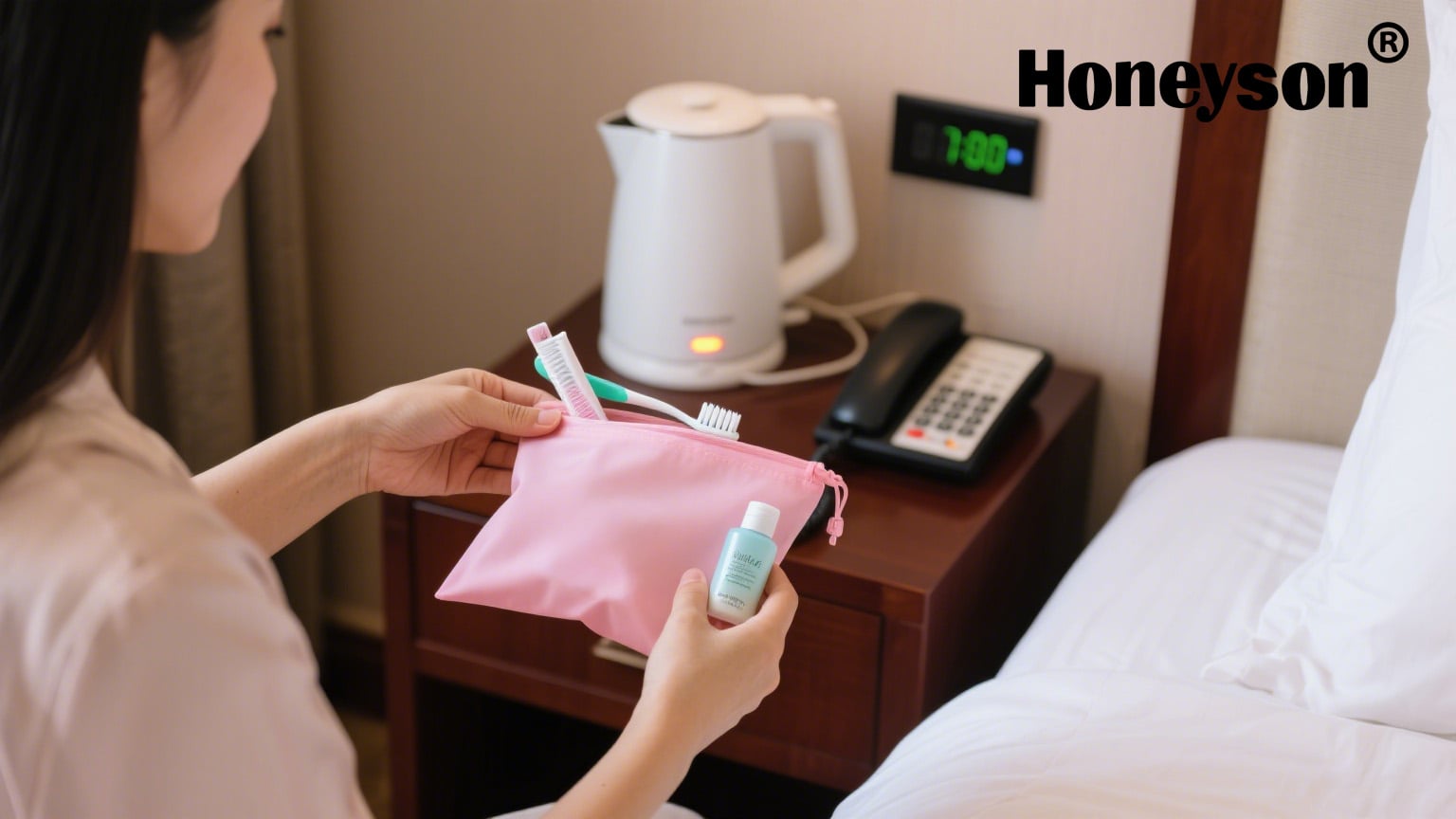
As winter fades and temperatures begin to rise, hotels worldwide prepare for the bustling spring season that brings increased bookings, longer stays, and heightened guest expectations. This seasonal surge demands that hotel equipment operates at peak performance to ensure seamless operations and exceptional guest experiences. From housekeeping appliances to guest room amenities, every piece of equipment must be thoroughly inspected, maintained, and upgraded where necessary to handle the demanding months ahead.
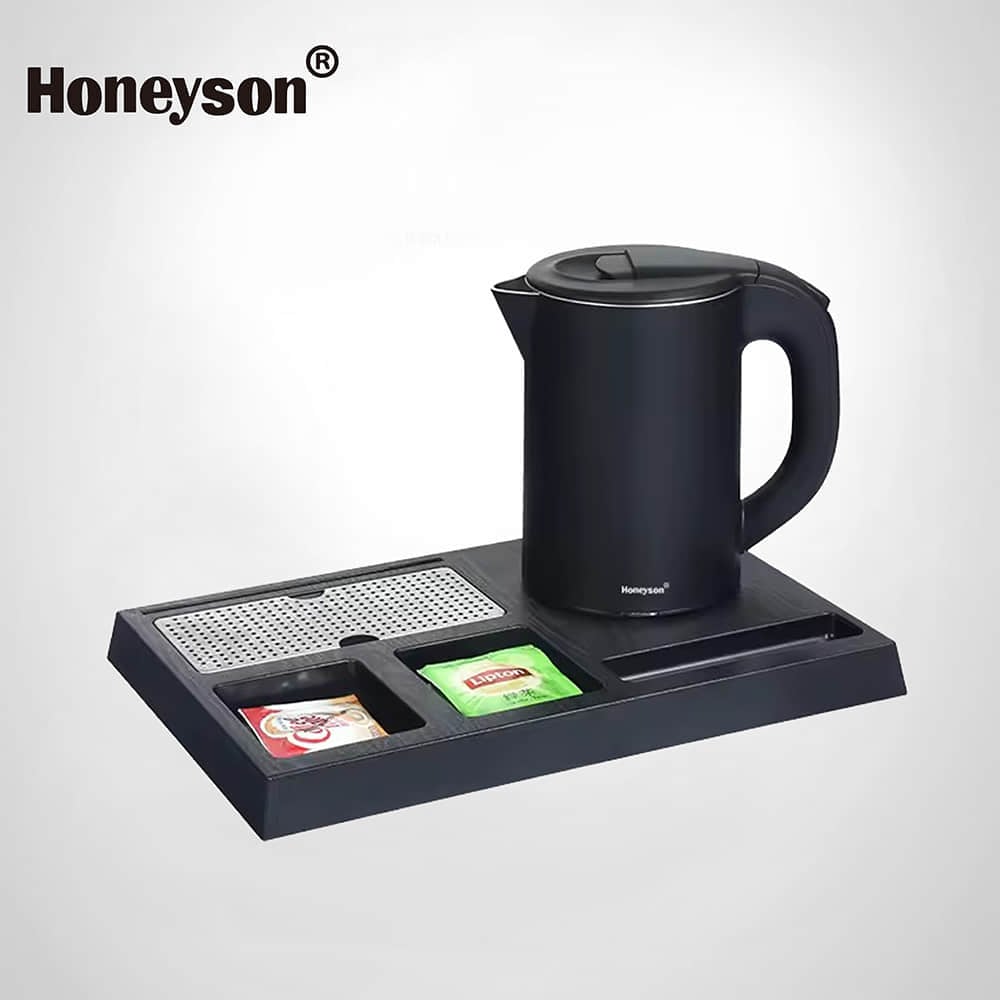
The spring rush represents a critical period where operational efficiency directly correlates with revenue generation and guest satisfaction scores. Hotels that proactively assess their hotel equipment readiness position themselves for success, while those that neglect this crucial preparation often face costly breakdowns, service disruptions, and negative reviews during their busiest periods. Understanding the comprehensive scope of equipment preparation ensures that your property can capitalize on increased demand while maintaining the high standards that drive repeat business and positive word-of-mouth marketing.
Essential Guest Room Equipment Assessment
Climate Control Systems Evaluation
Spring weather brings unpredictable temperature fluctuations that challenge HVAC systems as they transition from heating to cooling modes. Hotel equipment managers must conduct comprehensive inspections of individual room units, checking refrigerant levels, cleaning air filters, and testing thermostat calibration. Preventive maintenance during this transition period prevents guest complaints about uncomfortable room temperatures and reduces energy consumption throughout the busy season.
Professional HVAC technicians should examine ductwork for leaks, inspect electrical connections, and verify that all components respond correctly to control signals. This proactive approach to climate control hotel equipment ensures consistent guest comfort while optimizing operational costs. Hotels that neglect this critical maintenance often experience system failures during peak occupancy periods, resulting in guest relocations, compensation costs, and damaged reputation.
In-Room Appliance Functionality
Guest room appliances require meticulous attention as increased usage during spring travel season places additional stress on electrical components and mechanical systems. Coffee makers, mini-refrigerators, microwaves, and other hotel equipment items must undergo thorough testing to ensure reliable operation. Each appliance should be cleaned, descaled where applicable, and tested for proper electrical safety to prevent potential hazards.
Establishing a systematic inspection protocol for in-room hotel equipment helps maintenance teams identify potential issues before they impact guest experiences. This includes checking power cords for damage, testing all functions and settings, and replacing items that show signs of wear or diminished performance. Documentation of equipment condition and maintenance actions provides valuable data for future replacement planning and warranty claims.
Housekeeping Equipment Optimization
Laundry System Preparation
Spring occupancy increases generate substantially higher laundry volumes, making commercial washing and drying equipment critical components of operational success. Hotel equipment in laundry facilities must handle increased loads without compromising cleaning quality or operational efficiency. Professional maintenance should include checking water temperature systems, inspecting drainage connections, and calibrating chemical dispensing systems to ensure optimal cleaning results.
Preventive maintenance on laundry hotel equipment extends beyond basic cleaning and includes examining belt tensions, lubricating moving parts, and testing safety systems. Hotels should also evaluate their linen inventory levels and consider whether current equipment capacity can handle projected demand increases. Upgrading to more efficient models or adding supplementary equipment may be necessary to maintain service standards during peak periods.
Cleaning Equipment Readiness
Housekeeping teams rely on various specialized equipment to maintain cleanliness standards that guests expect, particularly during busy travel seasons when room turnover rates increase significantly. Vacuum cleaners, carpet cleaning machines, floor polishers, and other cleaning hotel equipment must receive comprehensive maintenance to ensure reliable operation throughout the spring rush. This includes replacing worn brushes, checking suction power, and testing all electrical components for safety compliance.
Regular maintenance schedules for cleaning hotel equipment should intensify before peak season begins, allowing time for repairs or replacements without disrupting daily operations. Staff training on proper equipment usage and basic troubleshooting helps minimize downtime and extends equipment lifespan. Investment in backup equipment for critical cleaning functions provides operational continuity when primary machines require service or repair.
Kitchen and Food Service Equipment Management
Commercial Kitchen Appliance Safety
Food service operations face increased pressure during spring travel season as restaurants, room service, and catering demands intensify significantly. Commercial kitchen hotel equipment requires rigorous inspection protocols to ensure food safety compliance and operational reliability. Professional technicians should examine gas connections, test safety shutoffs, calibrate temperature controls, and verify that all ventilation systems operate within required specifications for health department compliance.
Deep cleaning and maintenance of commercial kitchen hotel equipment prevents costly breakdowns during critical service periods while ensuring food safety standards that protect both guests and the hotel's reputation. This comprehensive approach includes descaling steamers, calibrating ovens, cleaning fryer oil systems, and testing refrigeration units for proper temperature maintenance. Documentation of maintenance activities provides essential records for health inspections and insurance requirements.
Beverage Service Equipment
Coffee machines, ice makers, beverage dispensers, and other drink-related hotel equipment experience heavy usage during spring travel season as guests expect consistent quality and availability. Professional maintenance should include descaling coffee equipment, sanitizing ice machine components, checking water filtration systems, and testing temperature controls for optimal beverage quality. Regular maintenance prevents equipment failures that can significantly impact guest satisfaction and revenue generation.
Water quality plays a crucial role in beverage equipment performance, making filtration system maintenance an essential component of spring preparation. Hotels should test water quality, replace filters according to manufacturer recommendations, and ensure that all water lines are properly sanitized. Investment in high-quality beverage hotel equipment and professional maintenance services demonstrates commitment to guest satisfaction while protecting long-term operational investments.
Technology Infrastructure and Equipment
Network and Communication Systems
Modern hotels depend heavily on technology infrastructure that supports everything from reservation systems to guest WiFi networks, making IT equipment maintenance crucial for spring preparation. Network switches, wireless access points, servers, and communication hotel equipment must handle increased user loads without performance degradation. Professional IT assessments should include network capacity testing, security system updates, and backup system verification to ensure seamless operations during peak occupancy periods.
Guest expectations for reliable internet access and technology services continue to rise, making network hotel equipment performance a critical factor in satisfaction scores and repeat bookings. Hotels should evaluate bandwidth capacity, test connection speeds throughout the property, and ensure that backup systems can maintain essential services during equipment failures. Investment in redundant systems and professional monitoring services provides operational security during the demanding spring season.
Security and Safety Equipment
Electronic door locks, security cameras, fire detection systems, and other safety-related hotel equipment require comprehensive testing and maintenance to ensure guest security and regulatory compliance. Professional security system inspections should include battery testing, camera lens cleaning, sensor calibration, and communication system verification. These critical systems must operate flawlessly during increased occupancy periods when security risks and emergency response needs may intensify.
Regular maintenance of security hotel equipment demonstrates commitment to guest safety while ensuring compliance with insurance requirements and local regulations. Hotels should establish relationships with qualified security system technicians who can provide emergency response services during peak seasons. Documentation of maintenance activities and system performance provides valuable records for insurance claims and regulatory inspections.
Equipment Replacement and Upgrade Planning
Budget Allocation Strategies
Strategic planning for hotel equipment replacement and upgrades requires careful analysis of current asset conditions, projected usage demands, and available capital resources. Spring preparation presents an optimal opportunity to evaluate which equipment items require immediate attention versus those that can be scheduled for future replacement. Establishing priorities based on guest impact, safety considerations, and operational efficiency helps maximize return on investment while maintaining service standards.
Hotels should develop comprehensive equipment replacement schedules that consider manufacturer warranties, expected service life, and technological advancement opportunities. Regular assessment of hotel equipment performance data helps identify patterns that indicate approaching end-of-life conditions, allowing for planned replacements rather than emergency purchases during peak seasons. Professional consultation with equipment suppliers and maintenance specialists provides valuable insights for long-term planning and budget allocation.
Energy Efficiency Considerations
Modern hotel equipment offers significant energy efficiency improvements that can substantially reduce operational costs while enhancing environmental sustainability credentials. Spring preparation provides an excellent opportunity to evaluate aging equipment for potential upgrades that combine improved performance with reduced energy consumption. Energy-efficient hotel equipment often qualifies for utility rebates and tax incentives that offset initial investment costs while providing long-term operational savings.
Professional energy audits help identify hotel equipment that consumes excessive power or operates inefficiently compared to modern alternatives. Hotels should consider factors such as utility costs, environmental impact goals, and guest preferences for sustainable accommodation options when evaluating equipment upgrade opportunities. Investment in energy-efficient hotel equipment demonstrates corporate responsibility while improving bottom-line performance through reduced operating expenses.
Staff Training and Equipment Protocols
Maintenance Team Preparation
Effective hotel equipment management requires well-trained maintenance staff who understand proper operation, basic troubleshooting, and preventive maintenance procedures for all critical systems. Spring preparation should include comprehensive training updates that address new equipment features, safety protocols, and emergency response procedures. Investment in staff education ensures that minor issues can be resolved quickly without disrupting guest services or requiring expensive emergency service calls.
Regular training sessions help maintenance teams stay current with manufacturer recommendations, safety regulations, and best practices for hotel equipment care. Hotels should establish relationships with equipment suppliers who provide ongoing technical support and training opportunities for staff members. Documentation of training activities and staff certifications provides valuable records for insurance purposes and demonstrates commitment to professional equipment management standards.
Guest Services Team Education
Front desk staff, housekeeping teams, and other guest-facing employees need basic knowledge about hotel equipment operation to assist guests effectively and identify potential issues before they become problems. Training programs should cover common equipment features, basic troubleshooting steps, and appropriate escalation procedures when technical assistance is required. Well-informed staff members can often resolve minor guest concerns quickly while preventing equipment misuse that could cause damage or safety issues.
Guest services teams should understand how to operate and explain hotel equipment features that enhance guest experiences, such as climate control systems, entertainment equipment, and room amenities. Regular communication between maintenance and guest services teams helps identify recurring issues and equipment performance trends that may require attention. Professional training programs ensure that staff members can confidently assist guests while protecting valuable hotel equipment from damage or misuse.
FAQ
How often should hotel equipment undergo professional maintenance before peak seasons
Professional maintenance for critical hotel equipment should occur quarterly, with comprehensive pre-season inspections conducted 4-6 weeks before anticipated occupancy increases. This timeline allows sufficient opportunity to complete repairs, order replacement parts, or arrange equipment upgrades without impacting daily operations. HVAC systems, kitchen equipment, and laundry facilities require the most frequent attention due to their direct impact on guest satisfaction and operational efficiency.
What are the most common hotel equipment failures during high occupancy periods
The most frequent equipment failures during peak seasons include HVAC system breakdowns due to increased usage, laundry equipment overloading, kitchen appliance malfunctions from continuous operation, and guest room amenity failures from higher turnover rates. These issues typically result from deferred maintenance, inadequate capacity planning, or equipment operating beyond recommended service intervals. Proactive maintenance and capacity assessment help prevent these costly disruptions during critical revenue periods.
How can hotels determine when equipment replacement is more cost-effective than continued repairs
Equipment replacement becomes more cost-effective when annual maintenance costs exceed 50% of replacement value, when equipment failures significantly impact guest satisfaction, or when energy efficiency improvements can offset replacement costs within 3-5 years. Hotels should also consider factors such as warranty coverage, parts availability, and technological advancement opportunities when evaluating replacement decisions. Professional equipment lifecycle analysis helps establish data-driven replacement schedules that optimize operational investments.
What emergency backup plans should hotels have for critical equipment during peak seasons
Essential backup plans include maintaining service contracts with qualified repair technicians, keeping critical spare parts inventory, establishing relationships with equipment rental companies, and creating alternative service procedures for common failure scenarios. Hotels should also maintain emergency contact lists for after-hours service support and ensure that staff members understand backup procedures for essential systems like HVAC, food service, and security equipment. Regular testing of backup systems and emergency procedures ensures effective response when equipment failures occur.
Table of Contents
- Essential Guest Room Equipment Assessment
- Housekeeping Equipment Optimization
- Kitchen and Food Service Equipment Management
- Technology Infrastructure and Equipment
- Equipment Replacement and Upgrade Planning
- Staff Training and Equipment Protocols
-
FAQ
- How often should hotel equipment undergo professional maintenance before peak seasons
- What are the most common hotel equipment failures during high occupancy periods
- How can hotels determine when equipment replacement is more cost-effective than continued repairs
- What emergency backup plans should hotels have for critical equipment during peak seasons