
 EN
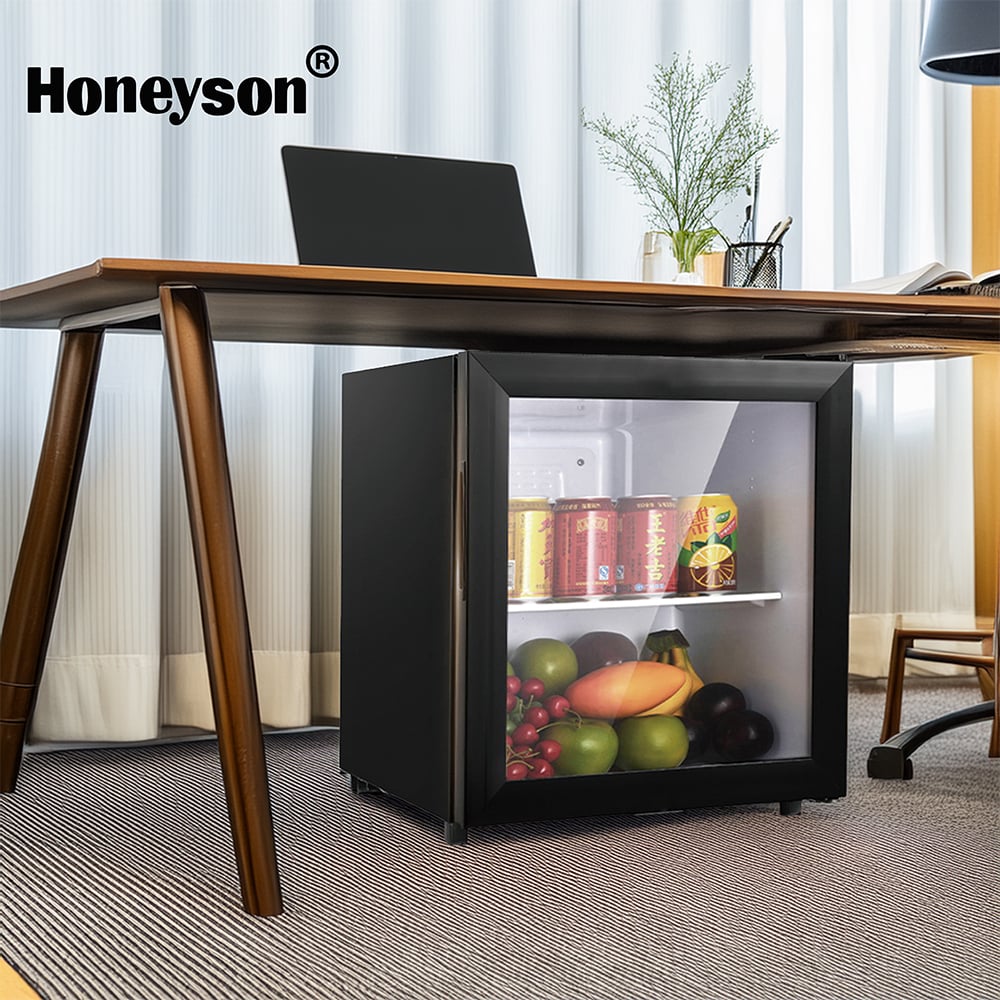
Managing equipment across multiple hotel properties requires strategic planning, and the humble mini fridge is no exception. For hotel groups operating dozens or hundreds of properties, understanding replacement cycles for in-room minibar refrigerators is critical to controlling capital expenses, minimizing guest disruptions, and maintaining consistent standards across all locations. A well-planned mini fridge replacement strategy balances operational efficiency with guest satisfaction while reducing unexpected downtime and repair costs.
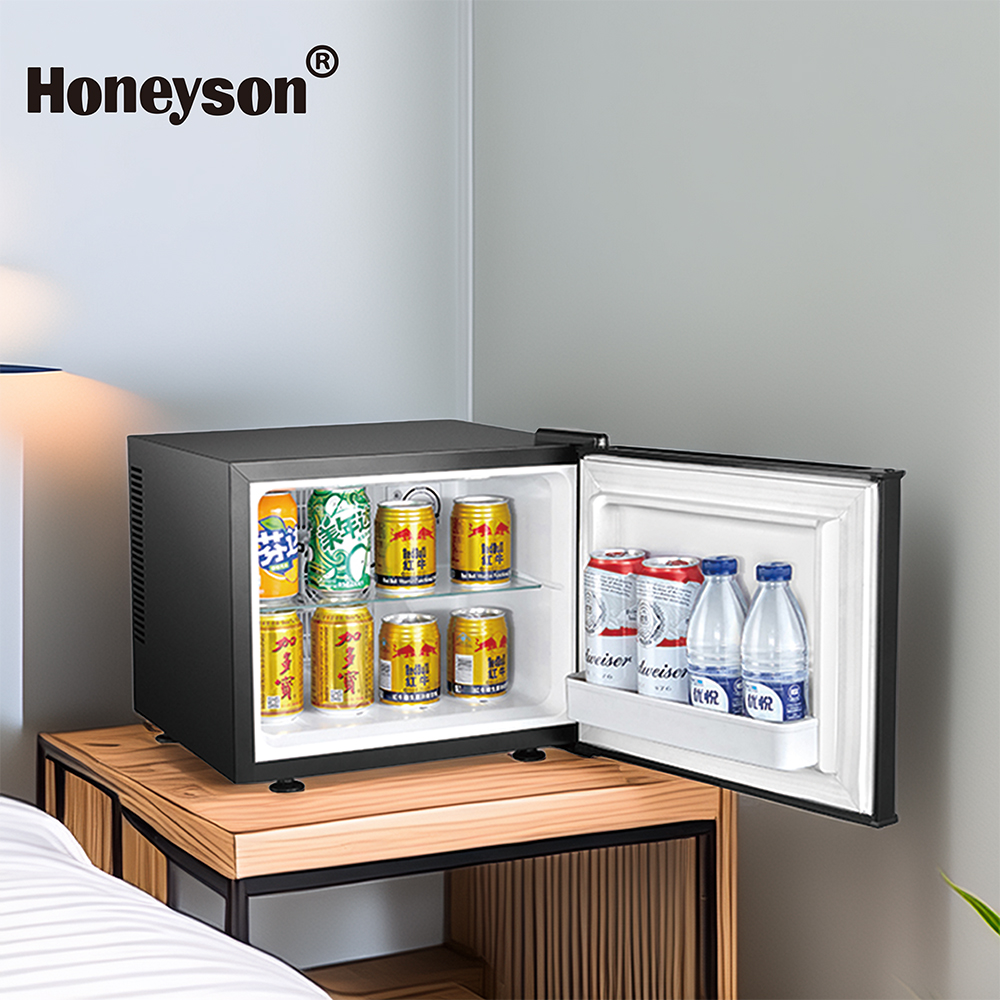
The lifecycle of a hotel mini fridge spans several distinct phases, each with implications for replacement timing and budget forecasting. Most modern hotel mini fridge units, whether OEM components or third-party installations, operate effectively for seven to twelve years under typical hotel conditions. However, the actual replacement cycle depends on usage intensity, maintenance protocols, environmental factors, and brand quality. For multi-property hotel groups, implementing a standardized replacement framework prevents reactive emergency repairs and creates predictable capital expenditure schedules that align with annual budgeting cycles.
Understanding Mini Fridge Lifecycles in Hospitality Operations
Typical Operating Lifespan and Degradation Patterns
A hotel mini fridge typically exhibits three distinct performance phases during its operational life. In the first three to five years, the minibar refrigerator operates at peak efficiency with minimal maintenance requirements. During years five through ten, performance gradually declines as compressors work harder, seals degrade, and energy consumption increases. After ten years, most OEM mini fridge units enter a critical phase where repair costs escalate rapidly, efficiency drops noticeably, and failure risk multiplies.
Environmental factors significantly influence this timeline. Mini fridge units in high-occupancy urban hotels, resort destinations, or properties with aggressive cleaning protocols experience accelerated wear compared to lower-occupancy properties. Humidity levels, temperature fluctuations, cleaning chemical exposure, and guest handling all contribute to compressor strain and component fatigue. Understanding these location-specific variables helps hotel groups refine replacement schedules and allocate resources more effectively across their portfolio.
Financial Impact of Delayed Replacement Decisions
Delaying hotel mini fridge replacement creates hidden financial burdens that extend beyond the visible repair bill. An aging minibar refrigerator consuming excessive electricity increases utility costs by fifteen to thirty percent compared to newer models. Failed units generate emergency service calls, rushed maintenance labor, guest complaints, and potential revenue loss from room unavailability. For large hotel groups, compounding these costs across hundreds of properties reveals why proactive replacement cycles deliver better return on investment than reactive repair strategies.
Strategic Planning Framework for Multi-Property Replacement
Asset Tracking and Cohort-Based Replacement Strategies
Successful hotel groups organize their mini fridge inventory by installation cohort, tracking the age and status of every unit across the portfolio. Grouping properties by the era when mini fridges were installed reveals natural replacement windows. For instance, properties that received new OEM mini fridge equipment in 2015 would logically enter a replacement evaluation phase around 2023 to 2025, depending on actual condition and usage patterns. This cohort approach consolidates procurement, installation labor, and supply chain coordination, reducing per-unit replacement costs significantly.
Implementing this framework requires a centralized asset management system that tracks equipment specifications, installation dates, maintenance history, and failure incidents for each hotel mini fridge. Cloud-based property management systems increasingly integrate equipment lifecycle data, enabling regional managers and corporate operations teams to identify replacement priorities at a glance. Coordinating replacement schedules across multiple properties also allows hotel groups to negotiate volume discounts with minibar refrigerator suppliers and standardize specifications across the entire portfolio.
Balancing Preventive Replacement with Condition-Based Maintenance
A mature replacement strategy combines time-based intervals with condition assessment metrics. While age provides a useful planning horizon, the actual condition of a mini fridge unit should ultimately drive replacement timing. Hotels implementing quarterly maintenance inspections can capture early warning signs—unusual compressor noise, inadequate cooling, increased frost buildup, or unusual vibration—that signal an imminent OEM mini fridge failure. These condition data points help property managers distinguish between units that can operate safely for several more years and those approaching failure risk.
For multi-property groups, this hybrid approach means establishing clear condition assessment criteria and empowering on-site maintenance staff to document observed issues. A unit showing multiple condition red flags, even if only eight years old, becomes a priority for replacement. Conversely, a well-maintained unit reaching ten years might continue operating safely if condition inspections show no significant degradation. This flexibility prevents unnecessary capital expenditure while ensuring guest-facing equipment reliability remains the paramount concern.
Implementation and Cost Optimization Across Property Networks
Consolidating Procurement and Installation Labor
Centralizing mini fridge procurement for a hotel group creates substantial cost advantages compared to individual properties ordering replacements independently. Volume purchasing agreements with OEM mini fridge manufacturers and authorized distributors yield significant unit cost reductions, potentially lowering the expense per minibar refrigerator by fifteen to twenty-five percent. Additionally, coordinating installation timing across nearby properties allows mobile installation teams to operate more efficiently, reducing labor costs and minimizing disruption to individual properties.
Regional consolidation strategies prove particularly effective for hotel groups operating clusters of properties in specific metropolitan areas or tourism destinations. Rather than replacing one or two units at a hotel each month, scheduling coordinated replacement campaigns across five to ten properties in a region enables technicians to perform multiple installations during a single service trip. This approach also creates opportunities to negotiate volume discounts on installation labor, electrical modifications, and related services that often represent thirty to forty percent of total replacement project costs.
Warranty, Recycling, and Regulatory Compliance
Replacement planning must account for warranty structures, recycling programs, and environmental compliance requirements associated with old equipment removal. Modern OEM mini fridge units typically include two to five year warranties, which should inform replacement cycle decisions. When budget permits, replacing units near the end of their cost-effective service life ensures new equipment operates under warranty protection during its most vulnerable period. Hotel groups should also establish relationships with certified refrigerant recycling specialists to properly decommission old minibar refrigerator units, ensuring compliance with EPA regulations and supporting sustainability commitments.
Many manufacturers offer trade-in or take-back programs for old mini fridge units, sometimes crediting the original equipment cost against new purchases. Hotel groups implementing these programs reduce disposal costs and simplify the replacement logistics while maintaining regulatory compliance. Incorporating these considerations into replacement planning reduces unexpected costs and demonstrates corporate environmental responsibility to guests and stakeholders.
FAQ
How often should a hotel mini fridge be replaced?
Most hotel mini fridge units operate effectively for seven to twelve years before replacement becomes cost-justified. However, replacement timing depends on usage intensity, maintenance quality, and brand specifications. A minibar refrigerator in a high-occupancy resort property might warrant replacement after eight to nine years, while a lower-traffic property might safely operate the same model for eleven to twelve years. Implementing condition-based assessments every two to three years helps identify units approaching end-of-life before unexpected failures disrupt guest experience.
What factors affect mini fridge lifespan in hospitality settings?
Environmental conditions, maintenance protocols, and usage patterns directly influence how long a mini fridge performs reliably. High humidity, temperature fluctuations, aggressive cleaning practices, and frequent door openings accelerate compressor wear and seal degradation. Properties implementing regular maintenance schedules, controlling ambient temperature and humidity, and training staff on proper equipment handling typically achieve longer operational lifespan from their minibar refrigerator units. OEM mini fridge units generally demonstrate longer service life than lower-cost alternatives due to superior component quality and manufacturing standards.
Can mini fridge replacement cycles help reduce energy costs?
Yes, strategically replacing aging mini fridge equipment delivers measurable energy savings across large hotel portfolios. Newer models incorporate improved insulation, efficient compressors, and better sealing technology that reduce electricity consumption by fifteen to thirty percent compared to equipment ten or more years old. For hotel groups operating hundreds of properties, upgrading an entire cohort of aging minibar refrigerator units generates significant annual utility cost reductions that offset replacement capital investment within four to six years, while simultaneously improving guest experience and reducing maintenance emergency calls.
