
 EN
EN
As the hospitality industry prepares for 2026, forward-thinking hoteliers are recognizing the critical importance of strategic appliance upgrades to maintain competitive advantage and guest satisfaction. The landscape of hotel room appliances continues to evolve rapidly, with energy efficiency, smart technology integration, and enhanced guest experience becoming primary drivers for investment decisions. Hotels that fail to modernize their in-room amenities risk falling behind competitors who prioritize contemporary guest expectations and operational efficiency.
The strategic planning process for appliance upgrades requires careful consideration of multiple factors, including budget allocation, guest demographics, property positioning, and long-term return on investment. Modern travelers increasingly expect sophisticated amenities that enhance their stay experience while supporting sustainable practices. Hotels must balance these expectations with operational costs and maintenance requirements to create an optimal upgrade strategy that delivers measurable results.
Essential Categories of Modern Hotel Room Appliances
Climate Control and Air Quality Systems
Advanced climate control systems represent one of the most impactful upgrades hotels can implement for guest comfort and energy efficiency. Modern HVAC units with smart thermostats allow guests to customize their room environment while enabling property managers to optimize energy consumption during unoccupied periods. These systems often feature remote monitoring capabilities, predictive maintenance alerts, and integration with hotel management software for seamless operation.
Air purification technology has gained significant importance following global health concerns, making high-quality filtration systems a valuable investment. Properties that incorporate advanced air quality monitoring and purification demonstrate commitment to guest wellness while potentially commanding premium rates. Integration of these systems with mobile apps allows guests to monitor and control air quality parameters directly from their smartphones.
In-Room Beverage and Food Preparation Equipment
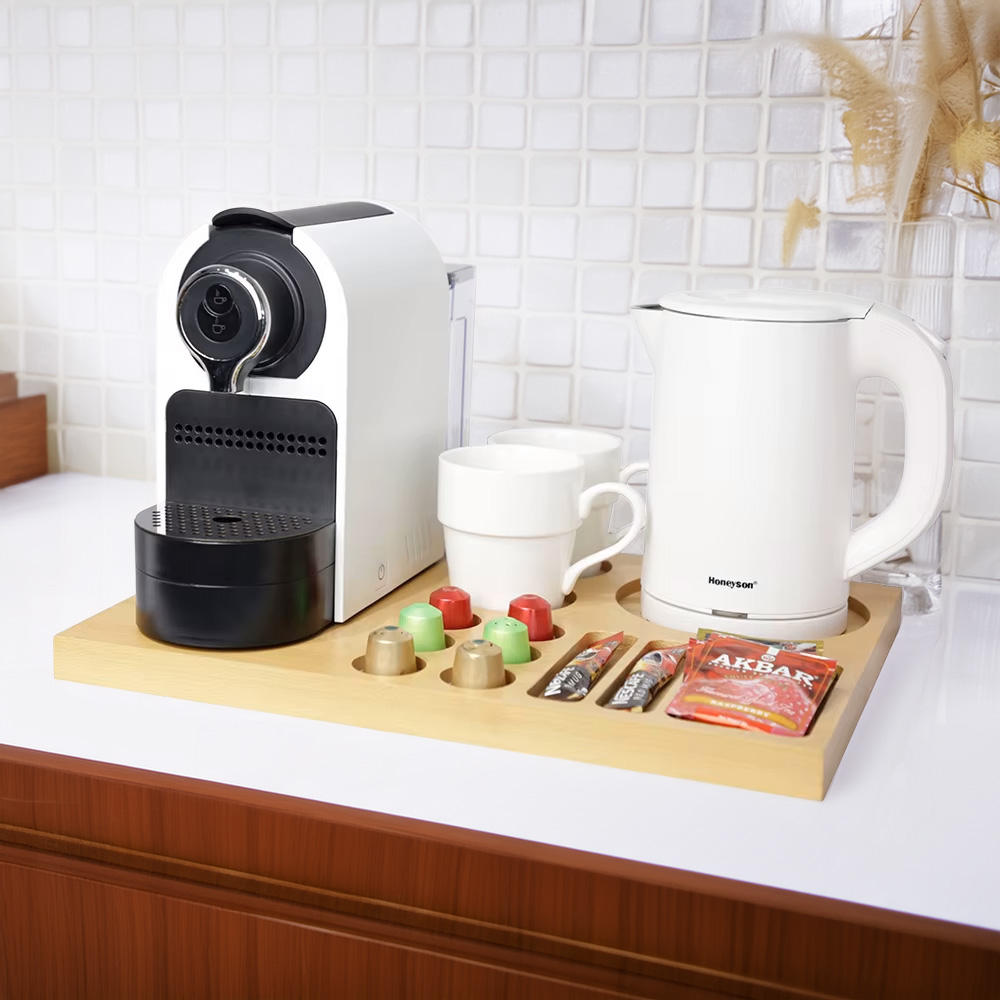
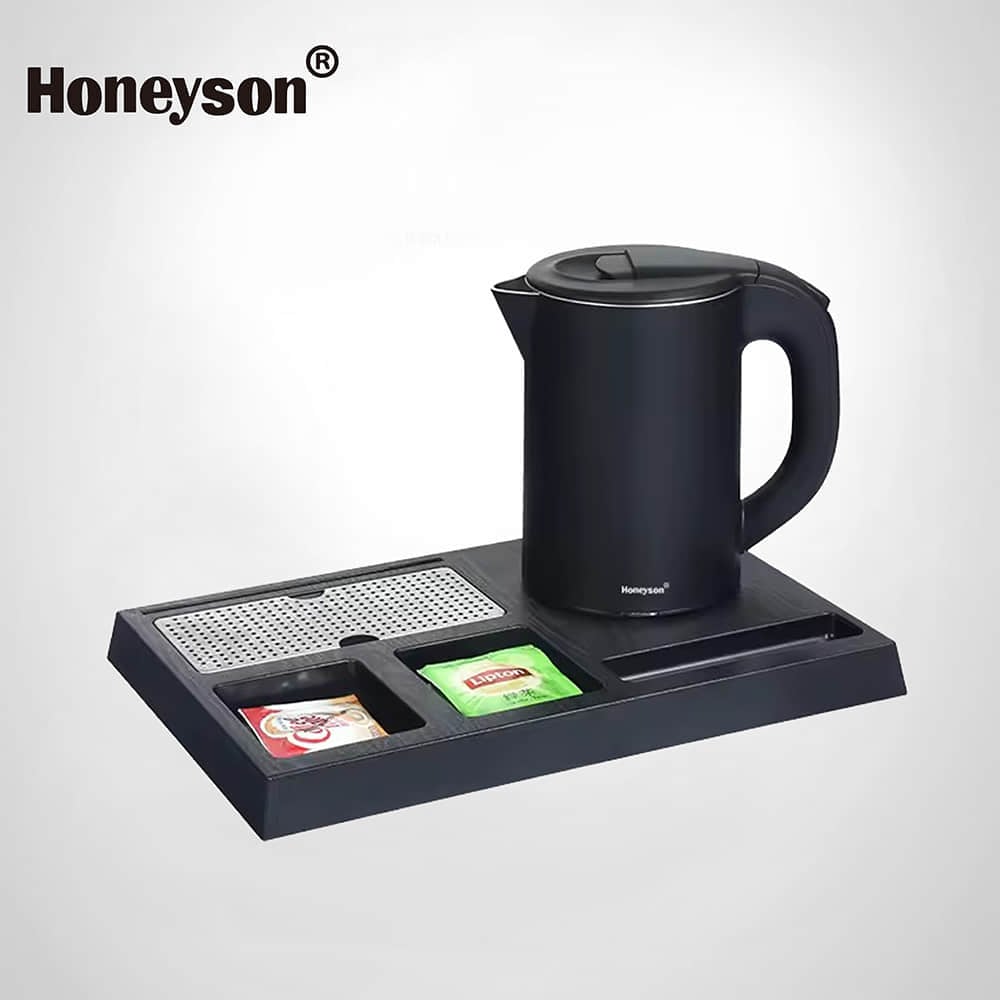
Beverage preparation equipment continues to be a cornerstone of guest satisfaction, with coffee makers, electric kettles, and mini-refrigerators forming the foundation of in-room hospitality. Modern hotel room appliances in this category emphasize rapid heating capabilities, energy efficiency, and sleek aesthetic design that complements contemporary room décor. Properties investing in premium beverage stations often see increased guest satisfaction scores and positive reviews highlighting convenience amenities.
Food storage solutions have evolved beyond traditional mini-bars to include sophisticated refrigeration units with customizable temperature zones and smart inventory management. These appliances enable hotels to offer enhanced in-room dining experiences while maintaining operational efficiency through automated monitoring and restocking alerts. The integration of payment processing technology directly into refrigeration units streamlines the guest experience and reduces administrative overhead.
Technology Integration and Smart Connectivity Features
IoT-Enabled Device Management
The Internet of Things has revolutionized hotel operations by enabling centralized monitoring and control of room appliances through integrated management platforms. Smart connectivity allows maintenance teams to receive real-time performance data, schedule preventive maintenance, and diagnose issues remotely before they impact guest experiences. This proactive approach significantly reduces downtime and extends appliance lifespan while minimizing operational disruptions.
Guest-facing benefits of IoT integration include personalized room settings that automatically adjust based on preferences stored in hotel loyalty programs. Advanced systems can recognize returning guests and configure appliance settings to match their previous stays, creating a seamless and personalized experience. Voice control capabilities through popular virtual assistants further enhance convenience while reducing the need for physical interaction with multiple device interfaces.
Energy Management and Sustainability Features
Sustainability initiatives are driving significant innovation in hotel room appliance design, with manufacturers prioritizing energy-efficient technologies that reduce environmental impact and operational costs. Modern appliances incorporate advanced sensors that detect room occupancy and automatically adjust power consumption accordingly. These features align with corporate sustainability goals while delivering measurable cost savings that improve property profitability.
Smart power management systems provide detailed analytics on energy consumption patterns, enabling hotel operators to identify optimization opportunities and track progress toward sustainability targets. Properties that achieve recognized environmental certifications through appliance upgrades often attract environmentally conscious travelers willing to pay premium rates for sustainable accommodations.
Strategic Planning and Budget Allocation Considerations
Phased Implementation Approaches
Successful appliance upgrade projects typically follow phased implementation strategies that balance capital investment with operational continuity. Hotels can prioritize high-impact upgrades that deliver immediate guest satisfaction improvements while planning longer-term investments in comprehensive smart room systems. This approach allows properties to spread costs over multiple budget cycles while maintaining competitive positioning throughout the upgrade process.
Market analysis and guest feedback data should guide prioritization decisions, ensuring that upgrade investments align with actual demand and usage patterns. Properties serving business travelers might prioritize work-related appliances and connectivity features, while leisure-focused hotels may emphasize comfort and entertainment amenities. Regular assessment of upgrade performance through guest satisfaction metrics ensures continued alignment with evolving expectations.
Return on Investment Analysis and Performance Metrics
Comprehensive ROI analysis for appliance upgrades should encompass direct cost savings, revenue enhancement opportunities, and indirect benefits such as improved operational efficiency and brand reputation. Energy-efficient appliances typically generate measurable utility cost reductions that contribute to positive ROI calculations. Premium amenities can justify higher room rates and improve RevPAR performance when properly marketed to target demographics.
Long-term value considerations include reduced maintenance costs, extended replacement cycles, and improved guest retention rates that compound investment returns over time. Properties that document and communicate their upgrade benefits through marketing channels often experience increased direct bookings and reduced dependence on commission-heavy distribution platforms. Regular performance monitoring and adjustment of upgrade strategies ensures continued optimization of investment outcomes.
Implementation Best Practices and Vendor Selection
Supplier Evaluation and Partnership Strategies
Selecting reliable suppliers for hotel room appliances requires thorough evaluation of product quality, service support capabilities, and long-term partnership potential. Established manufacturers with proven hospitality industry experience typically offer superior product reliability and comprehensive warranty programs that protect upgrade investments. Local service capabilities and response times are critical factors that directly impact guest satisfaction during appliance maintenance or replacement needs.
Vendor partnerships should include training programs for hotel staff to ensure proper operation and basic troubleshooting capabilities. Comprehensive documentation and user manuals enable efficient knowledge transfer and reduce dependence on external support for routine maintenance tasks. Negotiating favorable terms for bulk purchases and establishing preferred supplier relationships can significantly reduce total cost of ownership while ensuring consistent product quality across the property.
Installation and Staff Training Protocols
Professional installation services ensure optimal performance and longevity of new appliances while minimizing disruption to hotel operations. Coordination with housekeeping and maintenance teams during installation prevents scheduling conflicts and ensures proper integration with existing room layouts. Detailed installation documentation provides valuable reference materials for future maintenance and troubleshooting activities.
Comprehensive staff training programs should cover operation procedures, basic maintenance tasks, and guest assistance protocols for new appliances. Front desk and housekeeping personnel require sufficient knowledge to answer guest questions and provide basic troubleshooting support. Regular refresher training sessions and updated procedure documentation ensure consistent service quality as staff changes over time.
Future Trends and Emerging Technologies
Artificial Intelligence and Predictive Analytics
Artificial intelligence integration in hotel room appliances enables predictive maintenance scheduling that prevents failures before they occur. Machine learning algorithms analyze usage patterns and performance data to optimize maintenance timing and resource allocation. These capabilities reduce unexpected downtime while extending appliance lifespan through proactive care and attention to emerging issues.
Guest behavior analytics derived from appliance usage data provide valuable insights for service personalization and operational optimization. Properties can identify peak usage periods, preferred settings, and common issues to improve service delivery and resource planning. Privacy considerations and data protection protocols ensure guest information remains secure while enabling beneficial analytics applications.
Sustainable Technology Innovations
Emerging sustainable technologies in hotel room appliances include advanced heat recovery systems, renewable energy integration, and biodegradable component materials. These innovations align with growing environmental consciousness among travelers while supporting corporate sustainability commitments. Early adoption of sustainable technologies can provide competitive differentiation and attract environmentally conscious market segments.
Carbon footprint tracking capabilities in modern appliances enable hotels to monitor and report environmental impact metrics for sustainability reporting and certification programs. Integration with building management systems creates comprehensive sustainability monitoring that supports LEED certification and other green building standards. Marketing sustainable appliance features can enhance brand reputation and attract premium-paying guests who value environmental responsibility.
FAQ
What is the typical lifespan of hotel room appliances before replacement becomes necessary
Most hotel room appliances have operational lifespans ranging from 5 to 15 years depending on quality, usage intensity, and maintenance practices. High-quality commercial-grade appliances typically last 8-12 years with proper maintenance, while budget options may require replacement after 3-5 years. Regular maintenance and prompt repairs can significantly extend appliance lifespan and improve total cost of ownership.
How can hotels measure the success of appliance upgrade investments
Success metrics for appliance upgrades include guest satisfaction scores, energy cost reductions, maintenance expense decreases, and revenue per available room improvements. Hotels should establish baseline measurements before upgrades and track changes in these key performance indicators over 12-18 months following implementation. Online review sentiment analysis can provide additional insights into guest perception of appliance improvements.
What are the most cost-effective appliance upgrades for budget-conscious hotels
Budget-conscious properties should prioritize energy-efficient lighting, programmable thermostats, and modern coffee/tea preparation equipment for immediate impact with reasonable investment requirements. These upgrades typically offer quick ROI through energy savings and improved guest satisfaction while requiring minimal infrastructure changes. Phased implementation allows properties to spread costs while achieving incremental improvements.
How do smart hotel room appliances impact guest privacy and data security
Smart appliances should implement robust data encryption, secure network protocols, and transparent privacy policies to protect guest information. Hotels must ensure compliance with data protection regulations and provide clear opt-out options for guests who prefer privacy over convenience features. Regular security audits and software updates maintain protection against emerging threats while preserving guest trust and confidence.
Table of Contents
- Essential Categories of Modern Hotel Room Appliances
- Technology Integration and Smart Connectivity Features
- Strategic Planning and Budget Allocation Considerations
- Implementation Best Practices and Vendor Selection
- Future Trends and Emerging Technologies
-
FAQ
- What is the typical lifespan of hotel room appliances before replacement becomes necessary
- How can hotels measure the success of appliance upgrade investments
- What are the most cost-effective appliance upgrades for budget-conscious hotels
- How do smart hotel room appliances impact guest privacy and data security