
 EN
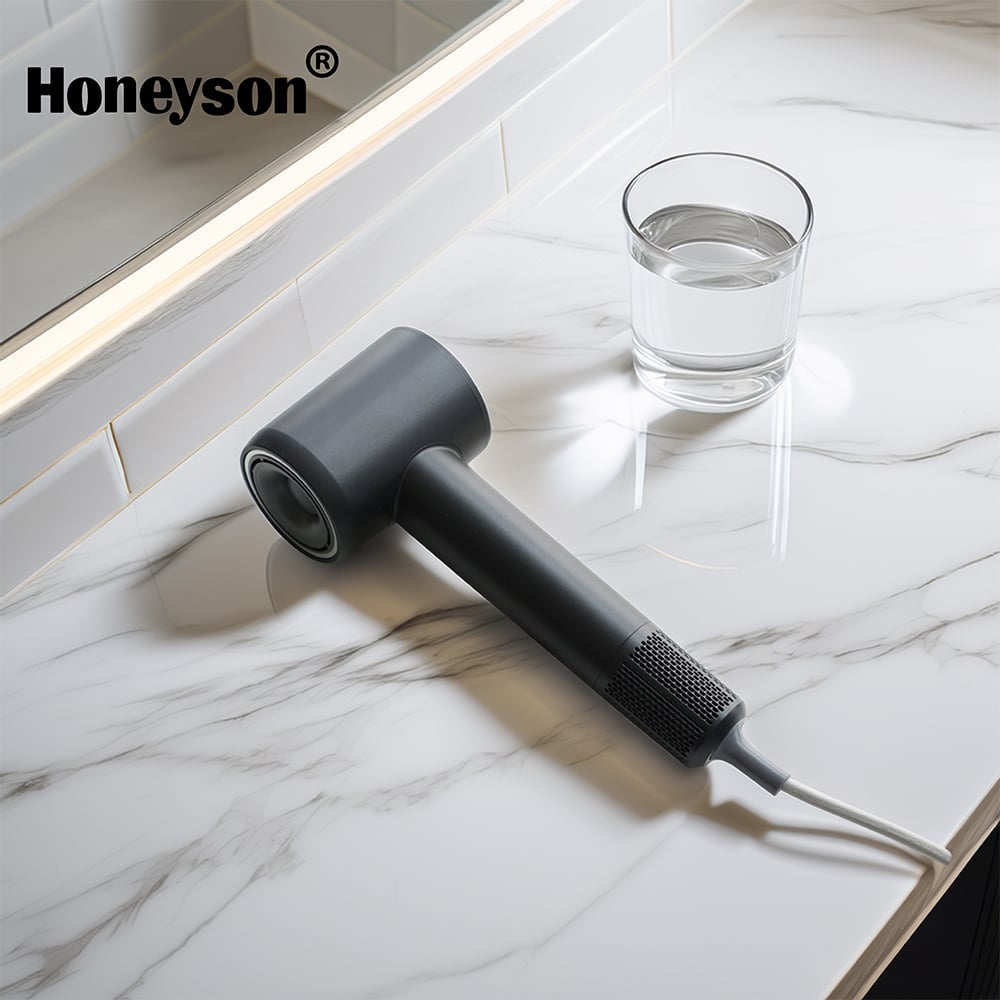
Effective guest distribution strategies are critical for managing hotel room appliances across multiple properties and renovation cycles. Hotels face significant operational challenges when deploying guest room supplies and hotel room appliances simultaneously across numerous rooms, floors, and properties. A phased delivery approach minimizes disruption, controls costs, and ensures consistent quality across your accommodation inventory.
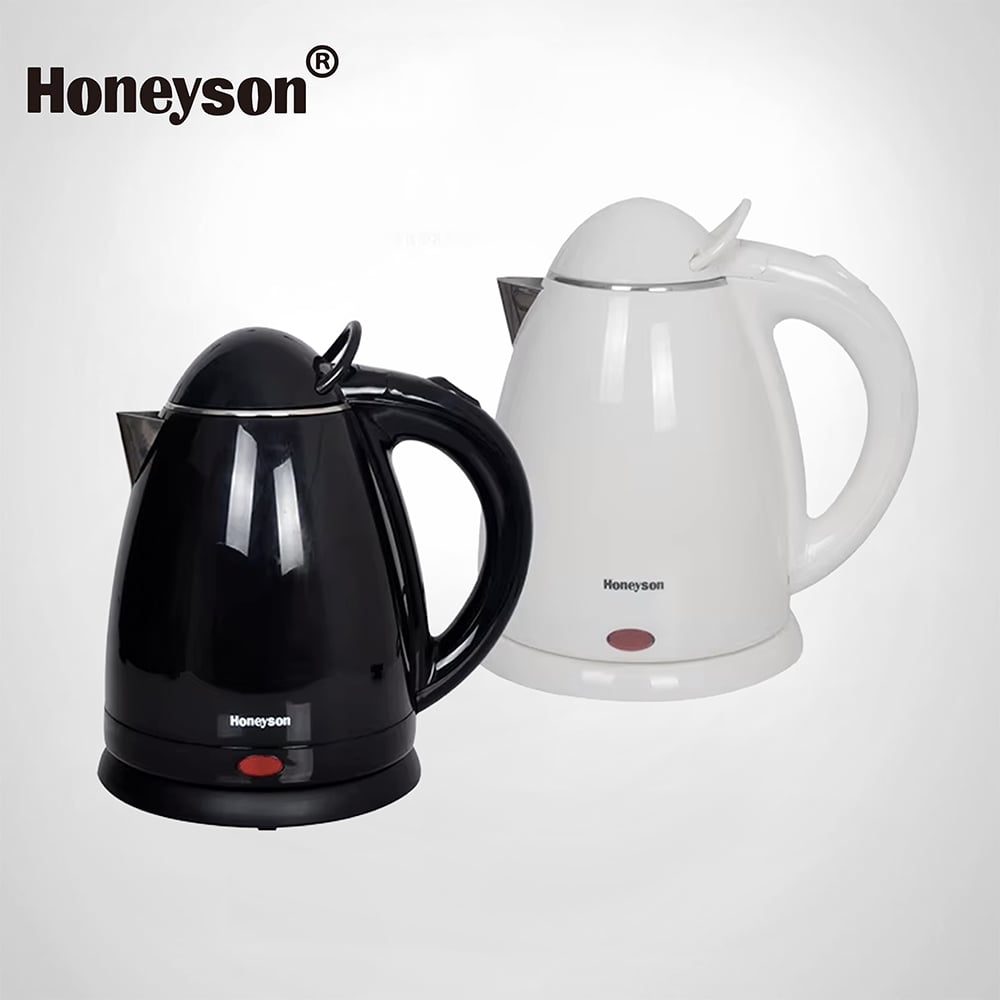
Hotel room appliances represent substantial capital investment and require careful planning during acquisition, delivery, installation, and deployment. Whether you're upgrading guest room supplies across a single property or managing OEM hotel appliances across a multi-unit operation, optimizing the phased delivery process directly impacts guest satisfaction, maintenance schedules, staff training requirements, and overall property performance. This article explores proven optimization strategies that align appliance deployment with operational capacity and business objectives.
Understanding Phased Delivery for Hotel Room Appliances
Core Principles of Phased Approach
Phased delivery of hotel room appliances breaks large-scale installations into manageable stages rather than attempting simultaneous deployment across all rooms. This strategy allows your team to install and test hotel supplies methodically, identify any compatibility issues, and build staff expertise before rolling out equipment to additional guest rooms. OEM hotel appliances often come with specific installation and maintenance requirements that demand careful attention during each phase.
Guest distribution logistics benefit significantly from this segmented approach. By deploying equipment floor-by-floor or wing-by-wing, housekeeping and maintenance staff can develop proficiency with new guest room supplies while maintaining service quality in operational rooms. This reduces training time, minimizes errors, and ensures consistent guest experiences throughout your property.
Strategic Benefits for Property Operations
Hotels implementing phased delivery of appliances experience measurable operational advantages. You can monitor performance metrics, gather guest feedback, and make adjustments before full-scale rollout. OEM hotel appliances often perform differently across various usage patterns, and phased implementation allows you to capture real-world performance data. Additionally, this approach spreads capital expenditure across multiple budget cycles, improving financial flexibility.
Designing Your Phased Delivery Schedule
Assessing Current Infrastructure and Capacity
Begin optimization by evaluating your existing hotel room appliances inventory, current guest room supplies condition, and maintenance team capacity. Document electrical systems, plumbing infrastructure, and spatial constraints in your guest rooms. Understanding these baseline conditions informs how many appliances your team can realistically install and support during each delivery phase. OEM hotel appliances specifications must align with your property's technical infrastructure.
Conduct a thorough audit of your maintenance workforce, training resources, and support capabilities. Guest distribution of complex appliances requires staff who understand installation, troubleshooting, and repair procedures. If your maintenance team is small or stretched thin, a slower phased schedule allows for proper training and reduces service disruptions. Calculate realistic timelines based on actual team capacity rather than optimistic projections.
Defining Phase Boundaries and Sequencing
Effective phased delivery divides your property into logical segments. Common approaches include dividing by floor, wing, room category, or renovation zone. Hotel room appliances might be deployed first in high-traffic or high-visibility rooms, allowing you to gather prominent guest feedback before broader rollout. Guest room supplies should follow the same phasing logic to maintain consistency across deployment stages.
Sequence phases to balance rapid modernization with operational stability. For example, Phase 1 might cover 20-30 percent of your guest rooms with new OEM hotel appliances, Phase 2 another 30-40 percent, and Phase 3 the remaining inventory. This timeline typically spans 6-12 months depending on property size, complexity, and resource availability. Document your sequencing plan with specific room lists, target dates, and success metrics for each phase.
Optimizing Delivery, Installation, and Training
Coordinating Logistics and Supply Chain
Timing hotel room appliances delivery to match your installation schedule prevents storage challenges and minimizes inventory carrying costs. Work closely with OEM hotel appliances suppliers to align shipments with phase start dates. Guest room supplies should arrive slightly ahead of appliance installations, allowing housekeeping to prepare rooms and familiarize themselves with new systems.
Establish clear communication protocols between procurement, maintenance, housekeeping, and front desk teams. Each department needs specific information about what guest room supplies are arriving when, how new hotel room appliances function, and how this impacts their daily operations. OEM hotel appliances may require special handling or installation tools, so confirm all requirements before delivery arrives at your property.
Building Staff Competency Through Phased Training
Phased deployment creates natural opportunities for structured training rather than overwhelming employees with simultaneous instruction on numerous new systems. Develop hands-on training sessions for maintenance staff on OEM hotel appliances operation, troubleshooting, and basic repairs before each phase launches. Create simple reference guides for housekeeping regarding guest room supplies operation and guest-facing instructions.
Schedule training strategically so staff becomes proficient before guest rooms open with new hotel room appliances. Consider bringing in OEM technicians for initial training sessions, particularly for complex systems. Guest distribution of responsibility ensures each team member understands their role in the deployment. Knowledge transfer becomes more effective when staff absorbs information in manageable increments rather than absorbing everything simultaneously.
FAQ
How long does a typical phased delivery schedule take for hotel room appliances?
Most properties complete phased delivery of hotel room appliances and OEM solutions across 6-12 months, depending on property size and complexity. Smaller properties with 50-100 rooms might achieve full guest distribution of new guest room supplies in 4-6 months, while large resorts or multi-property operations may require 12-18 months. The schedule depends on your team capacity, supplier delivery capabilities, and how rapidly you can safely install and test each batch of appliances.
What happens if issues arise with OEM hotel appliances during early phases?
Phased delivery allows you to identify and resolve problems before completing guest distribution across your entire property. If early-phase appliances underperform or fail, you can work with OEM suppliers to find solutions, adjust specifications, or swap equipment before rolling out hotel room appliances more broadly. This approach protects your investment and prevents widespread guest dissatisfaction. Document any issues and solutions to inform subsequent phases of guest room supplies deployment.
Can we adjust our phased delivery schedule if unexpected issues occur?
Yes, phased delivery provides flexibility for adjustments. If a phase faces delays from supply chain disruptions, maintenance challenges, or facility issues, you can extend that phase without impacting non-affected areas. This adaptability is a key advantage of phased implementation over all-at-once deployment. Monitor actual performance against your schedule, communicate changes to stakeholders, and ensure guest room supplies and hotel room appliances continue deploying as safely and efficiently as circumstances allow.
