
 EN
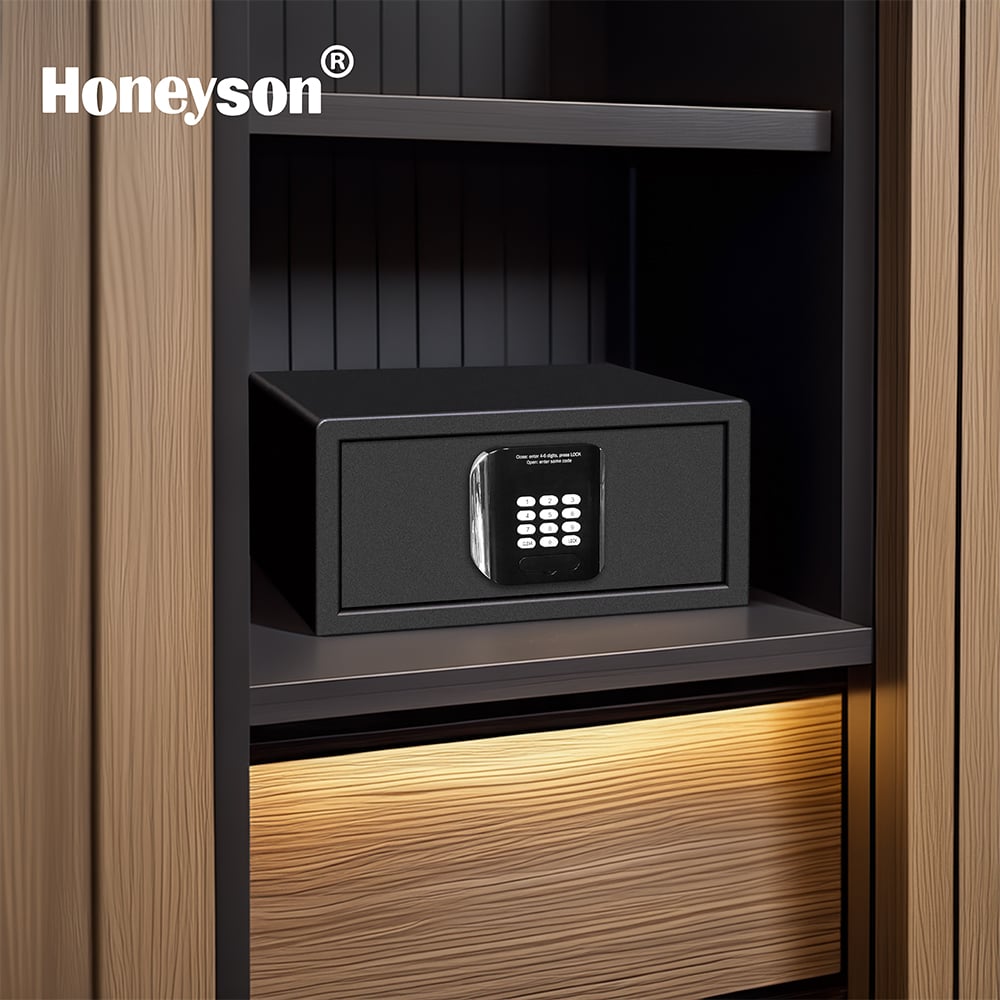
Premium hospitality environments demand exceptional attention to guest comfort, and noise and heat output limits for appliances have become critical specifications for hospitality suppliers selecting equipment. Modern hotel operators recognize that excessive noise or heat from guest room appliances directly impacts guest satisfaction, sleep quality, and overall experience. When hospitality supplies include refrigerators, air conditioning units, coffee makers, or other amenities, these devices must operate within carefully defined acoustic and thermal boundaries to maintain the sanctuary guests expect.

The regulatory and design landscape for hotel room appliances has evolved significantly over the past decade. Hospitality suppliers and OEM hospitality equipment manufacturers now face explicit noise specifications ranging from 32 to 48 decibels depending on appliance category and room type. Understanding these limits is essential for procurement teams, property managers, and design professionals who specify guest room equipment for luxury and upper-midscale properties.
Noise Output Standards for Hotel Room Appliances
Understanding Decibel Thresholds
Noise measurement for hospitality supplies operates on a logarithmic scale where decibels measure sound pressure relative to human perception. A whisper registers around 30 decibels, while normal conversation reaches 60 decibels. For hotel room appliances, hospitality suppliers typically design equipment to operate between 32 and 42 decibels to ensure guests can sleep undisturbed. Mini-fridges and ice machines must stay below 40 decibels, while larger refrigeration units may reach 45 decibels under load conditions. OEM hospitality equipment manufacturers test these specifications using standardized measurement protocols conducted at specific distances and under controlled ambient conditions.
Appliance-Specific Noise Limits
Different categories of guest room equipment have distinct acoustic requirements. Coffee makers and beverage dispensers sold by hospitality suppliers typically operate between 32 and 38 decibels during brewing cycles. Climate control systems for hotel room appliances must maintain noise levels below 38 decibels in occupied bedrooms and below 42 decibels in common areas. Window air conditioning units require careful selection by hospitality supplies procurement teams since outdoor condenser noise can exceed 52 decibels if not properly insulated. OEM hospitality equipment designed for upscale properties incorporates sound dampening materials, variable-speed compressors, and vibration isolation mounting systems to meet these demanding specifications.
Heat Output Management and Thermal Performance
Maximum Allowable Heat Emission
Heat output limits for hospitality suppliers' equipment selections directly influence room climate control costs and guest comfort. The American Society of Heating, Refrigerating and Air-Conditioning Engineers establishes maximum heat dissipation standards for guest room equipment. Refrigeration units in hotel room appliances typically release between 400 and 600 BTU per hour, depending on capacity and ambient temperature. Hospitality supplies that include in-room brewing systems should dissipate no more than 800 BTU hourly to prevent undue strain on room cooling systems. OEM hospitality equipment manufacturers design dissipation systems that balance thermal performance with acoustic efficiency, recognizing that heat rejection methods often generate noise.
Thermal Control Technologies
Modern OEM hospitality equipment employs advanced thermal management to meet dual requirements for silence and efficient heat rejection. Hospitality suppliers now specify guest room equipment featuring variable-capacity compressors that modulate cooling output based on load conditions, reducing peak heat emissions and noise simultaneously. Heat exchangers with aluminum fins and optimized air paths help equipment manufacturers minimize air velocity noise while maintaining effective thermal transfer. Hotel room appliances incorporating inverter technology adjust motor speed continuously, allowing hospitality supplies procurement to achieve lower average noise and heat output throughout the operational cycle. Premium installations might feature remote condenser placement or ducted heat exhaust systems that remove thermal output entirely from the guest space.
Compliance Standards and Selection Guidelines
International and Regional Requirements
Hospitality suppliers must navigate a complex landscape of regional noise and heat standards when selecting OEM hospitality equipment for international properties. The European Union enforces specific sound power levels under the Ecodesign Directive, while North American properties typically reference AHRI certification standards. Hotel room appliances destined for Asia-Pacific markets may require compliance with China's GB standards or Japan's JISAC specifications. Leading hospitality supplies manufacturers maintain product certifications across multiple regions, enabling procurement teams to source guest room equipment that meets local codes without duplicating inventory. Luxury hospitality suppliers often exceed minimum legal requirements, recognizing that guest expectations in premium properties exceed baseline compliance.
Specification and Procurement Best Practices
Effective specification of hotel room appliances requires hospitality suppliers to verify noise measurements under realistic operational conditions, not just laboratory defaults. OEM hospitality equipment datasheets should specify both idle noise and full-load operation, acknowledging that refrigeration equipment generates peak noise during compressor cycling. Hospitality supplies procurement teams should request third-party certification evidence rather than manufacturer self-testing, particularly for properties targeting Leadership in Energy and Environmental Design certification. Guest room equipment specifications must account for installation location—compact in-room refrigeration demands stricter noise control than equipment installed in remote mechanical closets. Professional hospitality suppliers conduct acoustic modeling during design phase, predicting how equipment noise combines with ambient HVAC systems to establish acceptable cumulative sound levels.
FAQ
What noise level is acceptable for hotel room refrigerators?
Standard mini-refrigerators in hospitality supplies should operate below 40 decibels during normal operation, with peak compressor cycling not exceeding 42 decibels. Premium hospitality suppliers specify models rated at 35 to 38 decibels for luxury properties. Measurement should be conducted at 3 feet distance in a standard guest room, matching realistic placement conditions where guests experience equipment noise.
How do hospitality suppliers balance noise reduction with cooling capacity?
OEM hospitality equipment achieves both goals through compressor speed modulation, larger evaporator coils that reduce run-time, and enhanced insulation that minimizes heat transfer demands. Hospitality supplies featuring variable-frequency drives adjust motor speed continuously, allowing guest room equipment to maintain capacity while reducing average noise. Sound-absorbing materials and vibration isolation mounts further reduce transmission to structures where guests might sense noise.
Are heat output limits regulated or voluntary for hotel room appliances?
Heat output standards for hospitality supplies vary by region. The European Union enforces mandatory limits through ecodesign regulations, while North American hotel room appliances follow voluntary AHRI guidelines. Hospitality suppliers serving premium markets typically adopt stricter self-imposed standards regardless of regional requirements, recognizing that energy efficiency and thermal performance directly impact operating costs and guest satisfaction in guest room equipment.
