
 EN
Managing minimum order quantities across diverse product lines represents one of the most critical operational challenges for hotel supply distributors. When handling multiple SKUs—from guest room supplies to OEM hotel appliances—the complexity of balancing cost efficiency with inventory management becomes exponentially more difficult. Hotel supply distributors must develop sophisticated planning strategies that account for seasonal demand fluctuations, storage constraints, and cash flow considerations while ensuring they maintain adequate stock levels to serve their hospitality clients reliably.
The foundation of effective minimum order planning lies in understanding that hotel supply distributors operate within a unique market segment where demand patterns differ significantly from traditional retail environments. Hospitality properties require consistent supplies of guest room items, linens, toiletries, and specialized appliances on predictable schedules, yet also need flexibility to respond to seasonal tourism variations and special events. This dual reality requires distributors to implement data-driven forecasting models that merge historical sales patterns with forward-looking booking trends from their hospitality partners.
Understanding Minimum Order Quantity Constraints
The Core Challenge of Mixed SKU Distribution
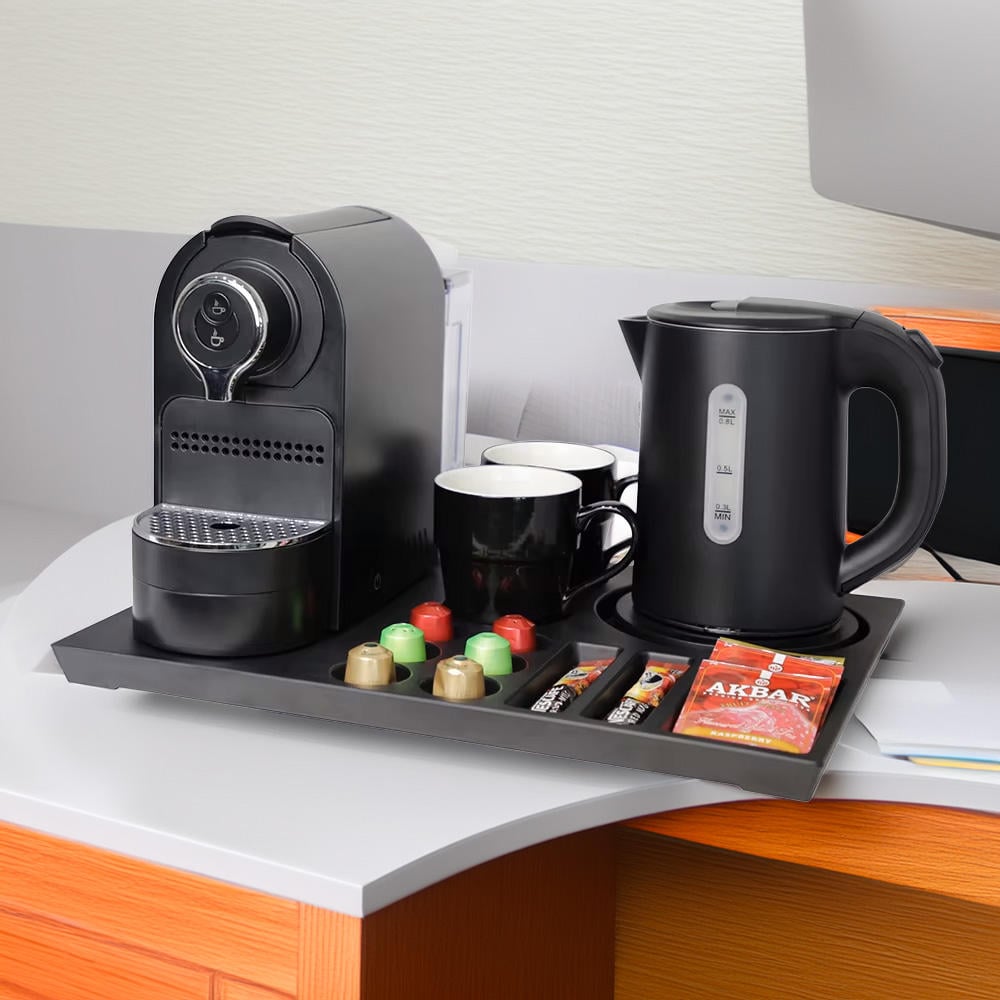
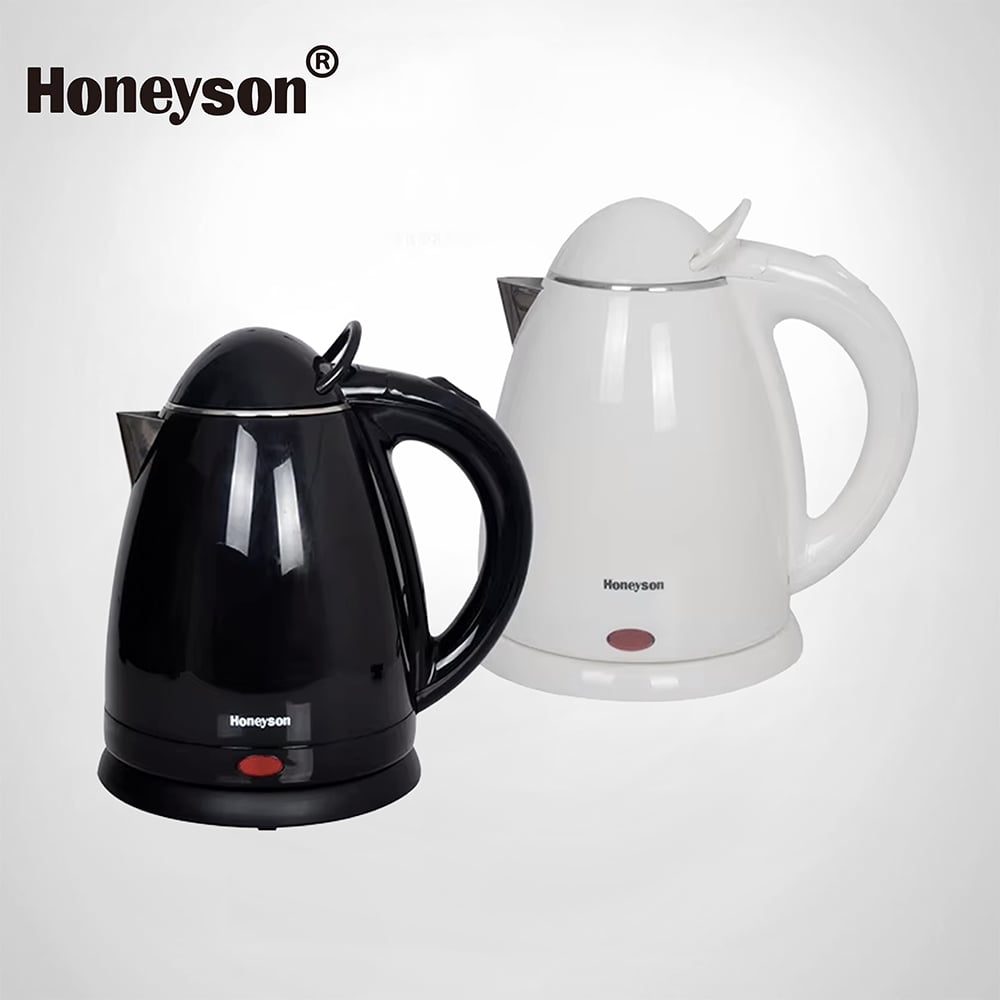
Hotel appliance distributor operations become significantly more complex when managing multiple product categories simultaneously. OEM hotel appliances such as kettles, irons, and small refrigeration units often have minimum order quantities that differ dramatically from consumable guest room supplies like shampoo bottles, pillowcases, and amenity sets. When a distributor must order 500 units of one appliance model but only 50 units of a particular towel variant, the mathematical optimization challenge multiplies across dozens of SKUs.
Suppliers typically establish minimum orders based on production efficiency, shipping economics, and inventory management at their facilities. A manufacturer of OEM hotel appliances may require 200-unit minimums to justify production line setup, while a linen supplier might accept 30-unit increments. Hotel supply vendors must therefore develop tiered ordering strategies that group complementary products to reach minimum thresholds without creating excess inventory that ties up working capital.
Financial and Operational Trade-offs
Every minimum order decision creates a cascade of financial implications. Larger orders reduce per-unit costs through volume discounts, but they increase carrying costs, storage requirements, and obsolescence risk. For hotel appliance distributor operations, this tension intensifies because appliances have higher unit values and longer shelf lives compared to consumables. A distributor carrying excess inventory of specialty coffee makers or steam irons faces higher insurance costs, warehouse space expenses, and potential product depreciation if newer models emerge.
Conversely, ordering below minimum quantities to avoid excess stock typically incurs premium pricing, potential supplier refusal to process the order, or forced consolidation with future orders that skews demand forecasting accuracy. The optimal strategy requires balancing these competing pressures through rigorous financial modeling and demand scenario analysis.
Strategic Inventory Segmentation Approaches
ABC Analysis for Guest Room Supplies and Appliances
Leading hotel supply distributors segment their product portfolios using ABC classification systems that categorize items by velocity, profitability, and criticality to customer operations. Category A items—high-velocity, high-margin products like standard pillows or basic guest room kettles—warrant minimal safety stock and aggressive turnover strategies that approach minimum order quantities more conservatively. These fast-moving items justify frequent ordering at smaller volumes because rapid turnover prevents obsolescence and reduces carrying costs.
Category B products represent moderate-velocity items like specialty linens or mid-range OEM hotel appliances. These require balanced minimum order planning that acknowledges slower movement while maintaining adequate availability. Category C encompasses low-velocity, often specialized items like replacement parts or niche appliances that demand careful minimum order planning to avoid warehouse clutter. By applying differentiated strategies to each category, distributors rationalize their minimum order commitments across mixed SKUs rather than applying one-size-fits-all thresholds.
Demand Forecasting Integration
Accurate demand forecasting forms the essential foundation for defensible minimum order decisions within hotel supply channels. Distributors that maintain strong customer relationships gain visibility into hotel property calendars, anticipated occupancy rates, and seasonal demand patterns. This intelligence enables more precise order quantities that align with genuine upcoming demand rather than relying on generic historical averages.
Advanced hotel appliance distributor operations leverage predictive analytics that incorporate macroeconomic indicators, tourism trends, and event calendars alongside transactional history. When forecasting models indicate rising demand during peak tourism seasons, larger minimum orders become financially justifiable. During off-season periods, reducing order volumes or consolidating multiple SKUs into single purchase orders becomes prudent. This dynamic approach transforms minimum order planning from a static constraint into an adaptive strategic tool.
Practical Implementation and Supplier Collaboration
Negotiating Flexible Minimum Order Terms
Experienced hotel supply distributors recognize that minimum order quantities represent starting negotiating points rather than immutable requirements. Building strong supplier partnerships enables discussion of volume tiering, order consolidation windows, and split shipment arrangements that accommodate distributor cash flow and storage constraints. OEM hotel appliances suppliers, in particular, often provide more flexibility for established distributors with proven purchase histories and reliable payment performance.
Many manufacturers offer reduced minimums for distributor partnerships that commit to annual purchase volumes, participate in forecasting planning sessions, or provide market feedback. Hotel supply operations that invest in these collaborative relationships gain competitive cost advantages while maintaining operational flexibility. Written agreements should explicitly address minimum order adjustments during demand fluctuations and mechanisms for managing seasonal ordering variations.
Technology-Enabled Order Optimization
Modern hotel appliance distributor platforms increasingly employ procurement optimization software that calculates ideal order quantities across all SKUs simultaneously. These systems consider supplier minimums, volume discounts, warehouse capacity, cash flow constraints, and demand forecasts to generate recommended purchase orders that globally optimize costs rather than optimizing each product category independently. Such technology-enabled approaches reveal opportunities to strategically combine products—bundling slow-moving specialty items with fast-turners to achieve supplier minimums more efficiently.
Integration between demand planning systems and purchasing platforms enables real-time adjustment as market conditions change. When actual hotel demand exceeds forecasts, systems immediately flag opportunities to increase orders or adjust timing. When demand softens, automation prevents unnecessary purchases that would strain inventory positions. This intelligent orchestration allows hotel supply distributors to maintain competitive service levels while minimizing the working capital burden of minimum order requirements.
FAQ
How should distributors balance minimum order quantities with storage space limitations?
Successful hotel supply distributors implement warehouse management systems that provide real-time visibility into available storage by product category and location. They establish clear maximum inventory levels for each SKU based on physical space and then work backward to calculate maximum safe order quantities. For OEM hotel appliances with larger unit sizes, some distributors negotiate direct-to-customer drop-shipping arrangements with suppliers for certain items, avoiding physical inventory holding while still capturing distribution margins. Cross-docking strategies—where inventory is received and immediately sorted for shipment—also reduce storage pressure while maintaining minimum order economics.
What role does seasonality play in minimum order planning for guest room supplies?
Seasonality creates dramatic demand variations that directly impact minimum order strategy. Peak tourism seasons justify larger orders to ensure adequate stock meets elevated guest room supply consumption rates, while off-season periods warrant conservative ordering to prevent excess inventory. Smart hotel supply distributors model quarterly or monthly demand ranges rather than annual averages, then adjust minimum order commitments to align with forecasted seasonal peaks and troughs. Some establish seasonal safety stock during low-demand periods to prepare for predictable peak season surges, treating minimum orders as strategic positioning rather than reactive purchasing.
Can hotel appliance distributors ever negotiate below minimum order quantities from suppliers?
Most established suppliers offer flexibility for distributors demonstrating consistent volume commitments and strong commercial relationships. Negotiation tactics include proposing annual volume commitments in exchange for reduced per-order minimums, requesting split shipments that technically meet minimum quantities across multiple deliveries, or consolidating multiple product lines into orders that reach minimums through product bundling. New distributors may face stricter minimums than established partners, but demonstrating reliability creates negotiating leverage over time. Strategic supplier partnerships often evolve to accommodate distributor constraints while protecting supplier manufacturing economics.
