
 EN
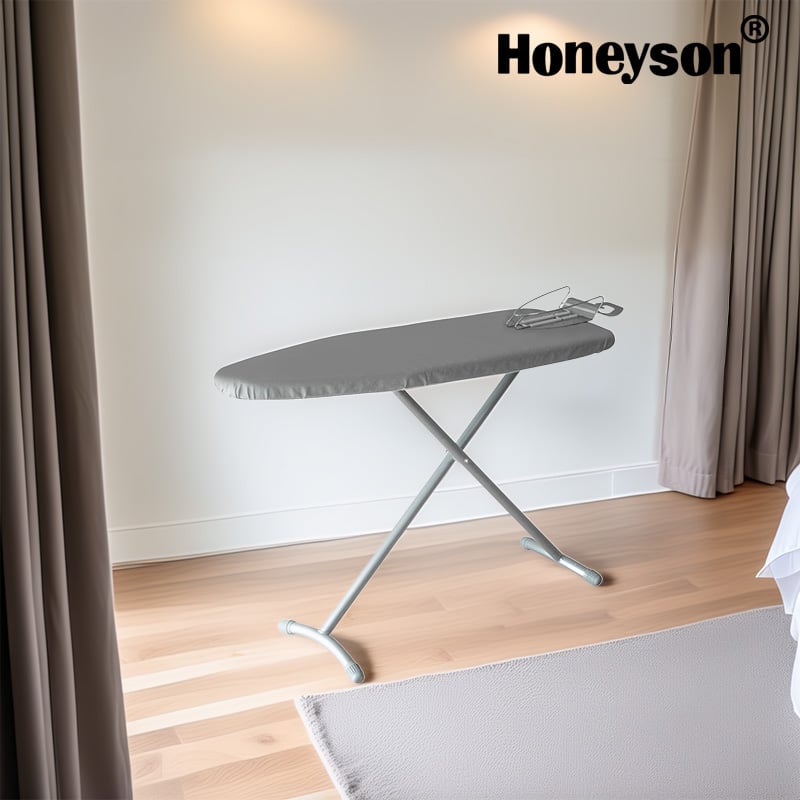
Selecting the best wall mounted ironing board requires understanding how material composition and surface coatings directly impact durability, performance, and lifespan. Unlike portable ironing boards that remain relatively static during use, wall-mounted units experience repeated stress from folding, unfolding, and mounting pressure against the wall. The quality of substrate materials and protective surface treatments becomes critical in determining whether your investment will serve reliably for years or require premature replacement. Professional facilities, hotels, and commercial laundries depend on ironing boards that withstand intensive daily use, making material selection not merely a preference but a business necessity.
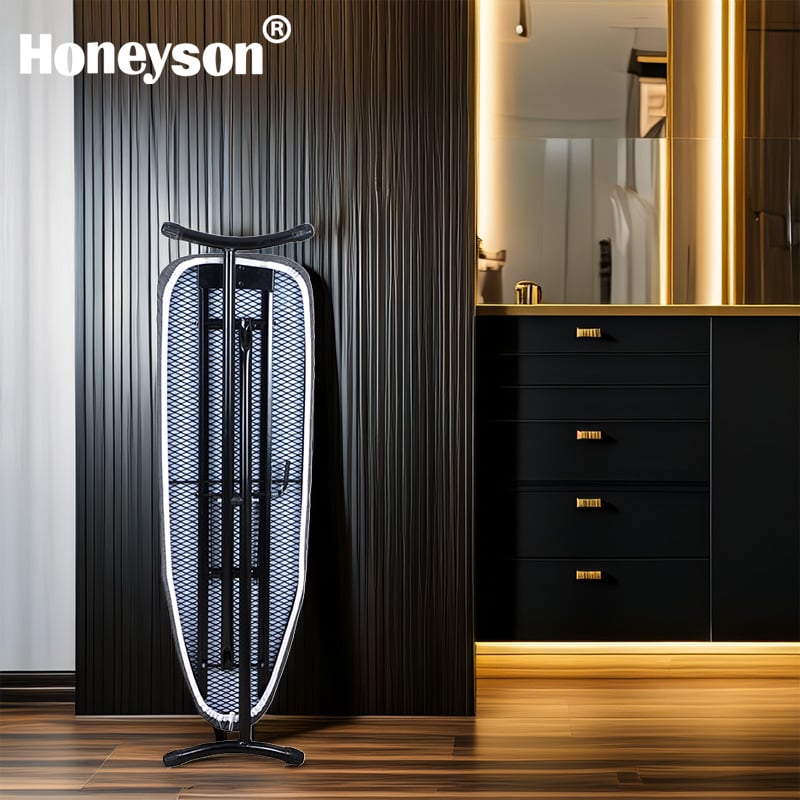
A wall mounted ironing board's longevity depends heavily on three material components: the core structure, the padding layer, and the outer cover coating. Each element serves a distinct protective function. The frame typically consists of steel, aluminum, or composite materials, with steel offering superior strength but requiring rust protection. The padding beneath the cover influences heat retention and fabric protection during pressing. The outer coating—whether natural fabrics, synthetic compounds, or specialized heat-resistant treatments—directly contacts hot irons and steam, experiencing the most wear. Understanding these layers helps facility managers and household users make informed decisions that align cost, performance, and durability expectations.
Core Structural Materials for Durability
Steel Construction and Rust Prevention
Steel remains the most common material for wall mounted ironing board frames because of its exceptional strength-to-weight ratio and proven longevity in commercial environments. High-quality steel resists warping under sustained heat exposure and supports heavier garments without flexing. However, steel requires protective coatings to prevent corrosion, particularly in humid hotel ironing board environments or kitchens near steam sources. Powder-coat finishes provide excellent rust protection by creating a sealed barrier that prevents moisture penetration. Galvanized steel, where the frame receives a zinc coating, offers additional corrosion resistance and is especially suitable for facilities with challenging humidity levels.
Aluminum and Lightweight Alternatives
Aluminum offers a lighter-weight alternative to steel while maintaining structural integrity for most household and light commercial use. Fold down ironing boards featuring aluminum frames are easier to operate and reduce fatigue during frequent deployment. Anodized aluminum—treated with an electrochemical process—creates a hardened oxide layer that resists oxidation and wear. Composite materials and reinforced polymers increasingly appear in modern fold down ironing board designs, offering corrosion immunity and thermal stability. These materials cost less initially but may not match steel's durability in high-frequency commercial settings where an OEM ironing board must endure constant cycles.
Surface Coatings and Heat-Resistant Finishes
Fabric Cover Selection and Thermal Properties
The outer cover fabric of a hotel ironing board directly experiences iron soles reaching temperatures of 300–400°F. Natural cotton covers provide traditional feel but demand frequent replacement due to degradation from heat and moisture. Modern synthetic blends—polyester mixed with cotton or entirely synthetic options—offer improved heat resistance and longevity. Silicone-treated fabric covers excel at heat reflection, reducing heat penetration to underlying padding and extending overall board life. Some OEM ironing board manufacturers apply multiple textile layers with air gaps designed to dissipate heat effectively, maintaining consistent surface temperature and preventing moisture accumulation that accelerates material breakdown.
Protective Coatings and Chemical Treatments
Advanced protective coatings dramatically extend wall mounted ironing board life by creating barriers against staining, oxidation, and thermal stress. Ceramic and Teflon-based coatings reduce friction between iron soles and board surfaces, decreasing wear on both components. These coatings also resist chemical exposure from detergents and cleaning solutions common in hotel ironing board maintenance routines. Waterproofing treatments prevent moisture absorption into padding layers, which can cause mold growth and material degradation. Specialized epoxy top coats provide scratch resistance and maintain surface smoothness, ensuring consistent iron gliding performance throughout the board's operational life.
Material Selection for Commercial and Household Applications
Hotel and Professional-Grade Standards
Commercial hotel ironing board specifications demand materials engineered for heavy-duty use cycles that exceed 100 deployments daily in busy properties. Professional facilities require fold down ironing boards with reinforced padding, heat-treated fabric covers, and maximum corrosion protection. OEM ironing board manufacturers serving hospitality markets typically specify industrial-grade materials including tempered steel frames, ceramic-treated covers, and triple-sealed joints. These enhanced specifications increase initial cost by 30–50% compared to standard models but reduce replacement cycles from every 2–3 years to 5–7 years, creating substantial lifecycle savings.
Household and Light-Commercial Considerations
Residential best wall mounted ironing board selection balances budget constraints with practical durability needs. Household users typically iron 5–15 times weekly, making mid-range materials sufficient for 3–5 year lifespans. Aluminum frames with powder-coat finishes suit most home installations without excessive expense. Fabric covers with polyester blends offer acceptable heat resistance and easier maintenance than premium synthetic options. Understanding your household's pressing frequency helps determine whether investing in professional-grade materials provides genuine value or represents unnecessary expenditure. For families whose ironing demands remain moderate, standard materials deliver satisfactory performance at reasonable cost.
Maintenance Practices That Preserve Material Integrity
Cleaning and Storage Best Practices
Proper maintenance of a wall mounted ironing board dramatically extends material lifespan by preventing accelerated degradation. Gentle vacuuming of fabric covers removes accumulated lint that traps moisture and promotes mildew growth. Wiping cover surfaces with slightly damp cloths removes detergent residue that can break down synthetic treatments. Hotel ironing board maintenance routines should include quarterly deep cleaning and inspection for micro-tears in cover fabric. When not actively used, wall-mounted units benefit from protection against excessive humidity and direct sunlight, both of which degrade coatings and fabrics prematurely.
Early Replacement Indicators and Lifecycle Assessment
Recognizing when material degradation warrants replacement prevents equipment failure during critical use periods. Visible rust developing on steel frames indicates compromised protective coatings and accelerating corrosion. Fabric covers showing discoloration, brittleness, or separation from underlying padding signal approaching failure. Steam leaking from seams suggests padding saturation and compromised insulation performance. An OEM ironing board exhibiting persistent warping despite proper storage indicates structural metal fatigue. Professional facilities monitoring these indicators can schedule planned replacements during slow periods rather than facing emergency downtime.
FAQ
What materials provide the longest lifespan for a wall mounted ironing board?
High-quality steel frames with powder-coat finishes combined with ceramic-treated synthetic fabric covers and waterproofing treatments deliver the longest practical lifespan. When properly maintained, this material combination extends wall mounted ironing board life to 7–10 years in professional settings. Commercial hotel ironing board models incorporating these premium materials represent the industry standard for durability-conscious facilities.
How do coating materials affect ironing performance and fabric protection?
Specialized coatings like Teflon and ceramic reduce friction, enabling irons to glide smoothly across the best wall mounted ironing board while minimizing fabric snagging. These coatings also reflect heat effectively, protecting delicate garments from excessive thermal damage. A quality fold down ironing board with advanced coatings delivers superior pressing results and extends garment lifespan alongside board durability.
Are premium materials worth the investment compared to standard options?
For households using a wall mounted ironing board 5–15 times weekly, standard materials deliver adequate performance at lower cost. Commercial users and professional hotel ironing board operators benefit substantially from premium materials, reducing replacement frequency and operational disruption. An OEM ironing board assessment should consider total lifecycle costs rather than initial purchase price alone, as premium materials often provide superior value over extended ownership periods.
