
 EN
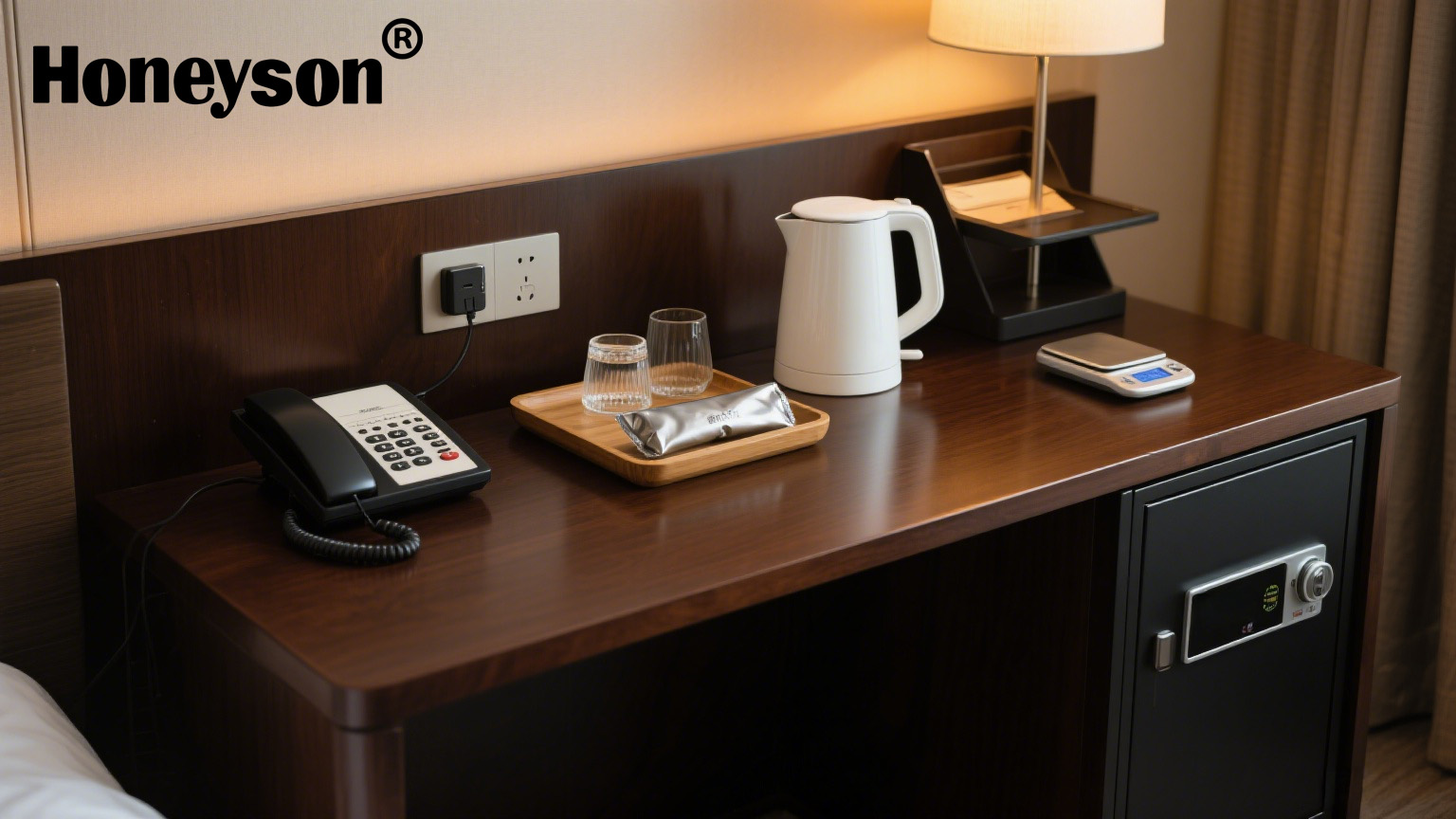
Creating a cohesive brand experience across multiple hotel properties requires careful attention to every detail, including the selection and integration of hotelic elements. When guests check into your properties, they should encounter a seamless visual and functional environment that reflects your brand identity, whether they're staying at one location or visiting ten different sites. The challenge intensifies when you manage diverse properties with varying architectural styles, room layouts, and existing infrastructure. This is where strategic hotelic design becomes essential to maintaining brand consistency while respecting the unique character of each property.

The integration of hotel room equipment and OEM hotel equipment into your interior design strategy directly impacts guest satisfaction, operational efficiency, and brand perception. Selecting the right hotel electrical products that complement your interior aesthetic while meeting functional demands requires a structured approach. This article explores how to align hotelic selections with your brand vision, ensuring that every property—from flagship locations to boutique establishments—delivers a unified guest experience that reinforces your brand promise.
Understanding the Role of Hotelic in Brand Strategy
Why Hotelic Integration Matters Across Multiple Sites
Hotel room equipment serves purposes far beyond basic functionality. When guests evaluate their accommodation, they notice design elements, material quality, finish consistency, and how well fixtures integrate with the overall aesthetic. For multi-property operators, inconsistent hotelic choices create dissonance that undermines brand identity and can negatively influence guest reviews and repeat bookings. OEM hotel equipment selection becomes a brand touchpoint rather than a mere operational decision.
Consistency in hotel electrical products across your portfolio signals professionalism and attention to detail. When a business traveler recognizes the same thoughtfully designed amenities at your New York property as at your Los Angeles location, it reinforces brand recognition and builds trust. This recognition extends to repeat guests and loyalty program members who develop expectations about your brand experience. Strategic hotelic alignment demonstrates that your organization invests in quality and intentionality across all touchpoints.
Managing Design Variation While Maintaining Brand Coherence
Not every property can follow identical interior designs due to historical constraints, local architectural guidelines, or unique building structures. Heritage properties may require period-appropriate aesthetics, while modern urban hotels might embrace contemporary minimalism. The key is establishing a flexible hotelic framework that allows variation in color palettes, finishes, and placement while maintaining core brand identity through consistent OEM hotel equipment selections and functional standards. Hotel electrical products should be chosen based on design families rather than exact replication.
This approach means selecting hotelic components that work across diverse interiors through design flexibility. For example, hotel room equipment with neutral finishes adapts to various color schemes, while products with architectural integrity remain relevant through multiple design cycles. By establishing this framework early in your portfolio strategy, you reduce future renovation costs and maintain brand coherence as properties evolve.
Designing Hotel Room Equipment Selection Criteria
Establishing Hotelic Standards for Your Brand
Successful multi-property brands establish clear specifications for OEM hotel equipment that address aesthetic, functional, and operational requirements. This specification document should outline finish preferences, dimensional standards, mounting approaches, and integration methods for all hotel electrical products across your portfolio. Creating a hotelic standard guide helps procurement teams, property managers, and designers make decisions quickly while ensuring consistency. These standards become particularly valuable during renovations or expansions when multiple stakeholders need guidance.
Your hotel room equipment standards should reflect your target market, brand positioning, and guest expectations. Luxury properties might prioritize premium finishes and sophisticated design in their OEM hotel equipment selections, while mid-market brands emphasize durability and contemporary aesthetics in hotel electrical products. The standards document becomes a reference tool that prevents decision paralysis and ensures that every hotelic choice advances your brand narrative rather than detracting from it. Regular review and updates to these standards keep your portfolio relevant as design trends evolve.
Balancing Functionality with Aesthetic Integration
Hotel room equipment must function flawlessly while blending seamlessly into the room design. OEM hotel equipment often comes in standard finishes that may not align with your interior palette, requiring either custom specifications or creative integration strategies. For instance, hotel electrical products like switches, outlets, and fixture mounts become invisible when thoughtfully integrated but obvious eyesores when mismatched. Addressing this tension early in the design phase prevents costly retrofitting and ensures that functionality never compromises aesthetic impact.
Consider how hotelic elements will age and perform in guest environments. Durable finishes that resist fingerprints, resist corrosion, and maintain appearance under frequent use extend the effective lifespan of your OEM hotel equipment investments. Selecting hotel room equipment with proven performance records reduces maintenance issues and guest complaints. This balance between initial design appeal and long-term functionality defines professional hospitality standards that guests recognize and appreciate across your entire portfolio.
Implementing Hotelic Consistency Across Properties
Coordination Between Design, Procurement, and Operations
Implementing consistent hotelic strategies requires coordination across multiple departments and property teams. Design teams select OEM hotel equipment that matches aesthetic goals, procurement secures these items at scale, and operations teams maintain and replace hotel electrical products throughout the guest lifecycle. When communication breaks down, properties may substitute unauthorized alternatives, creating inconsistency that undermines brand efforts. Establishing clear protocols and accountability ensures that your hotelic vision translates into actual guest experiences.
Regular property audits identify where hotel room equipment deviates from standards and why these deviations occurred. Some deviations reflect changing operational needs, while others reflect miscommunication or resource constraints. Audit findings inform refinements to your hotelic standards and implementation processes, creating continuous improvement cycles. When maintenance teams understand that OEM hotel equipment choices support brand strategy, they become brand advocates rather than viewing standards as bureaucratic obstacles. This mindset shift improves compliance and reduces unplanned substitutions of hotel electrical products.
Managing Renovations and Equipment Lifecycle Updates
Guest room renovations present prime opportunities to refresh and upgrade hotelic selections across your portfolio. Planning these cycles strategically allows bulk procurement of OEM hotel equipment, reduces per-unit costs, and maintains consistency as properties receive updates. Hotel electrical products should be part of broader aesthetic refresh initiatives rather than replaced as isolated items. This approach ensures that new hotelic selections integrate harmoniously with updated furnishings, finishes, and overall design direction across your properties.
Documentation of hotelic selections during renovations creates valuable institutional knowledge. Recording which OEM hotel equipment was selected, why specific choices were made, and how guests responded informs future decisions across your portfolio. This historical perspective prevents repetitive decision-making and accelerates implementation cycles when similar properties face renovation timelines. Creating a shared repository of successful hotel room equipment integrations and hotel electrical products specifications establishes best practices that benefit all your properties while reinforcing brand consistency.
FAQ
How do I balance budget constraints with hotelic design consistency across multiple properties?
Establish tiered standards that define essential hotelic elements versus nice-to-have features. Focus budget on high-visibility hotel room equipment and OEM hotel equipment that guests interact with directly, while allowing flexibility on less visible hotel electrical products. Bulk procurement of consistent items reduces per-unit costs for hotelic selections across your portfolio. Prioritize renovations by guest-facing areas first, then gradually update back-of-house spaces as budgets allow.
What happens if I inherit properties with very different interior styles when implementing a hotelic strategy?
Create design families within your hotelic standards that accommodate different aesthetic directions while maintaining brand coherence. For example, select OEM hotel equipment with classic proportions and neutral finishes that work in both contemporary and traditional interiors. Hotel electrical products can be finished to match different color palettes without requiring completely different items. This approach allows properties to maintain their unique character while benefiting from consistent hotel room equipment standards across your portfolio.
How do I ensure property managers maintain hotelic standards after initial implementation?
Provide clear documentation of approved OEM hotel equipment and hotel electrical products, with visual references showing proper installation and integration. Include hotelic standards in property manager training programs and performance evaluation criteria. Schedule regular audits that celebrate consistency achievements and provide corrective support when deviations occur. When property managers understand that hotelic choices directly impact guest satisfaction and brand reviews, they become invested in maintaining these standards rather than viewing them as administrative requirements.
