
 EN
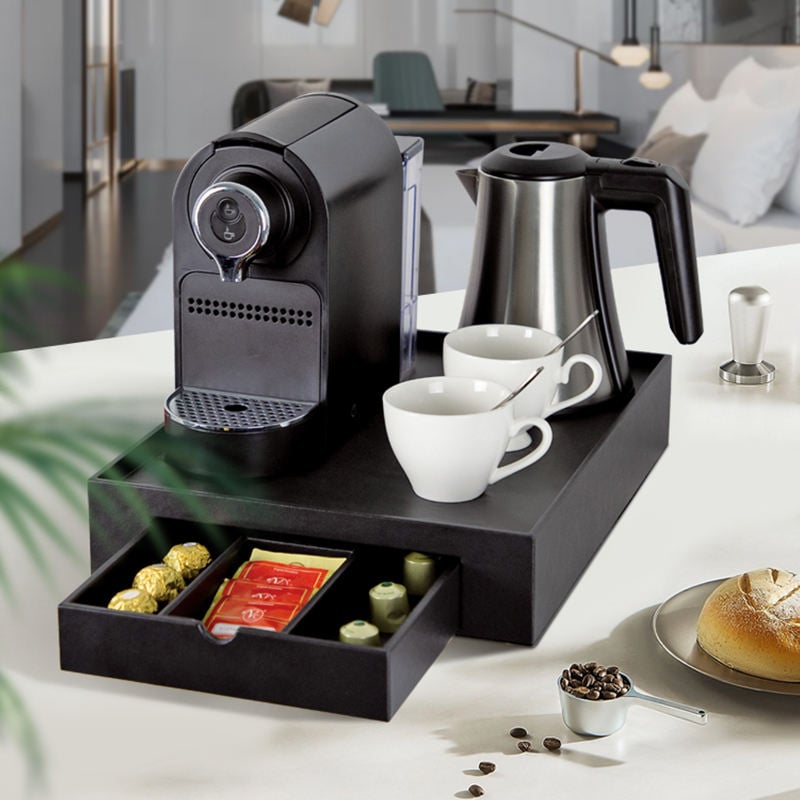
Water tank design is one of the most overlooked factors influencing service call frequency in hotel environments. While many hospitality managers focus on brand reputation and upfront costs when selecting a coffee machine, the internal architecture of the water tank directly determines maintenance demands, downtime risk, and total cost of ownership. Hotels operating high-volume beverage services experience this reality daily: poor tank design leads to mineral buildup, valve failures, and frequent technician visits that disrupt guest services.
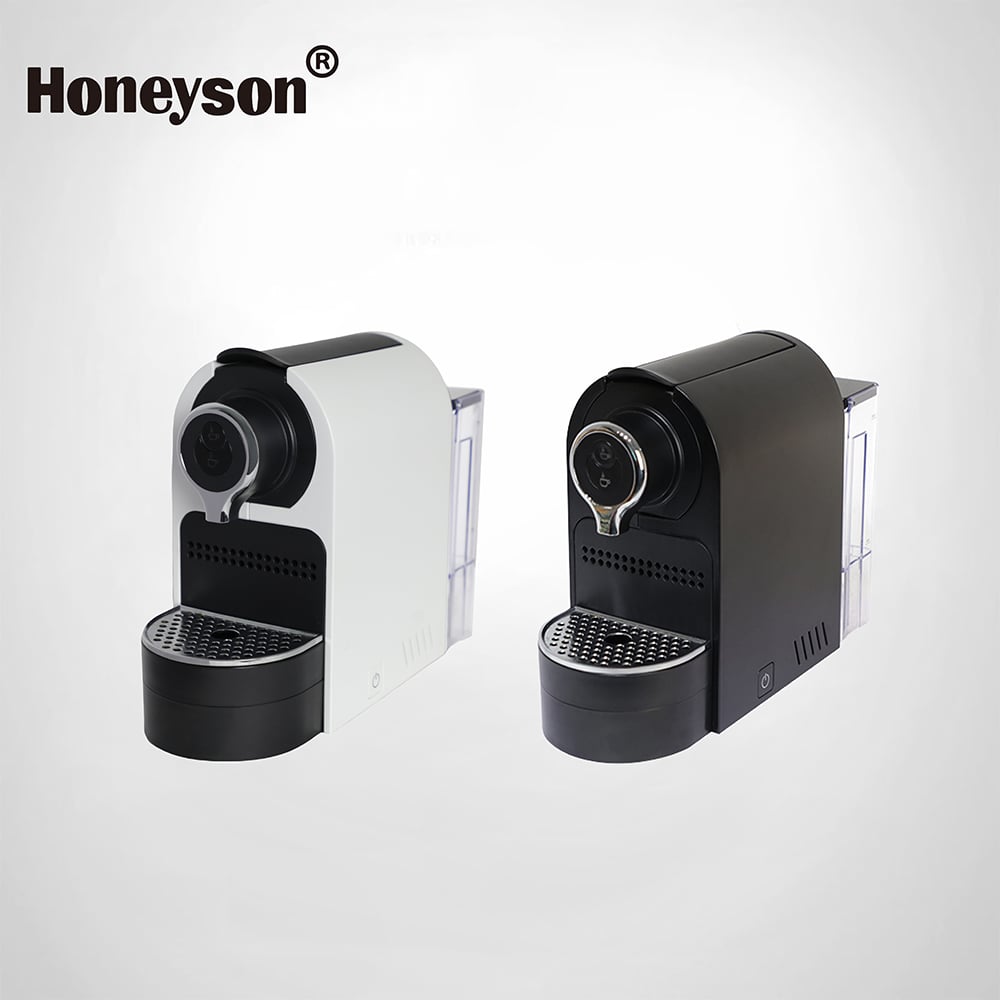
Understanding the connection between tank architecture and service reliability is essential for procurement decisions. A hotel coffee maker's water tank is not merely a container—it is a precision component that controls water flow, temperature stability, and sediment management. When tank geometry, inlet placement, and filtration integration are poorly engineered, mineral deposits accelerate, water flow becomes inconsistent, and internal corrosion compromises equipment integrity. This article explores how tank design directly influences service frequency, operational costs, and the long-term performance of OEM coffee machine systems in hospitality settings.
Water Tank Architecture and Mineral Accumulation
Tank Geometry and Sediment Pooling
The shape and internal structure of a water tank fundamentally affect where sediment settles and how efficiently it can be removed. Tanks with flat bottoms and poor drain positioning allow mineral particles to collect in dead zones, where they remain undisturbed during routine flushing. These stagnant areas become breeding grounds for scale formation, particularly in high-hardness water regions. Hotels using a drip coffee maker or other beverage equipment in areas with mineral-rich water supplies face accelerated tank degradation when geometry does not account for sediment flow dynamics.
Conversely, OEM coffee machine designs featuring sloped tank bottoms and strategically placed drain valves enable gravity-assisted sediment removal. When water tank architecture incorporates angled internal surfaces and central drain positioning, mineral particles naturally migrate toward the drain point during maintenance cycles. This design principle reduces the frequency of manual cleaning interventions and extends intervals between professional descaling service calls. Hotels that adopt coffee makers with superior tank geometry report 30 to 40 percent fewer maintenance visits in the first operational year.
Inlet Water Flow Patterns
Water inlet placement within the tank dramatically influences mixing efficiency and mineral distribution. Tanks with high-velocity inlet jets create turbulence that suspends particles throughout the water volume, preventing immediate settling. This circulation slows mineral concentration in localized zones but risks pushing sediment deeper into tank recesses. Conversely, gentle inlet flow allows particles to settle quickly, creating predictable sediment layers that technicians can address through standard drain procedures. Hotel coffee maker systems engineered with diffuser-style inlets manage water entry with controlled flow velocity, balancing circulation with settling efficiency.
The hotel coffee maker industry increasingly recognizes that inlet submersion depth and angle significantly impact thermal stratification and water quality consistency. When cold water enters below the heater element level, it mixes inefficiently with hot stored water, causing temperature fluctuations that stress mechanical components. A well-designed water tank incorporates inlet architecture that ensures gradual temperature transition zones, reducing thermal shock to valve assemblies and heating elements. This design sophistication translates directly into fewer service calls related to heating system failures and pressure regulator malfunctions.
Filtration Integration and Maintenance Accessibility
Built-in Filter Cartridge Positioning
Premium OEM coffee machine models integrate water filtration directly into tank design, positioning filter cartridges to intercept incoming water before it contaminates internal surfaces. When filter elements are mounted at tank inlets with proper bypass valve sizing, sediment never reaches the tank interior, eliminating the root cause of mineral accumulation. Hotels adopting drip coffee maker systems with integrated pre-filtration report 50 percent reductions in scale-related service incidents compared to machines without inlet filtration.
However, filter integration introduces its own maintenance complexity. If cartridge replacement access requires partial tank disassembly or if filter housing design complicates removal procedures, hotel staff may delay replacements, allowing bypass flow around blocked filters. Well-designed hotel coffee maker systems position filter cartridges for quick-change accessibility, with clear visual indicators showing when replacement is due. This human-centered design approach ensures hotel operations maintain consistent filtration performance, preventing service calls caused by filter negligence.
Drain Valve Configuration and Sediment Extraction
Drain valve placement and sizing determine how effectively hotels can extract accumulated sediment without requiring full tank disassembly. Tanks with oversized drain valves positioned at the lowest point enable rapid sediment purging during routine maintenance windows. Large orifice drains reduce clogging risk and allow technicians to complete drainage in seconds rather than minutes, minimizing service call duration and reducing labor costs. Hotels operating high-volume beverage stations benefit significantly from drain systems engineered for efficiency. In contrast, undersized drains frequently clog with mineral debris, forcing technicians to employ chemical flushing procedures that add time and complexity to each visit.
The hotel coffee maker market increasingly features dual-drain configurations: a primary large-orifice drain for rapid sediment purging and a secondary low-flow drain for precision water level management. This redundancy ensures that even if mineral debris partially blocks the primary drain, the secondary pathway maintains functionality, preventing emergency service situations. OEM coffee machine manufacturers who prioritize drain architecture reduce unplanned service calls by 25 to 35 percent, directly improving hotel operational continuity and guest satisfaction.
Thermal Management and Component Longevity
Heating Element Placement and Water Stratification
The position of heating elements within the water tank creates thermal gradients that influence mineral precipitation rates and component degradation timelines. When heating elements are submerged directly in the main tank volume, localized superheat zones around the heating surface accelerate mineral crystallization. This phenomenon explains why service technicians frequently observe scale buildup concentrated around element surfaces rather than distributed throughout the tank. Progressive OEM coffee machine designs separate the heating zone from the main storage tank, using an indirect heating circuit that minimizes temperature extremes and reduces mineral precipitation at hot surfaces. This architectural change dramatically extends service intervals, as mineral formation slows significantly when bulk water temperatures remain moderate.
Hotels utilizing hotel coffee maker systems with secondary heating loops report fewer descaling requirements and longer component lifespans. The drip coffee maker category, while generally simpler than fully automatic systems, still benefits from thoughtful thermal architecture. When cold water from the main tank flows through a narrow heating chamber rather than bathing a large element directly in bulk storage, thermal efficiency improves and mineral stress decreases. This design principle represents a small investment in engineering that yields substantial returns in reduced service frequency and extended equipment lifecycles.
Pressure Regulation and Stress Distribution
Water pressure within the tank fluctuates as the system heats, cools, and dispenses beverage. Tanks engineered with expansion chambers or pressure relief integration maintain stable internal pressures, protecting seals, gaskets, and valve assemblies from fatigue damage. When tank design neglects pressure management, stress concentrates at seal points, leading to slow leaks that escalate into service calls. OEM coffee machine designers who prioritize pressure stability through tank geometry—incorporating air pocket spaces and relief mechanisms—significantly reduce seal-related failures.
The correlation between tank design quality and pressure stability directly affects the total cost of ownership for hotel coffee maker operations. A poorly designed water tank creates chronic stress that accumulates in valves, thermostats, and pump assemblies, leading to cascading failures. Conversely, drip coffee maker systems with robust pressure management experience graceful, predictable failure modes that technicians can address during routine maintenance rather than emergency interventions.
FAQ
How does water tank design reduce coffee machine service calls in hotels?
Strategic tank architecture minimizes mineral accumulation, sediment pooling, and component stress. Sloped tank bottoms, optimized drain positioning, integrated filtration, and thermal management all reduce the root causes of service failures. Hotels adopting professionally designed OEM coffee machine systems experience 30 to 50 percent fewer service visits compared to economy models with basic tank designs. Proper geometry, inlet flow control, and drainage access transform routine maintenance from complex interventions into quick procedures, lowering labor costs and minimizing operational disruption.
What water tank features should hotels prioritize when selecting a hotel coffee maker?
Evaluate tank designs that include sloped bottoms for sediment gravity flow, large accessible drain valves, integrated inlet filtration, and thermal stratification features. Hotels should request specifications on drain orifice sizing, filter replacement accessibility, and thermal management architecture. Machines designed for quick-change component access and minimal disassembly reduce technician time and labor expenses.
Can improved tank design extend the lifespan of a hotel coffee maker?
Yes, superior tank architecture directly correlates with extended equipment longevity. By reducing mineral stress, thermal shock, and pressure fluctuations, well-engineered tanks protect heating elements, seals, valves, and pumps from accelerated degradation. Hotels investing in OEM coffee machine systems with advanced tank design typically experience 3 to 5 additional years of useful life compared to economy models. Over a 10-year property lifecycle, this engineering investment pays significant dividends through reduced replacement frequency, lower maintenance costs, and improved operational reliability during peak service periods.
