
 EN
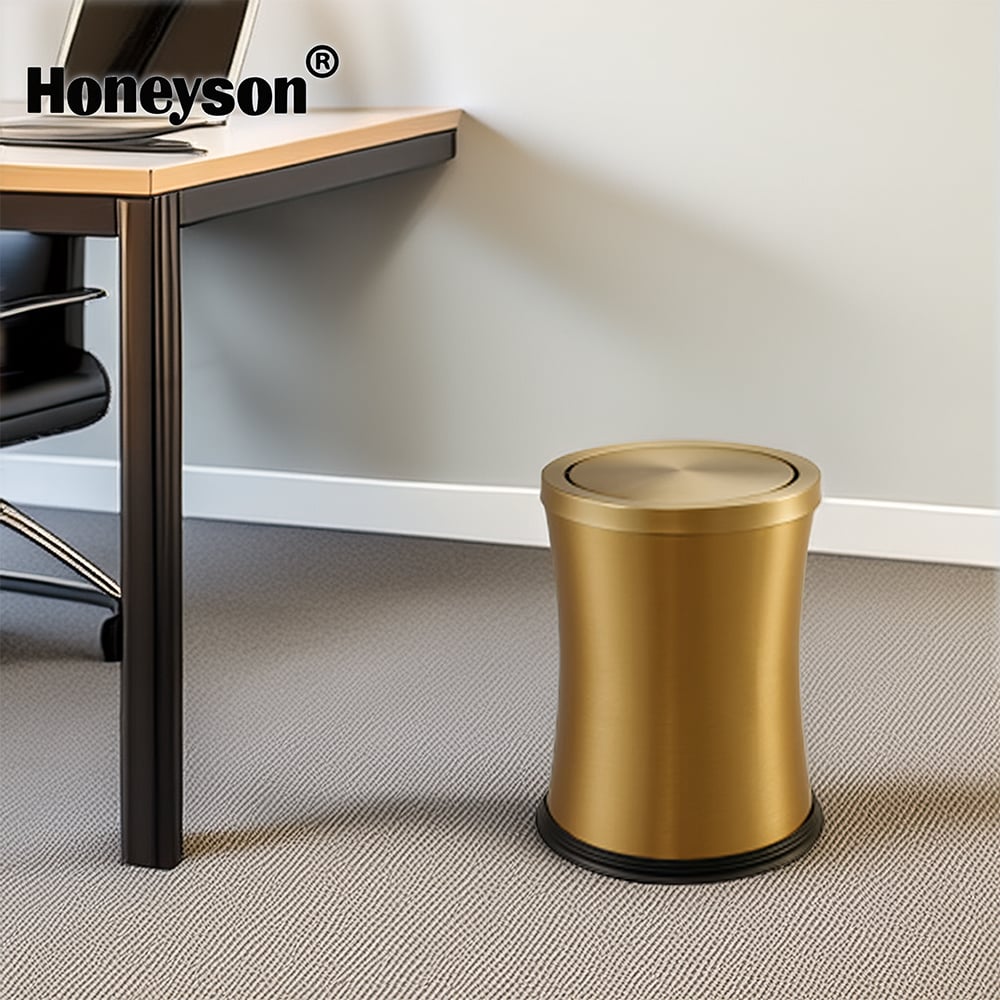
The durability of plastic hotel amenities directly depends on material grade selection, a critical factor that separates premium guest experiences from costly replacements. When hotel operators partner with a professional hotel amenities supplier, they gain access to products engineered with high-performance polymers that withstand daily use, repeated cleaning cycles, and environmental stress. Material grade influences not only product lifespan but also maintenance costs, replacement frequency, and overall guest satisfaction in hotel room environments.

Understanding material grades enables hotel management to make informed procurement decisions that balance upfront costs against long-term value. Premium-grade plastics offer superior resistance to discoloration, cracking, and chemical degradation compared to standard alternatives. By selecting appropriate material grades for specific hotel room accessories, facilities managers can reduce operational disruptions, minimize waste, and deliver consistent quality throughout guest stay periods.
Understanding Material Grade Classifications for Hotel Room Accessories
Standard Grade Plastics and Their Performance Limits
Standard-grade plastics, typically composed of general-purpose polypropylene or polyethylene, represent the most economical choice for many hotel electrical amenities. These materials perform adequately for low-contact applications with moderate environmental exposure. However, standard grades exhibit vulnerability to UV degradation, thermal stress, and chemical exposure from cleaning agents commonly used in hospitality settings.
Standard-grade hotel room accessories often show visible wear within 12 to 18 months of regular use. Discoloration, surface brittleness, and minor cracking become apparent when housekeeping staff employ industrial-strength disinfectants or expose products to direct sunlight near windows. Guest perception suffers when amenities appear worn, potentially impacting hotel reviews and brand reputation despite functional reliability.
Premium and Engineering-Grade Plastics for Extended Durability
Premium-grade materials, including advanced polypropylene, ABS, and polycarbonate blends, deliver substantially longer service life for critical hotel amenities. These OEM guest room amenities incorporate UV stabilizers, impact modifiers, and chemical-resistant additives that protect against hospitality environment stressors. Premium grades maintain aesthetic appearance and structural integrity through multiple cleaning cycles, temperature fluctuations, and guest handling scenarios.
Engineering-grade plastics excel in high-contact applications where reliability directly impacts guest experience quality. Kettle sets, bathroom amenity holders, and electrical accessories manufactured from premium materials resist discoloration, maintain consistent color integrity, and withstand repeated thermal cycling without degradation. A hotel amenities supplier offering premium-grade products typically guarantees 36 to 48 months of reliable performance under normal hospitality operating conditions.
Performance Factors Influenced by Material Grade Selection
Chemical and Thermal Resistance
Hotel cleaning protocols demand that amenities resist aggressive chemical exposure, a critical performance factor determined by material grade. Standard plastics develop stress cracks and surface etching when exposed to alcohol-based disinfectants, bleach solutions, or acidic cleaners routinely used in guest room sanitation. Premium-grade materials formulated for hospitality environments demonstrate exceptional resistance to these chemical challenges.
Thermal resistance also varies significantly across material grades. Hotel electrical amenities including kettles, coffee makers, and heating trays generate sustained heat during operation. Low-grade plastics may warp, discolor, or release odors under thermal stress, while premium materials maintain dimensional stability and appearance through repeated heating cycles. Material selection determines whether amenities maintain functionality and aesthetics throughout their operational lifespan.
Aesthetic Durability and Color Retention
Guest perception of hotel room quality correlates strongly with amenity appearance, making color retention and aesthetic durability essential performance metrics. Standard-grade plastics lose vibrancy and develop yellowing or fading patterns within months, particularly in sunlit locations. Premium hotel room accessories maintain original color saturation, finish quality, and professional appearance far longer, supporting consistent brand presentation.
Material grade influences how plastics respond to environmental factors including ultraviolet light exposure, humidity fluctuations, and oxidative stress. A hotel amenities supplier sourcing premium-grade materials incorporates pigments and stabilizers specifically engineered to preserve appearance under hospitality-specific conditions. This investment in material quality translates to reduced replacement cycles, lower waste generation, and improved cost-per-use calculations for hotel operators.
Impact Resistance and Structural Integrity
Hotel staff handling, guest interaction, and occasional drops stress hotel electrical amenities constantly throughout operational life. Standard plastics become brittle and fracture easily when subjected to impact, temperature shock, or mechanical stress. Premium-grade materials incorporating impact modifiers and toughening agents absorb shock loads without cracking or permanent deformation.
Structural integrity maintained through extended use prevents premature replacement and maintains safety standards. OEM guest room amenities manufactured from superior material grades demonstrate measurably higher impact resistance through formal testing protocols, ensuring products survive typical hospitality handling scenarios. This durability advantage directly reduces replacement costs and operational inefficiencies associated with damaged or failed amenities.
Selection Criteria for Choosing Appropriate Material Grades
Application-Specific Material Requirements
Different hotel room accessories demand distinct material grade specifications based on use patterns and environmental exposure. High-contact items like kettle sets and bathroom accessories justify premium-grade investment due to frequency of handling and cleaning exposure. Lower-contact decorative elements may perform adequately using standard grades, enabling cost optimization across diverse amenity portfolios.
Electrical amenities warrant particularly careful material selection given thermal stress, guest safety considerations, and potential consequences of premature failure. A knowledgeable hotel amenities supplier recommends material grades specifically suited to each application's thermal, chemical, and mechanical demands. This tailored approach maximizes durability while avoiding unnecessary expenditure on over-specified materials for lower-stress applications.
Lifecycle Cost Analysis and Total Value Assessment
Purchase price represents only one component of amenity cost considerations; lifecycle economics determine true financial impact. Premium-grade hotel electrical amenities cost 20 to 35 percent more initially but deliver 50 to 100 percent extended service life compared to standard alternatives. When analyzing total cost of ownership including replacement labor, inventory management, and disposal expenses, premium materials often provide superior economic value.
Strategic engagement with an experienced hotel amenities supplier includes lifecycle analysis recommendations customized to facility-specific operating patterns and budget parameters. Data-driven material selection ensures optimal balance between upfront investment and extended service performance, ultimately supporting long-term operational efficiency and guest satisfaction objectives.
FAQ
How do material grades affect the lifespan of hotel room accessories?
Material grade directly determines amenity durability and replacement frequency. Premium-grade hotel amenities typically survive 36 to 48 months of regular use with minimal degradation, while standard grades often require replacement within 12 to 18 months. Superior material formulations resist chemical exposure, thermal stress, UV degradation, and mechanical impact far more effectively than standard alternatives, substantially extending useful service life in demanding hospitality environments.
What chemical exposure do hotel electrical amenities typically experience?
Hotel electrical amenities encounter aggressive industrial-strength disinfectants, bleach-based cleaners, alcohol solutions, and acidic compounds during routine housekeeping operations. Standard-grade plastics develop stress cracks, surface etching, and discoloration when exposed to these chemicals repeatedly. Premium-grade materials engineered specifically for hospitality applications incorporate chemical-resistant additives and protective formulations that withstand these demanding cleaning protocols without degradation or appearance compromise.
Why should hotels invest in premium-grade OEM guest room amenities?
Investment in premium-grade OEM guest room amenities delivers multiple strategic benefits including reduced replacement costs, improved brand consistency, enhanced guest satisfaction, and operational efficiency gains. Premium materials maintain aesthetic appeal and functionality throughout extended service periods, supporting hotel reputation and reducing procurement disruptions. While initial costs are higher, the significantly extended lifespan and improved durability create superior total cost of ownership compared to repeatedly replacing standard-grade alternatives.
