
 EN
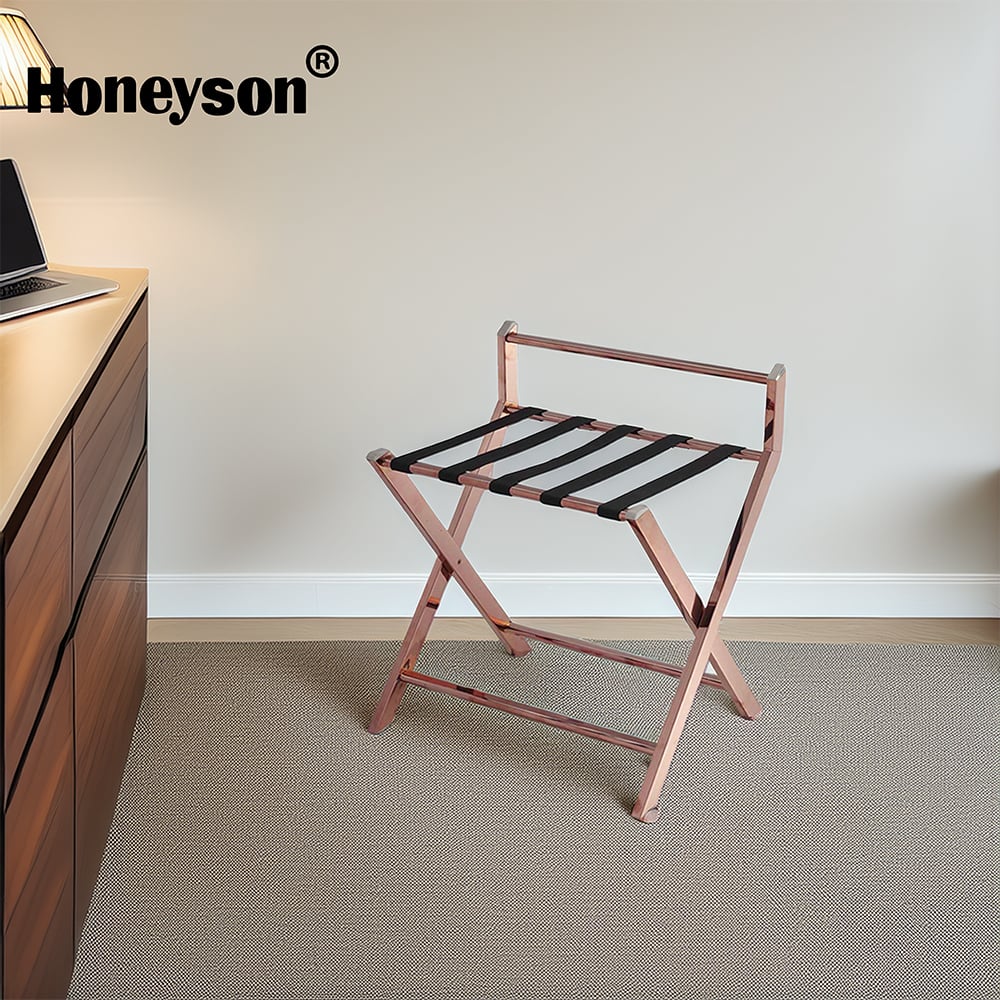
The design of hotel spaces extends far beyond aesthetic appeal—it encompasses functionality, guest comfort, and operational efficiency. A luggage rack represents a subtle yet powerful design element that influences how guests perceive and interact with their rooms. Modern hospitality design recognizes that even utilitarian furnishings contribute meaningfully to the overall interior concept, creating cohesive experiences that reflect the hotel's brand identity and commitment to thoughtful guest accommodation.
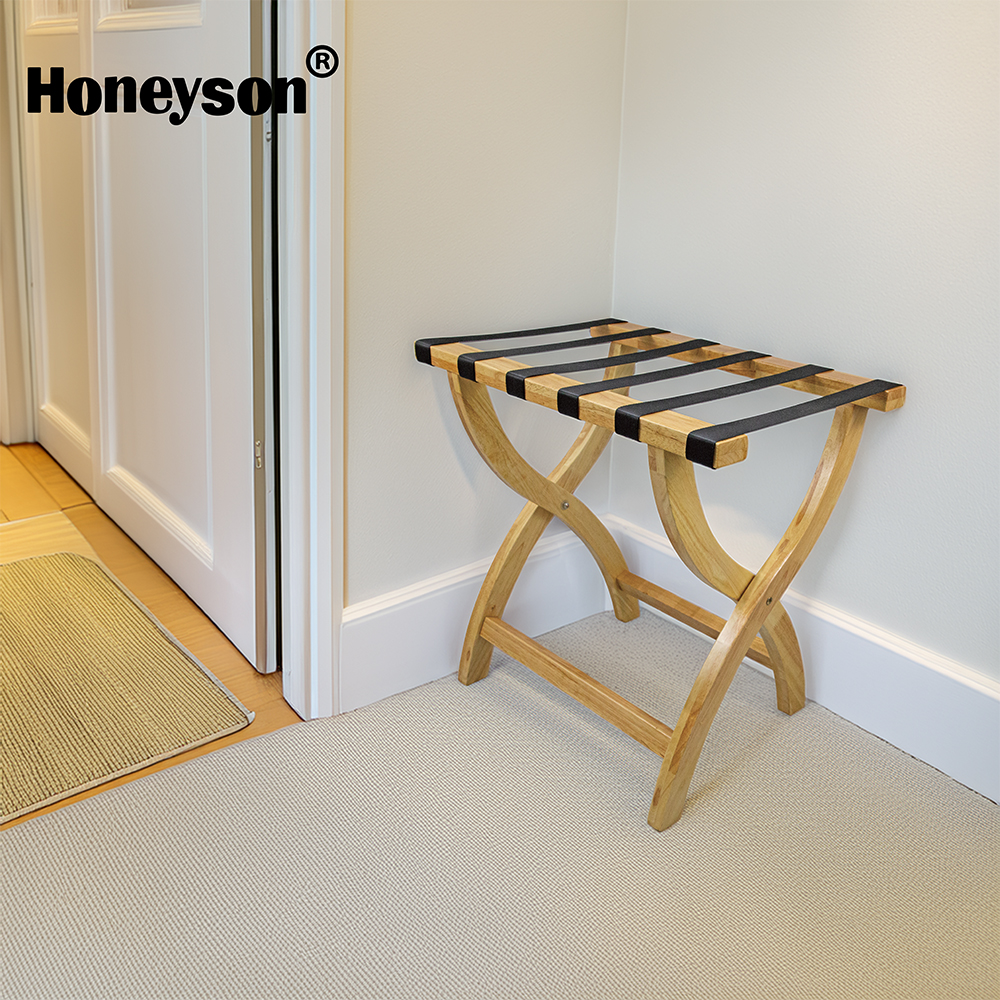
Hotel luggage racks are no longer afterthoughts in room furnishing. Contemporary interior designers integrate hotel luggage rack styles as deliberate compositional elements that complement color palettes, material selections, and spatial narratives. Whether selecting a folding luggage rack for compact efficiency or a permanent installation, designers must balance practicality with aesthetic intention. This integration requires understanding how luggage rack dimensions, finishes, and structural lines either harmonize with or detract from the established design concept.
The Role of Luggage Racks in Contemporary Hotel Design
Functional Elegance and Design Philosophy
Modern hotel design embraces the principle that function and form must coexist seamlessly. A well-chosen hotel luggage rack serves guests immediately upon entry, providing a designated space for their belongings while contributing to the room's visual composition. The folding luggage rack offers designers particular flexibility because it can be tucked away when not in use, freeing visual space while maintaining immediate accessibility. This dual functionality aligns with contemporary minimalist principles that prioritize clean sightlines and intentional object placement.
The material and finish of a luggage rack significantly influence its design impact. Chrome, brushed metal, wood frames, and upholstered tops each create distinct visual statements that either echo or contrast with surrounding furnishings. A hotel luggage rack with a wood frame might reinforce warm, traditional aesthetics, while a sleek metal OEM luggage rack variant complements modern, industrial design schemes. Designers select these details deliberately to maintain visual coherence across the guest room environment.
Spatial Integration and Room Layout
Room configuration dictates where and how a folding luggage rack functions within the design narrative. Compact rooms benefit from collapsible designs that don't consume valuable floor space permanently, while suite layouts may accommodate larger, more ornate pieces. Strategic placement—typically near entry points or alongside bedroom seating—ensures the luggage rack remains functional while staying visually balanced within the spatial composition. An OEM luggage rack specified with precise dimensions fits seamlessly into predetermined furniture layouts, supporting overall design cohesion.
Material, Finish, and Aesthetic Alignment
Selecting the Right Hotel Luggage Rack Style
Material selection determines how dramatically a luggage rack influences the interior environment. Wood options, particularly in natural finishes or stains matching bedroom furniture, create organic warmth and traditional sophistication. Metal frames—polished chrome, matte black, or bronze—offer contemporary alternatives that align with modern, transitional, or industrial design concepts. A folding luggage rack in natural wood with cream straps follows a different design language than an OEM luggage rack in stainless steel with geometric lines, yet both serve identical functional purposes when selected intentionally.
The upholstery or trim details on a hotel luggage rack provide subtle but important design echoes that connect the piece to other room textiles. Matching fabric on a folding luggage rack seat to window treatments or upholstered headboards creates layered visual harmony. Contemporary design practice emphasizes these intentional connections, transforming utilitarian objects into coordinated design elements. OEM luggage rack specifications often include customization options for fabrics and trim colors, enabling precise alignment with established design palettes.
Color Coordination and Spatial Cohesion
Color theory informs luggage rack selection as much as it does wall finishes and furniture arrangements. A hotel luggage rack in muted neutrals—gray, taupe, cream, or soft whites—provides unobtrusive functionality that doesn't compete visually with focal points like artwork or architectural features. Conversely, a folding luggage rack in a coordinated accent color can serve as a subtle design accent that ties together disparate color notes within the room. OEM luggage rack manufacturers increasingly offer customized finish options, allowing designers to specify exact shades that integrate seamlessly into predetermined color schemes.
Practical Design Considerations and Guest Experience
Accessibility and Ergonomic Design
A thoughtfully designed hotel luggage rack enhances guest experience through accessible proportions and secure functionality. The ideal folding luggage rack reaches approximately waist height when opened, positioning bags for easy unpacking without excessive bending. Rails should be spaced to prevent luggage slipping, and weight capacity must accommodate typical guest baggage loads. OEM luggage rack specifications address these ergonomic factors systematically, ensuring that design aesthetics never compromise practical guest safety or convenience.
Sturdiness represents both a functional requirement and a design consideration. Guests form immediate impressions based on how stable and reliable a luggage rack appears and performs. A well-constructed folding luggage rack with minimal wobble conveys quality and attentiveness to detail, reinforcing positive brand perception. Hotel luggage rack selections therefore must balance visual lightness—achieved through streamlined forms and uncluttered silhouettes—with structural integrity that withstands regular guest use.
Durability and Design Longevity
Commercial hotel environments demand luggage rack options built for sustained daily use across extended timeframes. A folding luggage rack must withstand repeated opening and closing cycles without developing squeaks or loose joints. OEM luggage rack manufacturing typically incorporates reinforced hinges, durable upholstery treatments, and finishes resistant to fingerprints and wear. This durability directly supports design continuity—a high-quality hotel luggage rack maintains its visual character and functional reliability throughout its operational lifespan, avoiding the aesthetic degradation that accompanies inferior construction.
FAQ
How does a folding luggage rack enhance minimalist design concepts?
A folding luggage rack aligns perfectly with minimalist principles by providing necessary function while minimizing visual presence when not in use. Its collapsible design eliminates permanent visual clutter, allowing the room to maintain clean sightlines and unobstructed spatial flow. When opened, the luggage rack serves guests immediately; when closed, it disappears into corners or storage areas, preserving the curated, uncluttered aesthetic that defines contemporary minimalist interiors.
What distinguishes OEM luggage rack customization from standard options?
OEM luggage rack manufacturers offer specification control that standard products cannot match, including precise dimension adjustments, custom fabric selections, finish options, and hardware finishes. Hotels with specific design requirements can work with OEM luggage rack suppliers to integrate pieces that match exact color palettes, material compositions, and structural preferences. This customization ensures seamless alignment with comprehensive interior design strategies rather than compromising design vision to fit available product inventory.
Can a hotel luggage rack function as a visible design accent?
Yes, a hotel luggage rack can deliberately serve as a design accent when intentionally styled with complementary colors, materials, or forms that coordinate with established design narratives. Contemporary design increasingly treats previously utilitarian objects as compositional elements. A folding luggage rack in a coordinated accent color, unusual finish, or distinctive frame style contributes visual interest while maintaining functional purpose. This approach transforms a necessary furnishing into an intentional design statement that reinforces overall aesthetic cohesion.
