
 EN
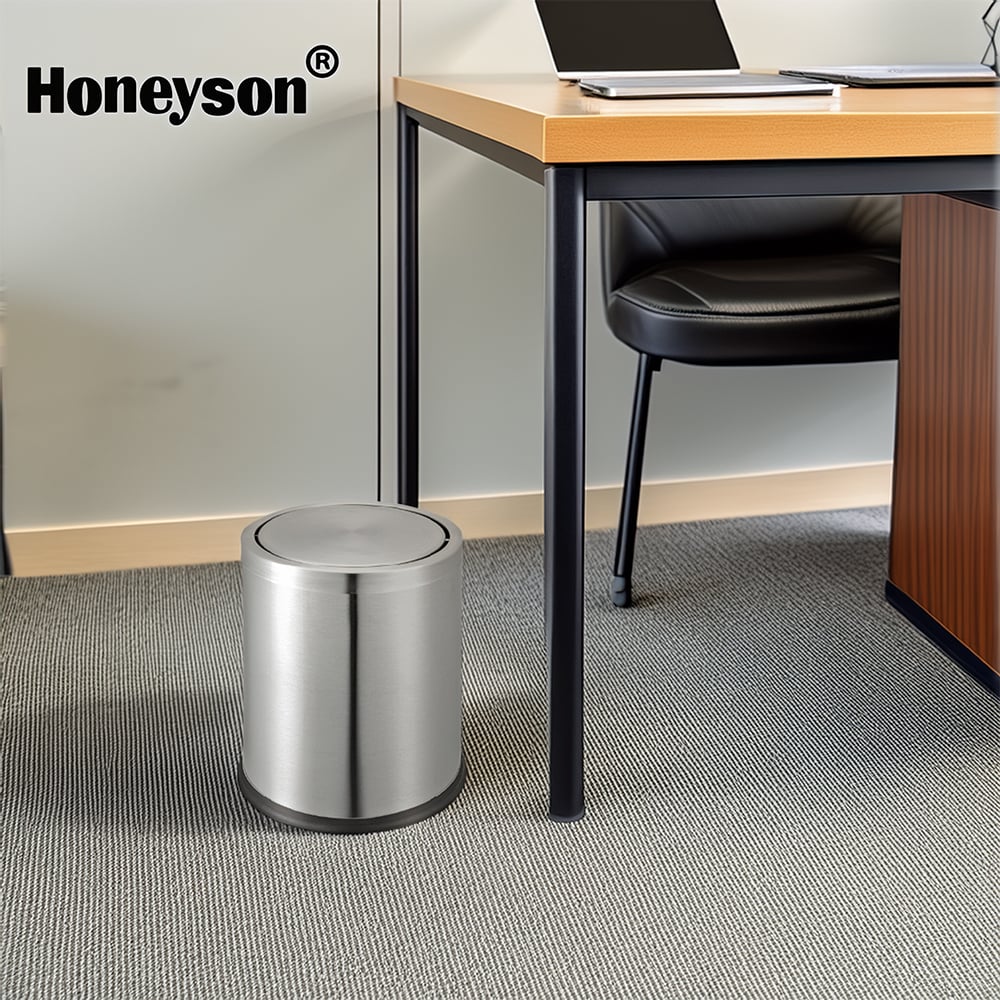
When launching new products in the hospitality sector, hotel operators and procurement teams face significant operational and financial risks. The ability to customize suppliers hotel solutions plays a critical role in mitigating those risks and ensuring successful market entry. Rather than deploying standardized equipment that may not align with brand standards or guest expectations, properties that work with flexible hotel supplies partners can tailor solutions to their exact operational needs.
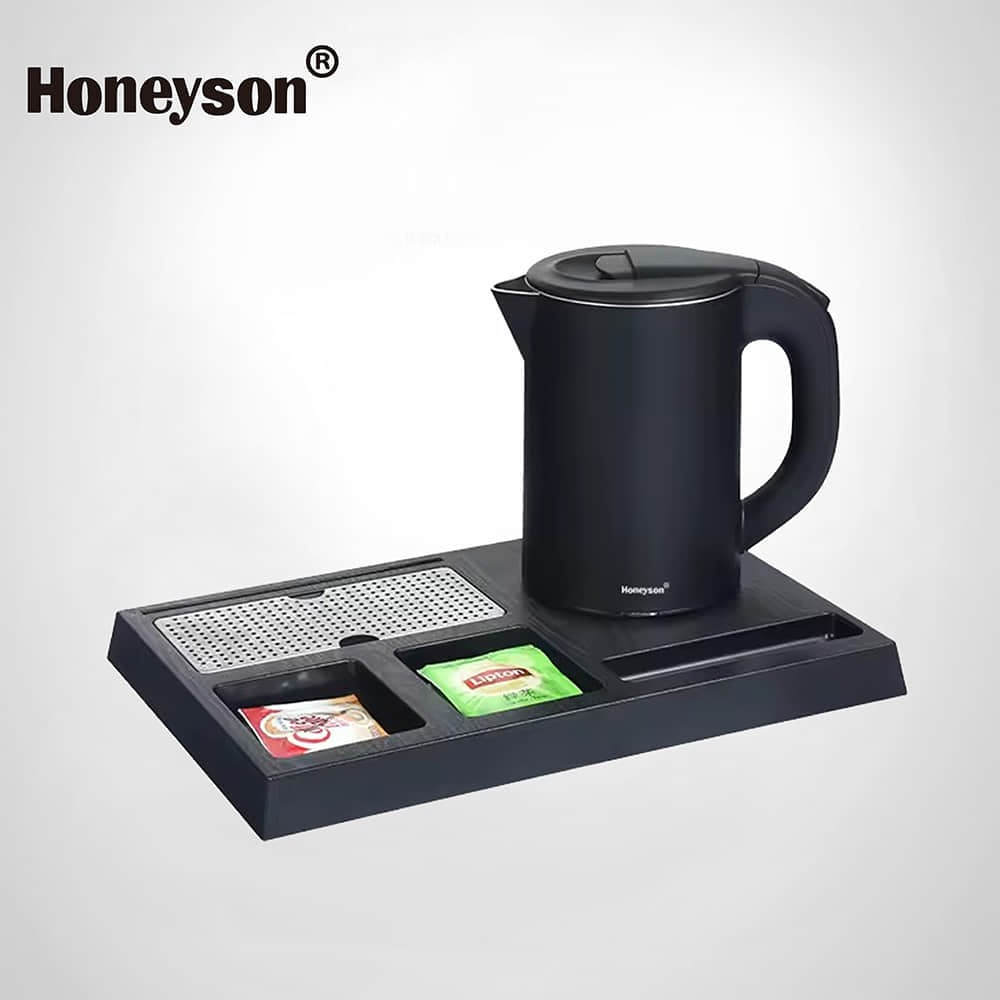
Customization flexibility in hotel room appliances and OEM hotel products allows properties to test new concepts at controlled scales before full rollout. This phased approach dramatically reduces capital exposure while building confidence in supply chain partnerships. When suppliers offer modular designs and adaptable configurations, hotels can iterate quickly based on guest feedback, staff feedback, and operational data without being locked into inflexible long-term commitments.
Understanding the Risk Landscape in Product Launches
Why Standardization Creates Vulnerability
Standardized hotel room appliances and guest room equipment often fail to account for property-specific variables such as electrical infrastructure, spatial constraints, brand positioning, and guest demographics. A one-size-fits-all approach to hotel supplies forces properties to either accept misalignment with their brand identity or invest heavily in retrofitting and customization after purchase. This gap between generic solutions and actual property needs creates downstream operational friction, guest dissatisfaction, and wasted capital.
The financial consequences extend beyond initial procurement. When OEM hotel products cannot integrate seamlessly with existing systems or meet localized regulatory requirements, properties face extended implementation timelines, staff training complications, and potential guest experience disruptions. Additionally, poor initial product-market fit increases churn risk and reduces the likelihood of repeat orders from satisfied customers.
Market Entry Volatility and Uncertainty
Product launches in hospitality carry inherent uncertainty because guest preferences, competitive positioning, and operational workflows vary significantly across markets and property types. Without customization flexibility, suppliers hotel partners and procurement teams must make binary go-no-go decisions based on limited pilot data. If the selected hotel supplies or guest room equipment does not perform as expected, hotels face costly inventory write-downs, damaged relationships with guests, and reputational damage.
Flexible OEM hotel products that allow specification adjustments, configuration options, and rapid iteration provide a buffer against this uncertainty. Properties can launch incrementally, gather real-world performance data, and refine their approach before committing significant resources to full deployment across portfolios.
How Customization Flexibility Reduces Launch Risk
Iterative Testing and Rapid Refinement
When hotel supplies and guest room equipment can be customized to match specific property conditions, teams can deploy limited quantities to test hypotheses before scaling. This rapid iteration cycle allows properties to validate assumptions about guest preference, operational efficiency, and cost performance in real conditions rather than relying solely on vendor claims or generic market research. OEM hotel products that support modular configurations enable properties to test different feature combinations, materials, and finishes without committing to massive upfront orders.
This testing capability is particularly valuable for luxury and lifestyle brands where brand alignment and guest experience are paramount. By working with flexible suppliers hotel partners who can produce custom configurations quickly, properties reduce the risk of launching products that damage brand perception or create negative guest reviews. The ability to make adjustments based on early feedback prevents costly rollbacks and reinforces confidence in future purchases.
Aligning with Operational Realities
Every property operates within unique constraints related to infrastructure, local regulations, maintenance capabilities, and guest expectations. Customization flexibility in hotel room appliances ensures that selected solutions fit those operational realities rather than forcing properties to adapt their workflows around inflexible guest room equipment. Custom configurations reduce implementation friction and accelerate time-to-value, which directly impacts project success metrics and stakeholder confidence.
Properties can also specify integration requirements, durability standards, and maintenance accessibility based on actual staff capabilities and facility management protocols. This alignment between hotel supplies specifications and operational capacity reduces training burden, minimizes installation delays, and lowers the risk of equipment misuse or premature failure.
Building Resilient Supply Chain Relationships
Customization flexibility in OEM hotel products demonstrates a vendor's willingness to invest in understanding client-specific needs and delivering tailored solutions. This collaborative approach builds stronger, more resilient relationships between properties and suppliers hotel partners. When vendors view properties as strategic accounts worthy of custom support rather than transactional opportunities, they prioritize responsiveness, quality, and continuity.
These stronger partnerships reduce supply chain risk by ensuring priority access to capacity during demand spikes, faster resolution of quality issues, and proactive communication about product improvements or discontinuations. Hotels with flexible suppliers are better protected against sudden supply disruptions or forced transitions to inferior alternatives.
Practical Implementation for Risk Mitigation
Defining Customization Parameters Upfront
Effective risk mitigation requires clarity about which aspects of hotel supplies and guest room equipment are customizable and under what constraints. Properties should document specification requirements, tolerance ranges, lead times, and cost implications for different customization options before engaging with suppliers hotel partners. This transparency prevents misaligned expectations and ensures that both parties understand the scope and feasibility of proposed modifications.
By establishing clear customization parameters early, properties can evaluate OEM hotel products more objectively and avoid supplier partners who lack the capability or willingness to deliver tailored solutions. This disciplined approach to vendor evaluation reduces the risk of selecting inflexible partners who cannot support iterative refinement.
Staging Rollouts with Flexible Procurement
Instead of committing to large orders of hotel room appliances at launch, properties should structure procurement in phases that allow flexibility to adjust specifications based on performance data. Initial orders can include smaller quantities of custom-configured units, followed by larger orders only after initial results validate the chosen solution. This staged approach distributes risk across multiple decision points and reduces downside exposure if early results disappoint.
Suppliers hotel who support flexible, smaller-quantity orders without excessive upcharges or lead-time penalties demonstrate genuine partnership and reduce procurement risk. Properties should prioritize vendors offering modular pricing, rapid-turnaround customization, and responsive support for specification refinement.
FAQ
How does customization flexibility in hotel supplies reduce product launch timelines?
Customization flexibility allows properties to align guest room equipment and hotel room appliances with existing infrastructure and operational workflows from day one, eliminating costly retrofitting and system integration delays. When OEM hotel products are designed to accommodate property-specific configurations, implementation teams can deploy faster with fewer complications. This accelerated timeline reduces disruption to guest experience and allows properties to validate performance metrics earlier in the launch cycle.
What specific customization options should properties prioritize when evaluating suppliers hotel partners?
Properties should prioritize customization in areas that directly impact brand alignment, operational fit, and guest experience. These include finish options, dimension adjustments, control interface configurations, and integration capabilities with existing systems. Guest room equipment and hotel room appliances that offer flexibility in these areas allow properties to launch products confidently while minimizing risk of brand misalignment or operational incompatibility. OEM hotel products should also support rapid iteration on feature combinations so properties can refine based on feedback.
Can customization flexibility in hotel supplies improve long-term cost performance?
Yes, customization flexibility can reduce total cost of ownership by preventing costly adjustments, minimizing waste, and extending product lifecycle. When hotel room appliances and guest room equipment are configured correctly at procurement, properties avoid expensive retrofitting, replacement, and inventory write-downs. Additionally, products tailored to operational workflows typically experience lower failure rates and reduced maintenance complexity, which extends usable life and improves financial performance over time.
