
 EN
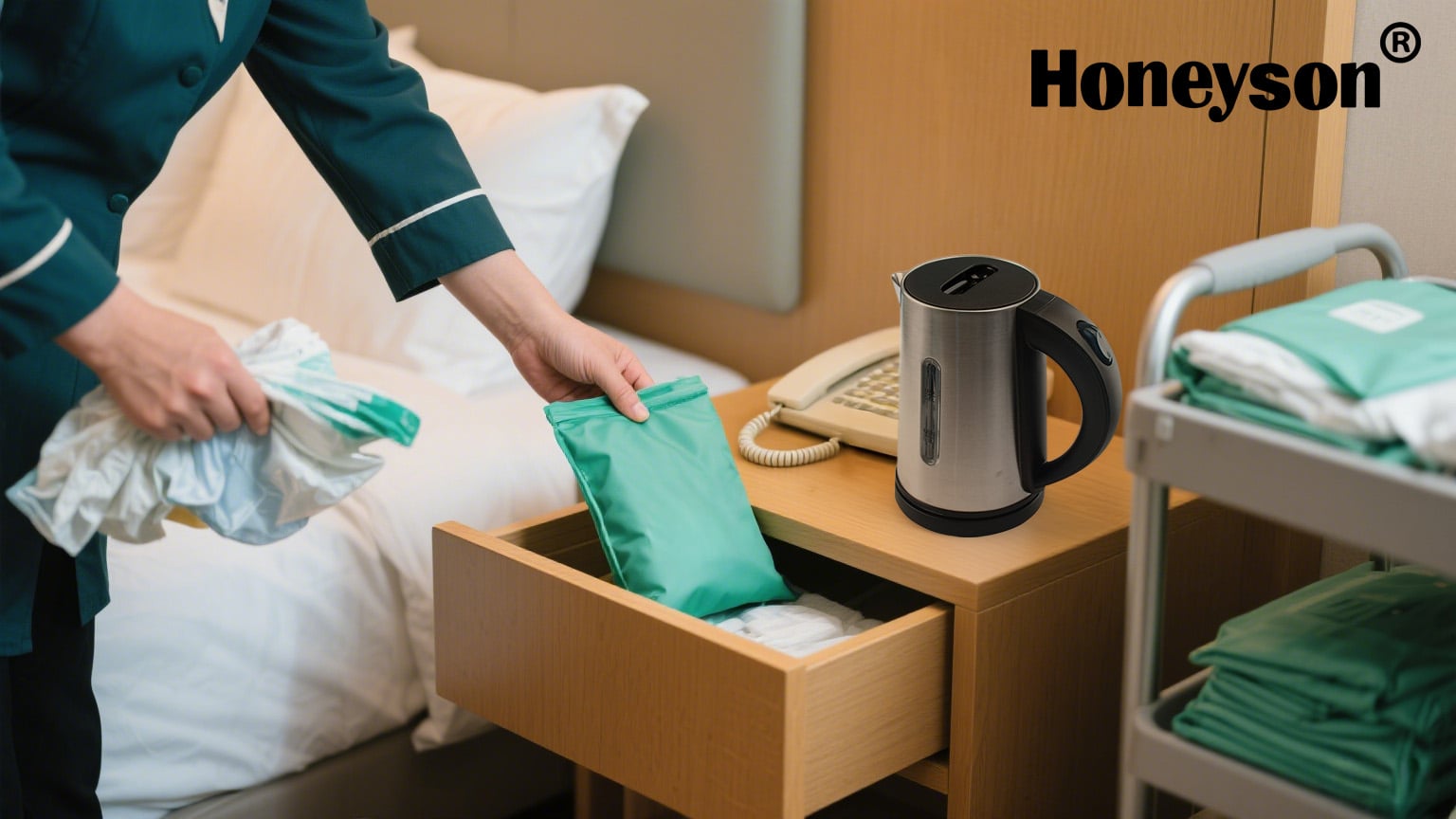
Effective quality control for hotel supplies is essential to maintaining operational excellence and guest satisfaction. Every item that enters a hospitality property—from linens and toiletries to guest room equipment and appliances—must meet established standards before reaching guest rooms. Quality control processes that span incoming inspections, in-process monitoring, and final verification ensure that only products meeting your property's specifications and safety requirements are deployed.

A robust quality control framework protects your hotel's reputation and reduces costly waste from defective items. When hotel room appliances, linens, and other guest room equipment are properly vetted at each stage, you minimize disruptions, guest complaints, and replacement expenses. This article explores the three critical phases of hotel supplies quality control and the practical steps required to implement them successfully.
Incoming Inspection and Receiving Standards
Establishing Receiving Protocols
The moment OEM hotel supplies arrive at your property, incoming quality control begins. Develop a documented receiving protocol that includes verification of order quantities, SKU accuracy, packaging condition, and visual defects. Designate trained staff members to conduct these inspections within a set timeframe, typically within 24 hours of delivery. This immediate assessment prevents damaged or incorrect hotel room appliances from entering your inventory and reduces the window for supplier claims.
Incoming inspections should involve checking product labels, expiration dates on consumables, and alignment with your purchase specifications. For guest room equipment such as kettles, coffee makers, and other appliances, verify that electrical certifications, safety markings, and voltage ratings match your property's requirements and destination markets. Create a receiving checklist tailored to each category of hotel supplies to ensure consistency and accountability across all incoming batches.
Documentation and Rejection Criteria
Maintain detailed records of all incoming inspections, including photographs of any defects, dimensions, materials, or deviations from order specifications. Document the serial numbers or batch codes of high-value items and guest room equipment for traceability. Establish clear rejection criteria aligned with your supplier agreements; this defines which flaws warrant immediate return and which allow for minor adjustments. When OEM hotel supplies fail incoming inspection, initiate return authorization promptly and communicate findings to your supplier to prevent recurring issues.
In-Process Quality Monitoring and Storage
Inventory Management and Condition Monitoring
After incoming inspection passes, hotel supplies enter your inventory system and storage areas. In-process quality monitoring ensures that items maintain their condition while awaiting deployment. For linens and fabrics, verify storage conditions remain dry, pest-free, and temperature-controlled. For guest room appliances and hotel room equipment, inspect for signs of corrosion, mechanical damage, or component failure before they are assigned to rooms. Conduct periodic spot checks on high-volume or high-value items to catch storage-related degradation early.
Implement a tracking system that logs when hotel supplies are received, stored, and released to housekeeping or maintenance teams. This visibility helps identify items that have been in storage beyond their recommended shelf life or have been exposed to environmental stress. For OEM hotel supplies such as electric kettles or bathroom fixtures, ensure that storage areas are appropriately climate-controlled and protected from humidity, dust, and physical impact that could compromise electrical safety or aesthetic appeal.
Rotation and Obsolescence Management
Apply first-in-first-out (FIFO) rotation to consumable hotel supplies and products with limited shelf lives. Regularly audit inventory to identify slow-moving items or guest room equipment approaching obsolescence. This practice reduces the risk of deploying outdated or degraded products to guest rooms and prevents financial loss from expired consumables or passé appliance models. Establish a clear timeline for removing obsolete items from inventory and document disposal procedures for accountability.
Final Verification and Pre-Deployment Checks
Room Assignment and Safety Inspection
Before any hotel room appliances or guest room equipment are installed or assigned to a room, conduct a final verification inspection. Test electrical items such as kettles, irons, and entertainment devices to confirm they operate safely and as designed. Check that all components are present, functioning correctly, and cosmetically acceptable. For hotel supplies destined for specific rooms, cross-reference against your room-specific requirements or guest preferences documented during the booking or pre-arrival process.
Inspect all packaged hotel supplies such as toiletries, notepads, and branded amenities for completeness, packaging integrity, and alignment with your property's branding standards. Verify that linens have no tears, stains, or odors and that they meet thread count or fabric softness specifications. Any item that fails final verification should be immediately removed from the deployment queue and routed back to quality control or supplier return procedures.
Installation and Handoff Documentation
Once hotel supplies and guest room equipment pass final verification, document the installation date, room assignment, and inspector name. This record supports traceability if a guest reports an issue with an appliance or amenity, enabling you to quickly identify the batch, supplier, and corrective action needed. For high-value OEM hotel supplies or critical guest room equipment, photograph the installed item to establish a baseline condition record. This documentation becomes invaluable if a guest disputes the condition of an item or if a defect emerges during their stay.
Establish a formal handoff procedure between quality control and housekeeping or maintenance teams. This ensures that the final inspection results are communicated clearly and that deployment staff understand any special handling, maintenance, or user instructions required for guest room appliances or delicate hotel room equipment. A brief orientation reduces the risk of improper use or damage after items reach guest rooms.
FAQ
What is the most critical phase of hotel supplies quality control?
While all three phases—incoming, in-process, and final—are interdependent, the incoming inspection is often the most critical. This is where you establish the foundation for quality by rejecting defective items before they enter your system. A rigorous incoming inspection reduces downstream problems, supplier disputes, and guest dissatisfaction. However, no single phase works in isolation; consistent execution across all stages ensures reliable hotel room appliances and guest room equipment performance.
How often should in-process quality monitoring occur for hotel supplies?
Frequency depends on your inventory volume, storage capacity, and product categories. For consumable hotel supplies such as toiletries or linens, conduct visual inspections weekly or bi-weekly. For high-value guest room equipment and OEM hotel supplies, conduct spot checks monthly or after any environmental stress such as flooding, pest issues, or temperature fluctuations. High-turnover properties may require more frequent monitoring to ensure items remain in optimal condition before deployment to guest rooms.
What documentation should be retained for hotel supplies quality control?
Retain incoming inspection reports, including delivery dates, supplier names, batch or serial numbers, and any defects noted. Keep records of in-process inspections and storage conditions, along with rotation logs for consumables. Document final verification inspections with photographs, room assignments, and installation dates for guest room equipment and OEM hotel supplies. Maintain these records for at least one year to support supplier accountability, guest dispute resolution, and continuous improvement analysis of your hotel room appliances and overall guest room equipment performance.
